
Madrid
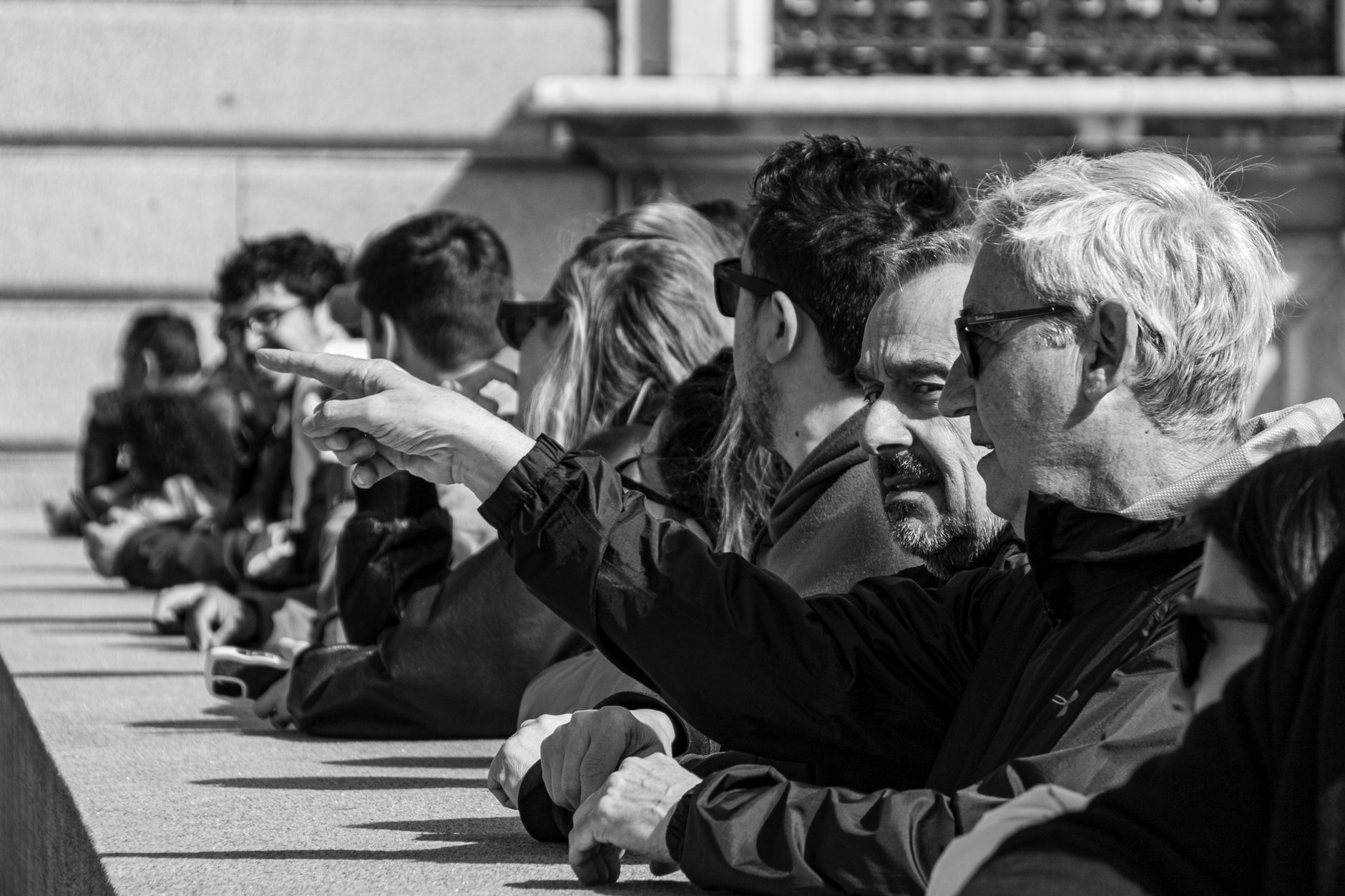
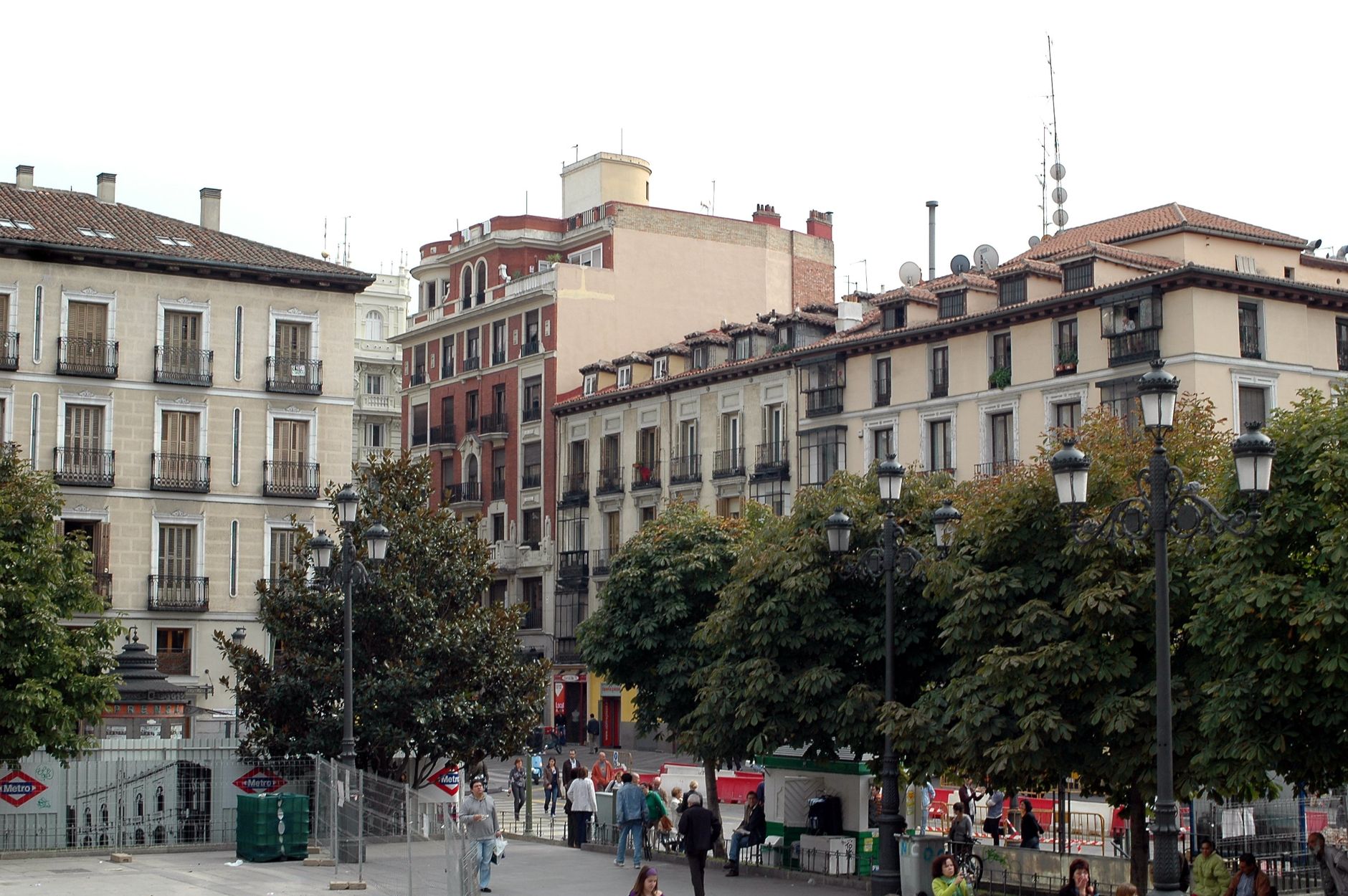
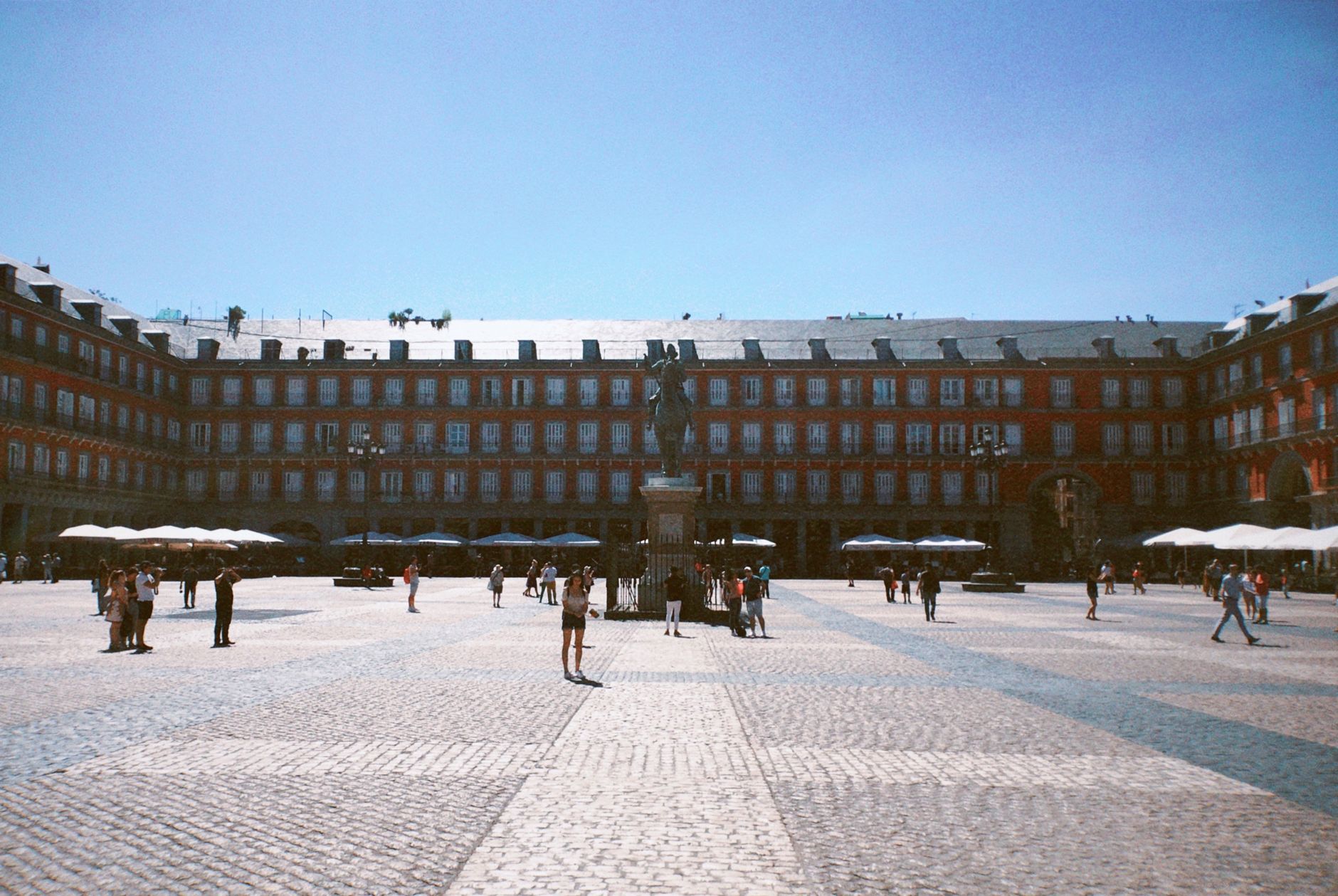
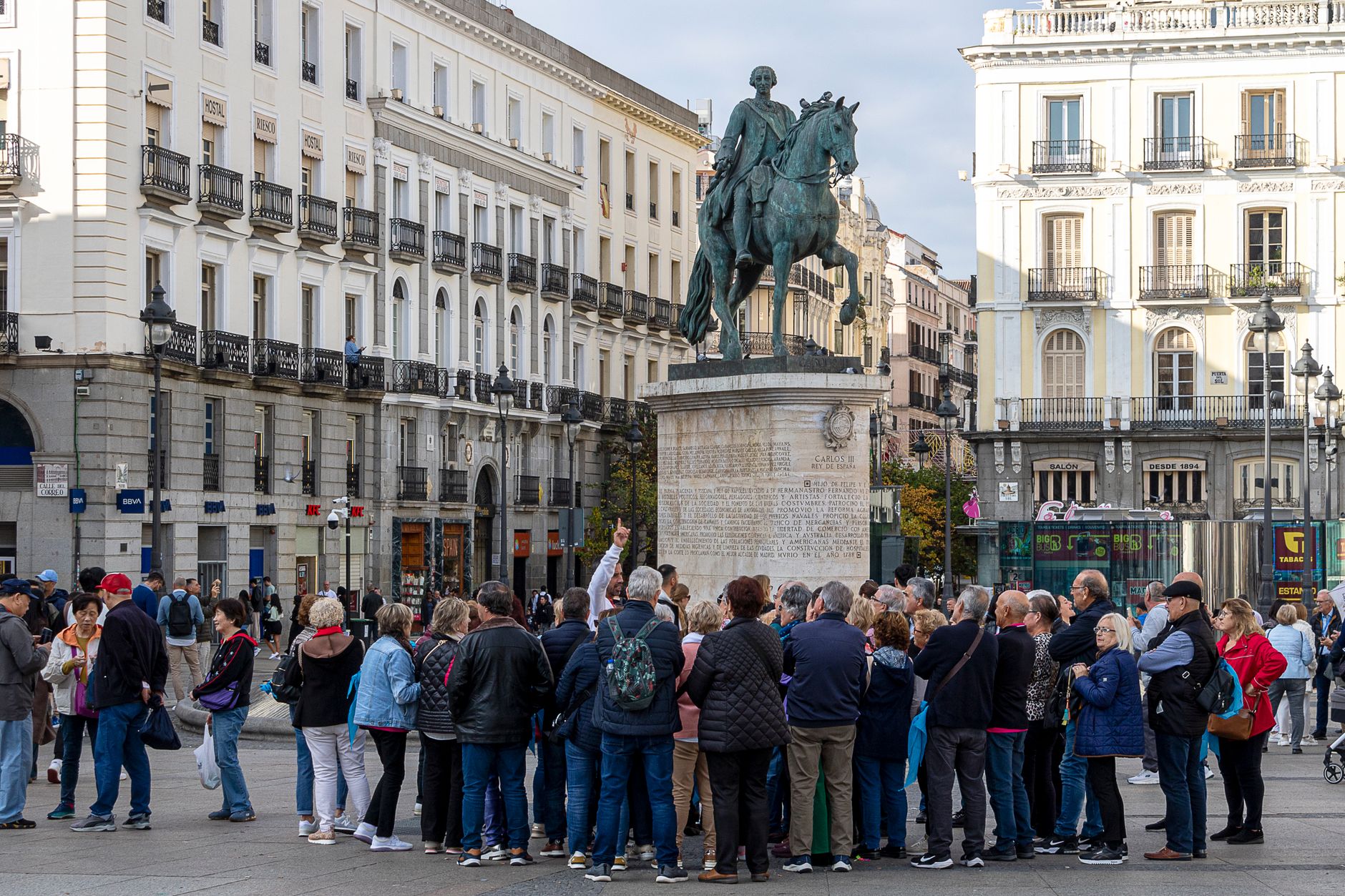
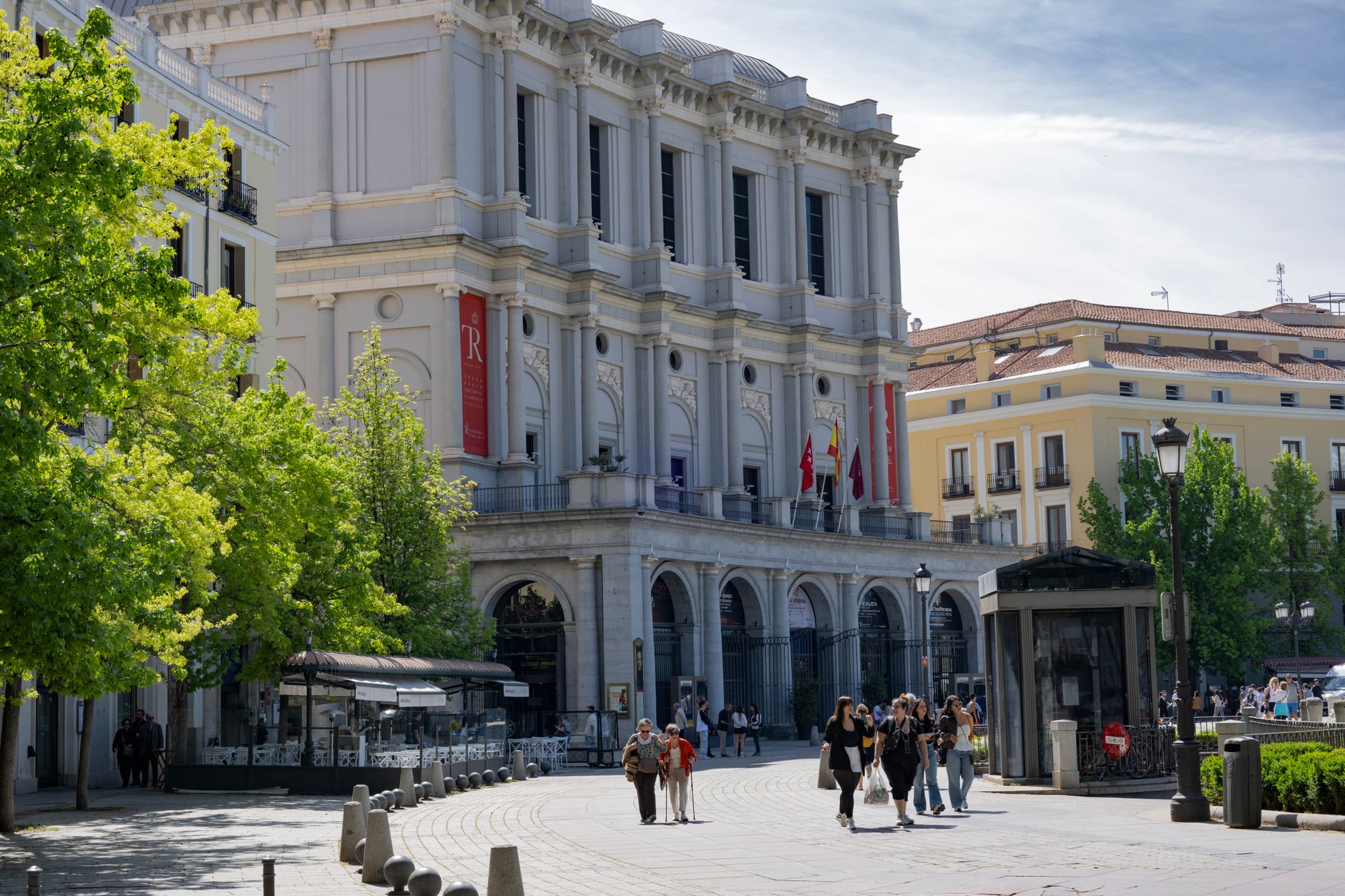
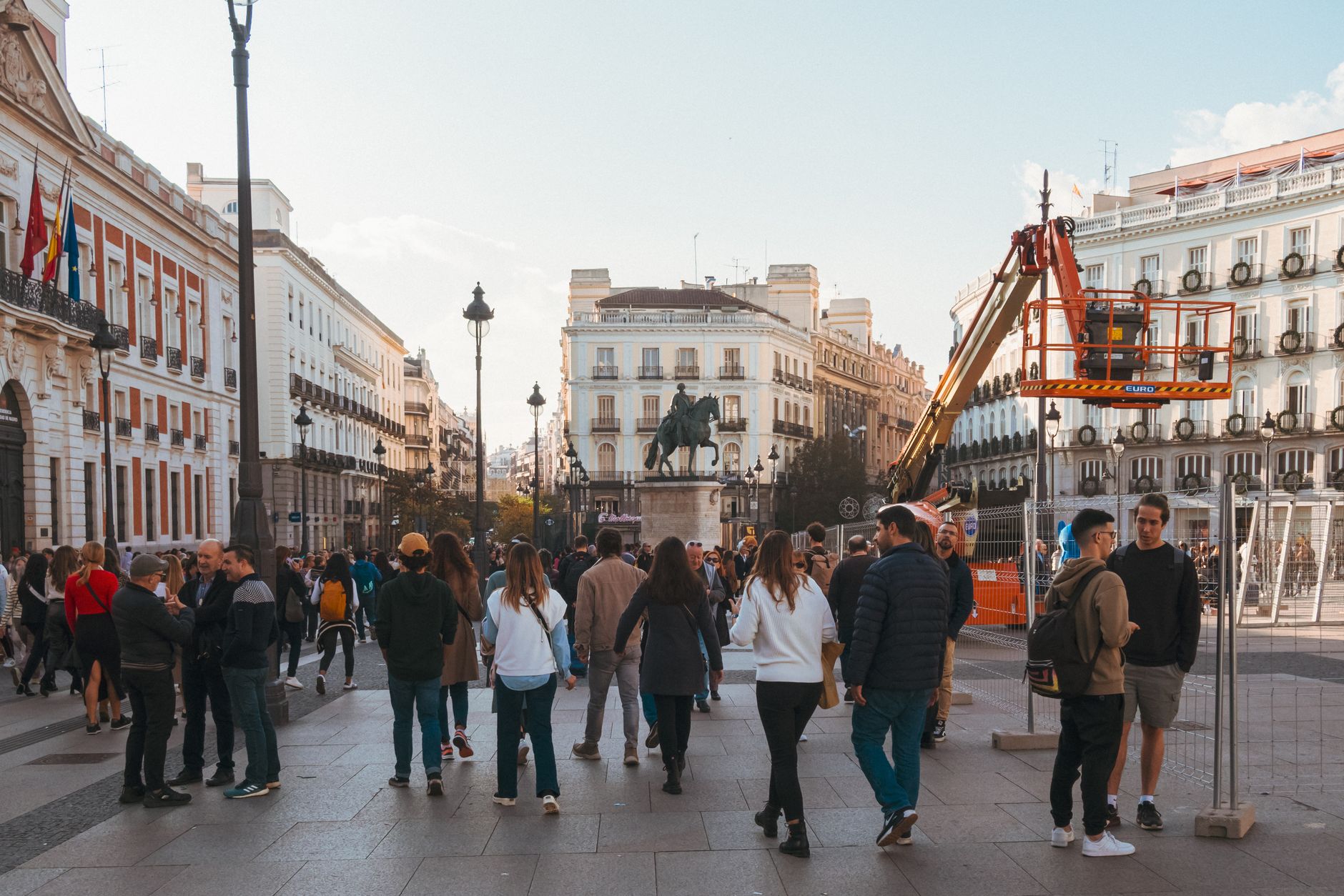
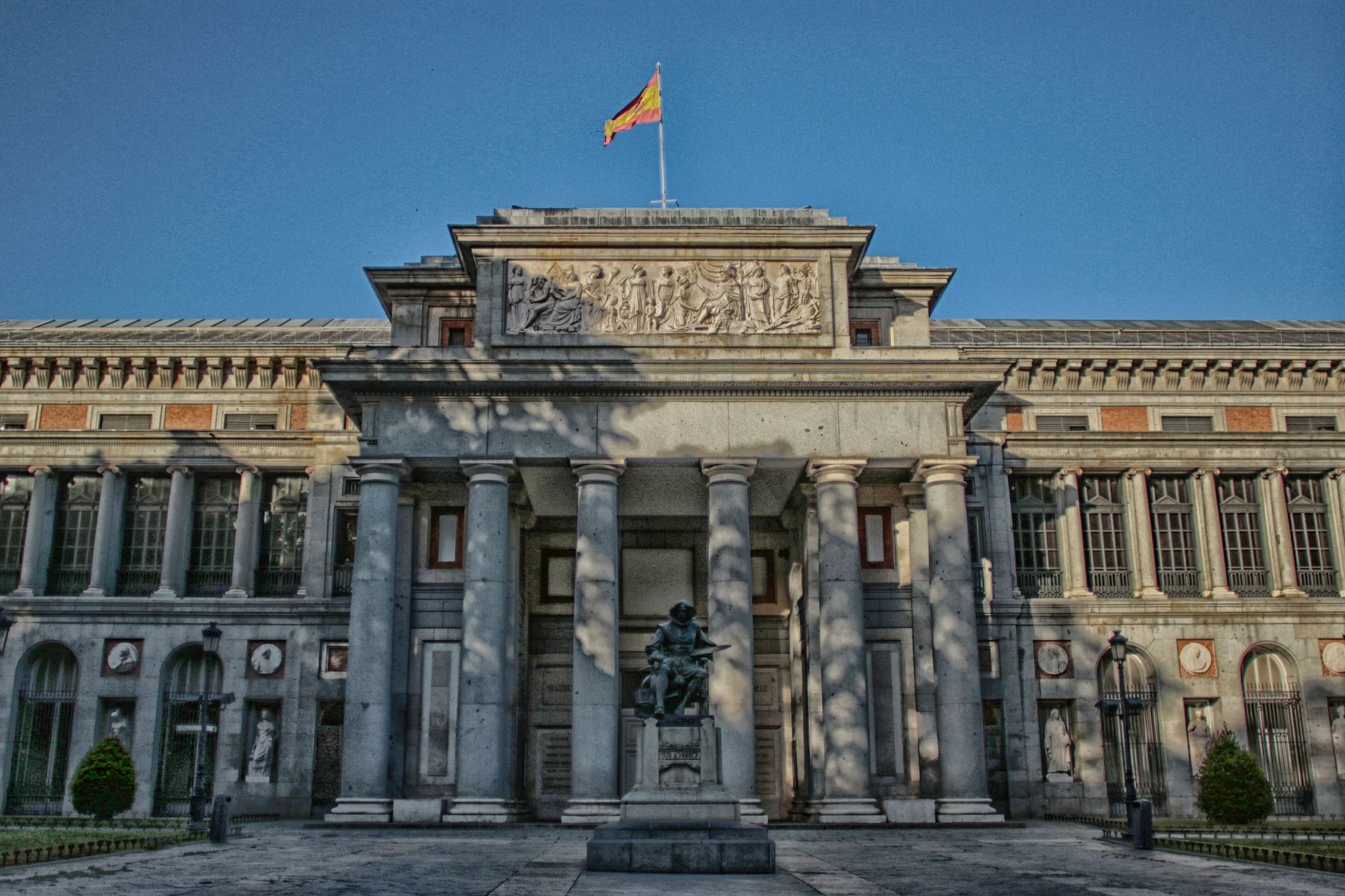
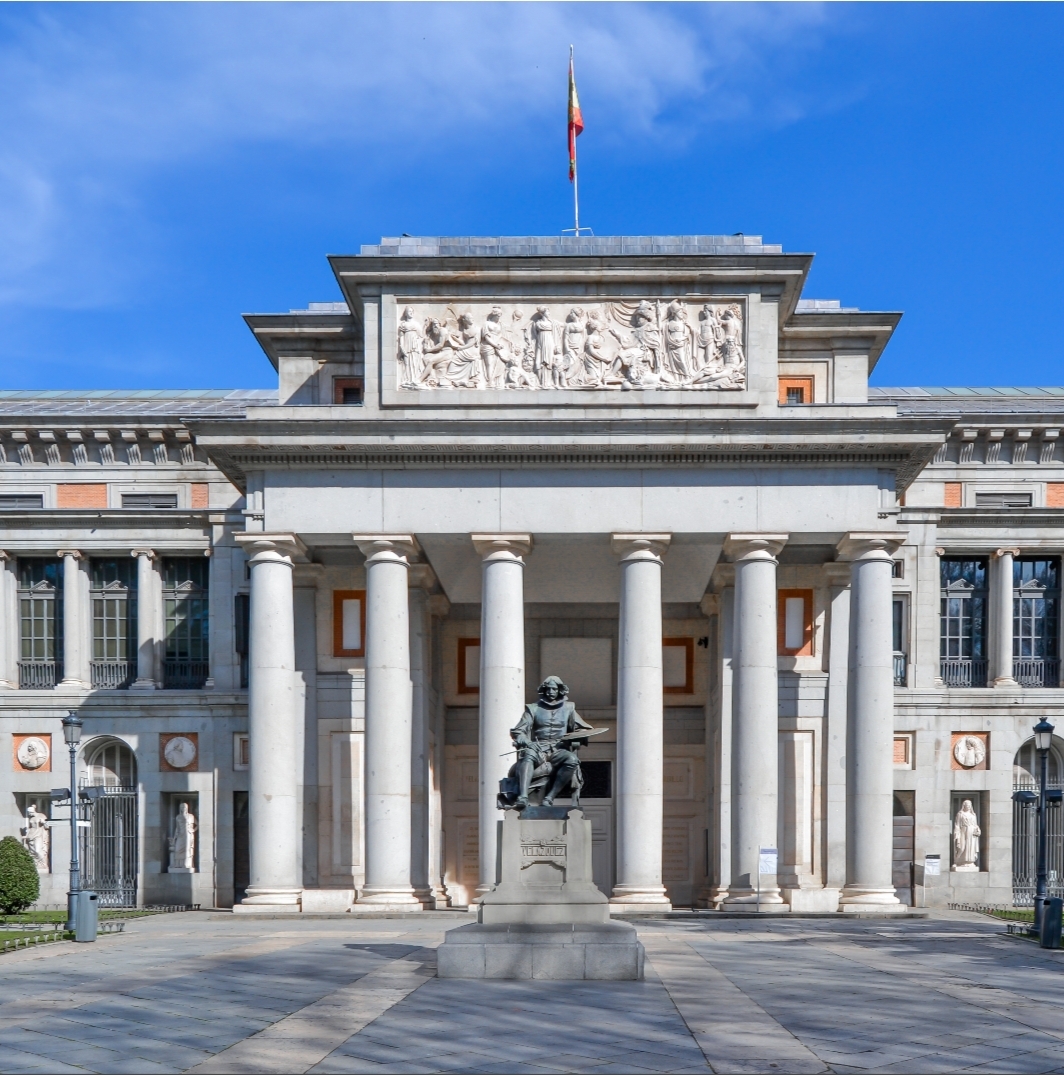
Madrid sits at the exact geographic centre of Spain, 650 metres above sea level on the Castilian plateau, and the light here — sharp, bleaching, relentless in July — is unlike anywhere else on the peninsula. The Prado alone could hold you for days: Juan de Villanueva's neoclassical building, inaugurated in 1819, houses one of the densest concentrations of European painting on earth.
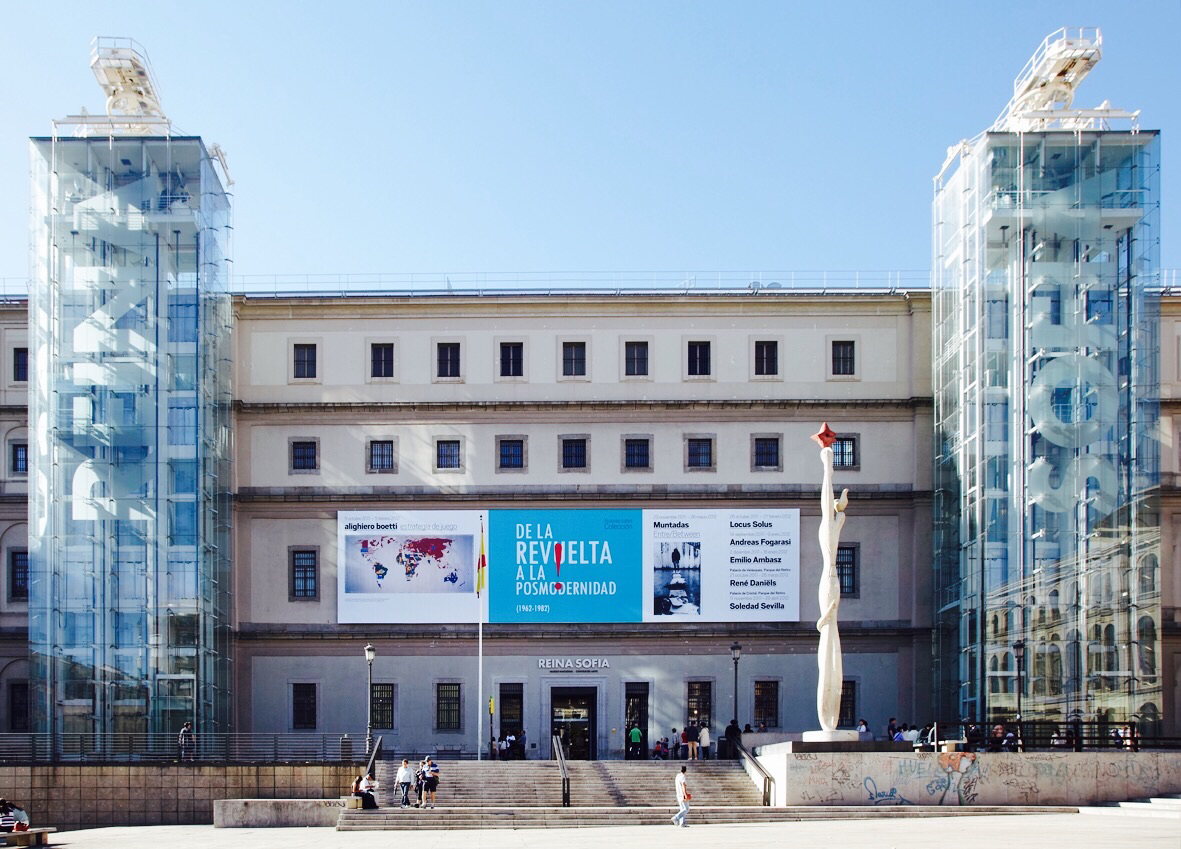
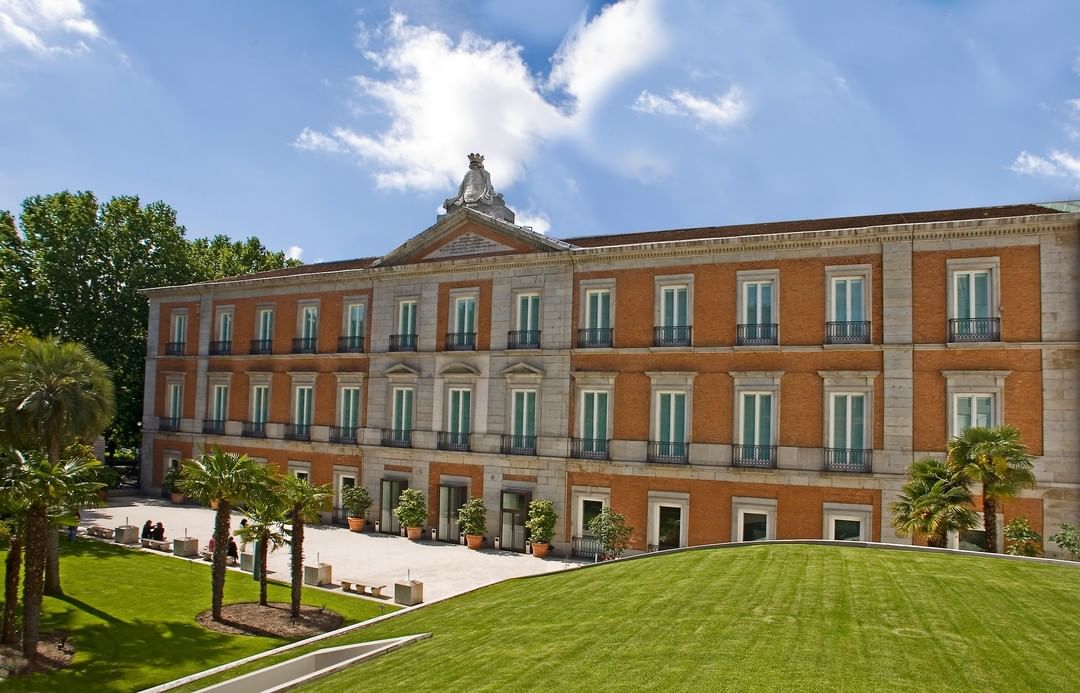
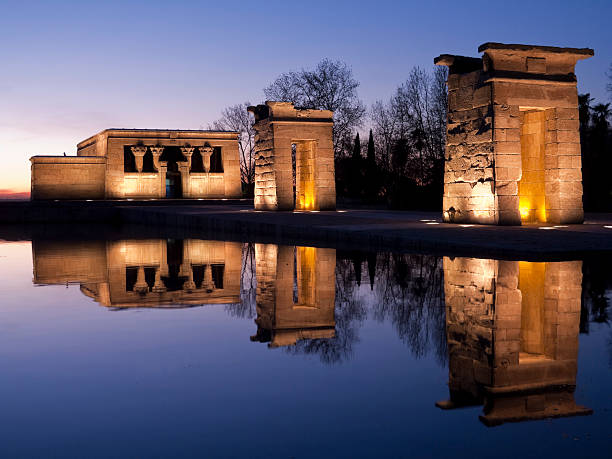
The city operates on a schedule of its own. Lunch runs to three, dinner rarely starts before nine, and the streets between those two meals belong entirely to the madrileños. Three world-class art museums sit within walking distance of each other. An ancient Egyptian temple, more than two thousand years old, stands in a park facing the sunset.
💛 What travellers fall for
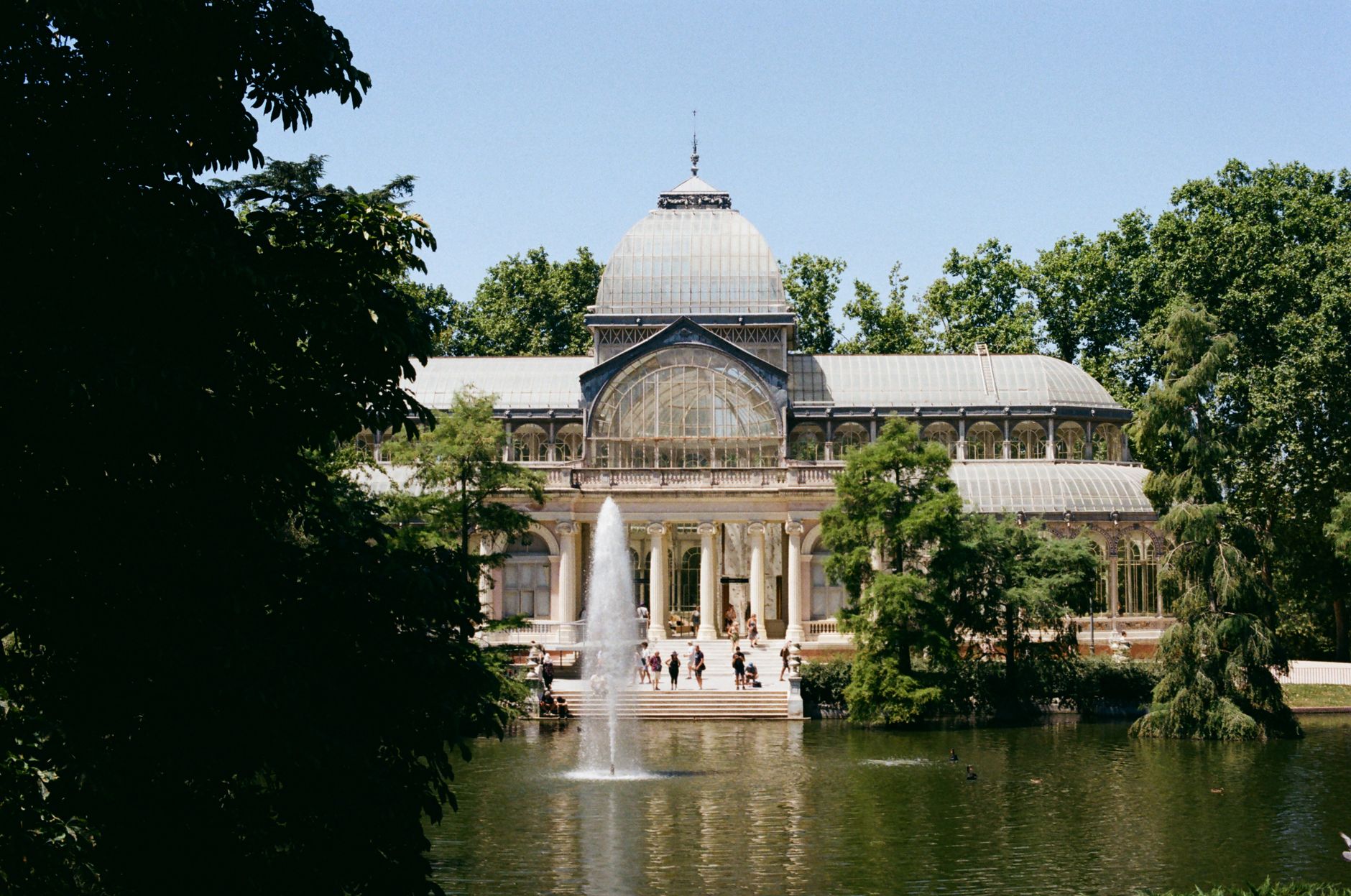
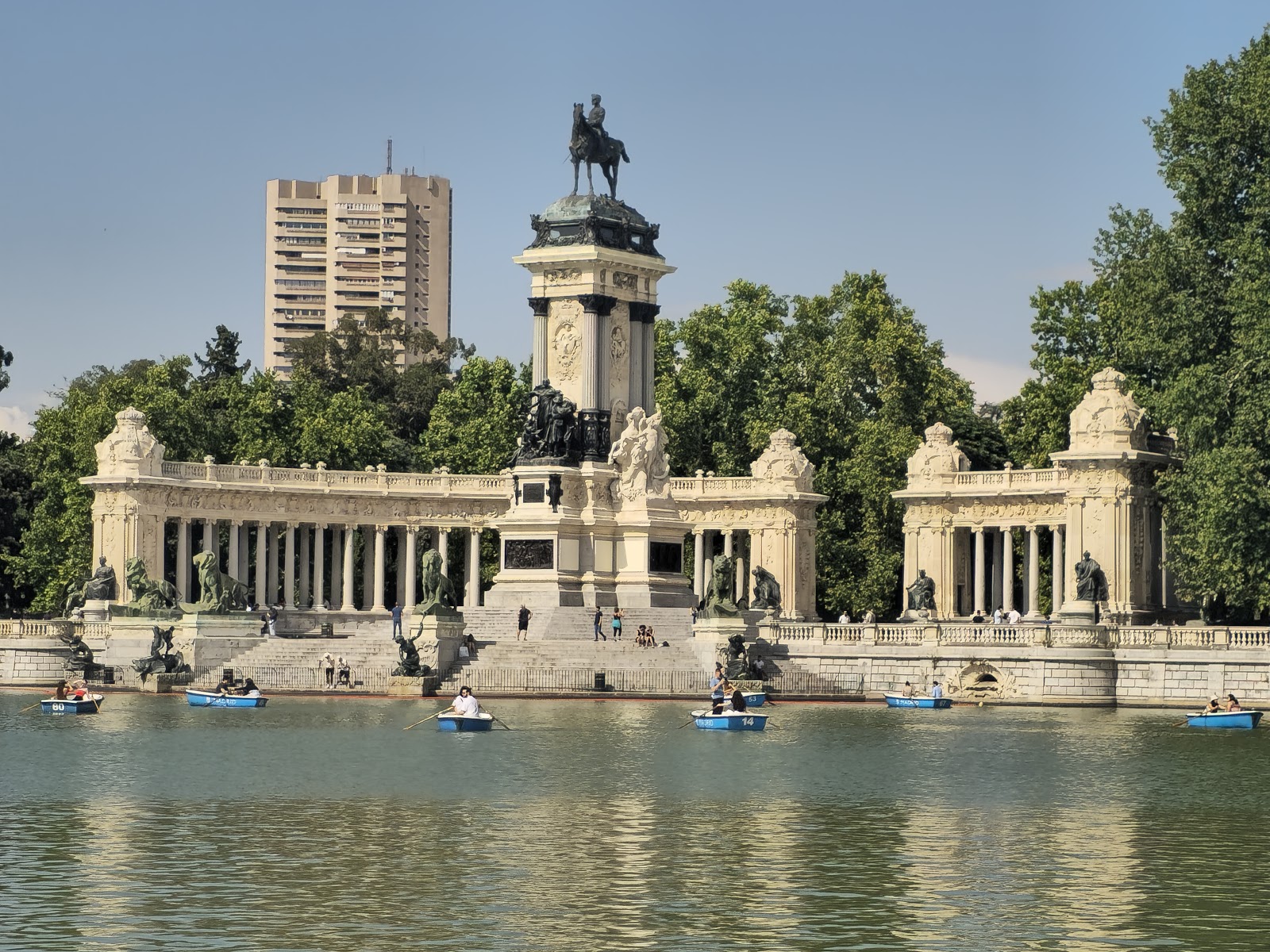
People who return tend to build their days around the Retiro — specifically the iron-and-glass Crystal Palace, which is free and almost always quieter than it should be. They learn to buy a Tourist Ticket on the metro rather than single fares: Zone A covers everything central at a flat rate, and the 241-station network runs until 1:30 in the morning.
Experiences you don't want to miss


Deals in Madrid
Book directly at the provider
How Madrid came to be
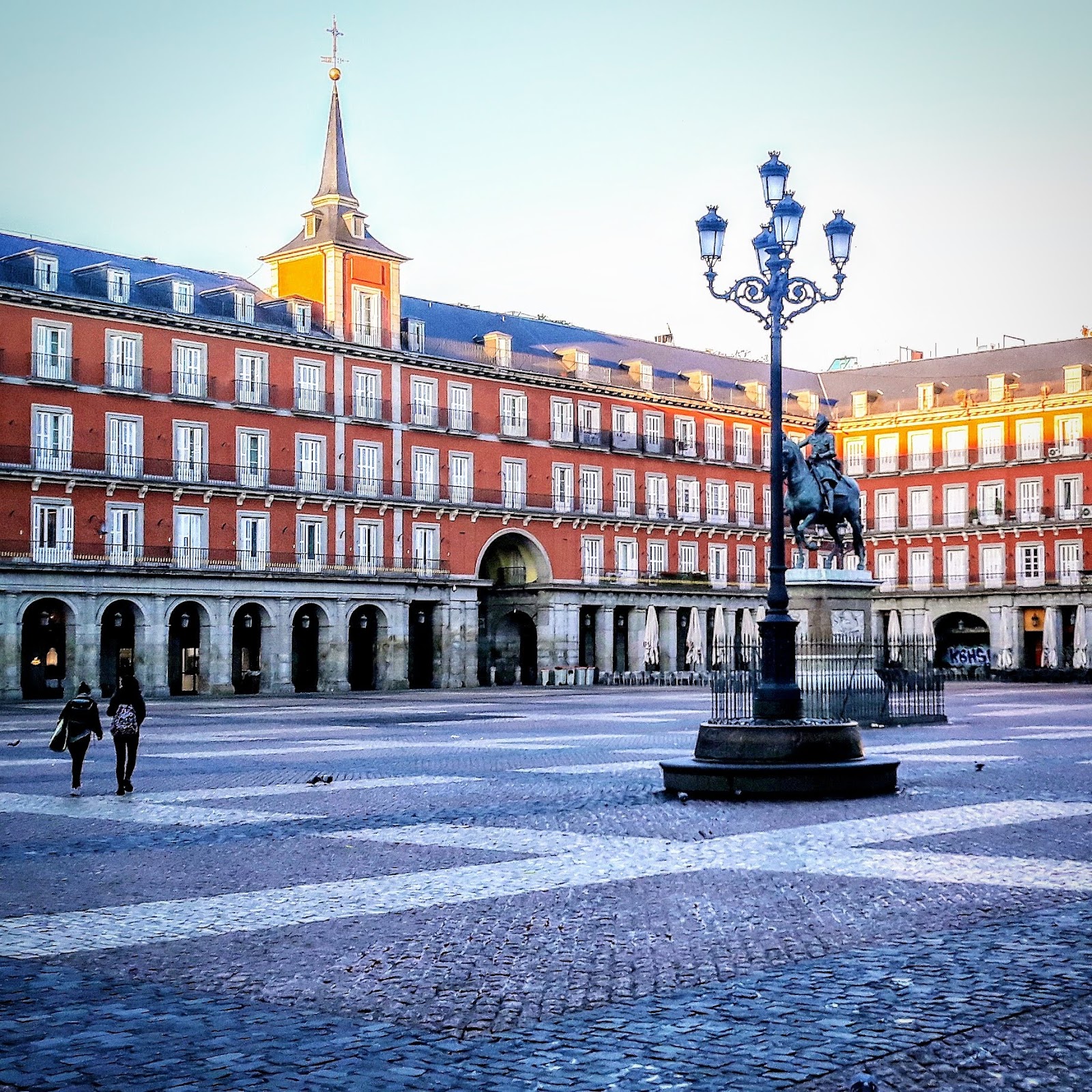
The city began as a military outpost. In the ninth century, the Cordobese emir Muhammad I ordered a citadel built on the left bank of the Manzanares River — a forward position to protect Toledo. Christians took it in the 1080s, and for centuries it remained a modest market town. That changed in 1561, when Philip II moved the royal court here from Toledo. The population surged from around 20,000 to nearly 100,000 by the end of the century, and the Plaza Mayor — built between 1580 and 1619 — became the stage for a city learning to think of itself as a capital.
The 20th century left deeper marks. Madrid held out as a Republican stronghold through the entire Spanish Civil War, from July 1936 until it fell to Francoist forces in March 1939. The Casa de Campo, the vast park on the city's western edge, had been formally opened to citizens just eight years earlier, on 6 May 1931.
Who and what shaped it
People who shaped it
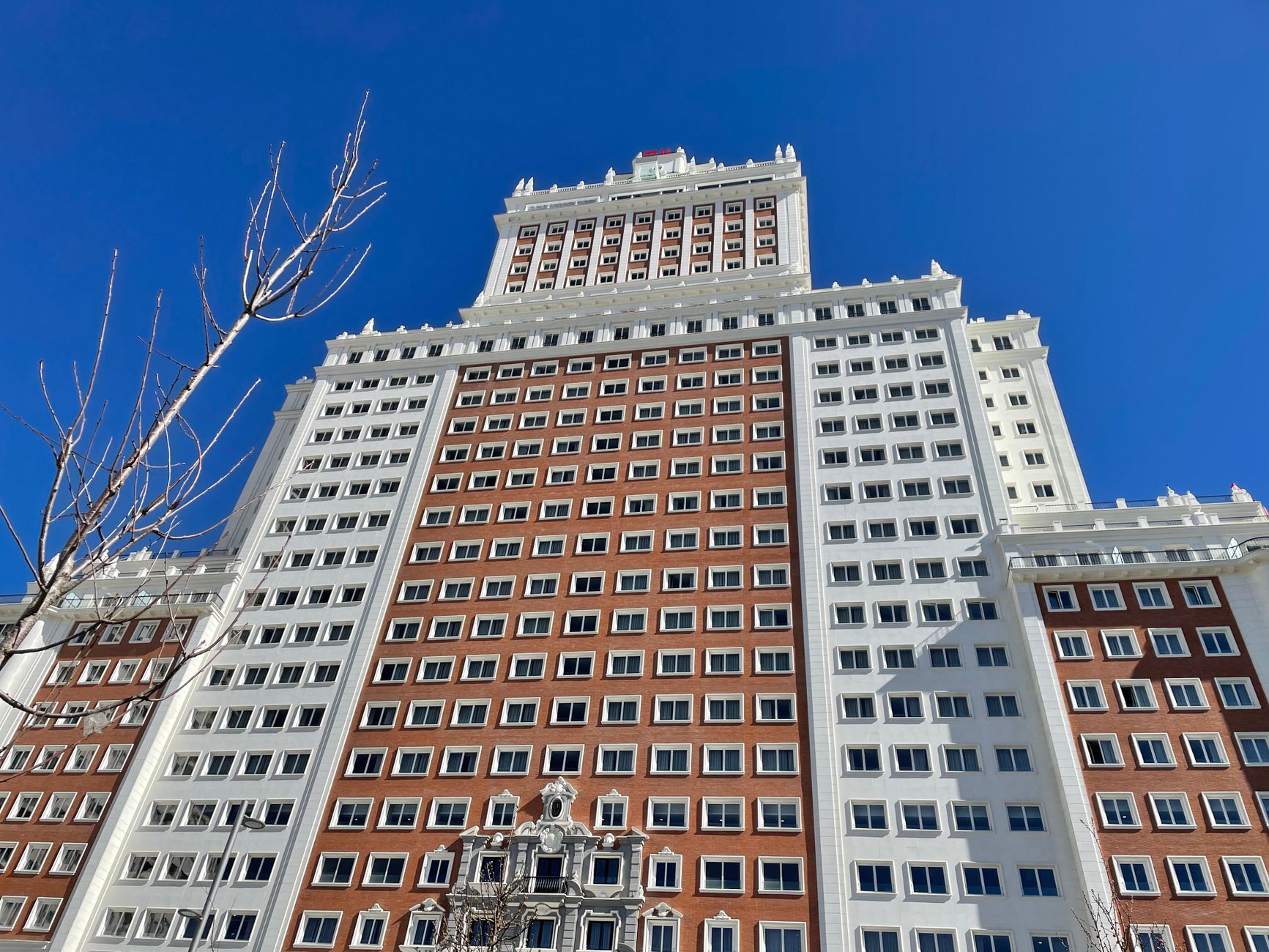
Landmark buildings
See Madrid in motion
Plan your visit
On the map
When to go
Winters are colder than most visitors expect — frosts are common and snow is occasional — while summers are dry and fierce, with July afternoons regularly reaching 34°C. The shoulder months of April, May and October offer the most forgiving conditions for walking the city.
Right now
↡ Attractions
Background & history adapted from Wikipedia (CC BY-SA) · specs from Wikidata (CC0) · weather from Open-Meteo · map data © OpenStreetMap contributors · photos from Wikimedia Commons / Unsplash with per-image credit. No third-party reviews or social posts reproduced.