
Museo del Prado
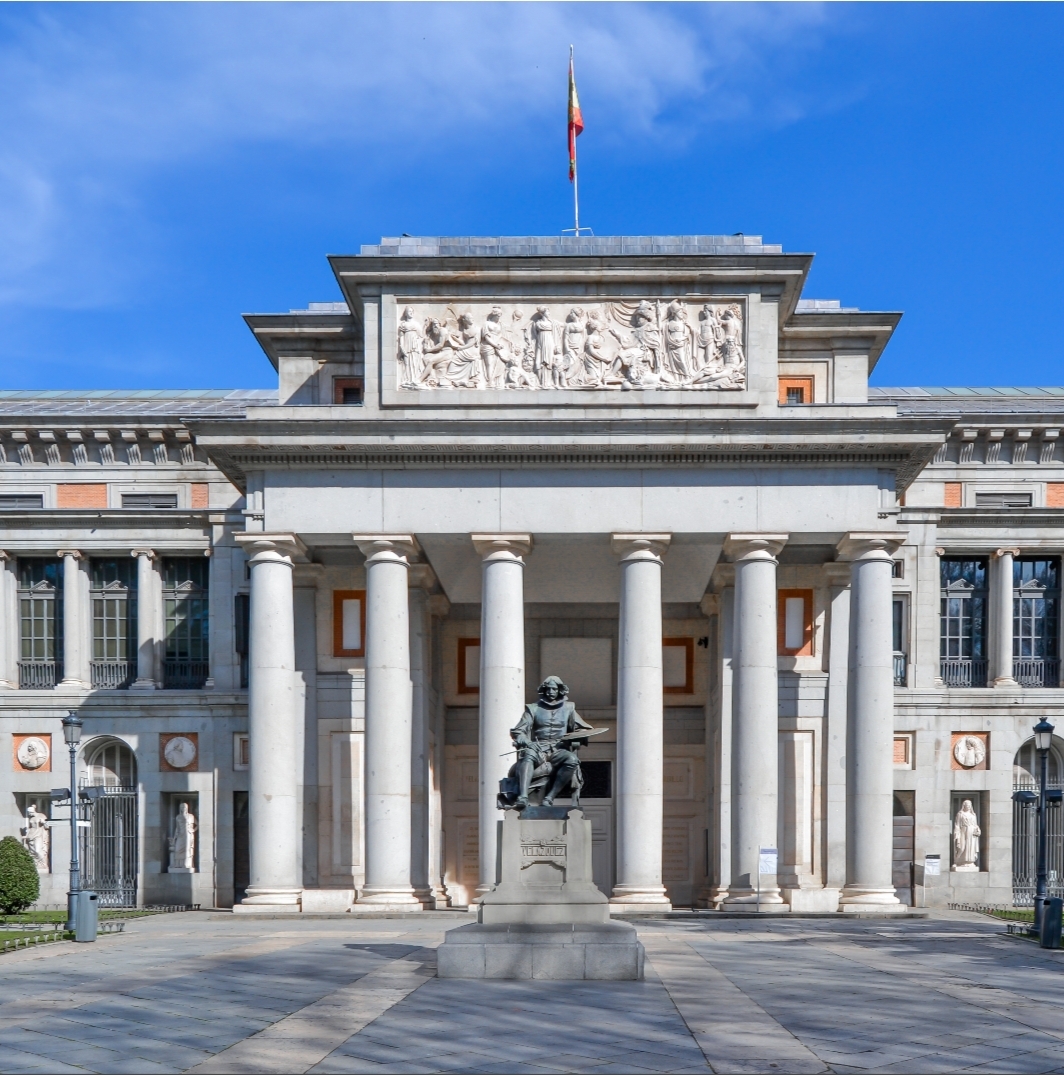
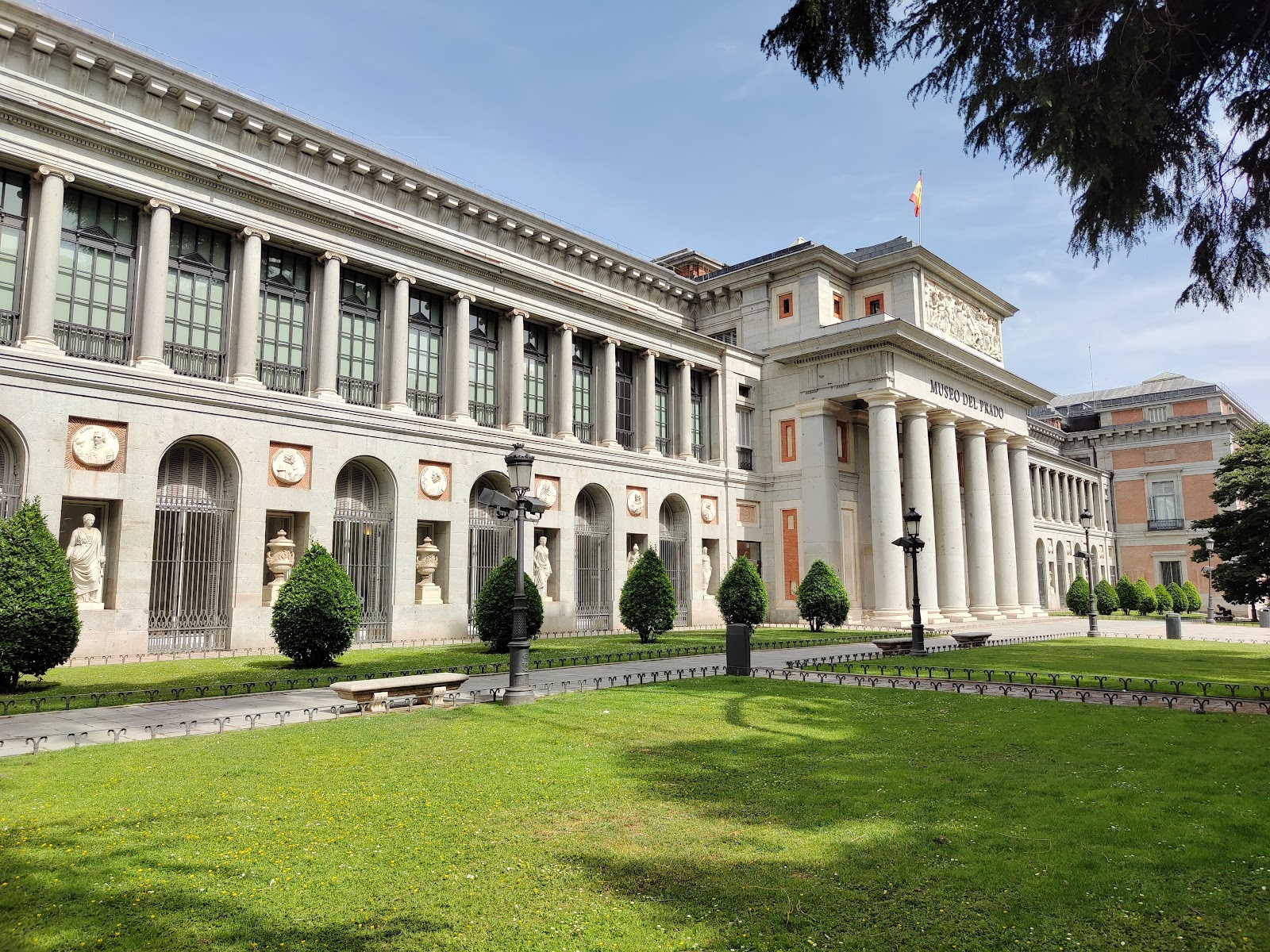
The name comes from the meadow that once stood here — prado, in Spanish — which tells you something about how quietly this place arrived in the world. Juan de Villanueva designed the neoclassical building in 1785 as a cabinet of natural history; it took another thirty years, a war, and a queen's persuasion before it became what it is now: one of the great repositories of European painting.
The collection runs to 8,600 paintings and more than 700 sculptures, though only around 1,500 works are on display at any time. Velázquez's Las Meninas tends to draw a crowd, but the rooms holding Goya's Black Paintings — donated by Baron Emile d'Erlanger in 1881 — reward anyone who lingers.
💛 What travellers fall for
People who come back tend to ignore the ground-floor queues and head straight upstairs to the Flemish rooms before the tour groups arrive. The free entry window in the last two hours before closing is worth knowing: the galleries thin out, the light changes, and the paintings look different when you're not shoulder to shoulder.
The story behind Museo del Prado
Charles III commissioned Villanueva's building in 1785, but the Napoleonic invasion of 1808 halted everything. Ferdinand VII was imprisoned in France during the Peninsular War; when he returned, it was Queen María Isabel de Braganza who pressed for the building to serve as a royal museum of paintings. It opened in November 1819 with 311 works catalogued, drawn from royal residences across Spain.
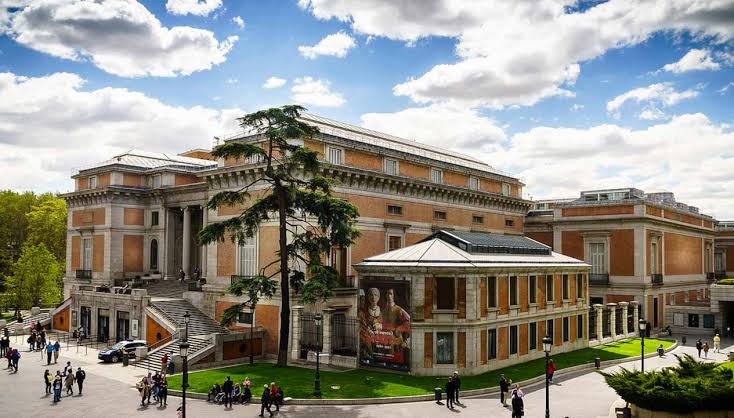
When Isabella II was deposed in 1868, the museum passed from crown to state and took its current name. Rafael Moneo's 2007 expansion added a glass-roofed foyer and brought the exhibition space to 16,000 square metres. The 16th-century Jerónimos cloister was dismantled stone by stone during that work and reassembled. The former Salón de Reinos, acquired in 2015, is now under renovation by Foster + Partners.
Good to know
Metro Line 2 to Banco de España (7-minute walk) or Line 1 to Estación del Arte (9-minute walk). General admission is €15; the last two hours before closing are free, though temporary exhibitions carry a 50% surcharge. Allow at least three hours; five if you want to move slowly. Closed January 1, May 1, and December 25.
Where is Museo del Prado?
More tickets & tours for Museo del Prado
Book directly at the provider
What travellers say about Museo del Prado
Fairly large, one can spend hours. Good descriptions and contexts written to better appreciate pieces. Last 2 hours are free while tickets last; it can get crowded, but it's great that they don't allow price to be a barrier for those who cannot afford it. Nice respite from the heat. Photos not allowed (please respect this, don't be THAT tourist). Wide range of paintings and sculptures covering centuries and not just Spanish masters. Good, central location, within walking distance for us. Recommended if you're in Madrid and enjoy classic art.
Nice museum to visit if you are in Madrid. I would recommend around 3 hours to walk through the main collections without going too much into details. There are a few truly beautiful pieces and rooms worth seeing The entrance and exit logistics felt confusing especially to pick up luggage if you left at the entrance Overall a great place to visit, expect lines and crowds on weekends
A transformational experience. To see Such greatness - the best humanity has to offer. Velásquez obviously a highlight. Caravaggio took my breath away. Audio guides very helpful. Staff good. Crowded yes, but still space to see the art. Pre buying tickets definitely a pro move but won’t help avoid a bit of a line.
The Prado Museum is truly impressive. As a Flemish visitor, I naturally enjoyed seeing some of our own cultural treasures. Sometimes I wonder how they ended up there – probably taken by the Spaniards ages ago. Shame on you, I’d say. 😅 Most of the artworks are quite dark, typical for the period – Goya, Rubens, Bruegel, you name it. I would have loved to see some of the lighter works that came later, like Emil Claus, and of course the French artists and Van Goghs. But that’s just what you expect to see. Everything was professionally arranged. You’re not allowed to take photos, not even without flash, which I found a bit disappointing – though I did sneak a few here and there. I should also mention that I bought my tickets on-site, and it only took me about eight minutes at the counter. Overall, absolutely worth a visit. Highly recommended!
A stunning museum regarded as one of the top places to visit in Europe. A family friendly stop for 2 or so hours. Tickets are reasonably priced and we purchased while there. Lockers offered for backpacks.
More of Madrid
Discover where to stay, what to do and the best deals for your trip.
Explore Madrid →More attractions in Madrid
All of Madrid →
Background adapted from Wikipedia (CC BY-SA) · map data © OpenStreetMap contributors · ratings & place photos via Google · other photos with per-image credit. Ticket links may earn us a commission at no extra cost to you.