
Barcelona
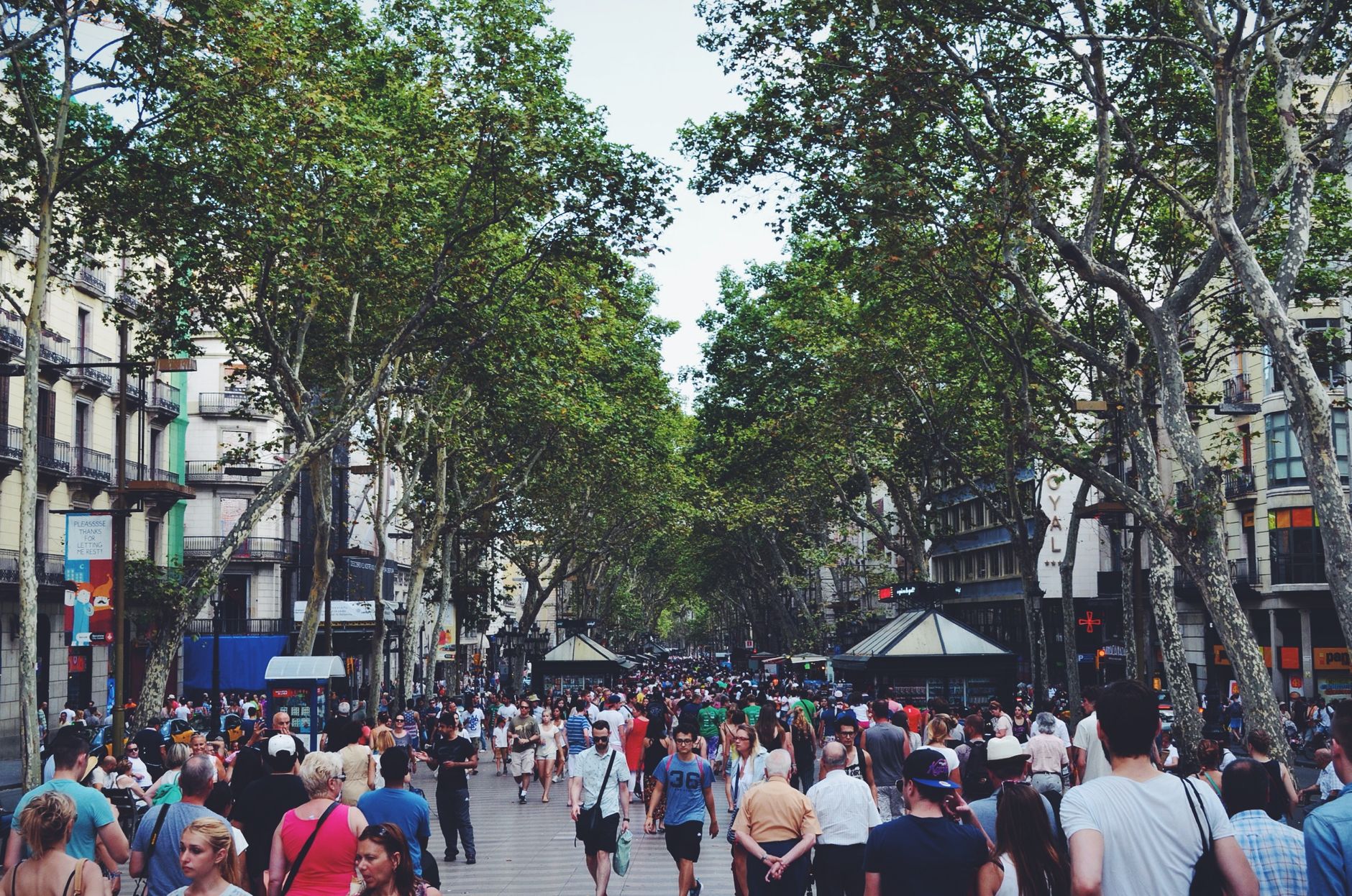
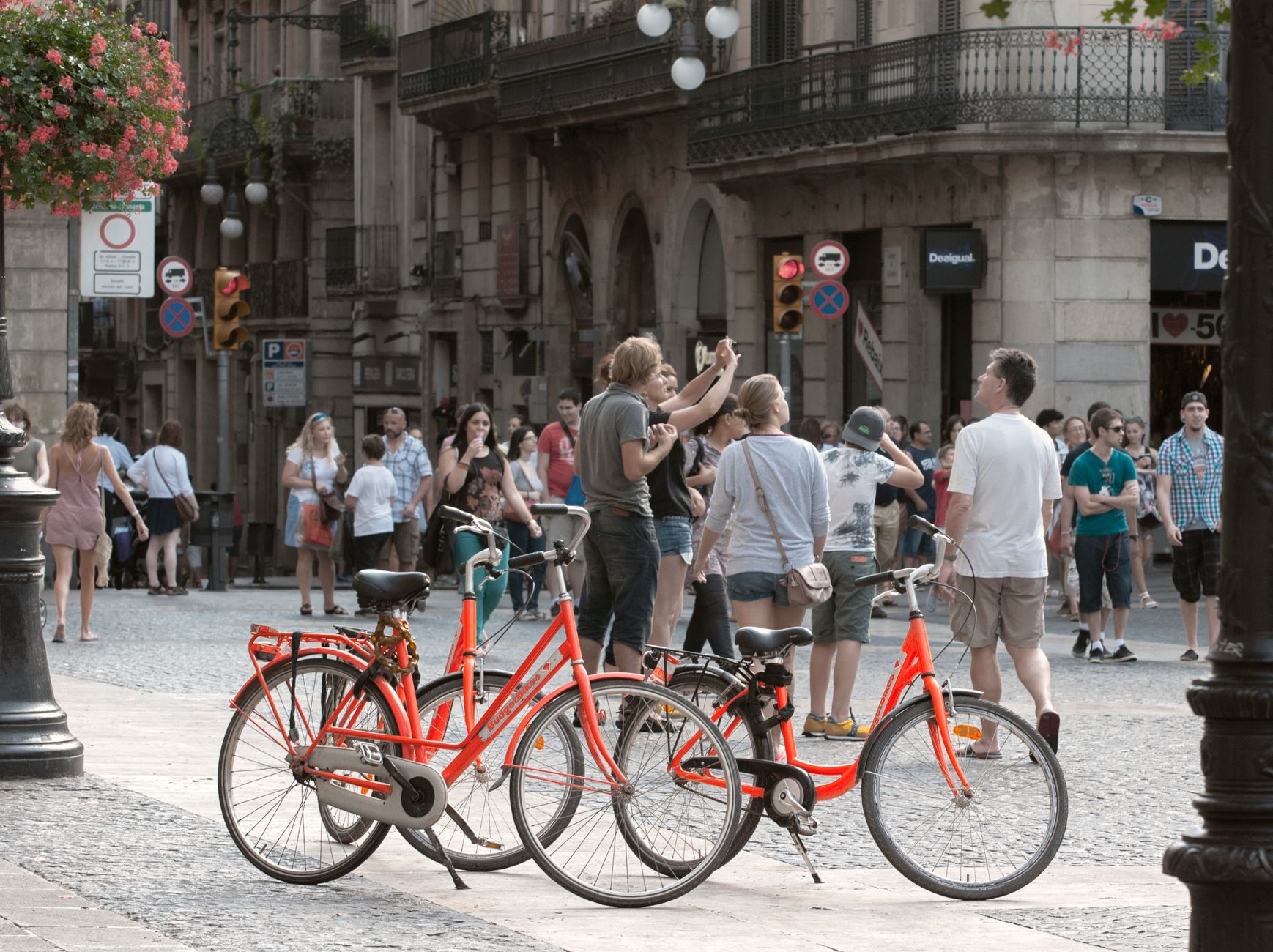
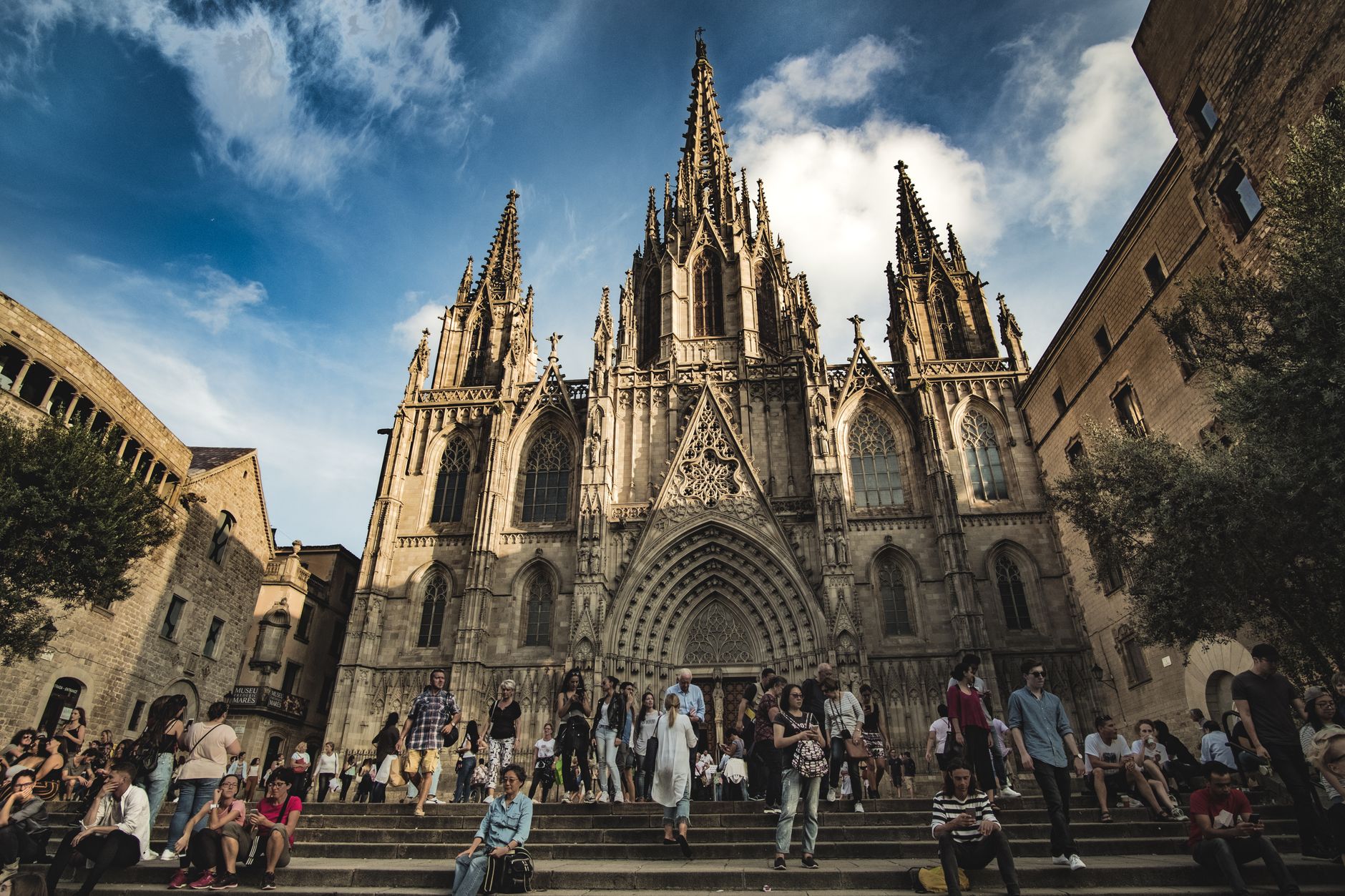
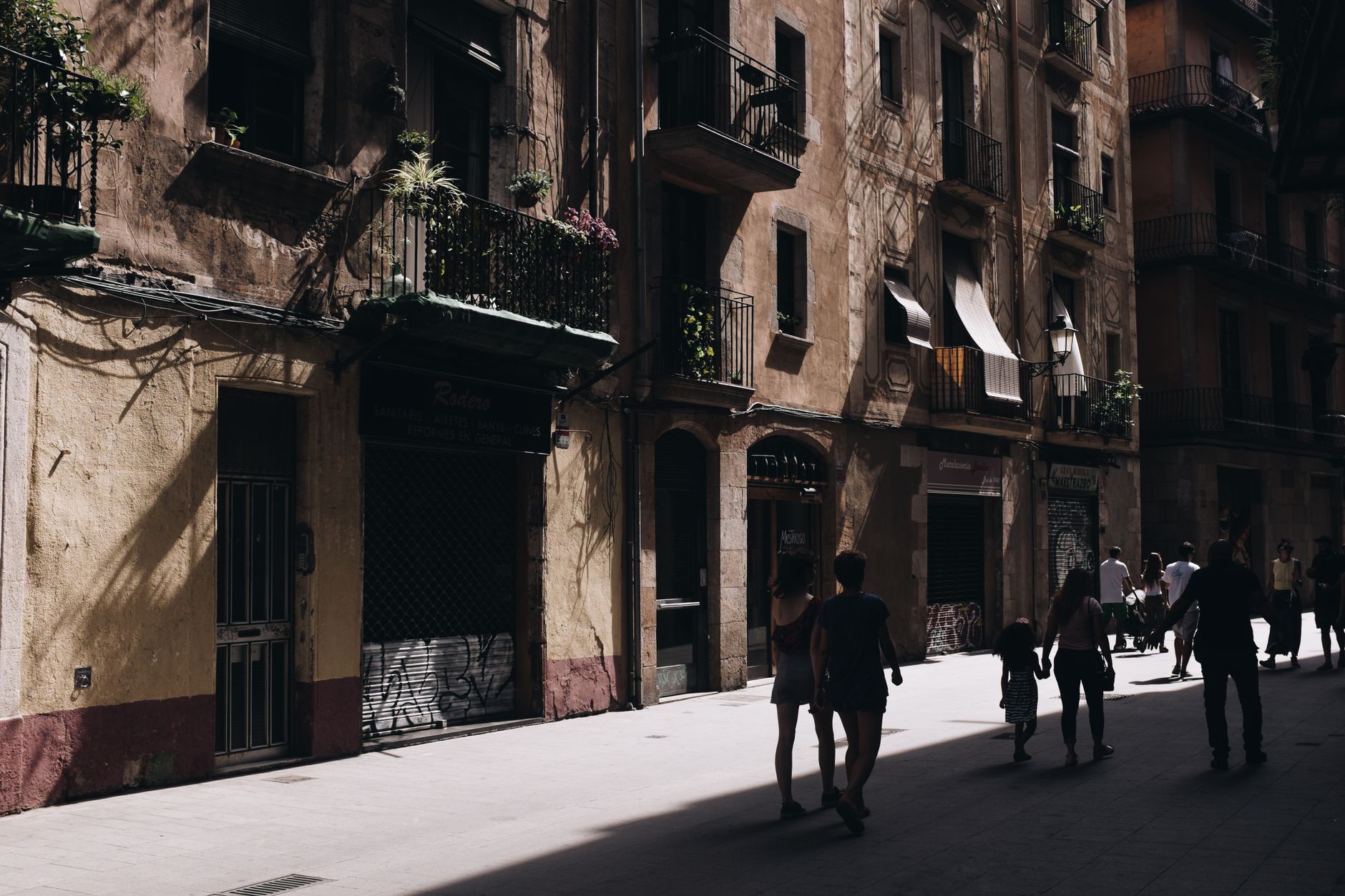
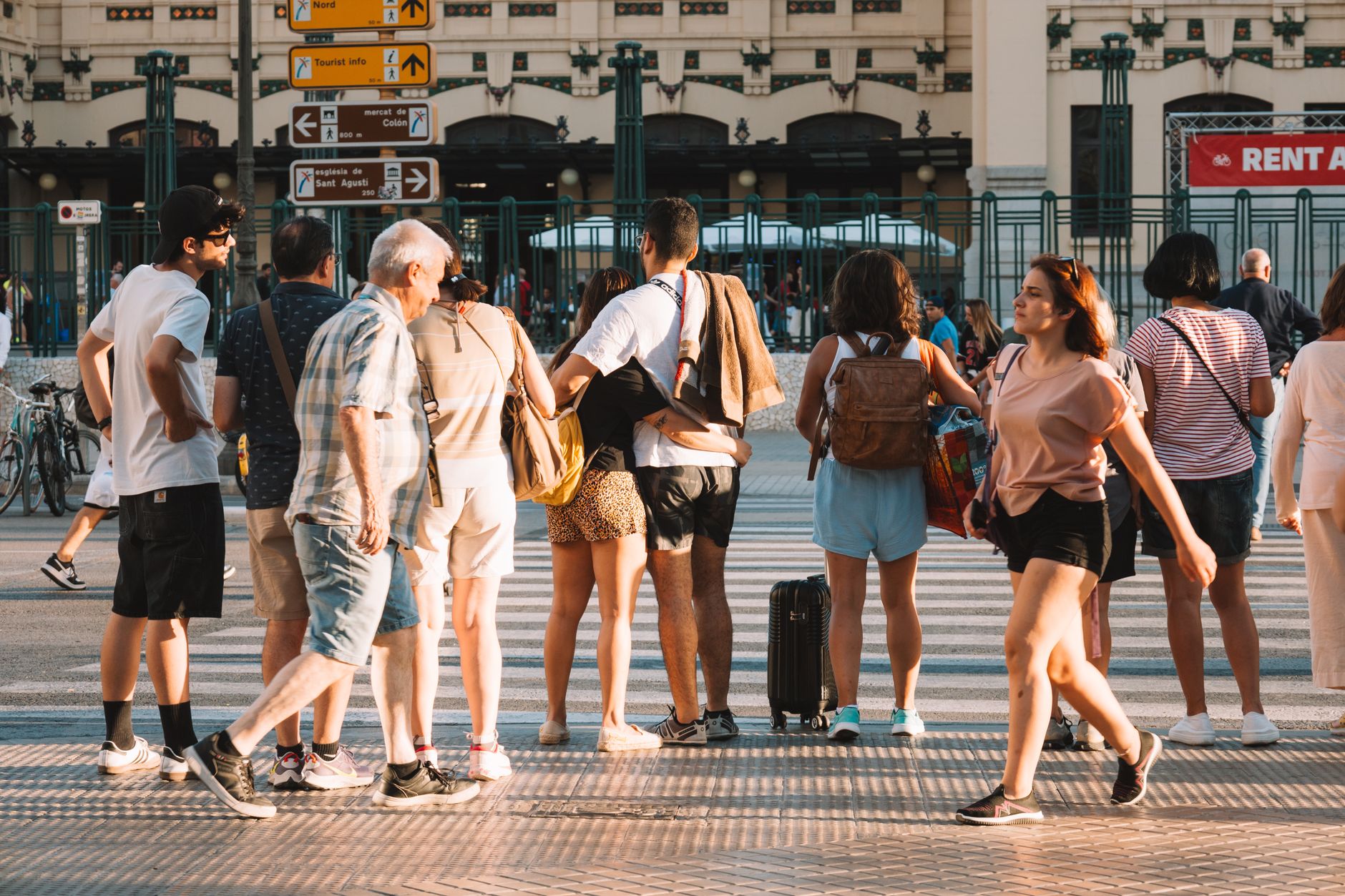
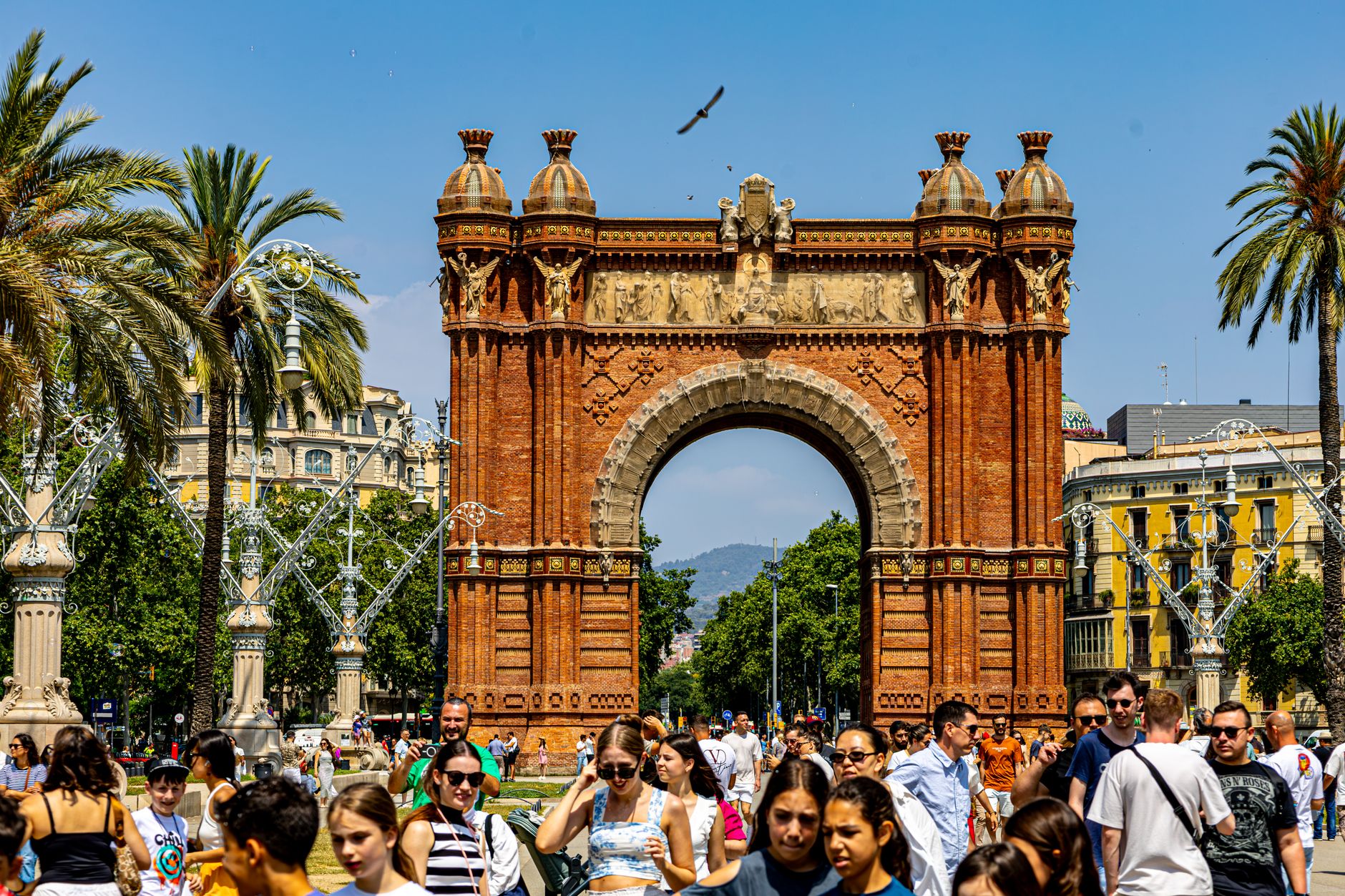
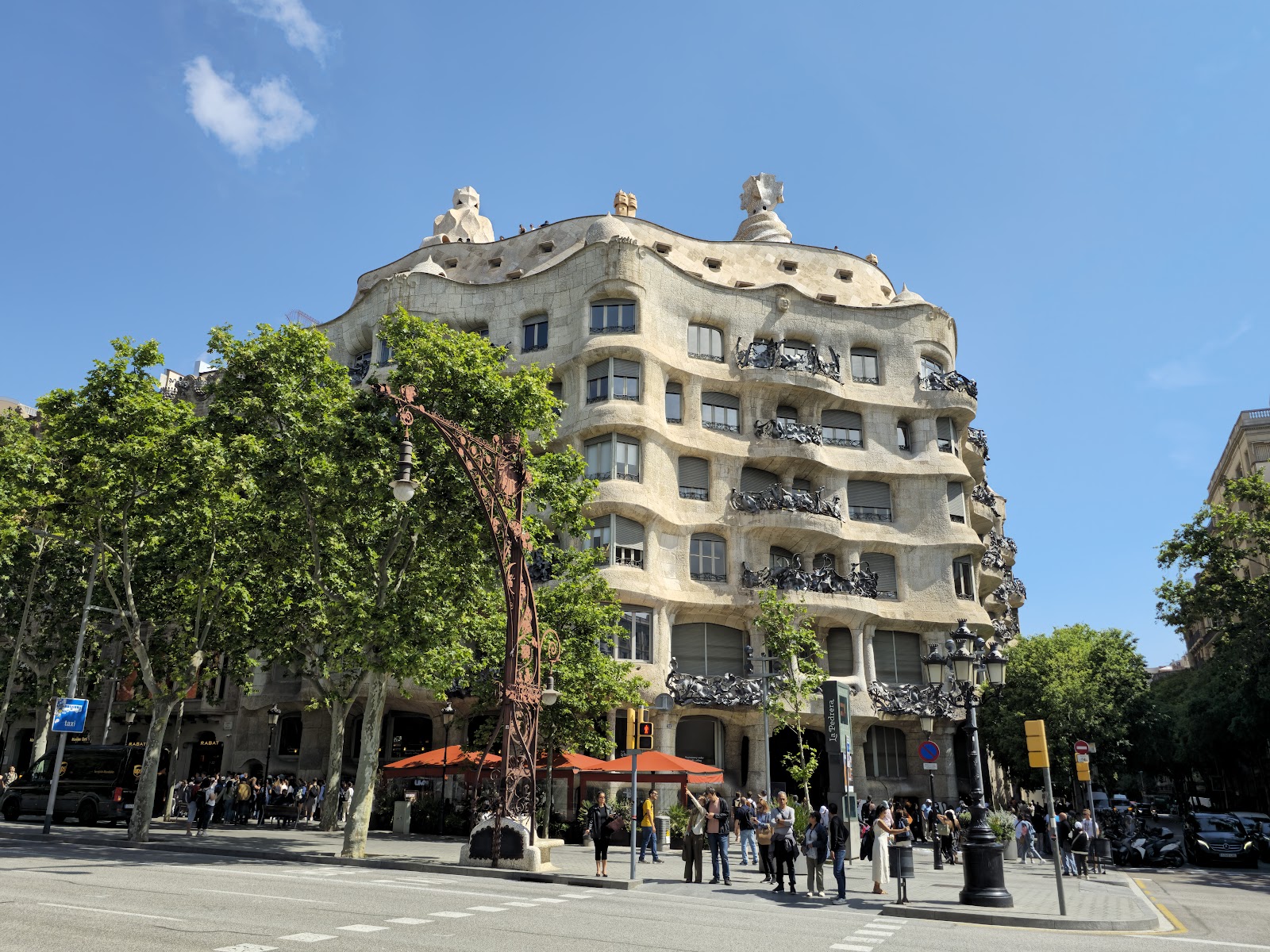
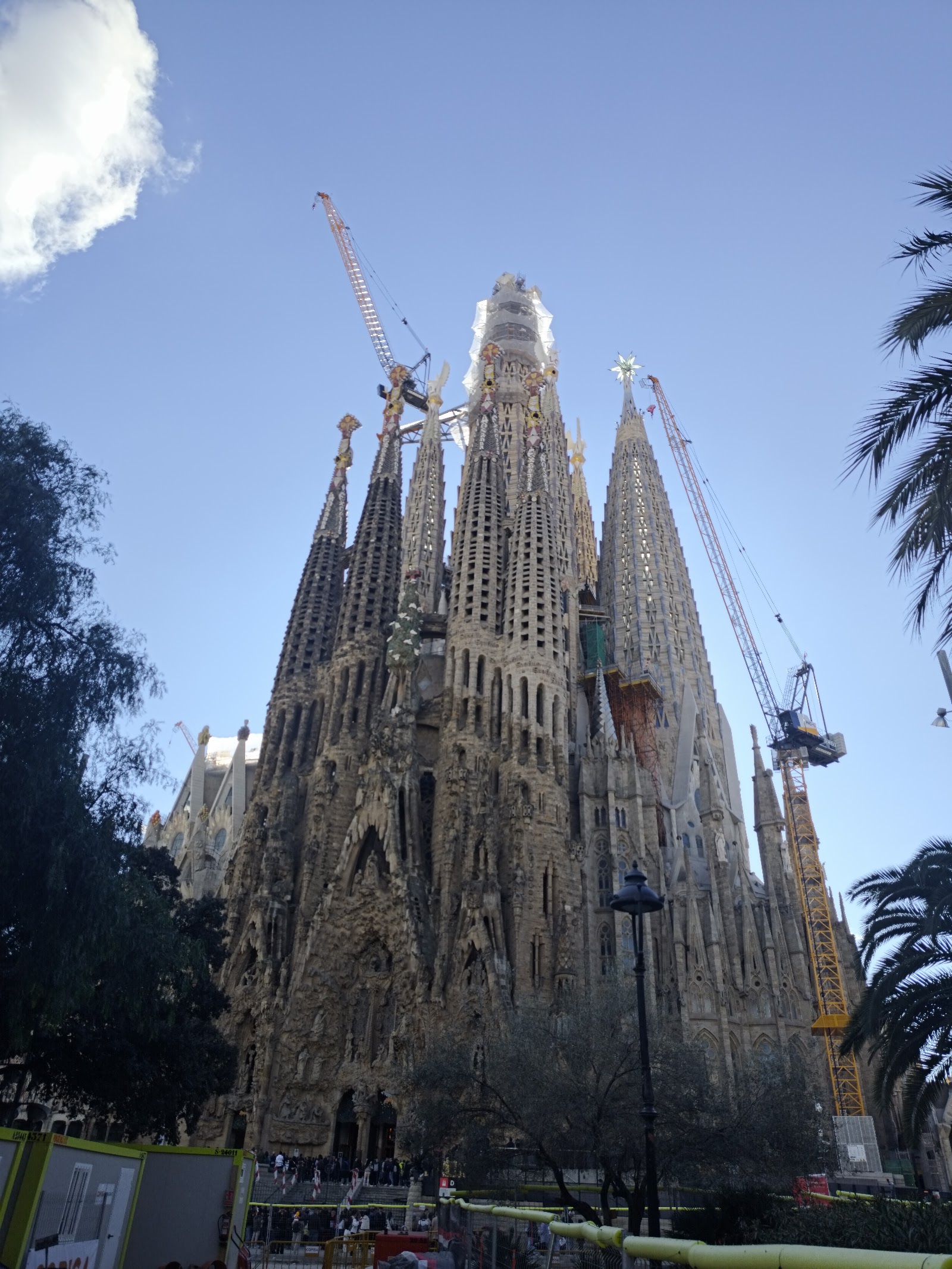
The Roman street grid is still there if you look down at the Gothic Quarter's lanes — two thousand years of city laid on top of Iberian foundations, with Gaudí's spires rising above it all like something grown rather than built. Barcelona is a place where the medieval and the modernist sit at the same table, where a 12th-century cathedral shares a neighbourhood with a basilica that won't be finished until 2026.
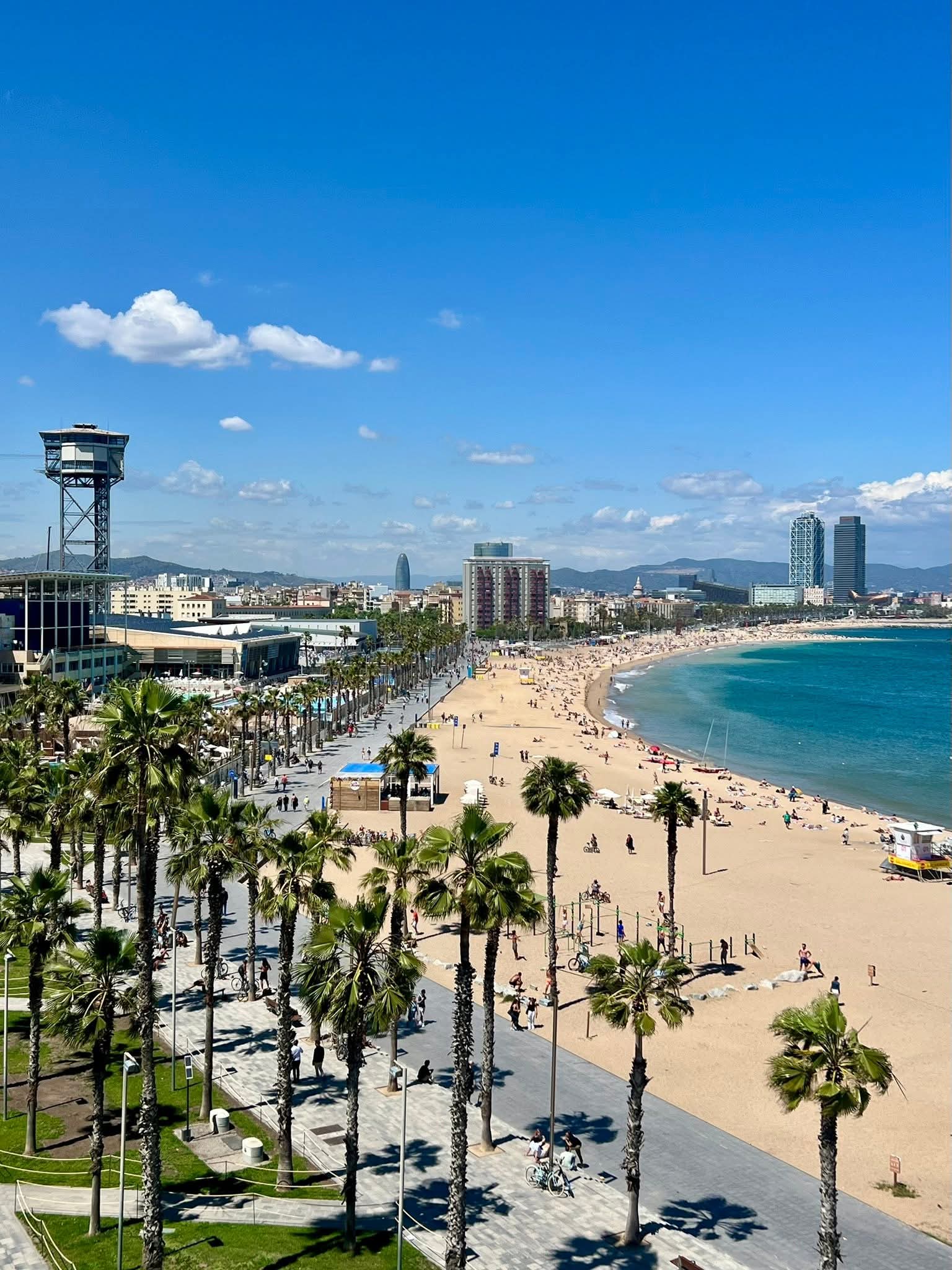
The city runs on its own logic: late lunches, a metro that goes all night on Saturdays, and a coastline that feels almost incidental to the whole thing until you actually reach it.
💛 What travellers fall for
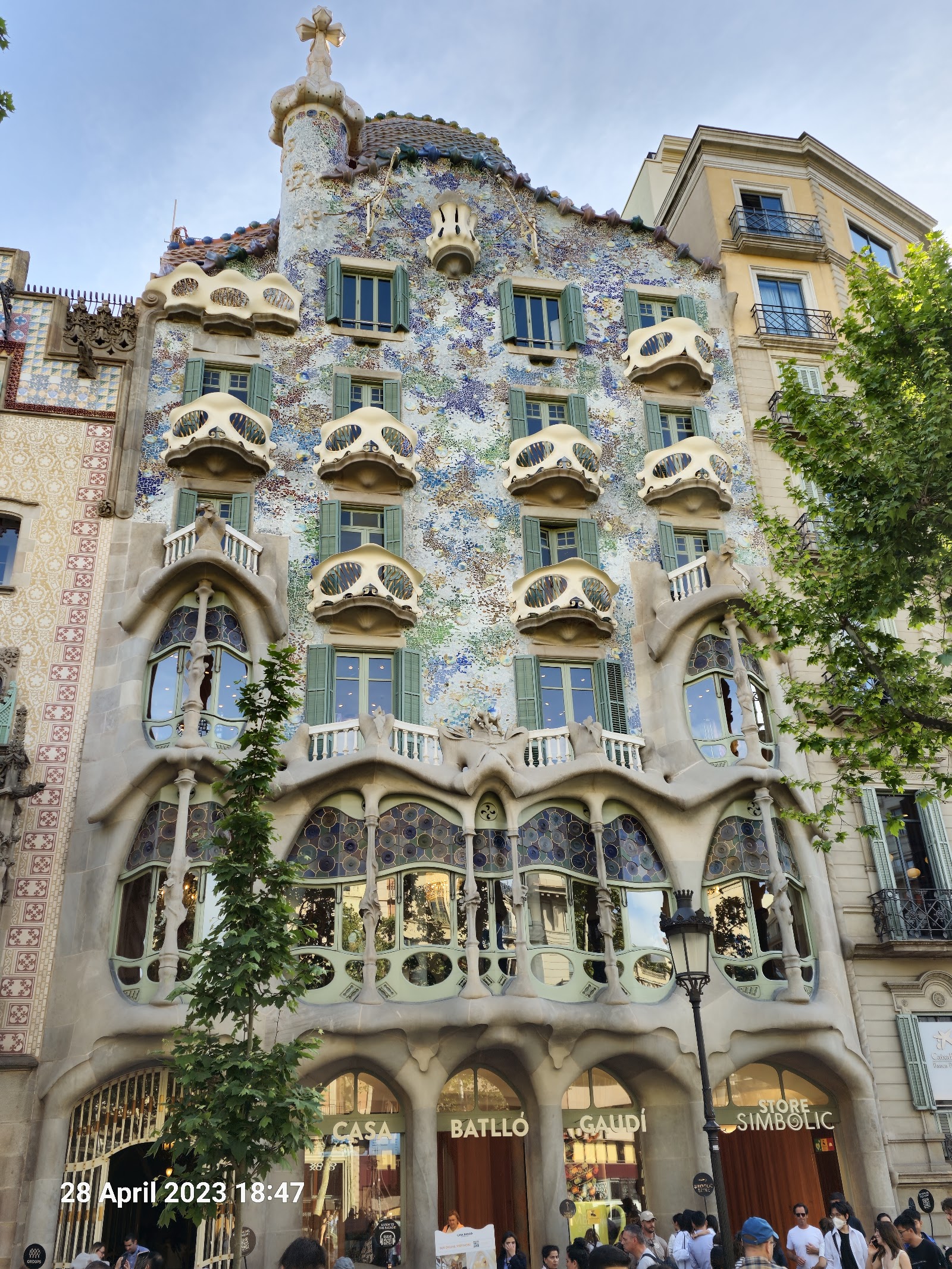
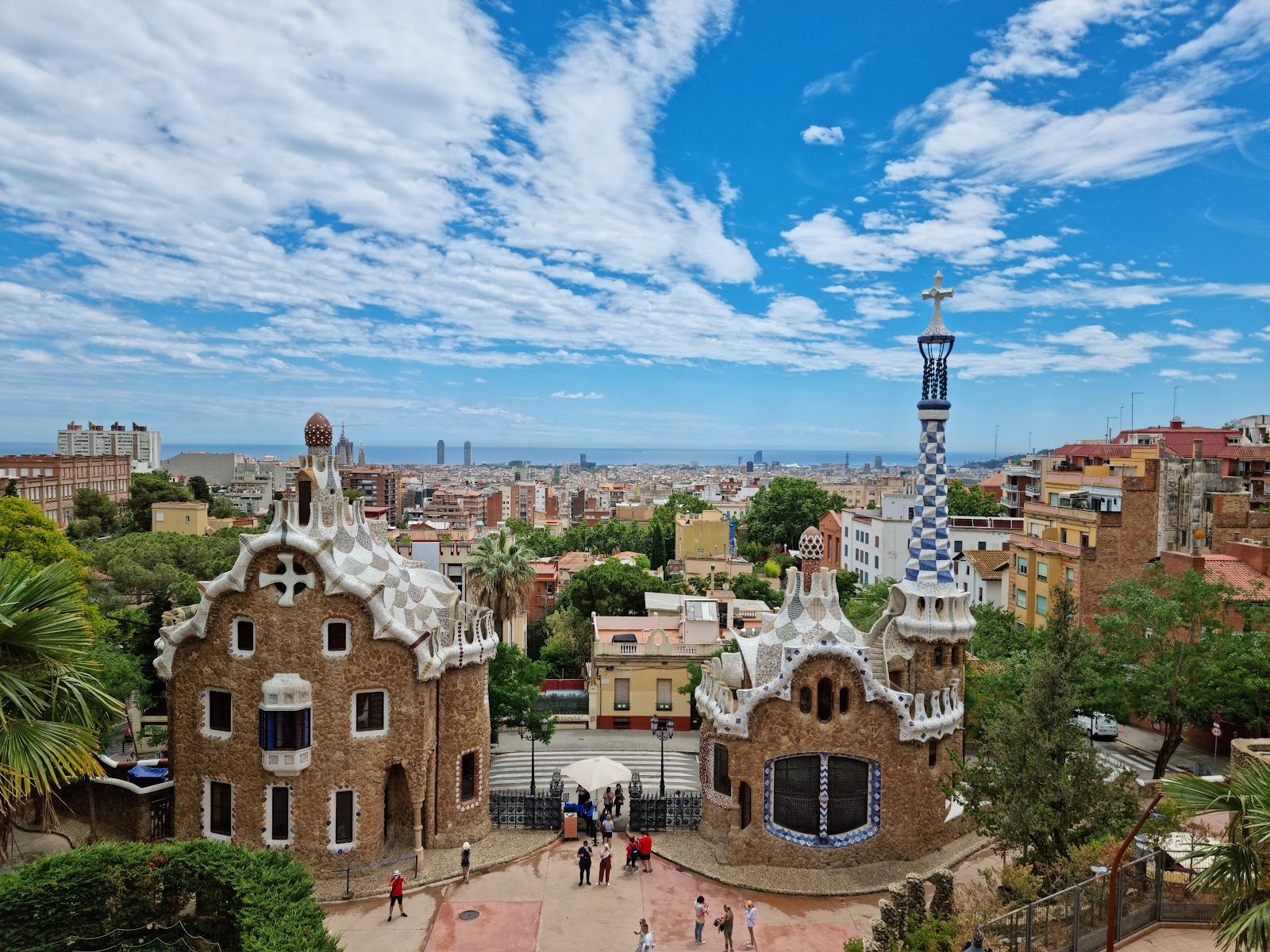
People who come back tend to agree on a few things: skip the Sagrada Família exterior crowds and book the tower lift early instead. Casa Vicens — Gaudí's first serious project, all green-and-white Mudéjar tiles — draws far fewer people than Casa Batlló on the Passeig de Gràcia. The Gaudí House Museum inside Park Güell, recently restored, is worth the extra ticket.
Experiences you don't want to miss




Deals in Barcelona
Book directly at the provider

How Barcelona came to be
The ground under Barcelona has been lived on for more than seven thousand years, but the city's traceable shape begins around 10 BC, when Emperor Augustus established the Roman colony of Barcino on a low hill above the sea. That Roman grid — still readable in the Gothic Quarter's street plan — survived the Visigoths, who briefly made the city a capital of Hispania, and the Umayyad conquest of the 8th century. Charlemagne's son Louis took it back in 801 and made it the seat of the Carolingian Hispanic March.
The city's medieval ambitions crystallised in 1137 when the County of Barcelona merged with Aragon through the marriage of Ramon Berenguer IV and Petronilla. By 1401 it had what is probably Europe's oldest public bank. The Universal Exposition of 1888 pushed the city outward; eight surrounding municipalities were absorbed in the decades that followed. The 1992 Olympics reshaped the waterfront and announced Barcelona's place in a new century.
Who and what shaped it
People who shaped it
Landmark buildings
See Barcelona in motion
Plan your visit
On the map
When to go
Spring (April–May) and autumn (September–October) bring mild temperatures and manageable crowds — the most straightforward time to be on foot all day. Summer is reliably hot and very busy; winters are cool and mostly dry, with enough clear days to make the outdoor Gaudí sites worth visiting.
Right now
↡ Attractions
Background & history adapted from Wikipedia (CC BY-SA) · specs from Wikidata (CC0) · weather from Open-Meteo · map data © OpenStreetMap contributors · photos from Wikimedia Commons / Unsplash with per-image credit. No third-party reviews or social posts reproduced.