
Gothic Quarter (Barri Gòtic)
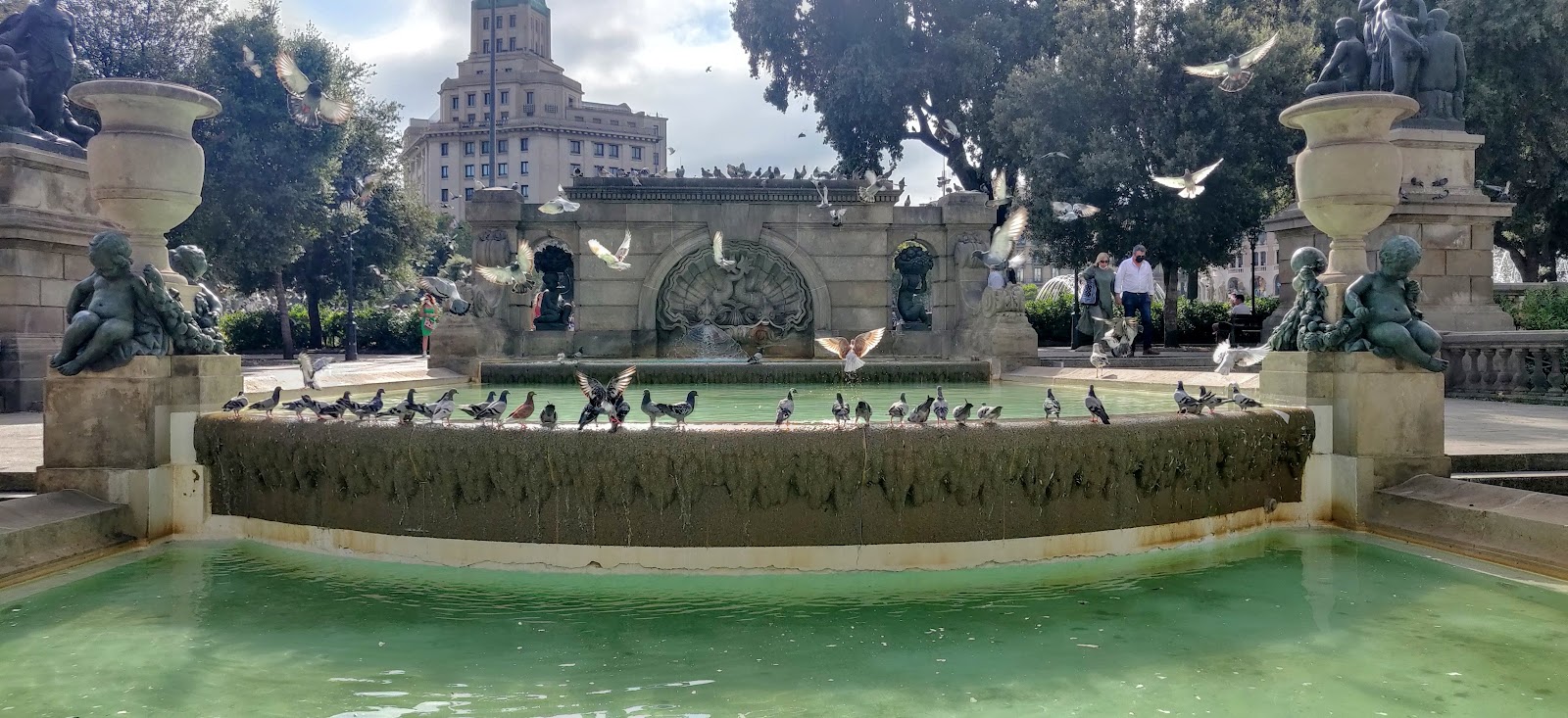
The Gothic Quarter sits on top of itself. Beneath the medieval lanes and neo-Gothic facades lies a Roman city — Barcino, founded around 15 BC — and inside a courtyard off Carrer Paradís, four Corinthian columns from the Temple of Augustus still stand nine metres tall, free to visit, almost always quiet. The streets are narrow enough that you can touch both walls with outstretched arms, and they open without warning into squares where the city suddenly exhales.
What makes the quarter strange and worth understanding is that much of what looks medieval was rebuilt or invented between 1882 and the 1960s, in preparation for the 1929 International Exhibition and in the decades after. The Cathedral's Gothic façade wasn't completed until 1913. The bones are old; the skin is often newer than it appears.
💛 What travellers fall for
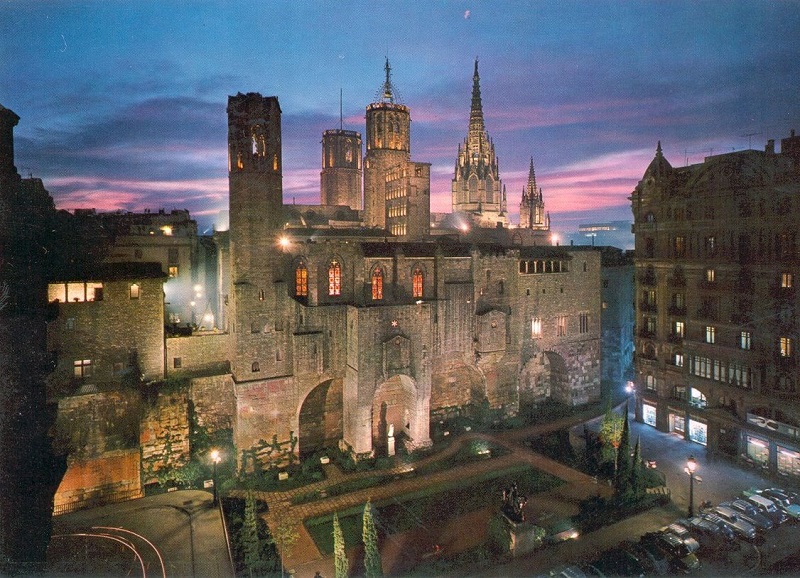
People who come back tend to arrive early at the Cathedral courtyard to catch the 13 white geese before the crowds arrive, and they find their way to Plaça Sant Felip Neri — a small square with shrapnel scars still visible on the church walls, a reminder of the 1938 bombing that killed 42 civilians, mostly children. Bring a coin for the Synagogue Major on Carrer Marlet.
The story behind Gothic Quarter (Barri Gòtic)
The Romans founded Barcino here around 15 BC, and the quarter has been continuously inhabited ever since. A Christian cathedral was established by the 4th century; the current Cathedral of the Holy Cross and Saint Eulalia was begun in the 13th century and completed in the 15th, though its familiar façade — rebuilt by Josep Oriol Mestres and August Font i Carreras — was only finished in 1913. The Jewish community, centred on what is now the Call, maintained one of Europe's oldest synagogues until 1391, when pogroms destroyed the quarter entirely.
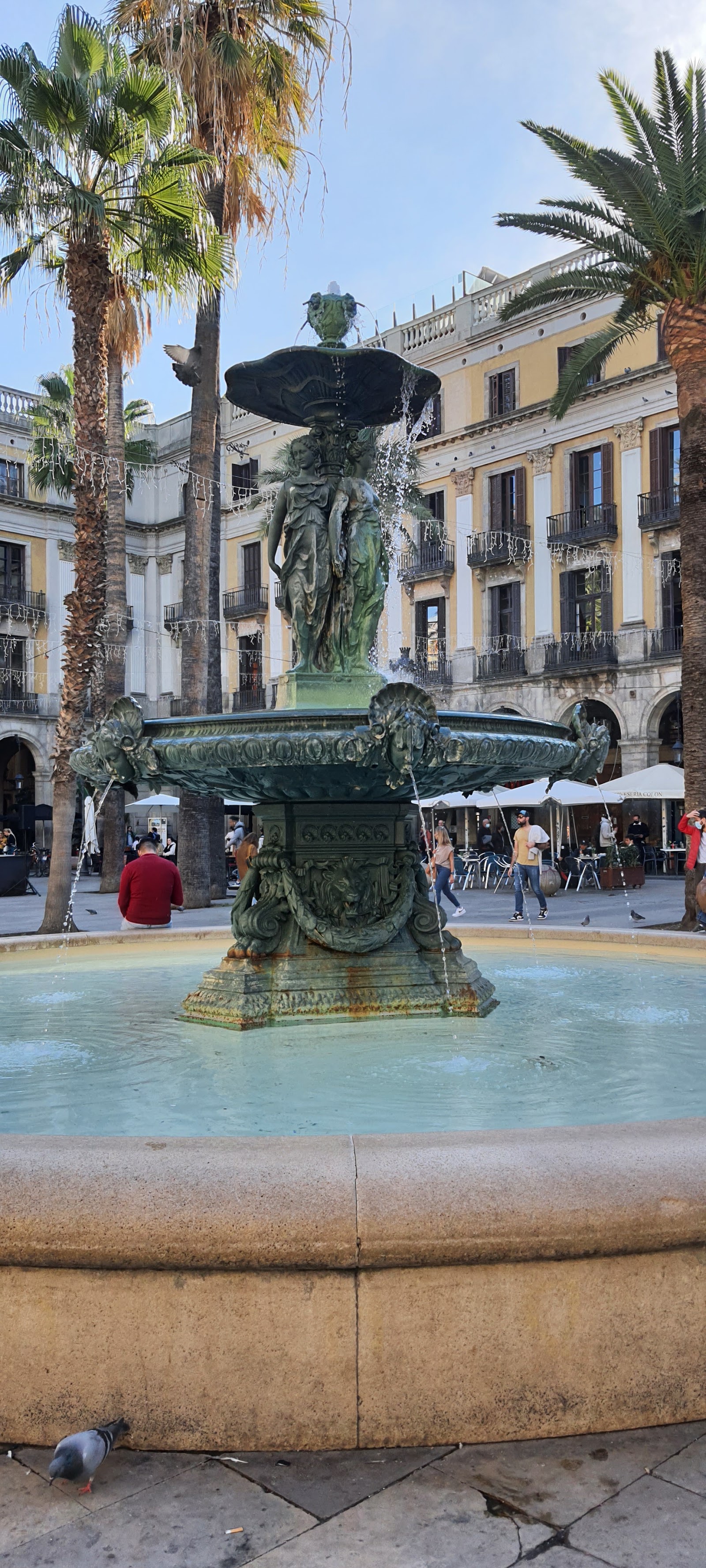
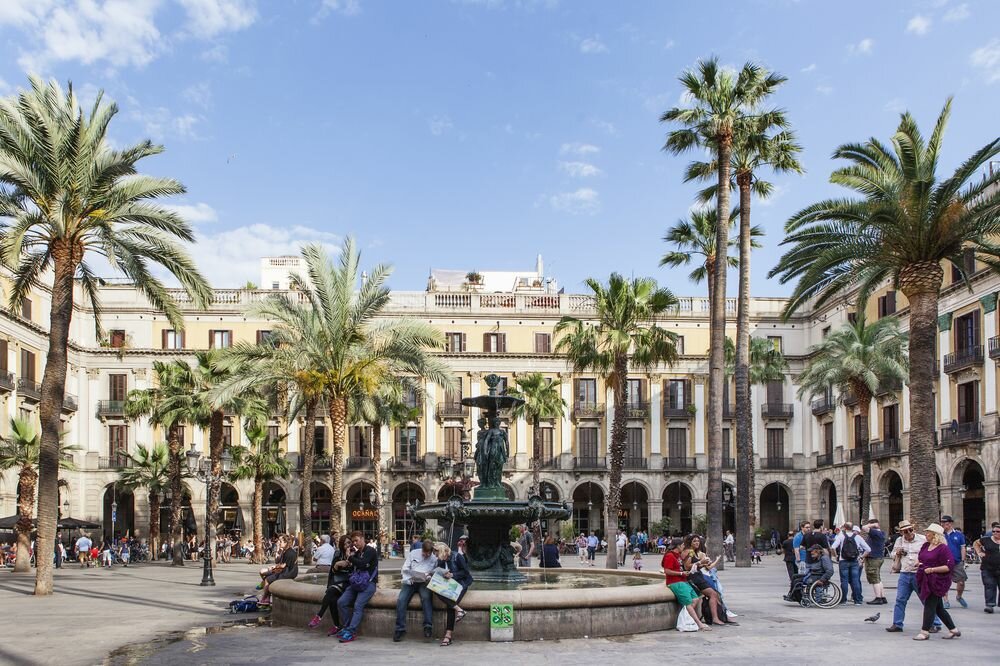
Much of what stands today is the result of a sweeping late-19th and early-20th century restoration campaign. Joan Rubió's Pont del Bisbe bridge dates to 1928; the Casa Padellàs, built around 1500, was physically relocated stone by stone to Plaça del Rei in 1931, where it now houses the City History Museum. Antoni Gaudí contributed the lampposts in Plaça Reial, cast in 1878 — one of his earliest commissions.
Good to know
Take the Metro to Liceu (Line 3) from the La Rambla side or Jaume I (Line 4) to enter from Via Laietana. April through June and September through October offer the most manageable temperatures and thinner crowds. Give it a full day minimum; the quarter rewards getting lost rather than ticking sites.
Summer days run hot and dry, often above 25°C, with strong sun in the open squares; the narrow streets offer shade but hold the heat. Spring and autumn are the most comfortable seasons for walking — mild temperatures, occasional showers, and mornings that feel genuinely cool before the city warms up.
Where is Gothic Quarter (Barri Gòtic)?
Location
- In Barcelona
- 41.3833, 2.1762
- Open in Google Maps
More tickets & tours for Gothic Quarter (Barri Gòtic)
Book directly at the provider
More of Barcelona
Discover where to stay, what to do and the best deals for your trip.
Explore Barcelona →More attractions in Barcelona
All of Barcelona →
Background adapted from Wikipedia (CC BY-SA) · map data © OpenStreetMap contributors · ratings & place photos via Google · other photos with per-image credit. Ticket links may earn us a commission at no extra cost to you.