
La Rambla
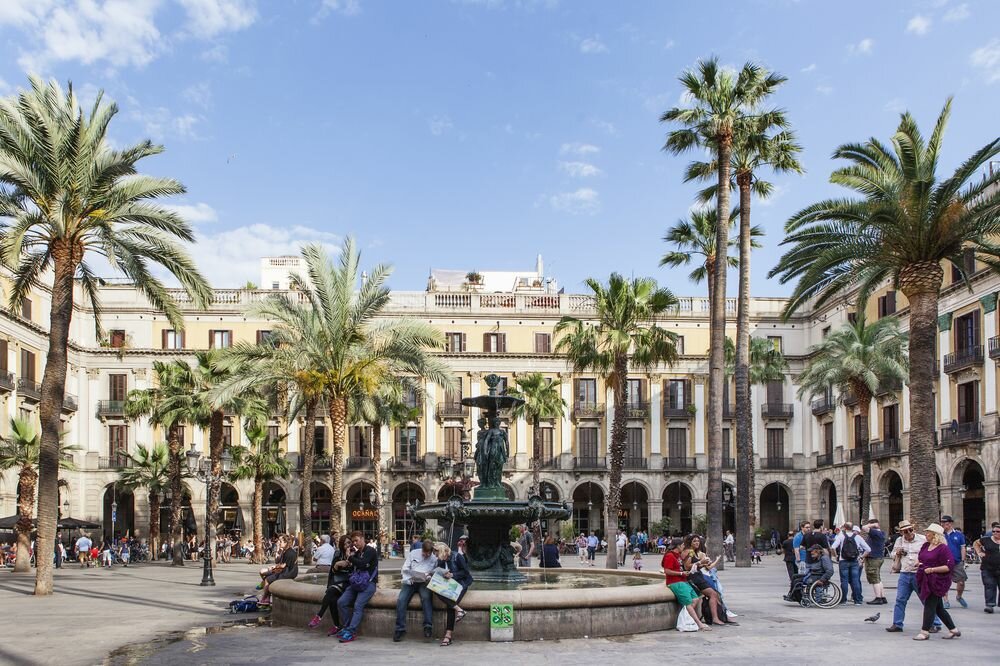
The paving beneath your feet on La Rambla is designed to ripple like water — a quiet reference to the medieval stream that once ran here before the city walls swallowed it into stone and street. That detail is easy to miss when you're threading through the crowds, but it rewards the person who looks down.
Stretching 1.2 kilometres from Plaça de Catalunya to the Christopher Columbus Monument at Port Vell, this is the spine Barcelona has always returned to: for festivals, markets, arguments, and grief. The 2017 van attack that killed sixteen people is part of this street's story too, written into it as indelibly as the Miró mosaic outside the Liceu metro stop.
💛 What travellers fall for
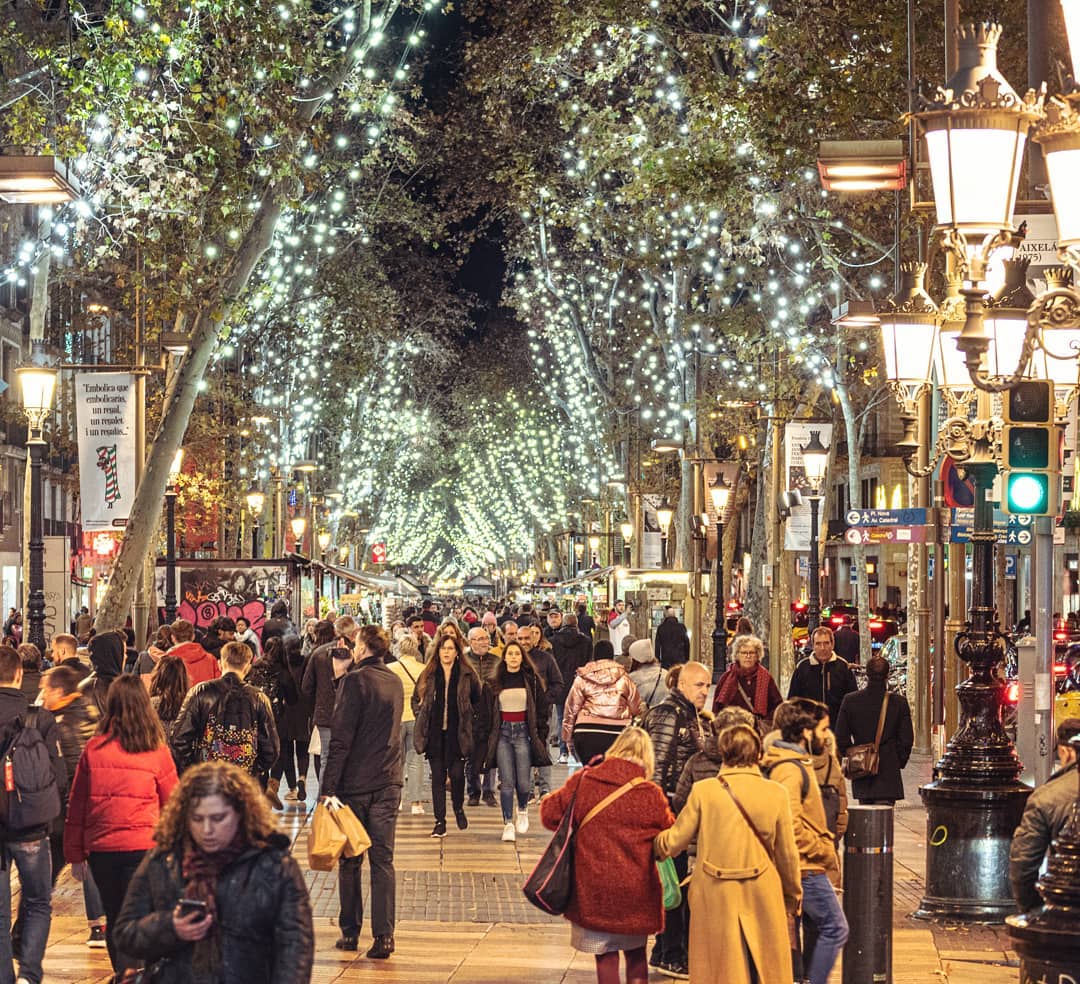
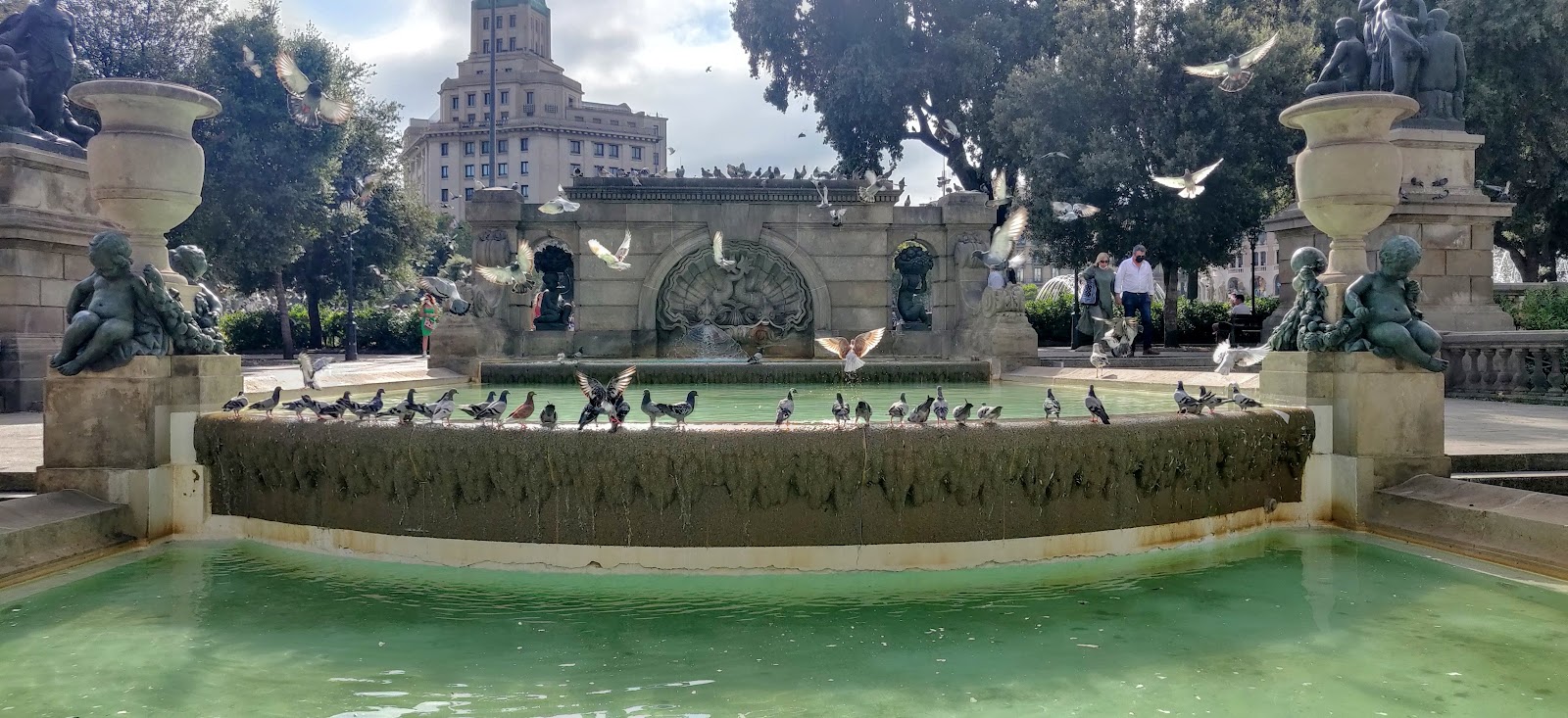
People who know it well tend to walk it early — before 9am, when the tree canopy does most of the work and the flower stalls are just opening. They stop at Font de Canaletes, the 15th-century drinking fountain near the Catalunya end, and they know that the Joan Miró mosaic underfoot by Liceu is easy to step over without ever registering it.
The story behind La Rambla
La Rambla began as a seasonal watercourse running outside Barcelona's medieval walls. When new city walls were built in 1377 and the stream was diverted in 1440, the dry bed slowly became a thoroughfare. Religious orders moved in along its edges — a Jesuit monastery in 1553, then Carmelite and Capuchin establishments — and by 1703 the first trees had been planted: 280 birch, later replaced by elms. The promenade as a formal public space dates to 1766.
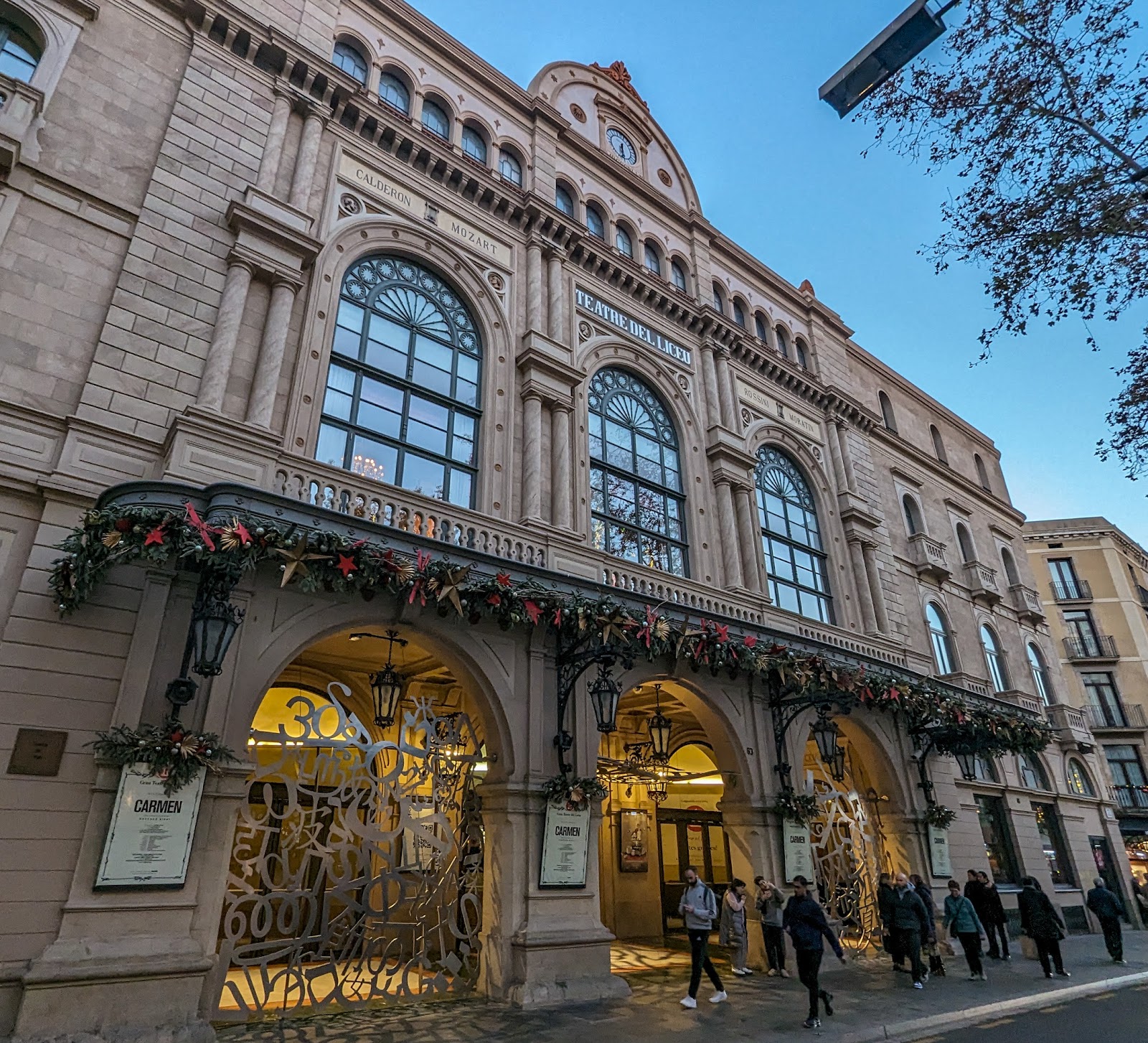
The 19th century brought the Liceu opera house (1847), La Boqueria's permanent market site (1836), and the Columbus Monument, inaugurated for the 1888 World's Fair. The St. James's Night riots of 1835 burned several of the monasteries; the Spanish Civil War brought artillery fire. George Orwell and his wife lived through some of that war at Hotel Continental, a block from where you're standing.
Good to know
Three metro stations (Catalunya, Liceu, Drassanes) sit directly beneath the promenade on Line L3 — pick your entry point by what you want to see first. La Boqueria opens Monday to Saturday; arrive before 10am if you're buying rather than just looking. A renovation is underway and due to finish in 2027, so expect some sections to be narrowed or rerouted.
La Rambla is exposed and south-facing, which makes summer afternoons genuinely hot and the shade of the plane trees worth seeking. Spring and autumn give you the most comfortable walking weather; winter is mild by northern European standards but can turn wet and windy off the port.
Where is La Rambla?
More tickets & tours for La Rambla
Book directly at the provider
What travellers say about La Rambla
Another enjoyable visit to this lovely city, but it is rather dirty with some unpleasant smells! Moving on, it has some really interesting architecture and places to visit.
Love this little place. I felt really relaxed here even with a lot going on. The people are fun and the stores are great. I played pokemon here too.
Cool place to visit as a tourist but beware as there are sketchy alleyways surrounding this market
Road works everywhere. Very hard to manoeuvre. They should be (in my opinion) doing these in sections to avoid large scale disruption. It was very hard to appreciate the street and it's many beautiful buildings and sights.
We were there during the first week of November 2025 and the entire street is being renovated, pavers were being replaced, lots of construction so no artists or dancers. The market was great though!
More of Barcelona
Discover where to stay, what to do and the best deals for your trip.
Explore Barcelona →More attractions in Barcelona
All of Barcelona →
Background adapted from Wikipedia (CC BY-SA) · map data © OpenStreetMap contributors · ratings & place photos via Google · other photos with per-image credit. Ticket links may earn us a commission at no extra cost to you.