
Community of Madrid
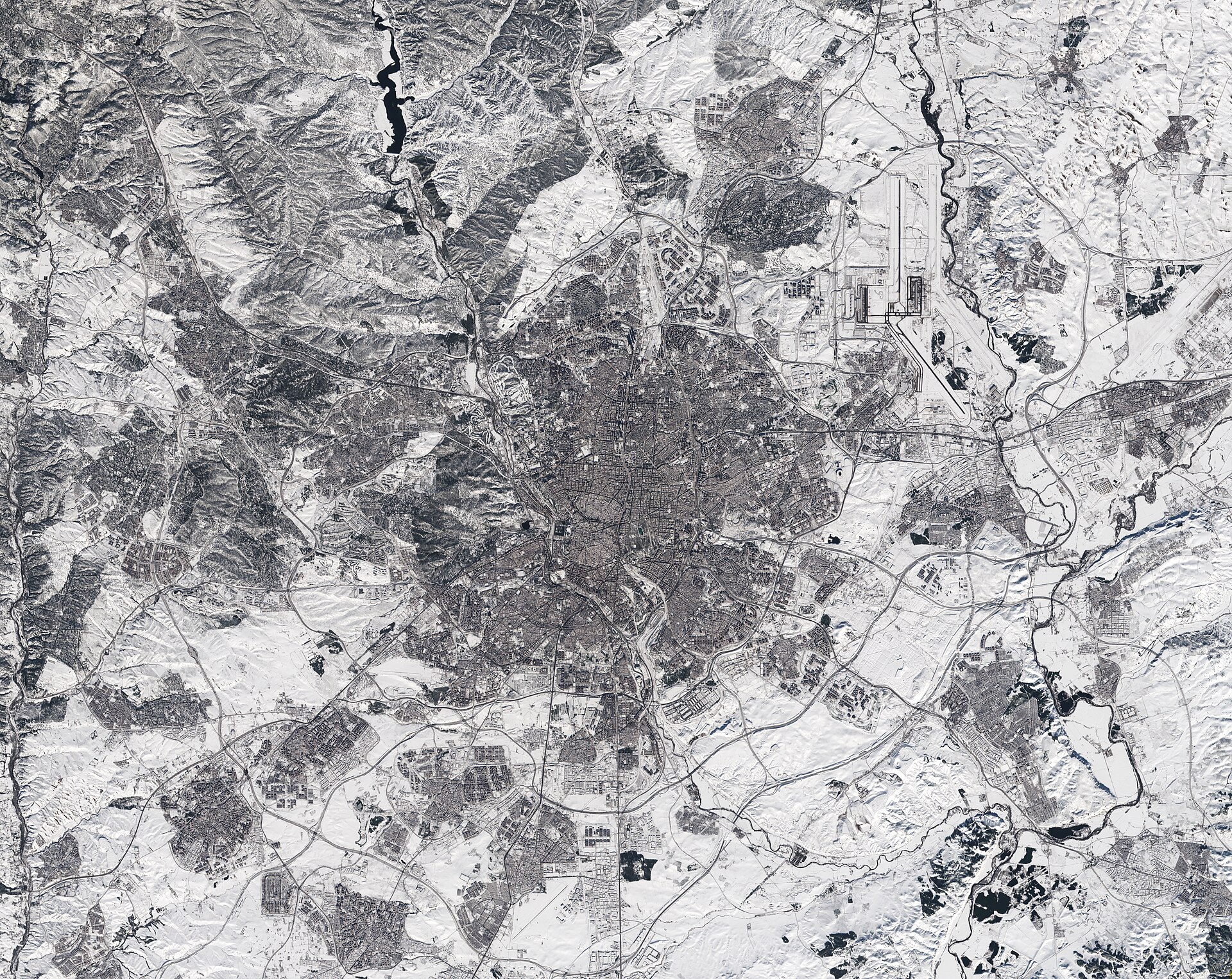


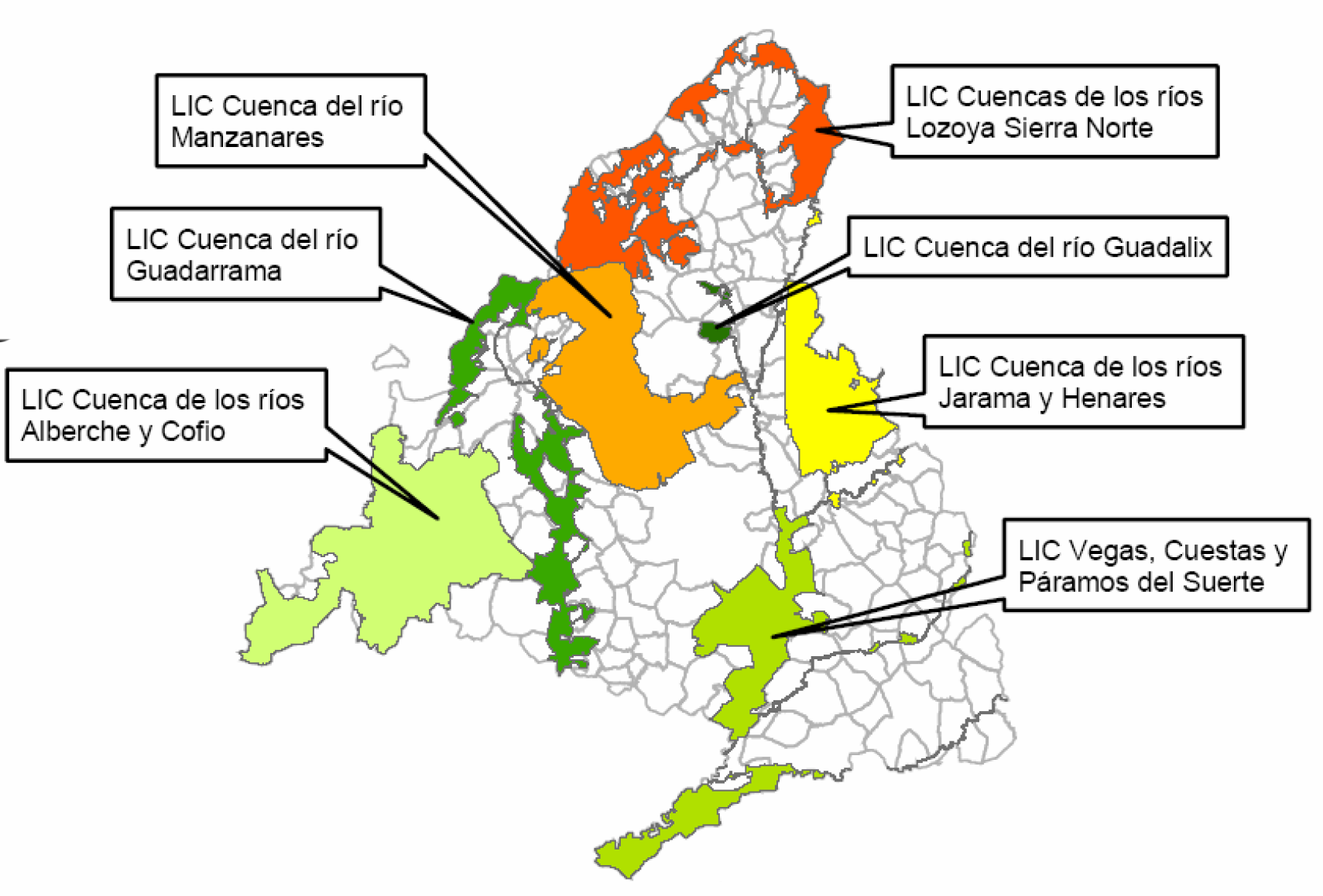
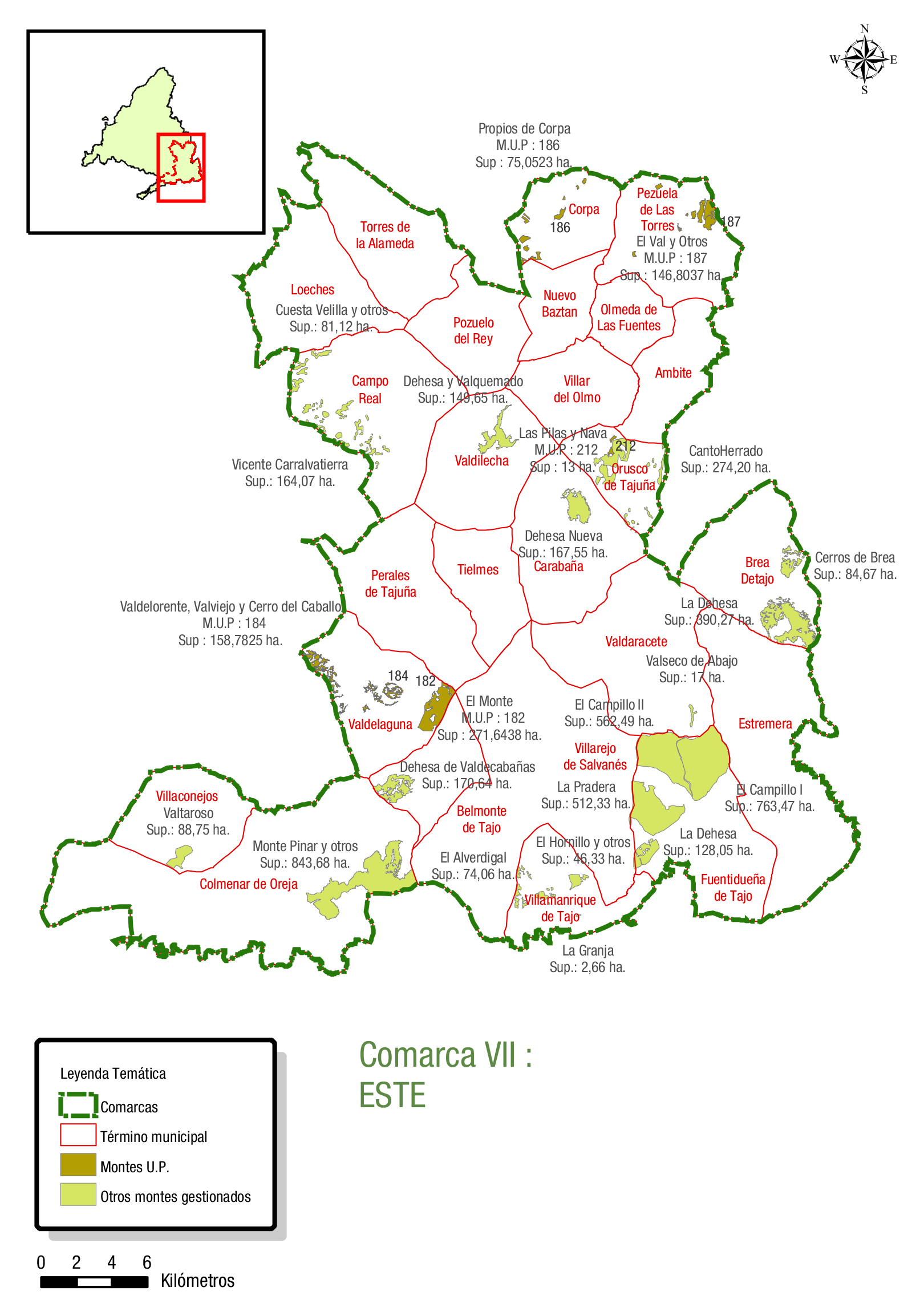

The Community of Madrid sits almost exactly at the geographic centre of the Iberian Peninsula, a fact that has shaped everything about it — from the logic of its road network, which still radiates outward like spokes from a wheel, to the particular dryness of its air at 650 metres above sea level. Within its borders you get the capital city itself, four UNESCO World Heritage Sites, and a sierra that holds snow well into spring.
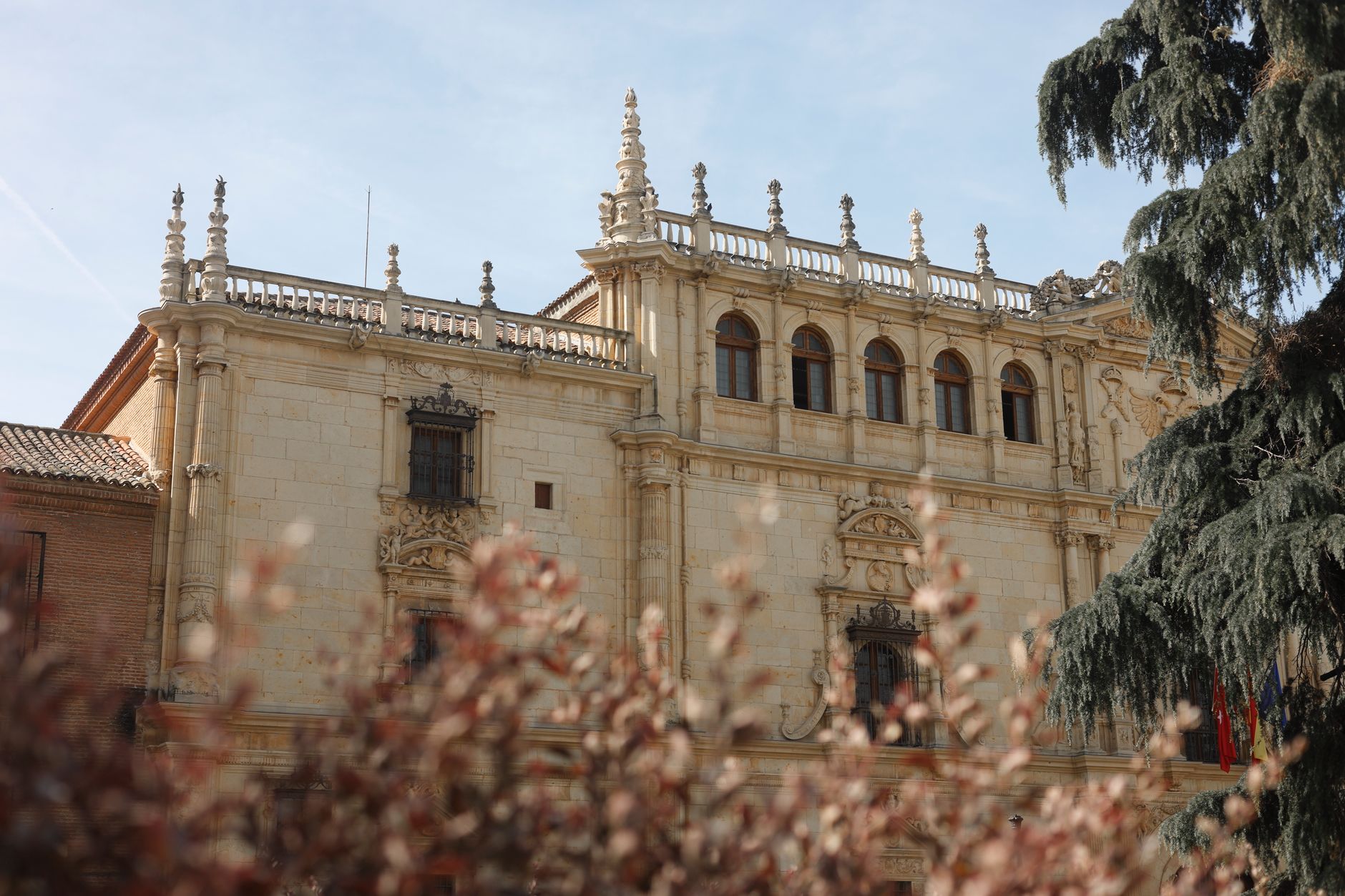
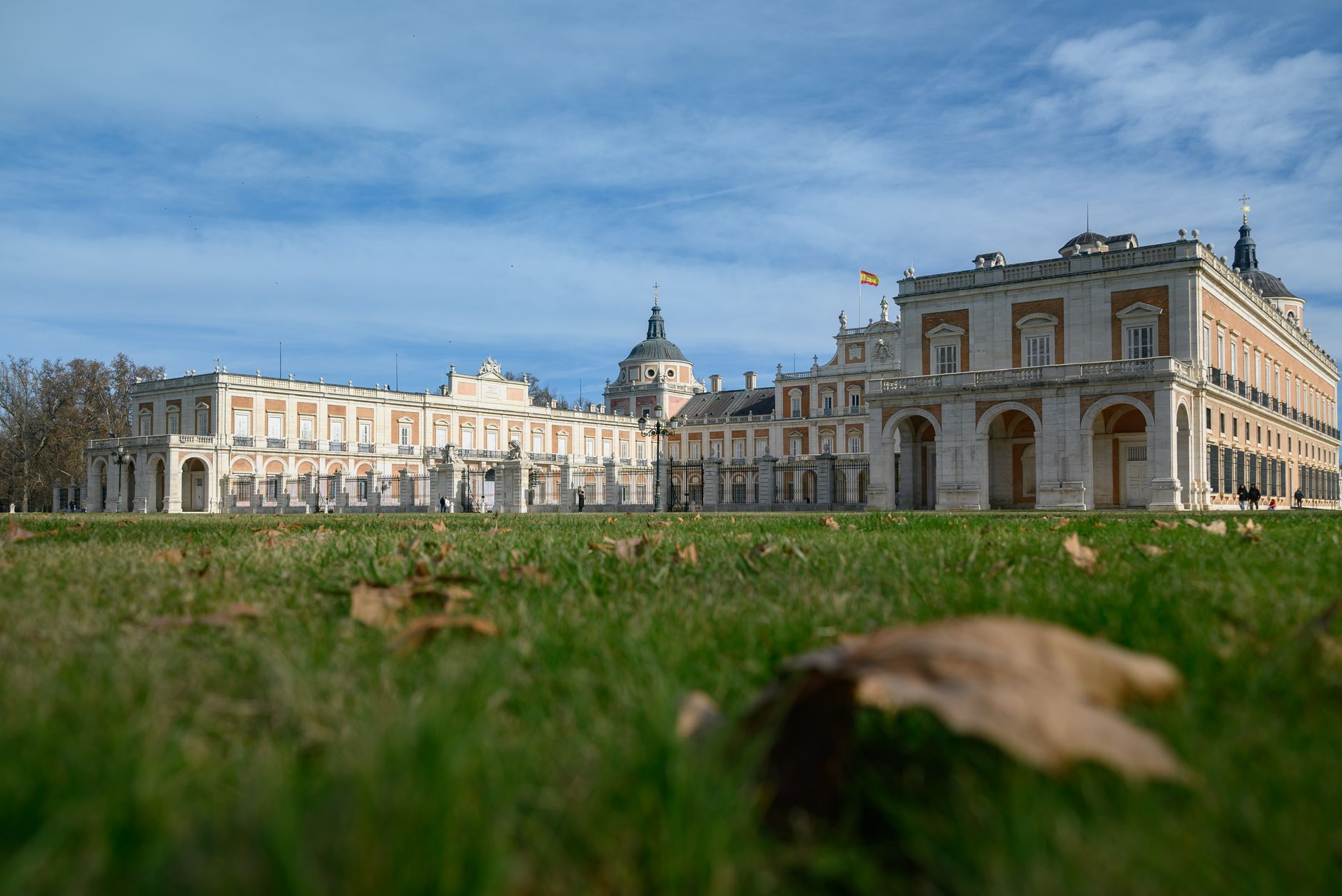
This is a region that functions as Spain's connective tissue: government, culture, finance and a metro system of more than 300 stations all concentrate here. But the texture is more varied than that summary suggests — monastery towns, a university city older than the capital's own prominence, and a river landscape at Aranjuez that reads almost like a different country.
Popular cities in Community of Madrid
Experiences you don't want to miss


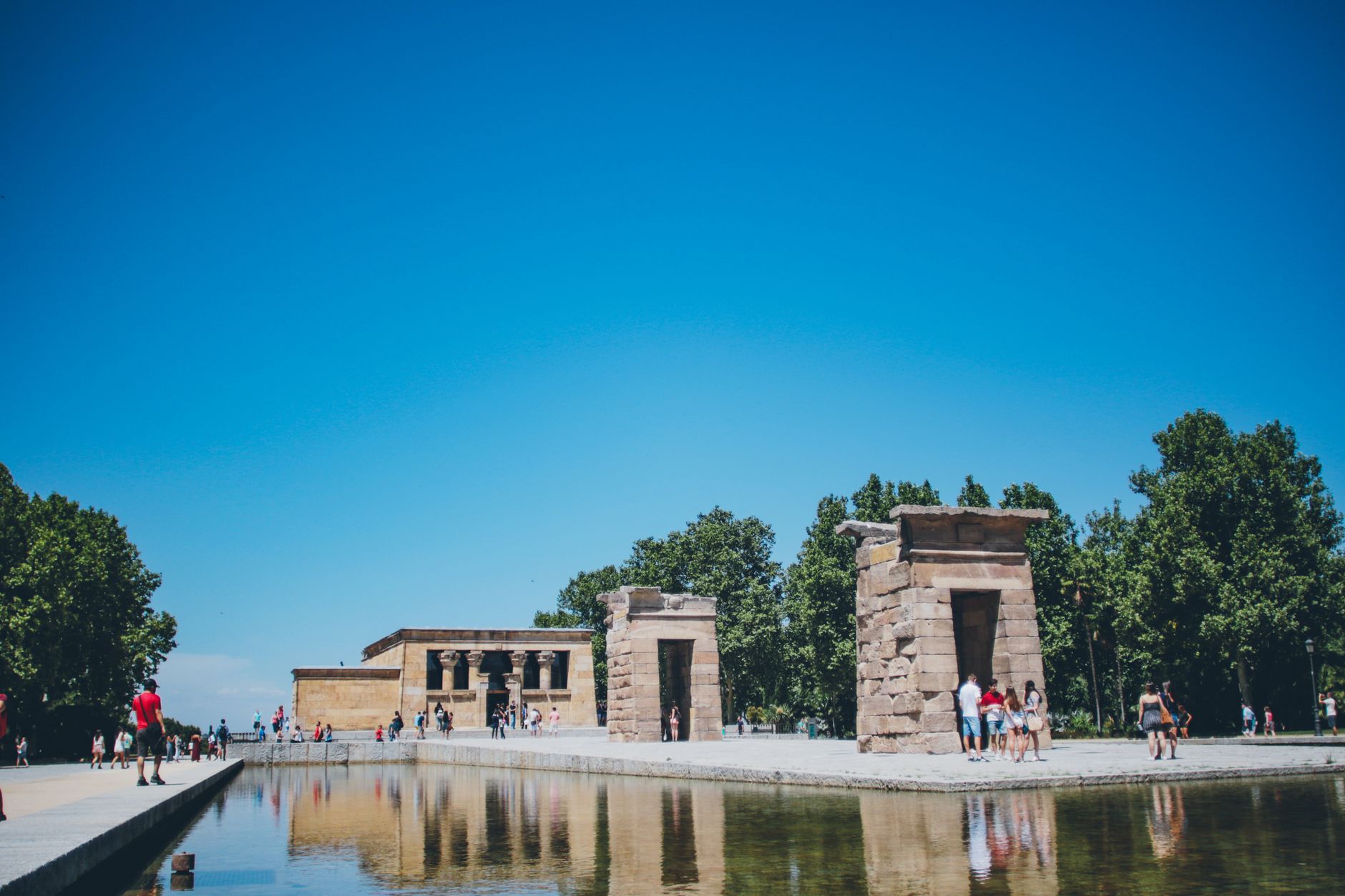


How Community of Madrid came to be
Madrid's origin is a military one: a walled fortress called Mayrit was built somewhere between 860 and 880 AD as a lookout position, and the settlement that grew around it remained a modest town for centuries. Alfonso VI brought it into Castilian hands in the 1080s, but the decisive moment came in 1561, when Philip II chose Madrid as the fixed seat of the Hispanic Monarchy — less for its prestige than for its position at the centre of everything.
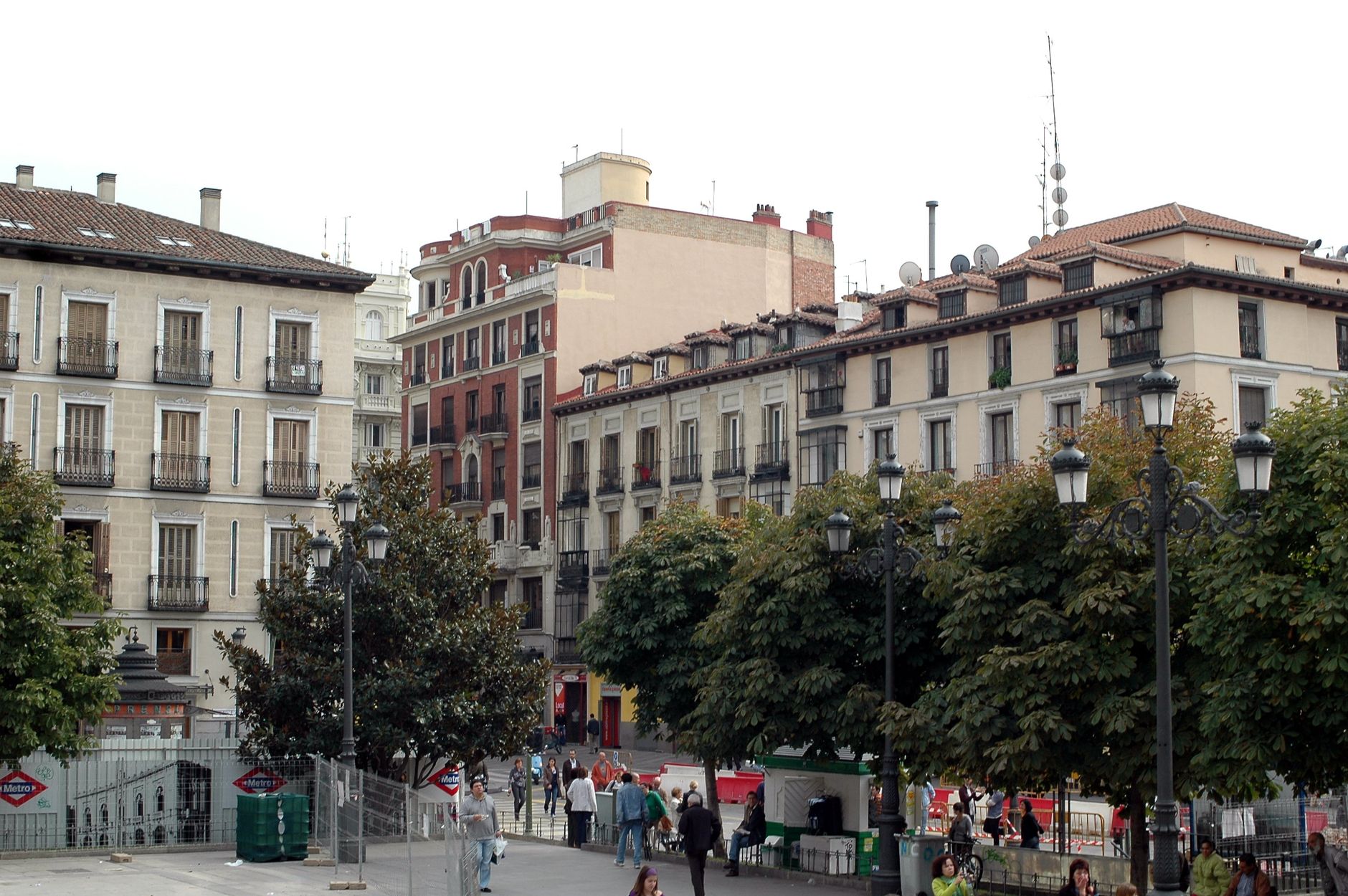
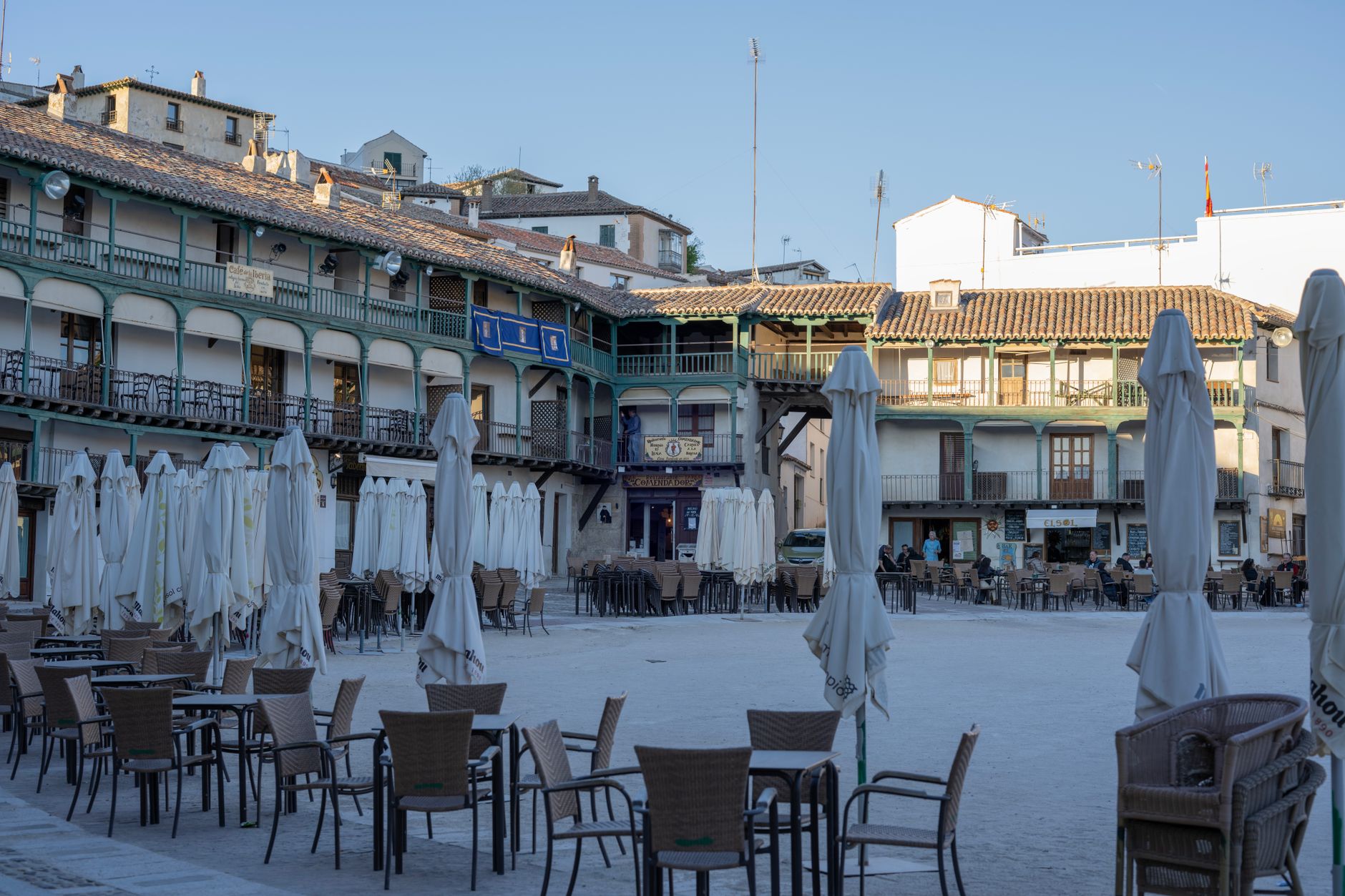
The 17th and 18th centuries left the city's architectural bones: Plaza Mayor completed in 1619, the building that now houses the Reina Sofía opened as a General Hospital, the Puerta de Alcalá rising in the 18th century alongside the original Prado, built as a natural science museum. The Community of Madrid as a formal administrative entity is far newer — its Statute of Autonomy was approved on 25 February 1983, making it one of Spain's single-province autonomous communities, a status granted under Article 144 of the Constitution in the national interest.
Who and what shaped it
People who shaped it
Landmark buildings
See Community of Madrid in motion
Plan your visit
On the map
When to go
Winters are cold with nights near freezing and occasional snow, but clear mild days are common; summers are hot and dry with a sharp drop in temperature after sunset — a light layer is useful even in July. Spring, particularly May, and early autumn offer the most forgiving conditions for time spent outdoors.
Right now
↡ Cities


No places match these filters.
Background & history adapted from Wikipedia (CC BY-SA) · specs from Wikidata (CC0) · weather from Open-Meteo · map data © OpenStreetMap contributors · photos from Wikimedia Commons / Unsplash with per-image credit. No third-party reviews or social posts reproduced.