
Alcobendas
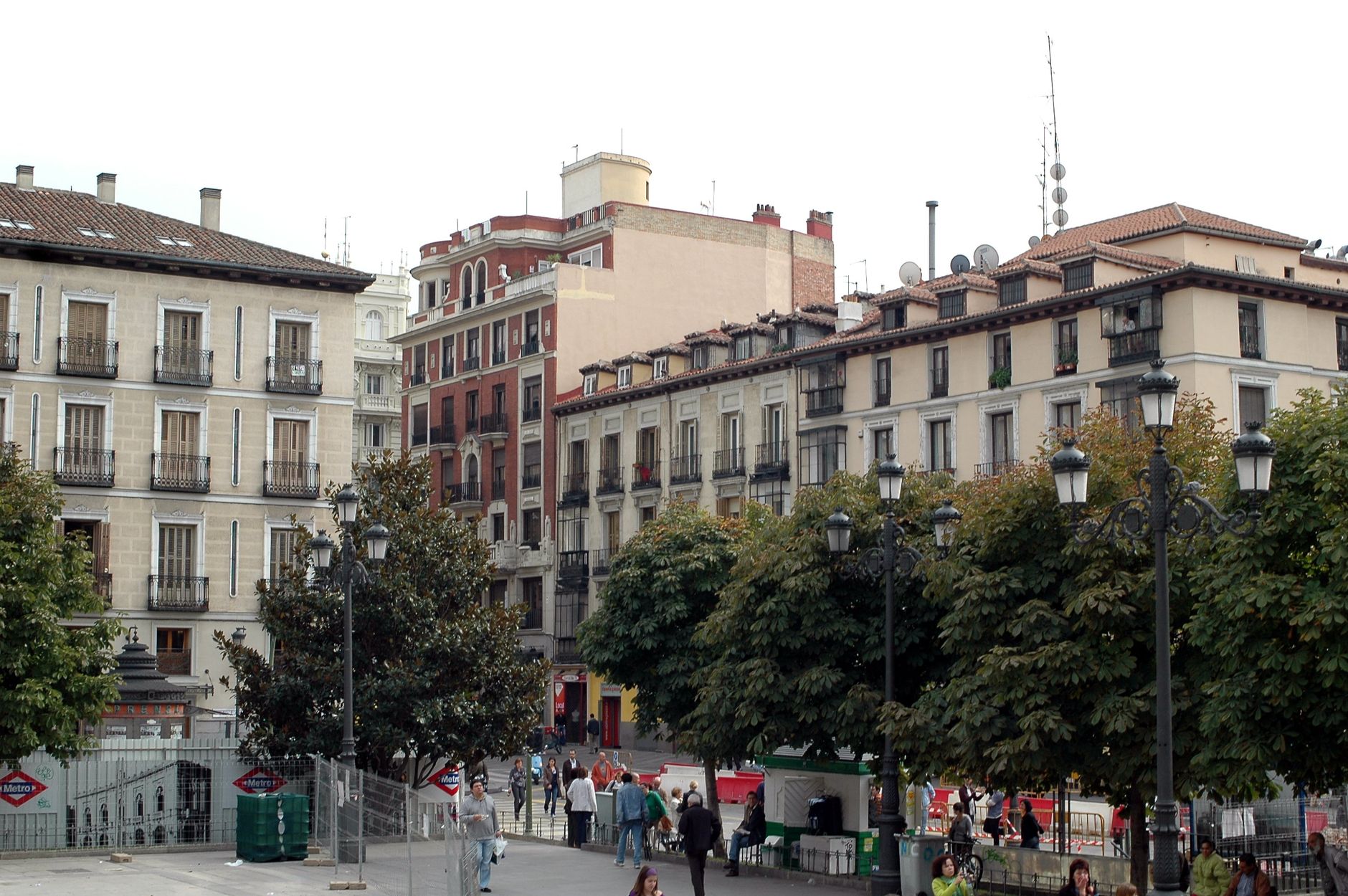
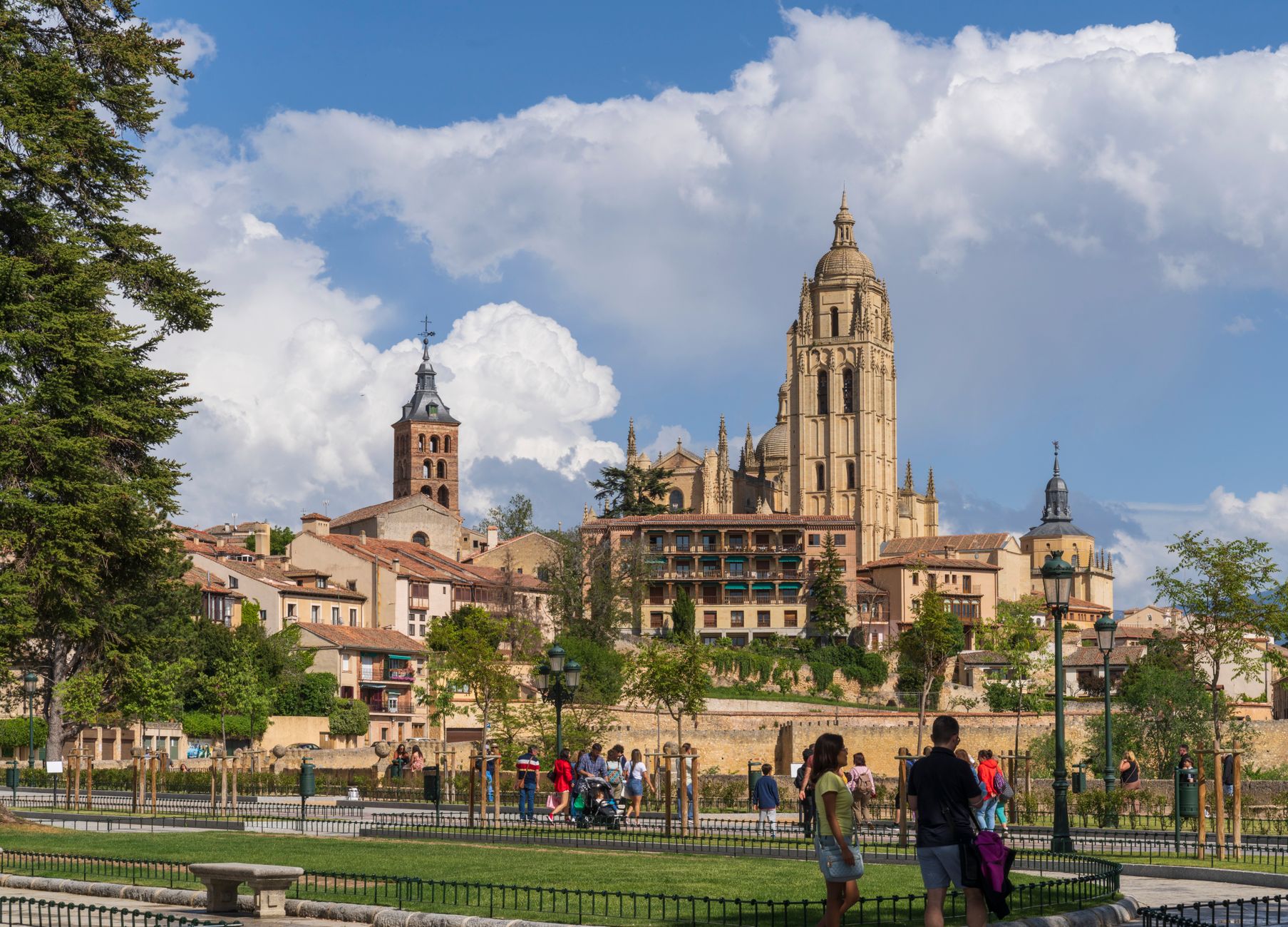
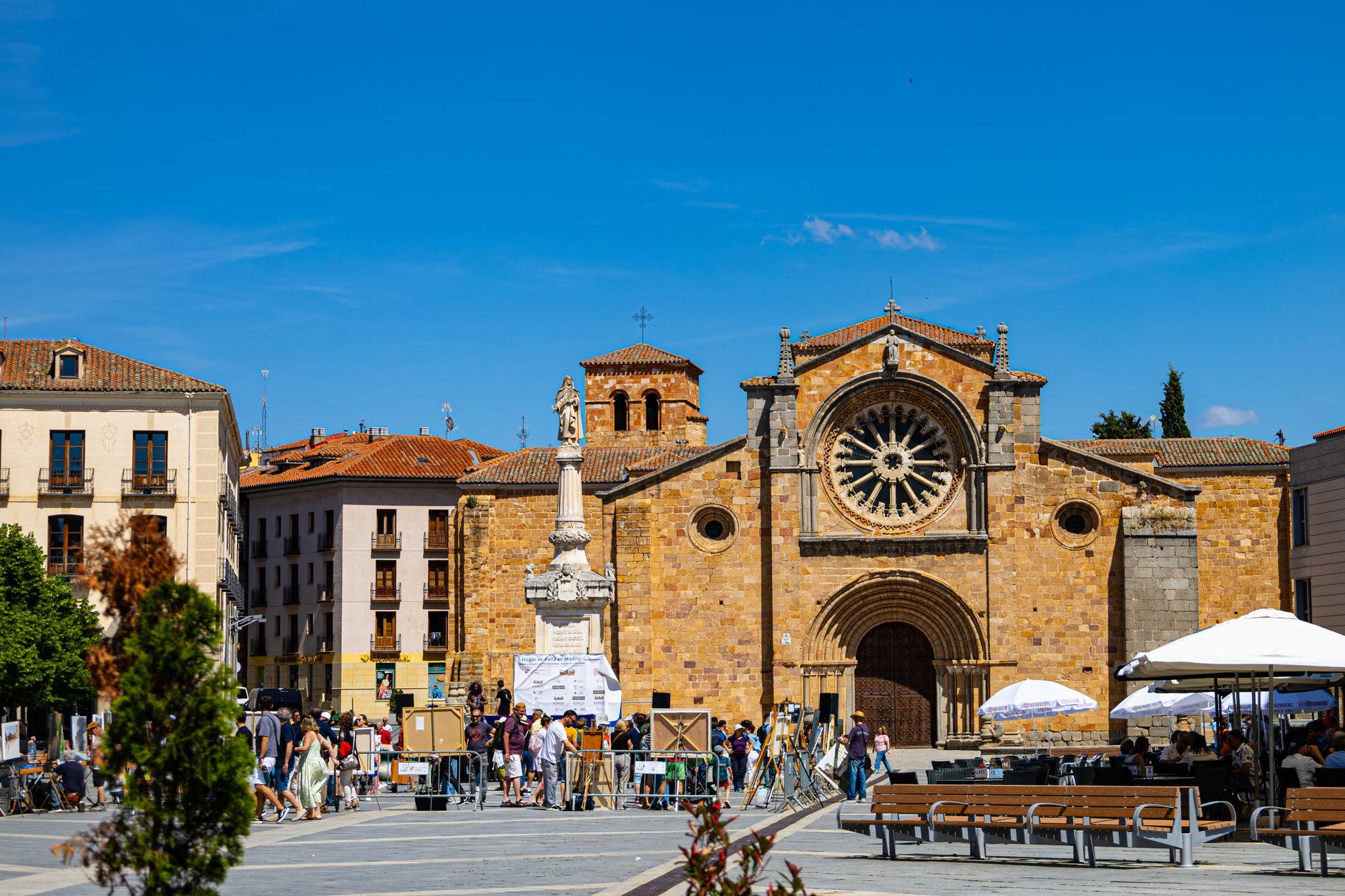
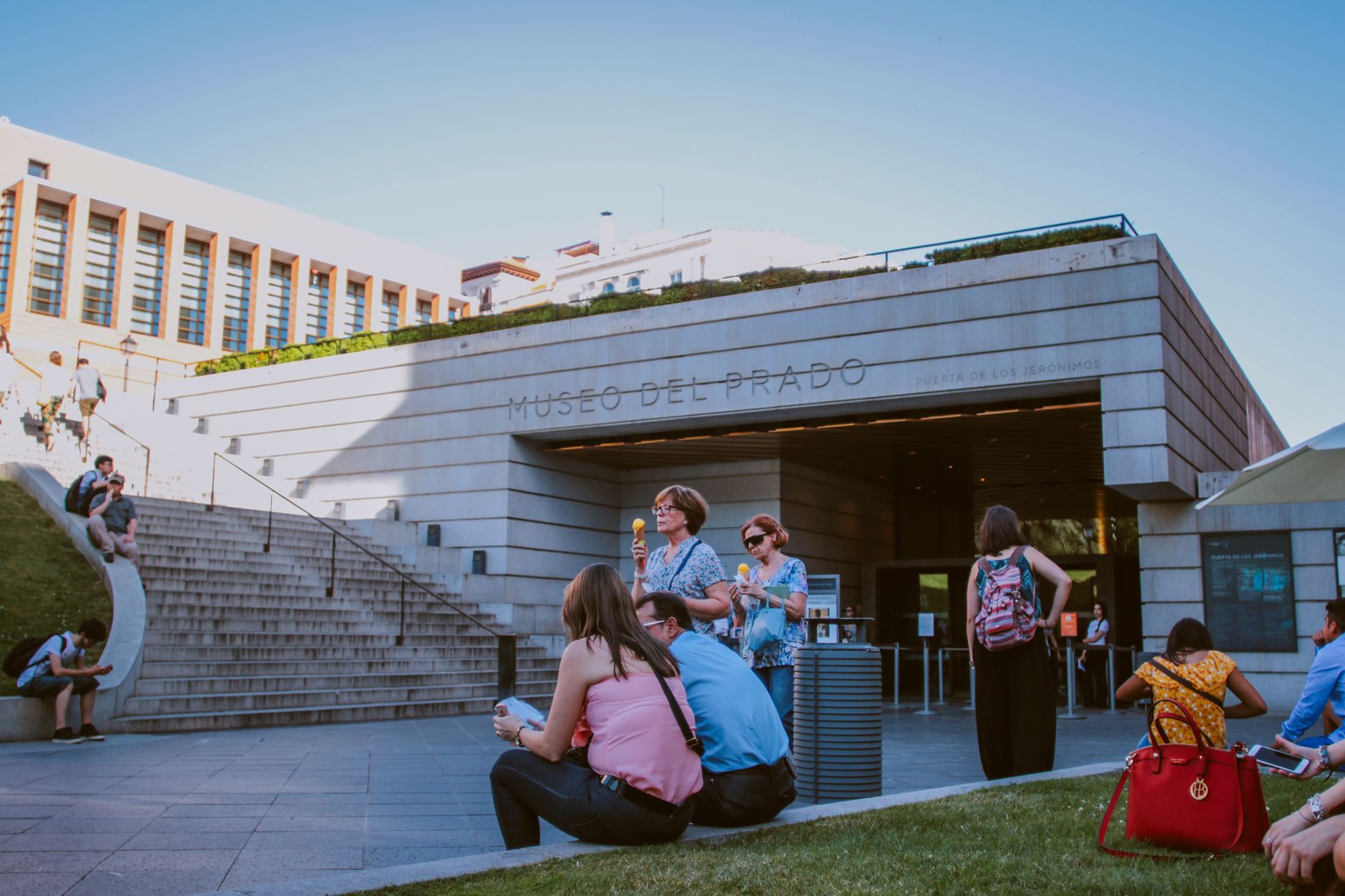
On the A-1 out of Madrid, twenty-five kilometres north of the capital, Alcobendas announces itself quietly — a city of almost 120,000 people that most visitors drive straight through on their way somewhere else. That's their loss. The old town holds its shape: pedestrian streets, low houses, small squares, shops that have been there long enough to know their regulars. A few streets away, the Centro de Arte Alcobendas rises in Brutalist concrete and glass, and somewhere nearby a monumental bronze Menina by Manolo Valdés stands in the open air as if she wandered in from another century.
Alcobendas carries an odd double life. Its La Moraleja district — separated from the main urban nucleus by the A-1 highway — is one of the wealthiest residential enclaves in the Madrid metropolitan area, a place of architect-designed houses and quiet money. The city is also home to the National Museum of Science and Technology, a basketball museum that houses the FIBA Hall of Fame, and a protected forest of three hundred hectares. It earns its reputation as Spain's Silicon Valley, though the old town doesn't feel remotely corporate.
💛 What travellers fall for
People who come back tend to anchor their day at Espacio Miguel Delibes — Rafael de La-Hoz's building that holds the PhotoEspaña International Centre, a media library and a university under one roof — then walk to the Bonsai Museum, which is smaller and stranger than you'd expect, in the best way. The MUNCYT rewards a longer stay than most give it.
Experiences you don't want to miss


Deals in Alcobendas
Book directly at the provider

How Alcobendas came to be
The land around Alcobendas first appears in writing in 1208, in a document delimiting the border between the territories of Segovia and Madrid. In 1369, the Castilian Crown granted the village to the Mendoza family; it later passed to the Arias Dávila family and then to the Counts of Puñonrostro, whose lordship held until 1811. The French occupied the town during the Peninsular War, from 1808 until the guerrilla commander known as El Empecinado helped drive them out. Municipal boundaries were formalised by the Cortes in 1822.
For most of the nineteenth and early twentieth centuries Alcobendas remained a modest agricultural settlement. The transformation came after 1955, when the first housing estates — La Moraleja, El Encinar de los Reyes — were laid out by architects who would go on to define Spanish modernism: Rafael Moneo, Ramón Vázquez Molezún, José Antonio Coderch, Javier Carvajal, Julio Cano Lasso. Population growth accelerated through the 1960s, and the working-class town that once existed here has given way to one of the most economically affluent municipalities in the Madrid region.
Who and what shaped it
People who shaped it
Landmark buildings
See Alcobendas in motion
Plan your visit
On the map
When to go
Alcobendas sits at 652 metres elevation with a Mediterranean climate that delivers genuinely hot, dry summers — July averages around 34°C with nearly twelve hours of daily sun — and cool, grey winters where December manages just four hours of light a day. April through June and September through October are the practical sweet spot: warm, occasionally rainy, and far easier on the feet.
Right now
Background & history adapted from Wikipedia (CC BY-SA) · specs from Wikidata (CC0) · weather from Open-Meteo · map data © OpenStreetMap contributors · photos from Wikimedia Commons / Unsplash with per-image credit. No third-party reviews or social posts reproduced.