
Leganés
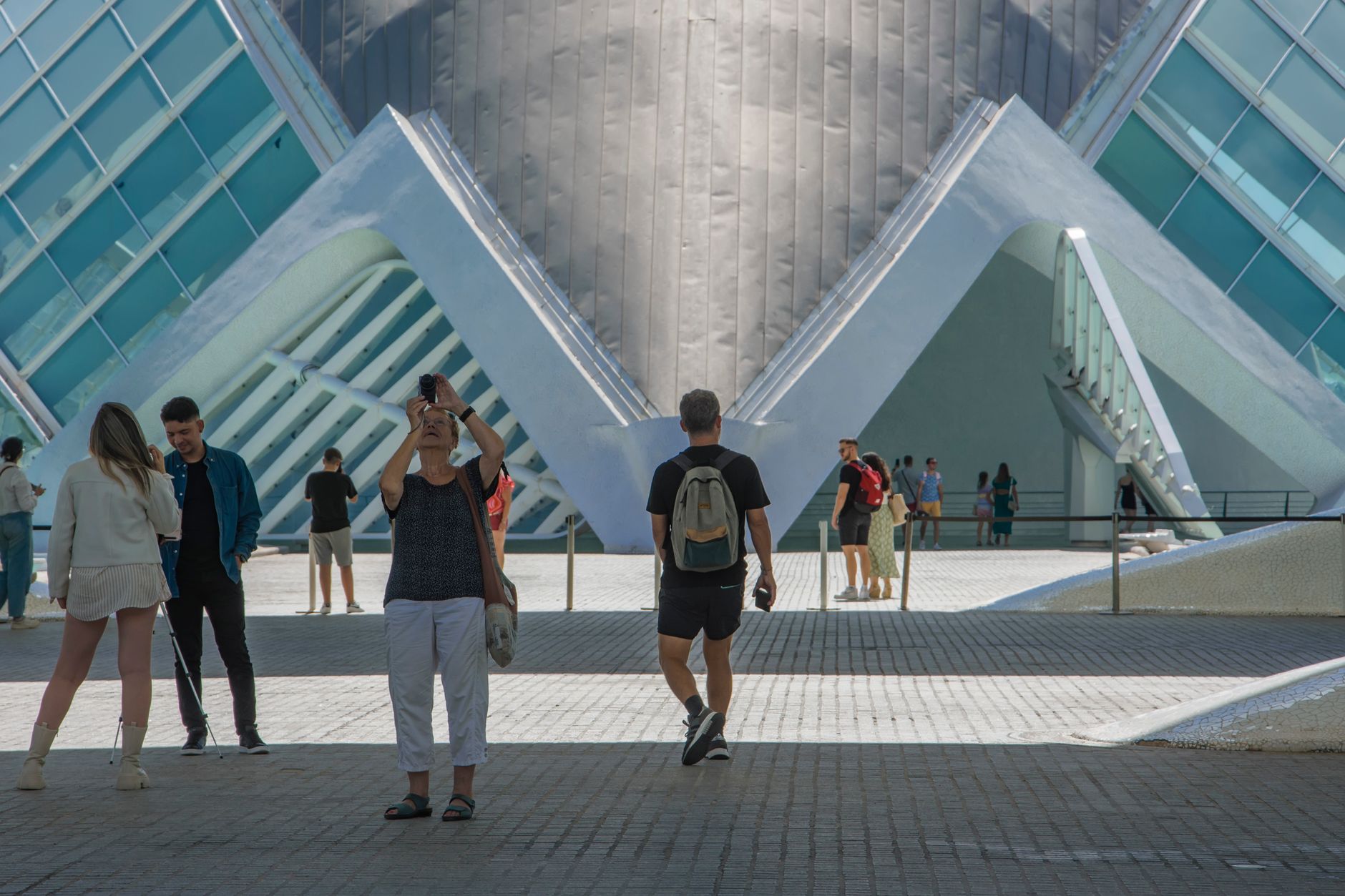
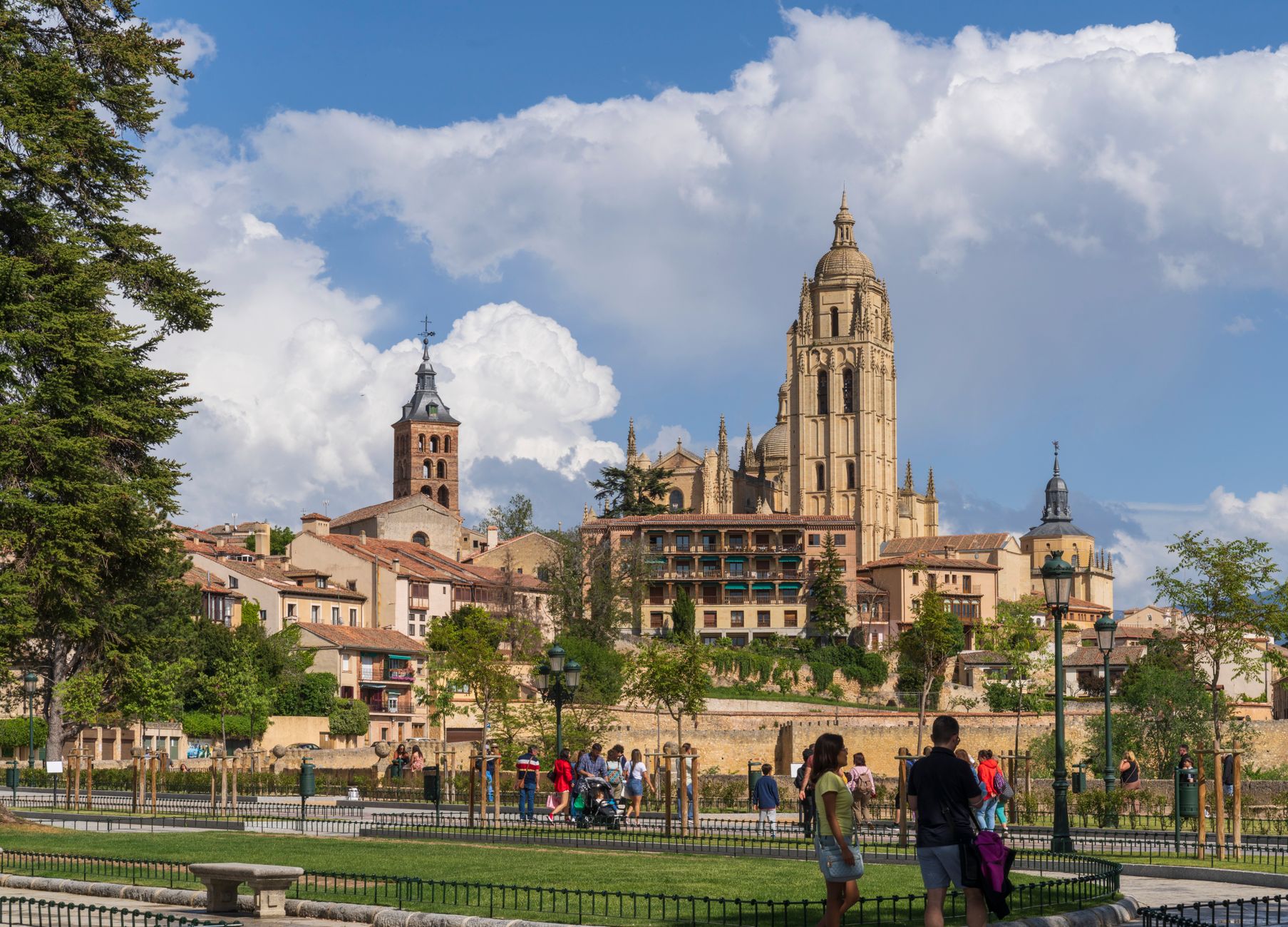
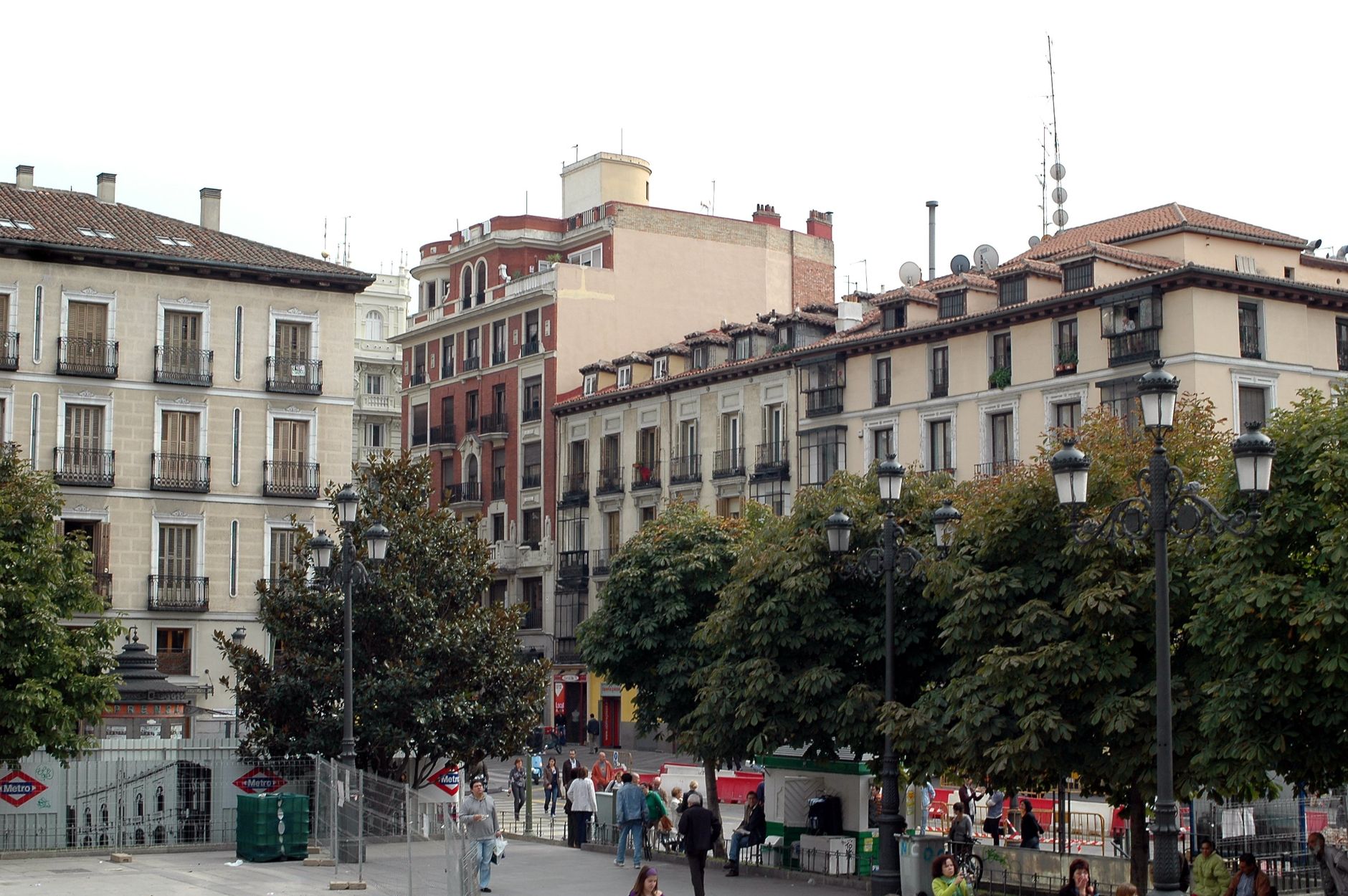
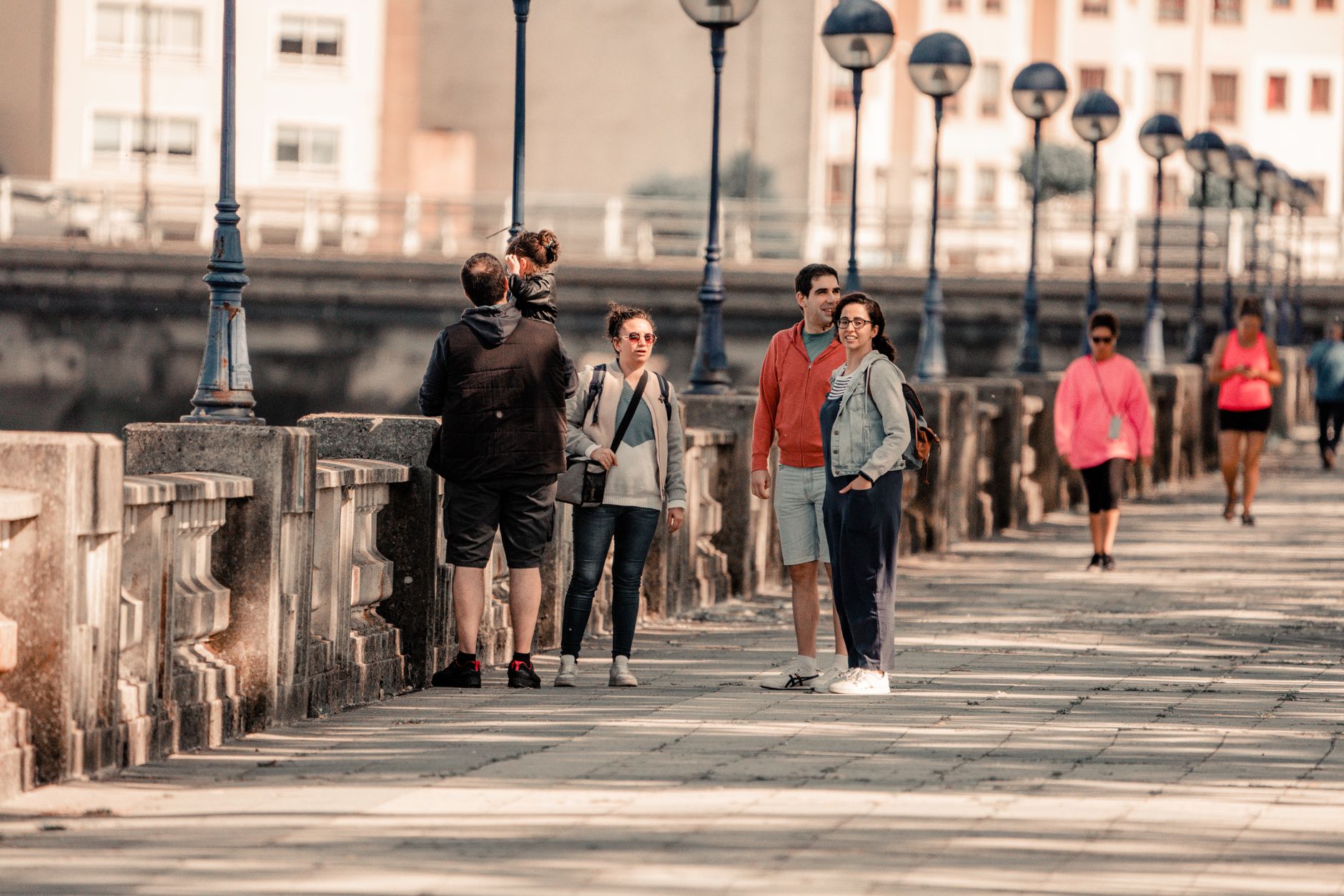
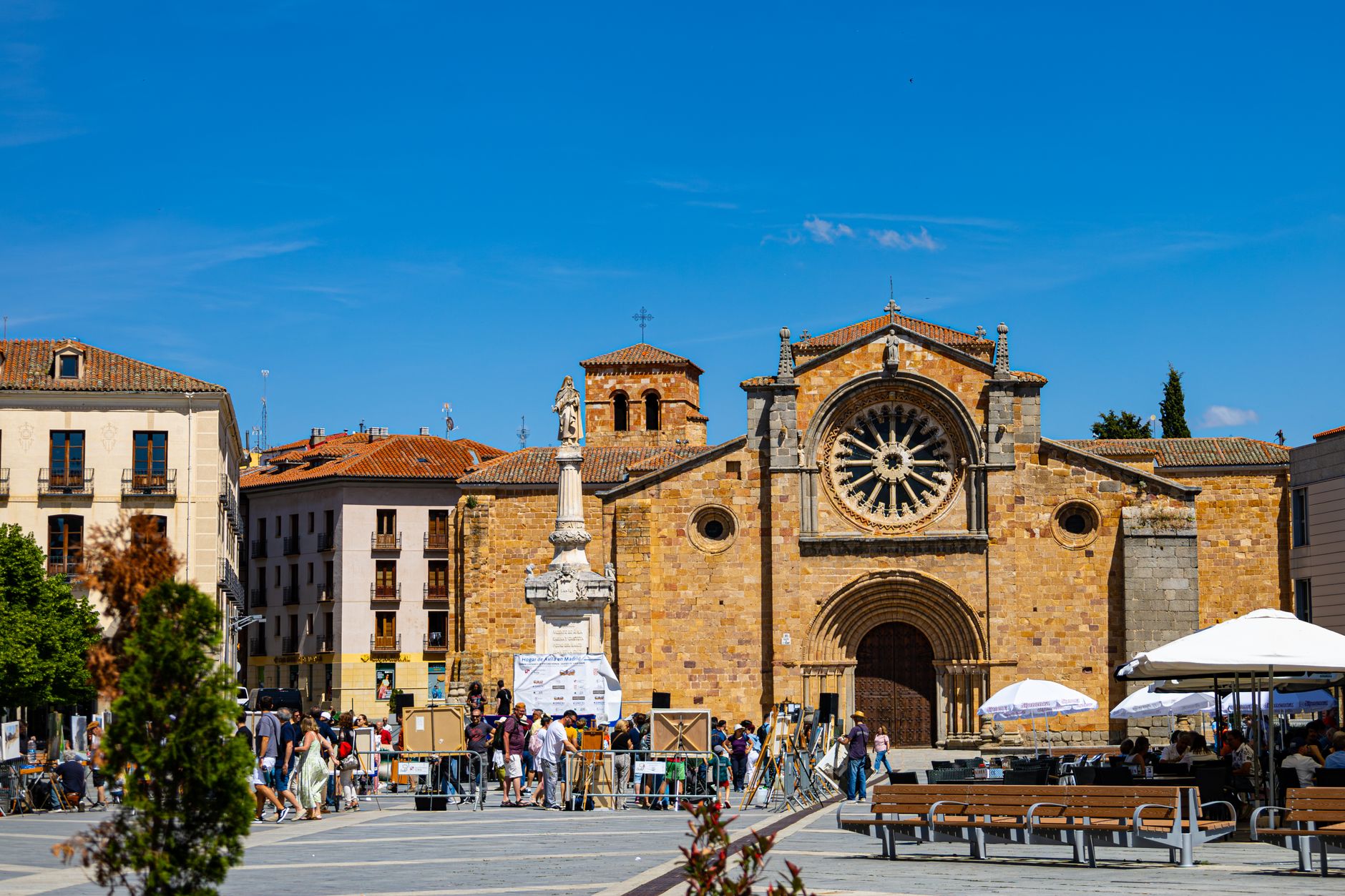
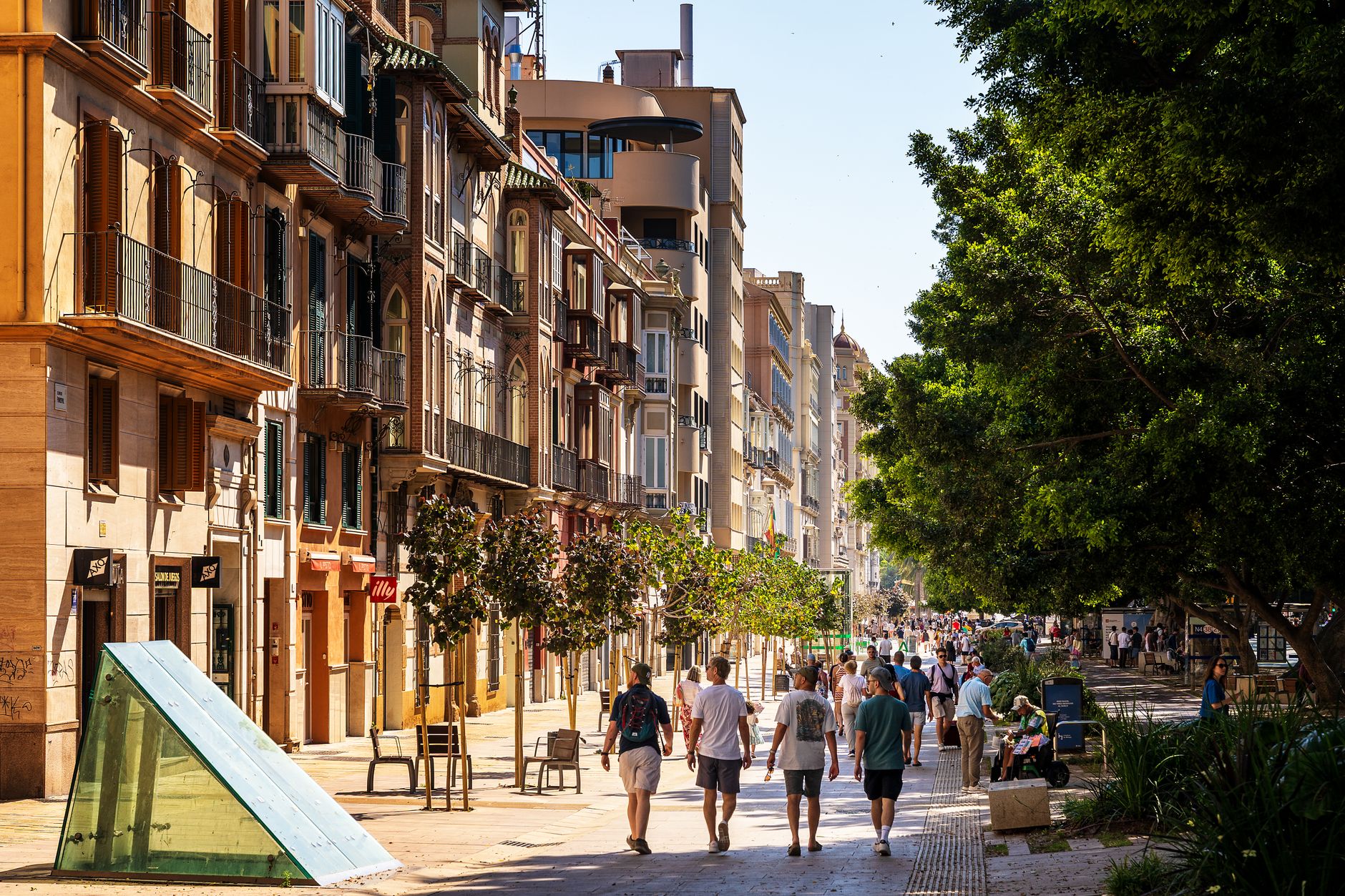
The first thing you notice in Leganés is how ordinary it looks from the metro — and how quickly that impression gives way. Line 12 deposits you into a city of nearly 200,000 people with a Baroque church whose altarpiece took José de Churriguera until 1720 to finish, a covered bullring that moonlights as a 10,000-seat concert hall, and a university campus housed partly inside an 18th-century royal barracks.
Leganés sits in the southwestern arc of the Madrid commuter belt, and it wears that identity honestly — wide avenues, a Plaza Mayor inaugurated in 2008, a football ground where the old pitch used to be. But the city has its own accumulated weight: seven centuries of existence, a psychiatric hospital that opened in 1851, and a park of 150 hectares that swallowed a whole vanished village.
💛 What travellers fall for
People who come back tend to mention Polvoranca. The 150-hectare park is easy to underestimate on a map, but give it a morning and you find yourself at the ruins of the San Pedro hermitage — all that remains of the former village of Polvoranca — with no one else around. The arboretum is worth the detour.
Experiences you don't want to miss



Deals in Leganés
Book directly at the provider
How Leganés came to be
The settlement recorded as Legamar dates to 1280, founded during the reign of Alfonso X of Castile. By 1345 it had been folded into Madrid's jurisdiction, and in 1627 Philip IV elevated it to a marquisate — a title that brought noble oversight and feudal obligations that lasted nearly two centuries until abolition in 1820. The local nobleman Juan Muñoz, who died in 1623, left part of his fortune to establish a hospital for the poor; his name still runs down the main street of the old town.
The 20th century reshaped Leganés more dramatically than any royal decree. Waves of internal migration from across Spain transformed it from a modest township into one of Madrid's major satellite cities. The founding of Universidad Carlos III in 1989 — with its Leganés campus opening the following year, partly inside Francesco Sabatini's 1783 Royal Walloon Guards Barracks — gave the city an intellectual anchor it hadn't had before.
Who and what shaped it
People who shaped it
Landmark buildings
See Leganés in motion
Plan your visit
On the map
When to go
Summers run hot and dry, with July and August regularly above 30°C and almost no rain; if you're visiting then, start your days early and save the afternoon for the shaded paths of Polvoranca. Spring and autumn are the sweet spot — mild enough for long walks, with occasional thunderstorms that clear quickly. December and January bring genuine cold, sometimes frost, and rare but possible snow.
Right now
Background & history adapted from Wikipedia (CC BY-SA) · specs from Wikidata (CC0) · weather from Open-Meteo · map data © OpenStreetMap contributors · photos from Wikimedia Commons / Unsplash with per-image credit. No third-party reviews or social posts reproduced.