
Móstoles
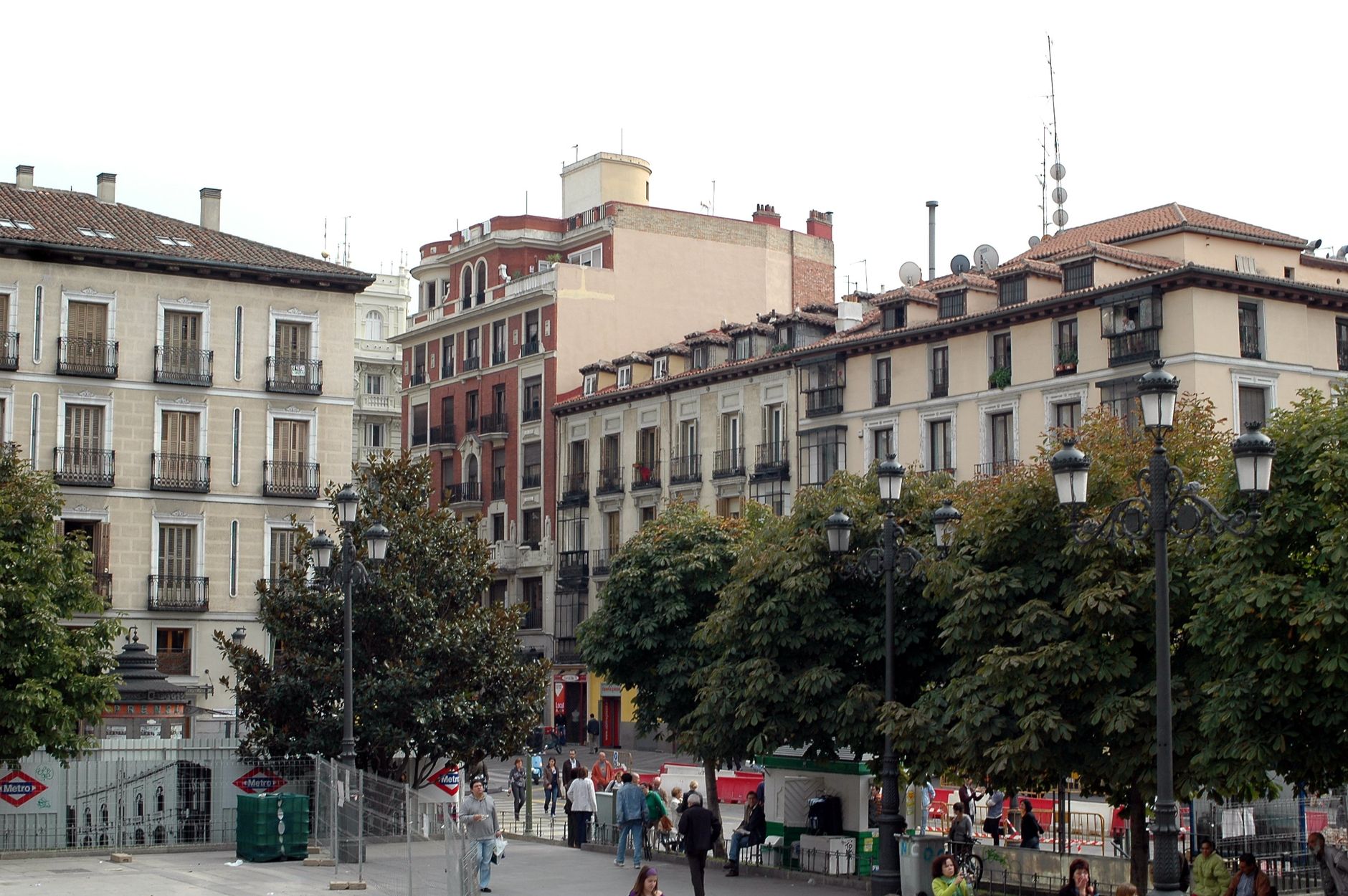
Most people pass through the southern Madrid commuter belt without stopping, but Móstoles has a specific claim on history that sets it apart: on 2 May 1808, its mayor signed a call to arms against Napoleon's forces — arguably the first official declaration of the Peninsular War — before Madrid itself had done so. That fact alone gives the city a weight that its modern apartment blocks don't immediately suggest.
Today Móstoles is a city of roughly 200,000 people, with more than a third of its land given over to parks and green corridors. The CA2M contemporary art centre draws people in from across the region, and the 13th-century church on the old plaza carries a Mudéjar apse that quietly outpaces anything you'd expect to find here.
💛 What travellers fall for
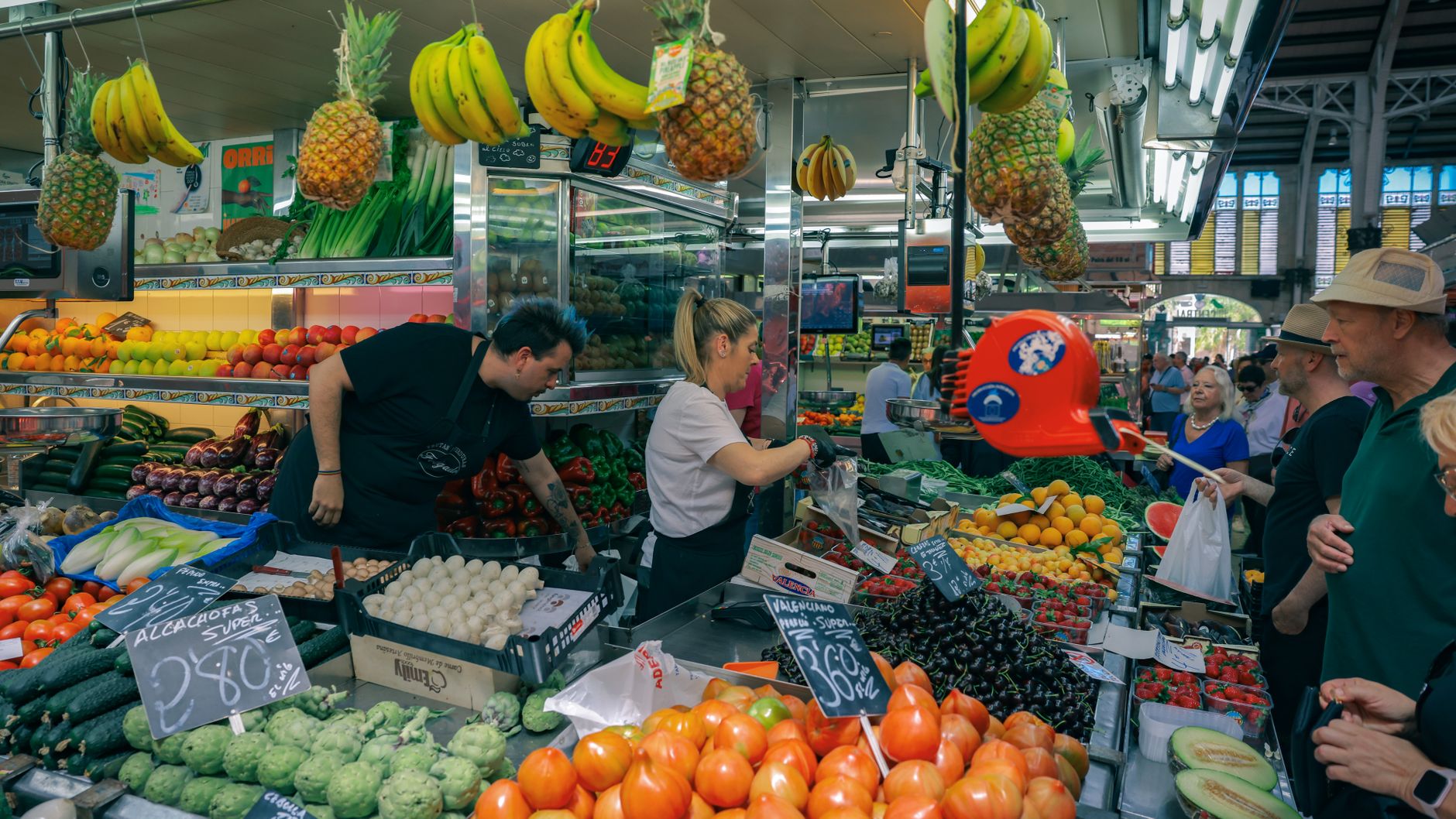
People who come back tend to time it around the Cuatro Caminos market — local cheeses, olives, the kind of unhurried conversation between stall-holders and regulars that tells you more about a place than any landmark. The walk out from Móstoles-El Soto station along the old rail green way to the iron bridge over the Guadarrama is worth the detour on its own.
Experiences you don't want to miss



Deals in Móstoles
Book directly at the provider

How Móstoles came to be
Móstoles most likely took shape in the decades after the Christian reconquest of Toledo in 1085, one of many small settlements established across the new frontier. It remained a modest agricultural town for centuries — Philip II formalised its independence from Toledo by royal decree in December 1565, granting it the status of a villa under direct royal jurisdiction.
Its defining moment came on 2 May 1808. While Madrid erupted against the French occupation, mayor Andrés Torrejón issued a proclamation calling the whole of Spain to resist — a document that circulated ahead of any royal or military order. The city expanded dramatically in the second half of the 20th century, absorbing waves of internal migration that transformed it from a country town into one of the larger cities in the Community of Madrid.
Who and what shaped it
People who shaped it
Landmark buildings
See Móstoles in motion
Plan your visit
On the map
When to go
Summers are fierce and dry — July and August push above 33°C with little relief at night. Spring (March–April) and early autumn bring the most rain, but also the most agreeable temperatures for walking; October is the wettest month, averaging around 62 mm. Winter days are mild, though nights can drop close to freezing.
Right now
Background & history adapted from Wikipedia (CC BY-SA) · specs from Wikidata (CC0) · weather from Open-Meteo · map data © OpenStreetMap contributors · photos from Wikimedia Commons / Unsplash with per-image credit. No third-party reviews or social posts reproduced.