
Alcalá de Henares
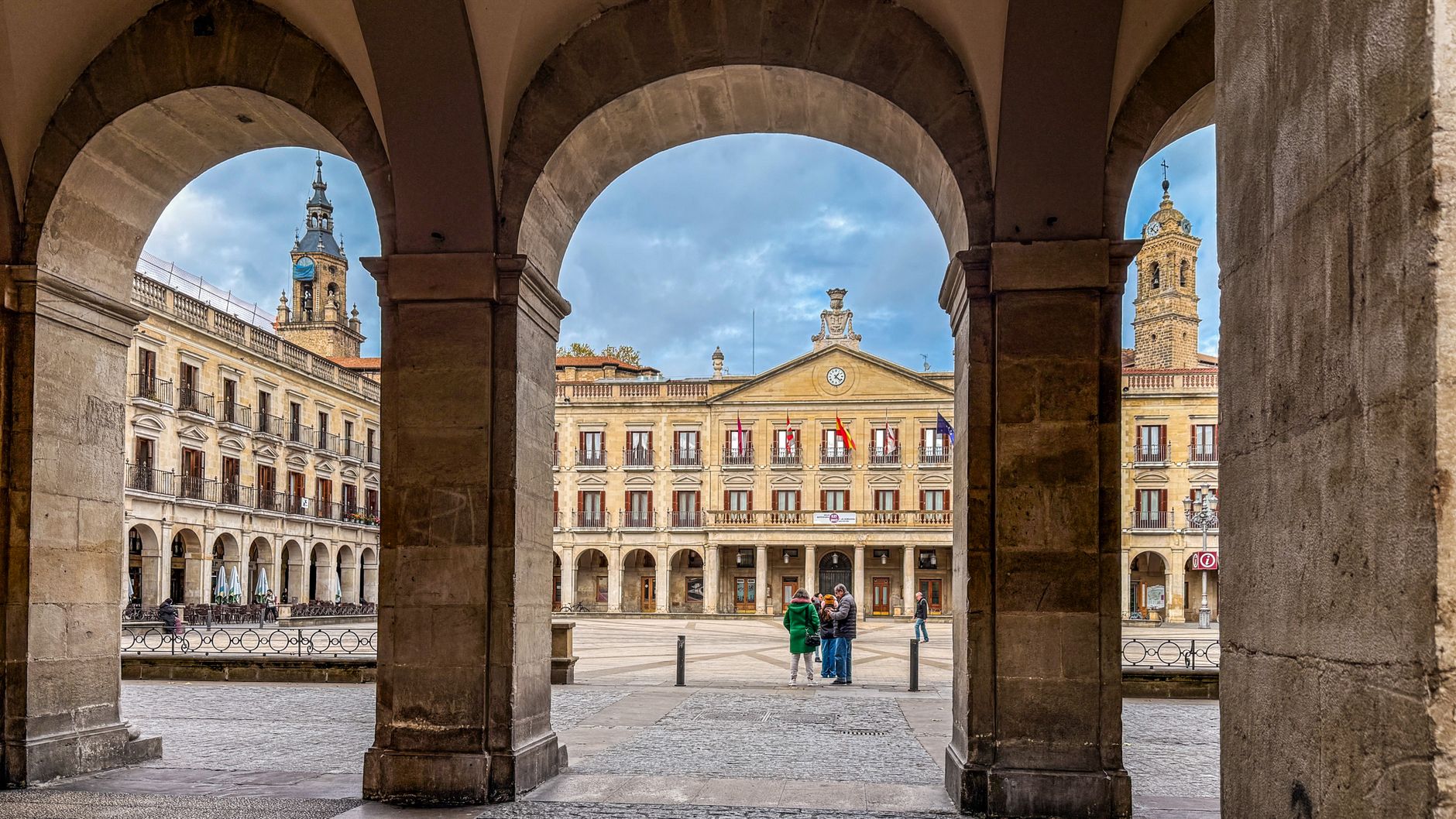
The train from Madrid takes thirty minutes, and when you step out at Alcalá de Henares you are ten minutes' walk from a street that has been porticoed since the sixteenth century. Calle Mayor is the longest of its kind in Spain, and on a weekday morning it belongs mostly to locals. The city was built around a university — Cardinal Cisneros founded it in 1499 — and that fact still shapes everything: the stone courtyards, the bookshops, the particular seriousness the streets carry even on a slow afternoon.
Alcalá is also where Miguel de Cervantes was born, on 29 September 1547, and where Catherine of Aragon came into the world before history pulled her elsewhere. The UNESCO heritage precinct covers 79 hectares and holds 785 buildings, but the city wears that designation lightly.
💛 What travellers fall for
People who come back tend to time a visit for 24 April, when the Cervantes Prize — Spain's highest literary honour — is awarded in the Great Hall of the Colegio Mayor de San Ildefonso by the King. The Mudejar ceiling alone is worth the trip. Others return in November for the Don Juan performance staged in the courtyard of the Archbishop's Palace.
Experiences you don't want to miss



Deals in Alcalá de Henares
Book directly at the providerHow Alcalá de Henares came to be
The ground beneath Alcalá was already a Roman city — Complutum, founded in the first century, with a forum at its heart and a bishopric by the fifth. The Moors built a citadel here around 850, calling it A-Qalát de Nahar, the 'castle on the river'; the name Alcalá is a direct inheritance from that Arabic word for fortress. Christian forces took it back around 1118, and for much of the medieval period the city served as a seigneurial estate of the archbishops of Toledo.
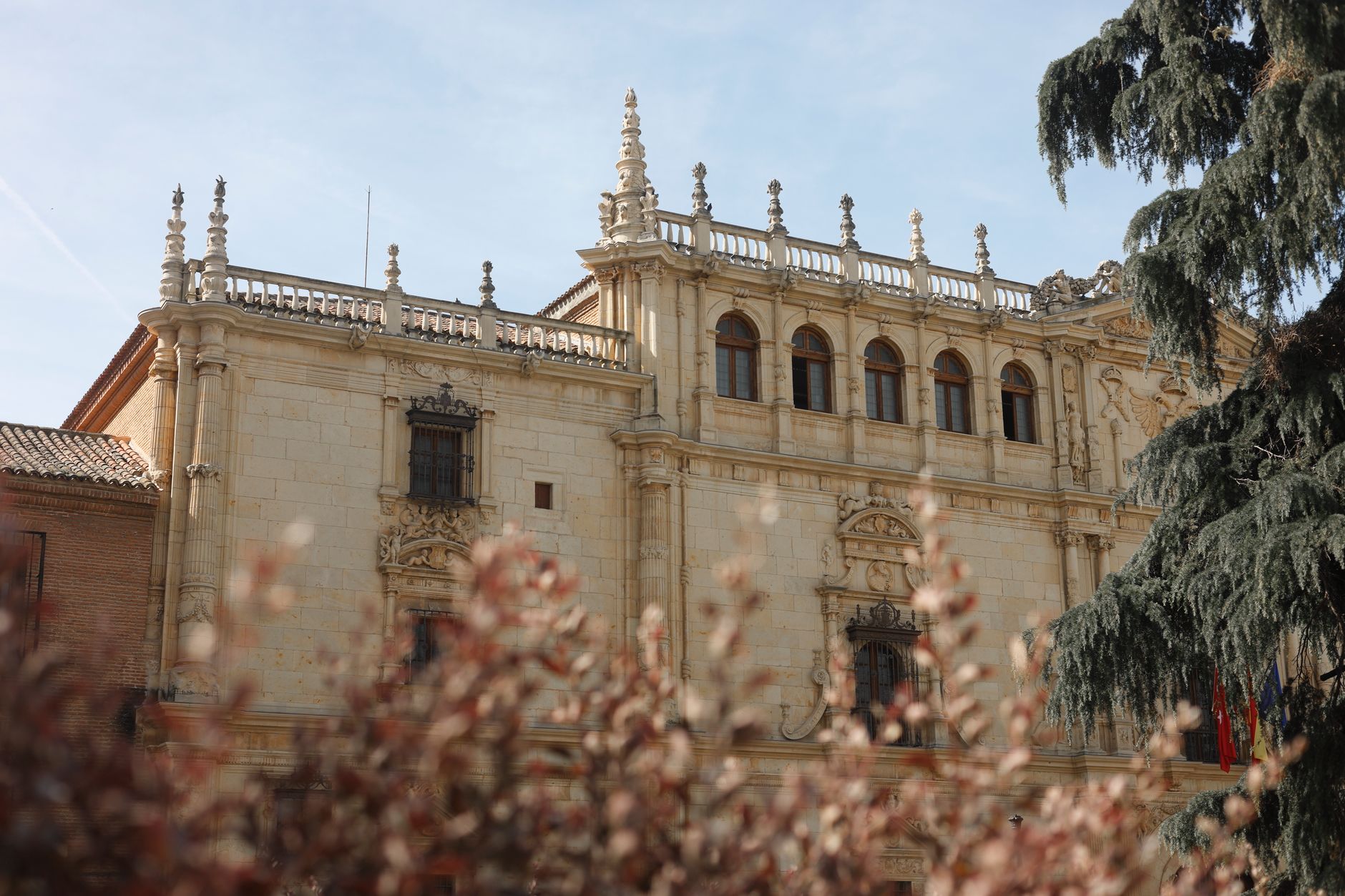
The transformation came under Cardinal Francisco Jiménez de Cisneros, who founded the University of Alcalá in 1499 and remade the city as a centre of Renaissance learning. That era produced the Plateresque facade of the Colegio Mayor de San Ildefonso and the Gothic Cathedral-Magistral, built between 1497 and 1514. By the eighteenth century the university had lost its momentum; a modest revival came in the nineteenth when Alcalá became a military outpost. The historic centre was inscribed as a UNESCO World Heritage Site on 2 December 1998.
Who and what shaped it
People who shaped it
Landmark buildings
See Alcalá de Henares in motion
Plan your visit
On the map
When to go
Alcalá sits on the Castilian plateau and follows Madrid's continental pattern: summers are hot and dry, often above 35°C in July and August, while winters bring cold nights and occasional frost. April through June and September through November offer the most comfortable conditions for walking the historic streets.
Right now
Background & history adapted from Wikipedia (CC BY-SA) · specs from Wikidata (CC0) · weather from Open-Meteo · map data © OpenStreetMap contributors · photos from Wikimedia Commons / Unsplash with per-image credit. No third-party reviews or social posts reproduced.