
Colmenar Viejo
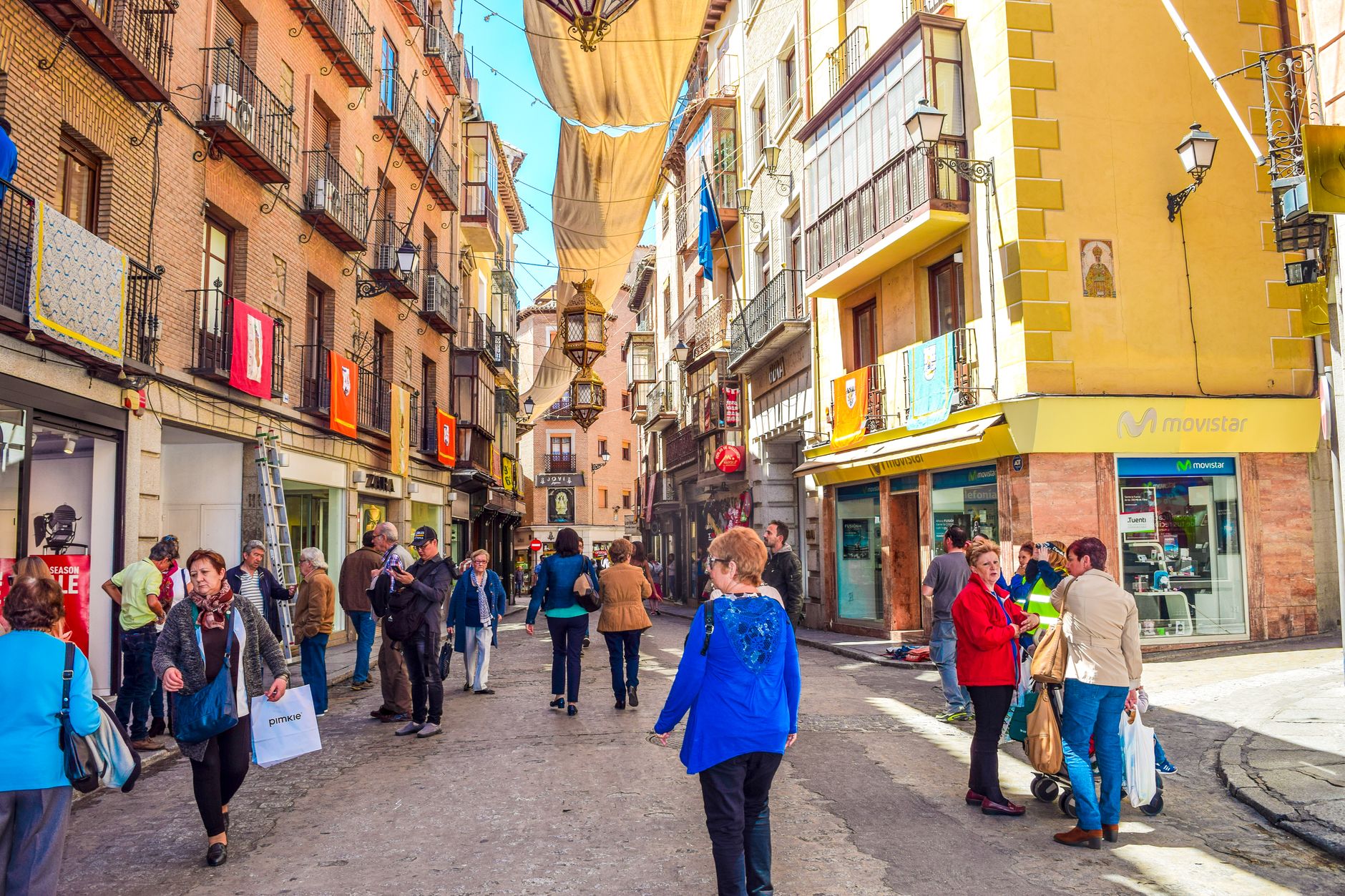
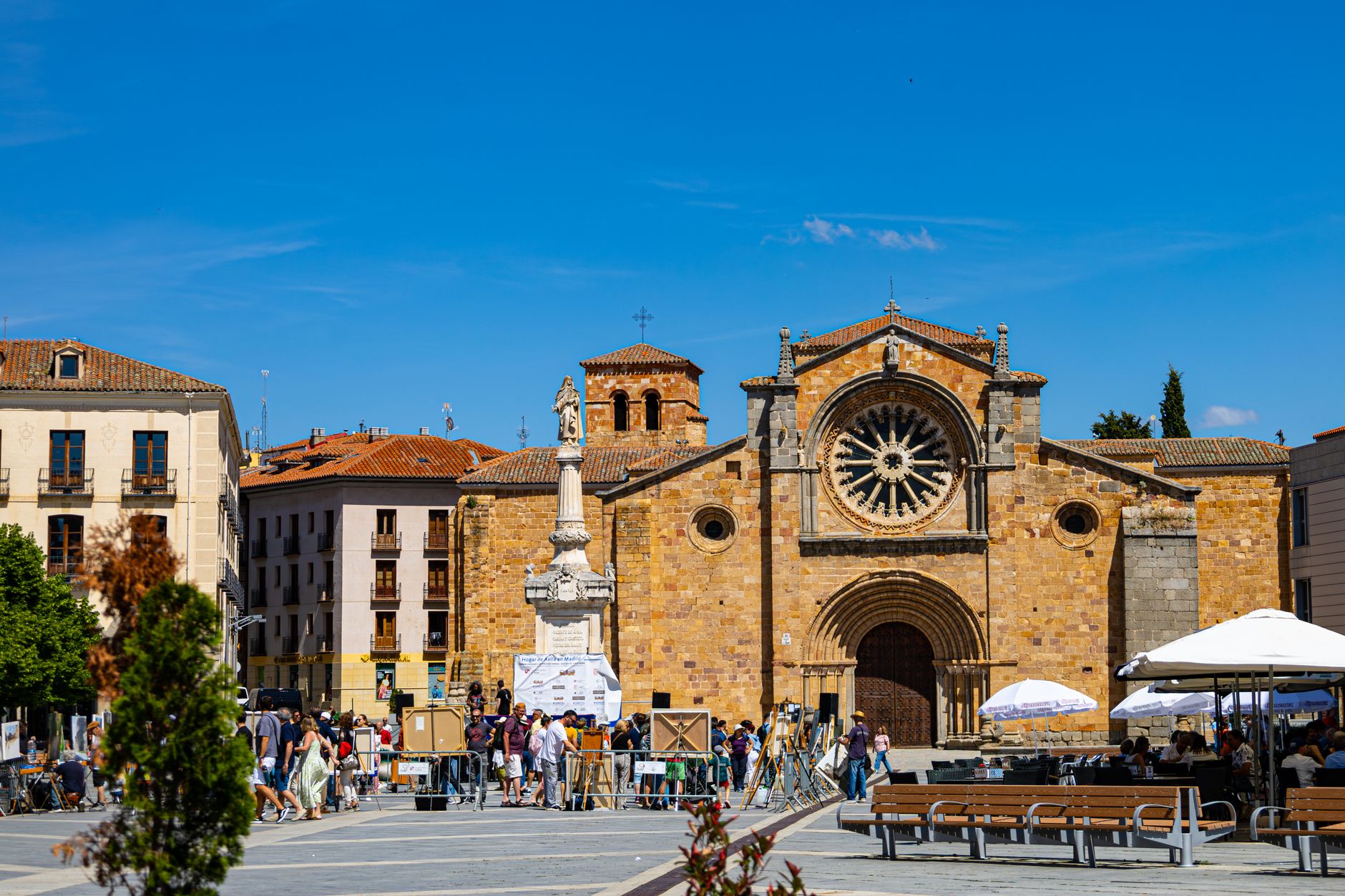
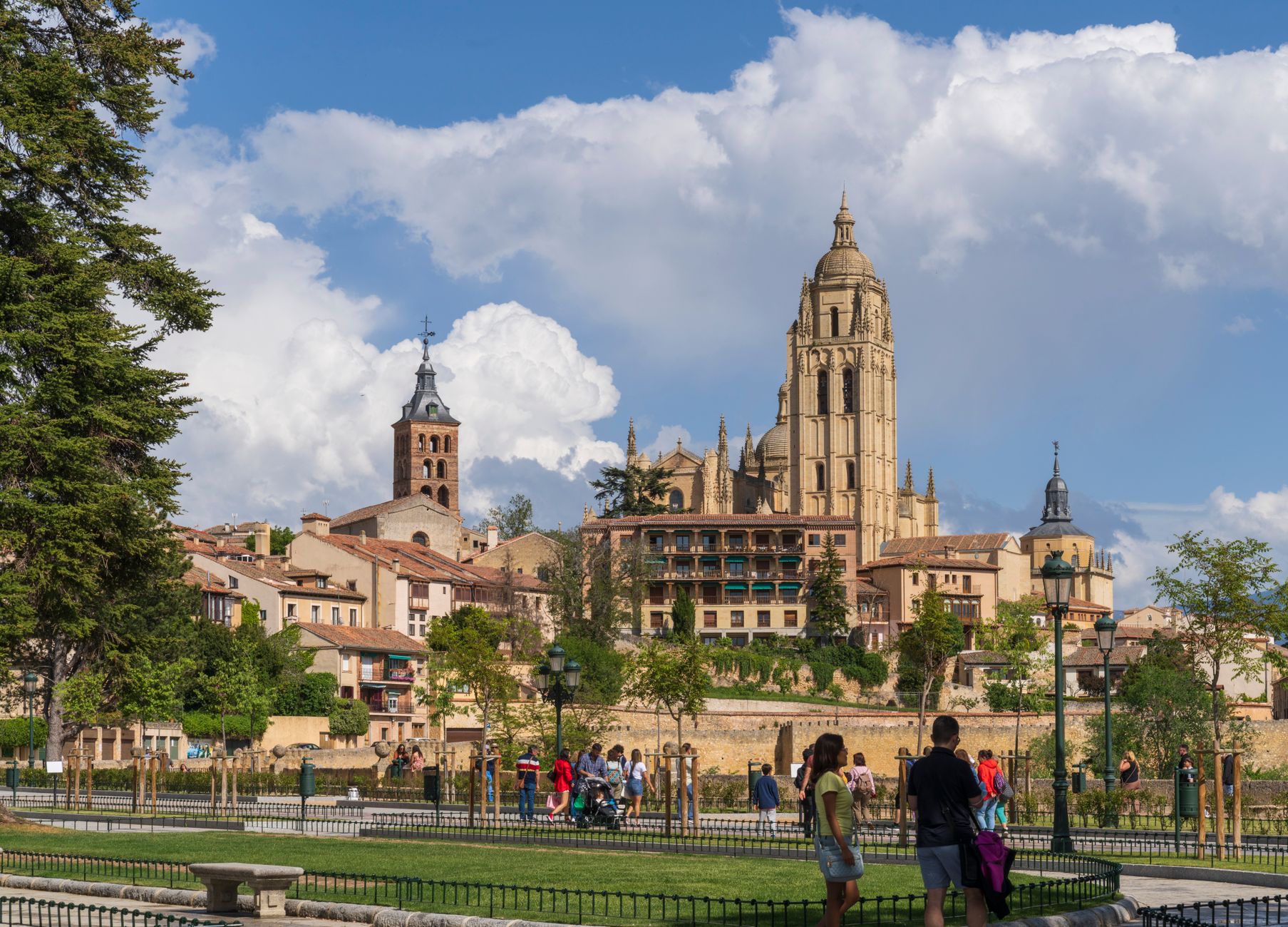
Colmenar Viejo sits about 30 kilometres north of Madrid on the high plateau, and the first thing you notice is the smell — dry sierra air, scrub oak, and something older underneath. The town takes its name from beekeeping, colmenar meaning apiary, and that particular, unhurried relationship with the land still colours the place.
The 16th-century Basilica de Nuestra Señora de la Asunción anchors the old centre in Gothic-Renaissance stone, and the bullring La Corredera — opened in 1891, renovated in 1990 — is considered second only to Las Ventas in all of Spain. Film crews know this territory too: the dehesa outside town has doubled as ancient Rome, the American West, and a Spanish prison more than once.
💛 What travellers fall for
People who come back tend to time a visit around the November 22 town day, when the streets feel genuinely local rather than performed. The Casa Museo de la Villa is worth more than a glance — the wine press alone tells you something about how this economy ran for centuries. And the Cercanías C-4 back to Chamartín runs every 20 minutes, so a late dinner is never a gamble.
Experiences you don't want to miss


Deals in Colmenar Viejo
Book directly at the provider
How Colmenar Viejo came to be
People were working flint on this land between 140,000 and 100,000 years ago, and the Visigothic period left the densest archaeological trace. The town as a settled place dates to 1136, founded in the aftermath of Alfonso VI's conquest of Madrid and folded into the Real de Manzanares — the network of territories along the river that would shape this corner of Castile for centuries.
By the 15th century the population had grown enough for Colmenar Viejo to become the economic and administrative centre of its lordship. On November 22, Ferdinand II of Aragon granted the village formal recognition — a date the town still marks each year. The mills along the Manzanares at El Grajal, grinding flour and treating wool from at least the 17th century to the 19th, are what that economy looked like in practice.
Who and what shaped it
Landmark buildings
See Colmenar Viejo in motion
Plan your visit
On the map
When to go
Winters are cold and occasionally snowy, with January averaging around 5°C; summers are dry and hot, with July and August regularly reaching 30–35°C and heatwaves above 40°C. April through June and September through October sit in a comfortable middle range and are the easiest months to be outside for any length of time.
Right now
Background & history adapted from Wikipedia (CC BY-SA) · specs from Wikidata (CC0) · weather from Open-Meteo · map data © OpenStreetMap contributors · photos from Wikimedia Commons / Unsplash with per-image credit. No third-party reviews or social posts reproduced.