
Alcorcón
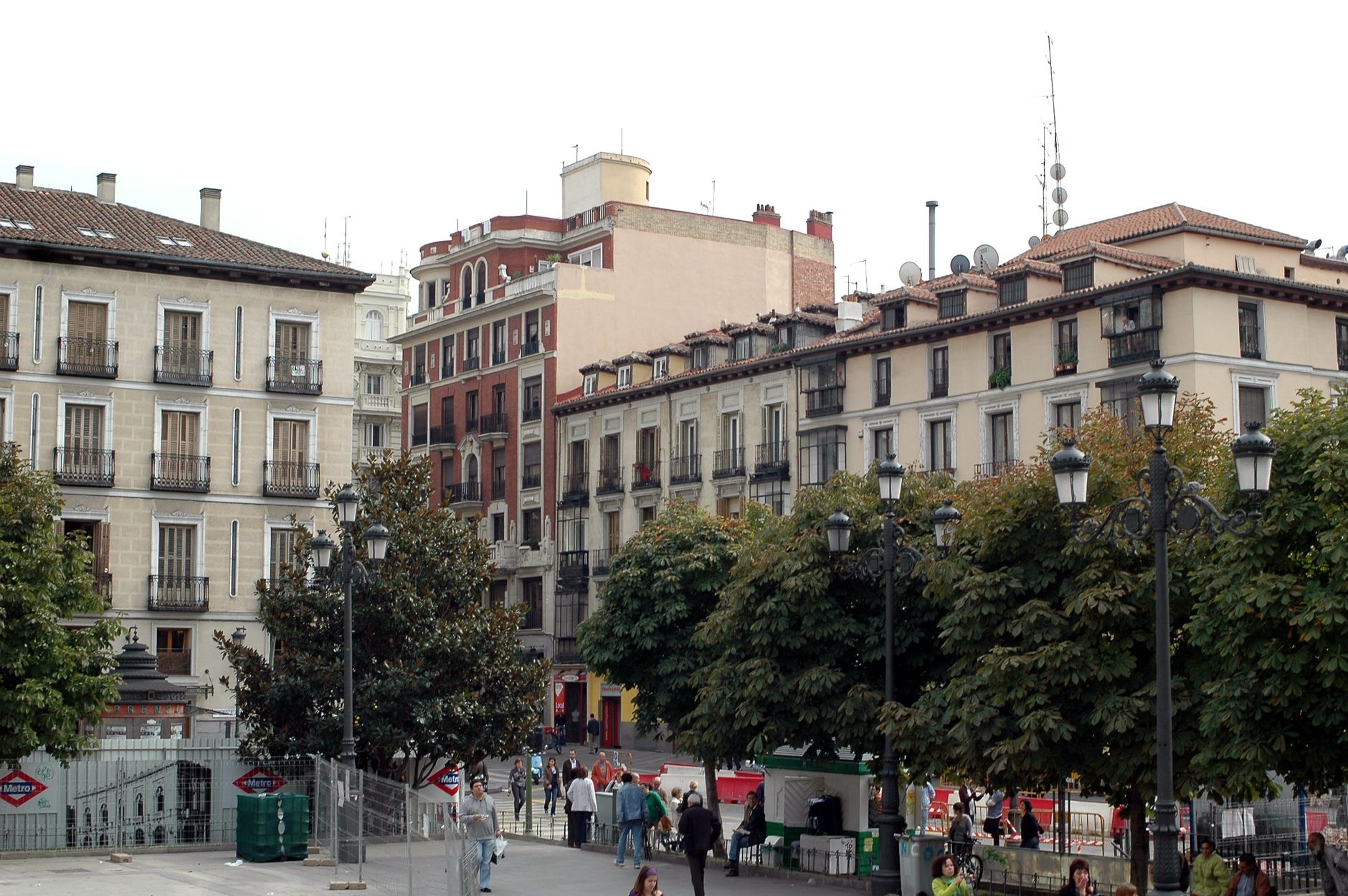
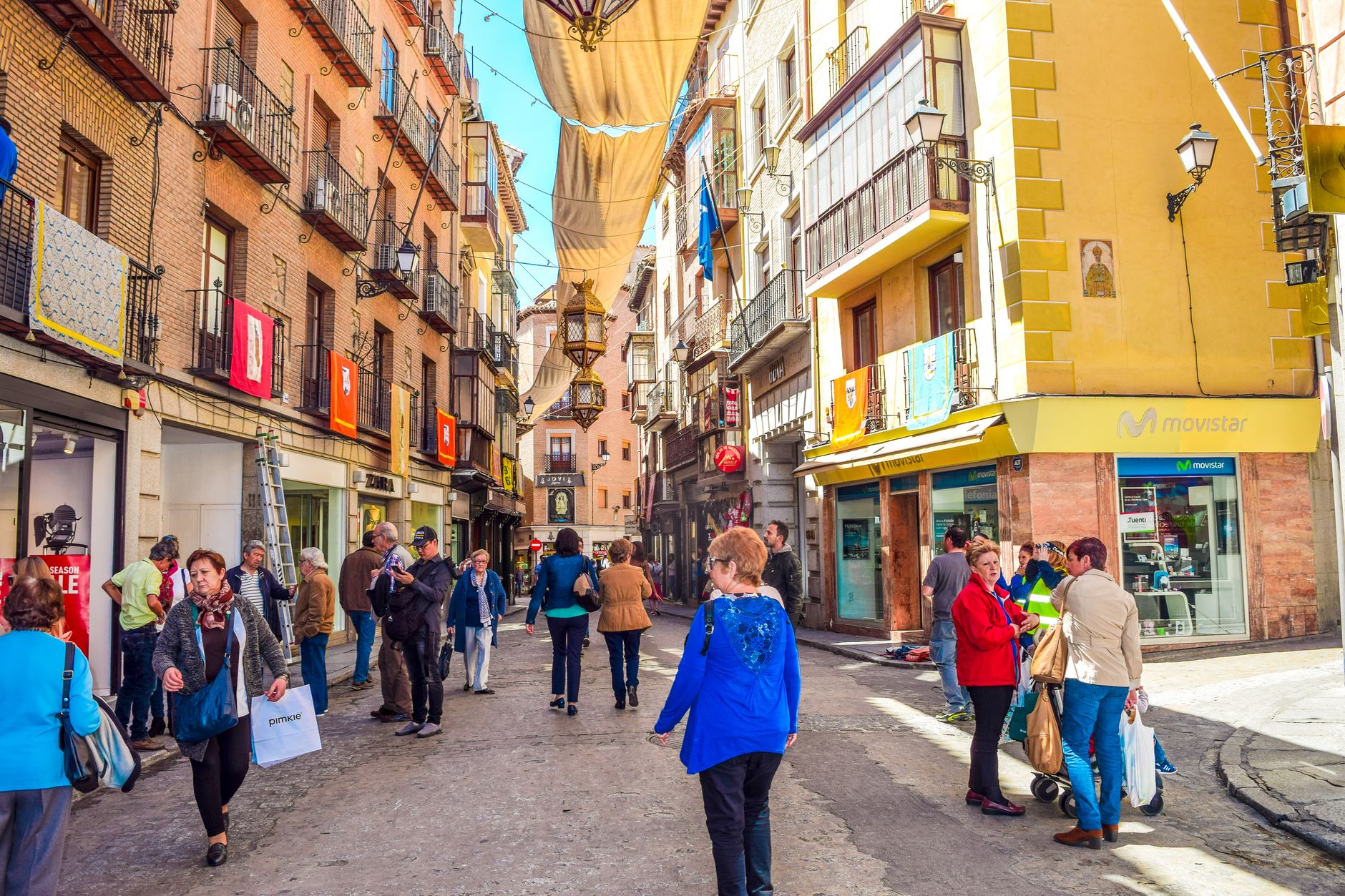
The date that put Alcorcón on the football map is 27 October 2009, when a third-division side from the southwestern edge of Madrid beat Real Madrid 4–0 in the Copa del Rey — a result still called the Alcorconazo, still talked about in the cafes around Plaza de España. That shock result said something true about the city: it doesn't ask for your attention, but it earns it.
Alcorcón grew fast and hard from the 1960s onward, absorbing migrants from across Spain and, in time, from 147 countries. What's left of its older self — the 16th-century parish church of Santa María la Blanca, the Gothic Revival towers of San José de Valderas — sits alongside a Glass Art Museum and a theatre that draws over 100,000 visitors a year. It is, plainly, a working city that has quietly built a cultural life.
💛 What travellers fall for
People who come back tend to anchor evenings at Plaza de España, which operates at a lower temperature than anything in central Madrid — tables out, no particular agenda. They also mention Calle de la Maestra, a short street of painted houses and small shops that photographs better than you'd expect and moves at its own pace.
Experiences you don't want to miss




Deals in Alcorcón
Book directly at the provider

How Alcorcón came to be
The name Alcorcón is Arabic in origin, and the land has been occupied since prehistoric times. The first written record appears in a royal document dated 28 July 1208, settling a territorial dispute between the councils of Madrid and Segovia over El Real de Manzanares. By 1576, Philip II's Topographic Relations noted the existence of a town hall — a small, self-contained settlement that lived off agriculture and pottery, sitting on the Camino Real toward Extremadura.
That rural structure held, more or less, until the 1960s, when Spain's economic development plans turned the towns south and west of Madrid into reception areas for internal migration. Alcorcón's population expanded rapidly, and the city it became bears little physical resemblance to the one Philip II's surveyors described. A brief chapter opened in February 2013 when the area was proposed as the site for the Eurovegas casino resort; by December of that year, the project was canceled.
Who and what shaped it
People who shaped it
Landmark buildings
See Alcorcón in motion
Plan your visit
On the map
When to go
Summers are long, dry and genuinely hot — July and August average highs around 33°C with almost no rain. Spring (April–May) and early autumn (September–October) are the most comfortable times to be on foot, though October also brings the year's heaviest rainfall. Winters are cold and clear, with January temperatures regularly dropping to 2°C at night.
Right now
Background & history adapted from Wikipedia (CC BY-SA) · specs from Wikidata (CC0) · weather from Open-Meteo · map data © OpenStreetMap contributors · photos from Wikimedia Commons / Unsplash with per-image credit. No third-party reviews or social posts reproduced.