
Aranjuez
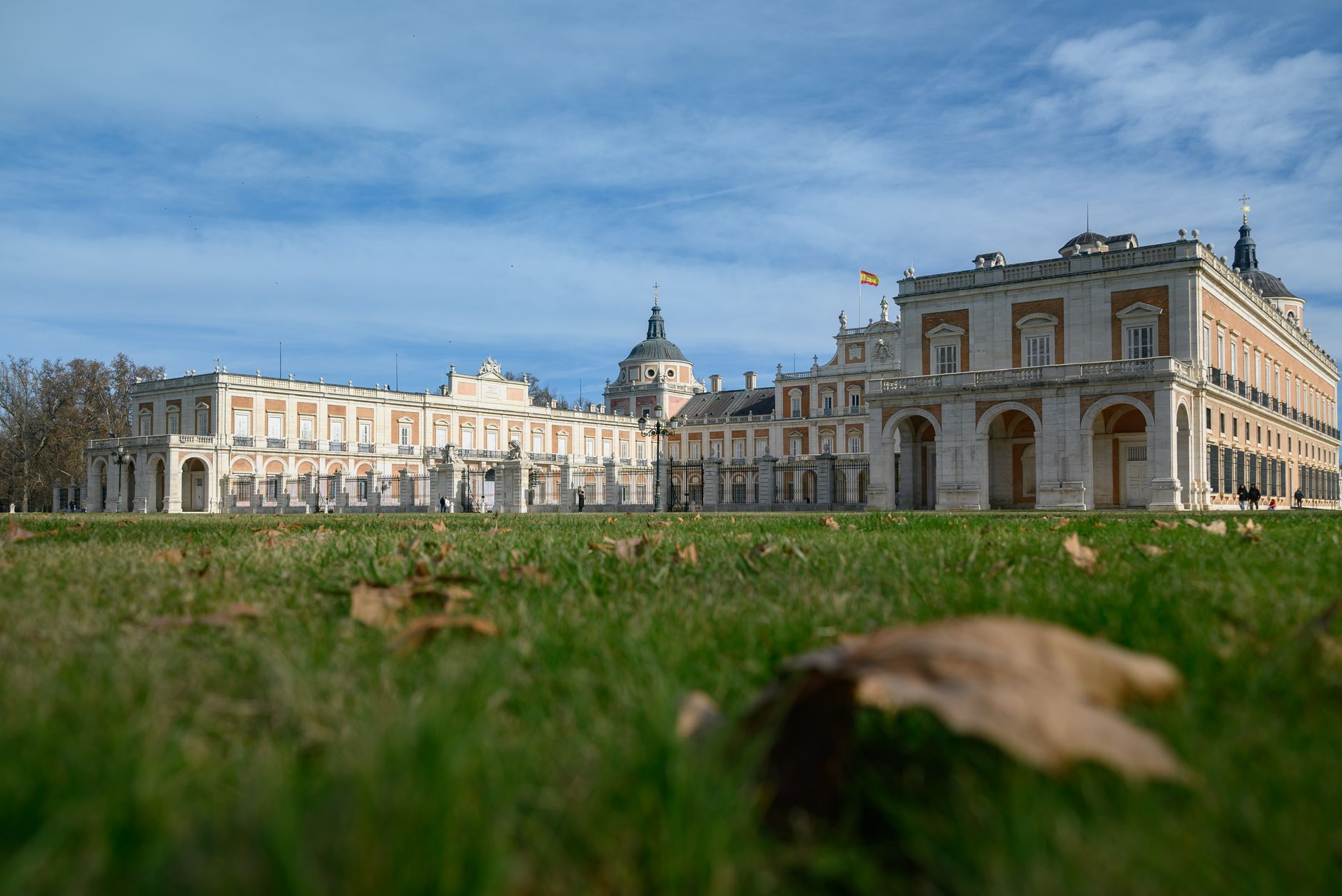
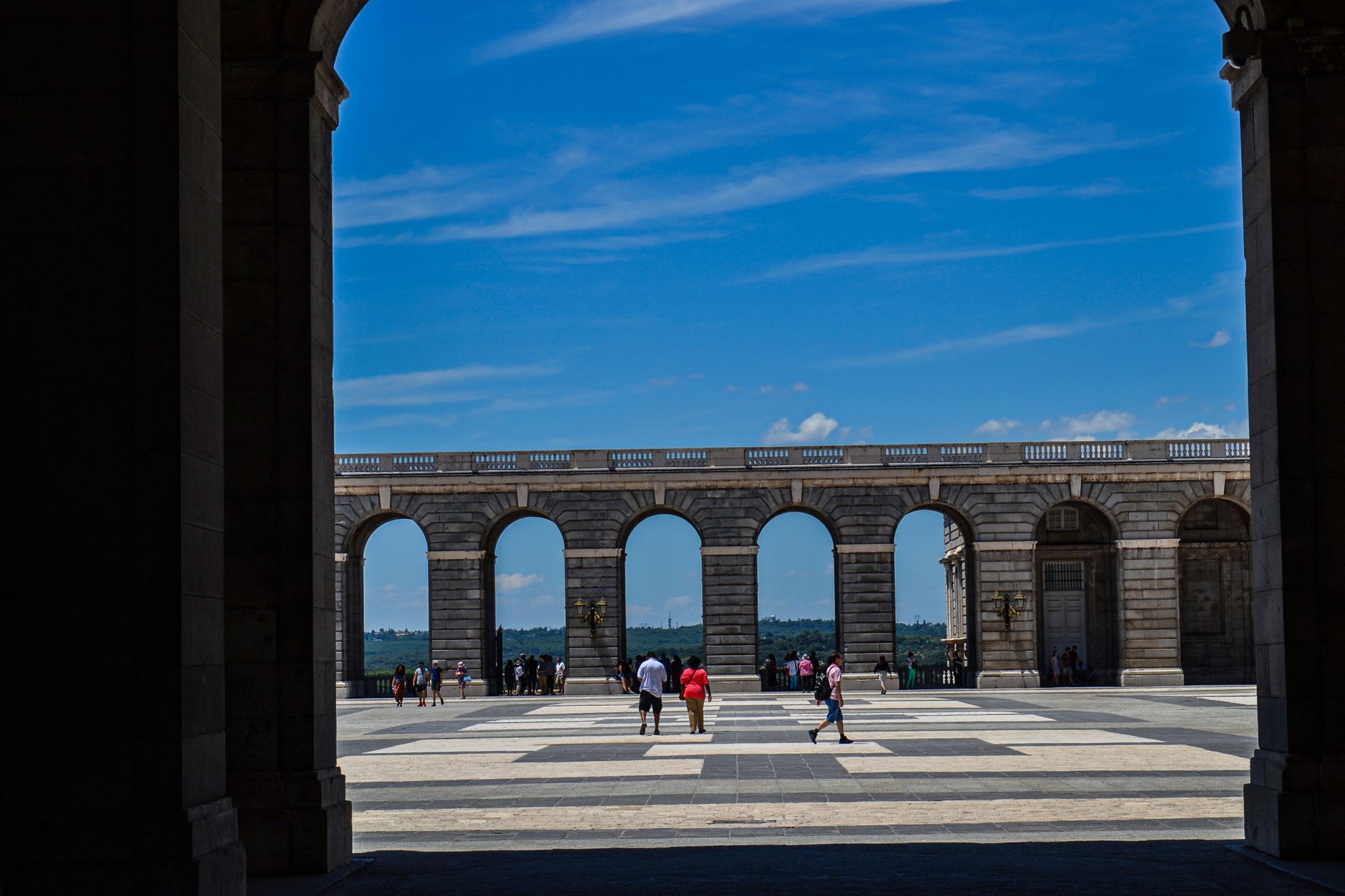
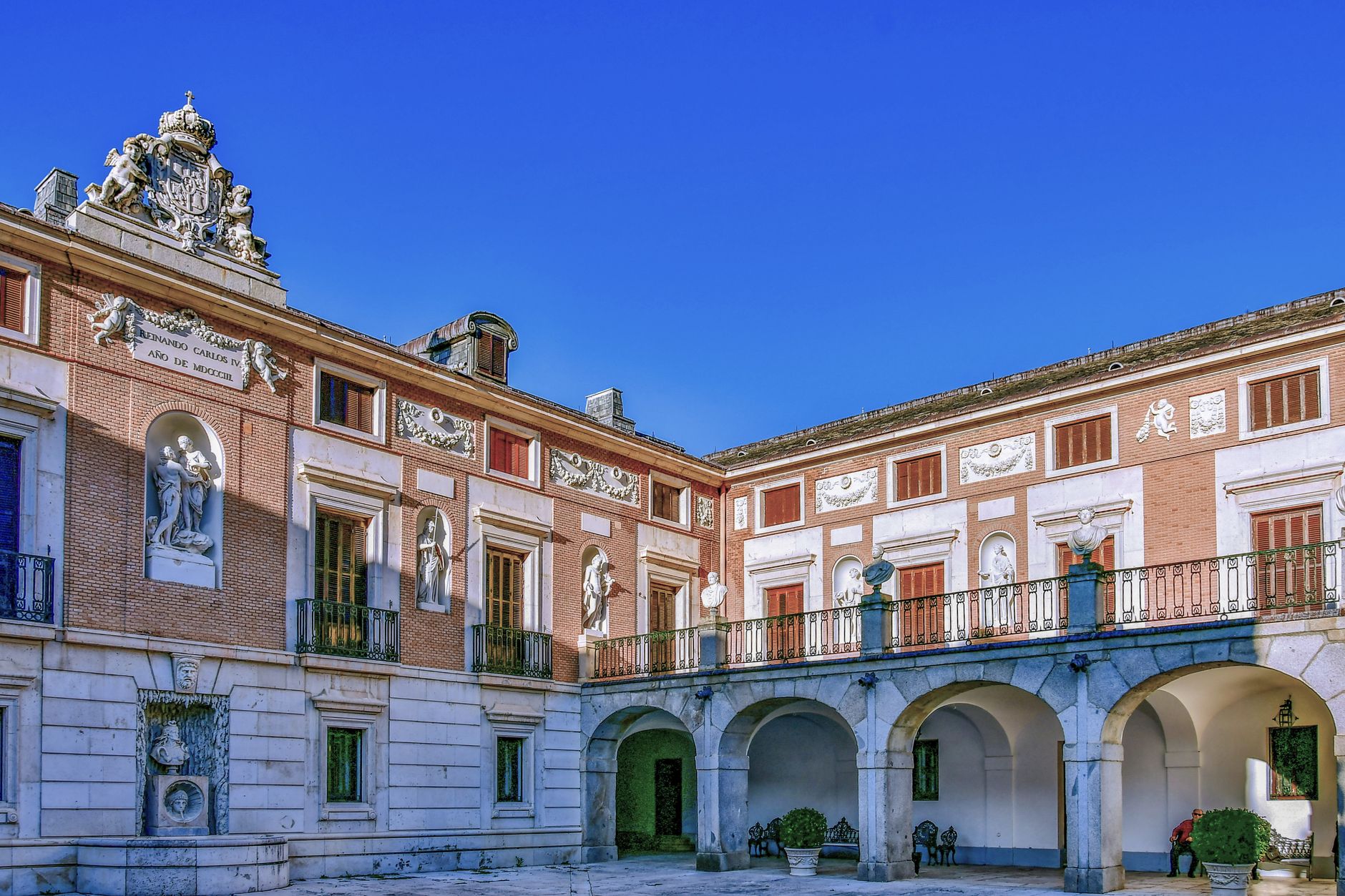
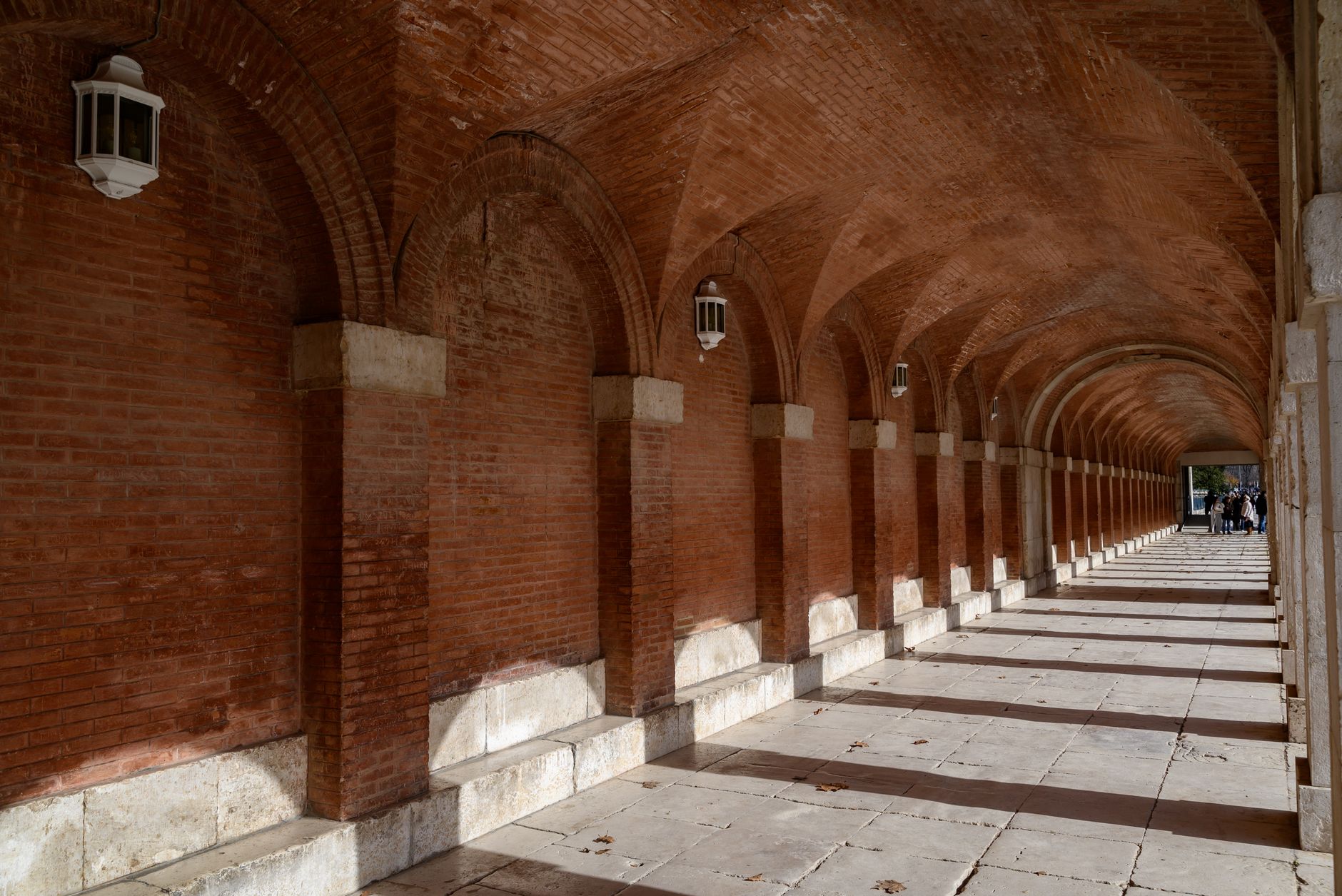
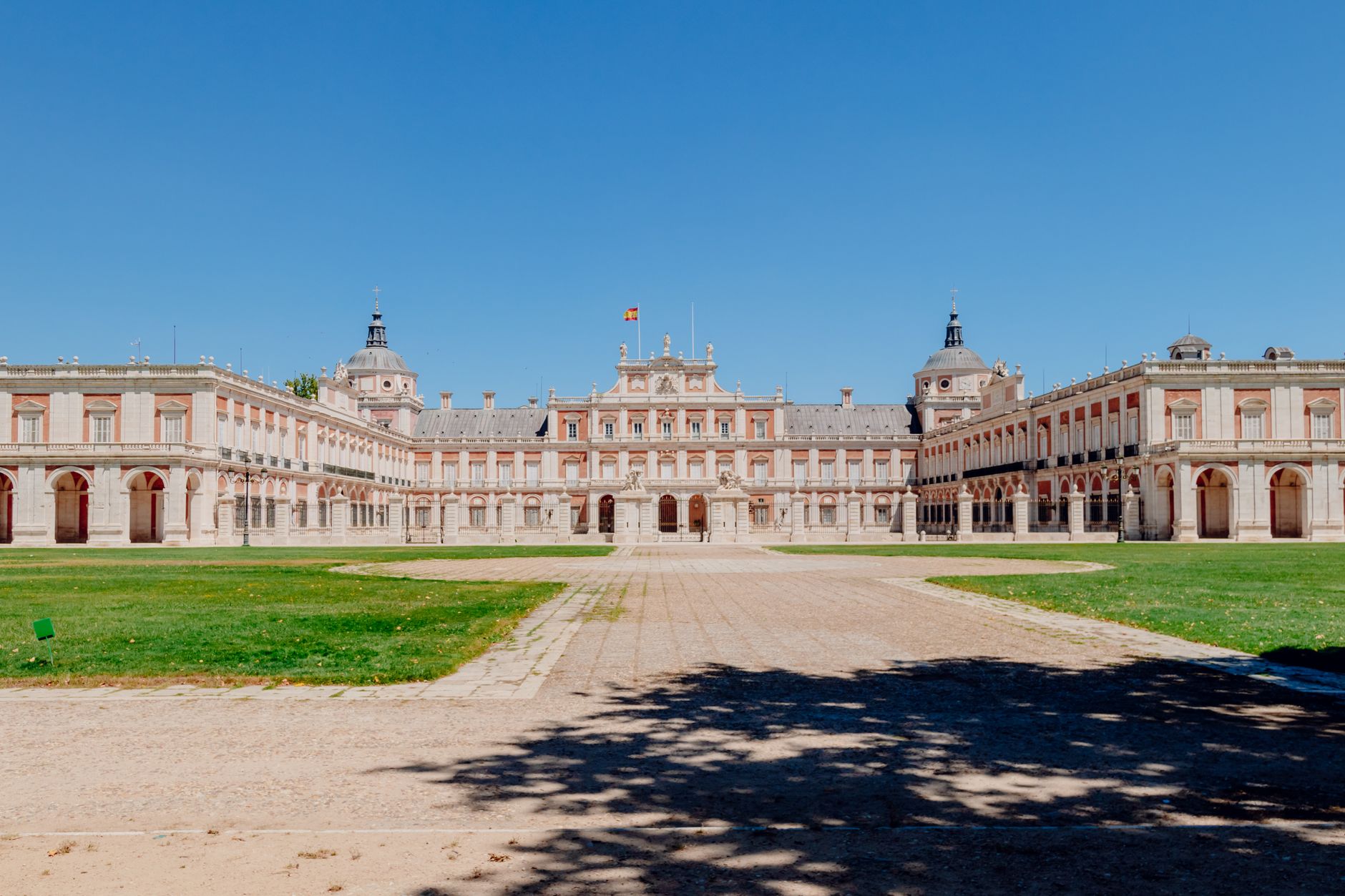
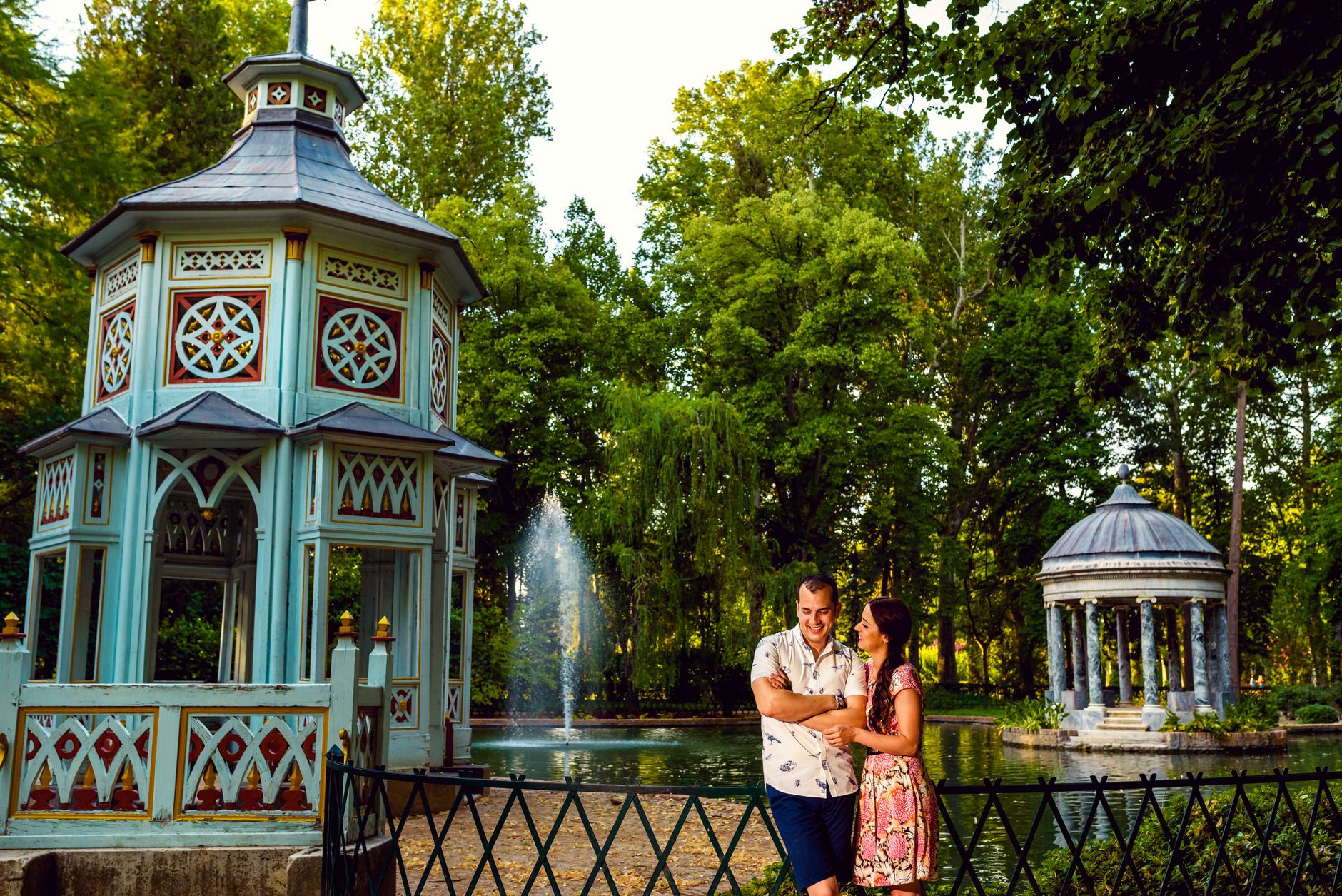
Forty-five minutes south of Madrid on the C3 commuter line, Aranjuez is a town built around the idea of a perfect royal afternoon. The Tagus and Jarama rivers converge here, and the Spanish Crown noticed early: Philip II claimed the estate in 1560, and for nearly two centuries only royalty and nobility were permitted to live within its limits. That history is still visible in the geometry of the streets, the palace at the centre of everything, and gardens where stone fountains depict scenes from Greek mythology.
The UNESCO World Heritage listing — awarded in 2001 for the Aranjuez Cultural Landscape — sounds bureaucratic until you walk the Jardín del Príncipe on a weekday morning and find almost no one else there.
💛 What travellers fall for
People who come back tend to skip the guided palace supplement (8 €, and the self-guided hour covers the essentials) and spend that time instead in the Jardín de la Isla, the older garden on the river island. The neomudéjar train station, ten minutes' walk from the palace, is worth a proper look on the way out.
Experiences you don't want to miss




Deals in Aranjuez
Book directly at the provider
How Aranjuez came to be
The Order of Santiago built its Master House on the Tagus bank in the 14th century, but Aranjuez's character was set by Philip II, who in 1561 commissioned Juan Bautista de Toledo — and later Juan de Herrera — to replace the old residence with something grander. The town remained a closed royal enclave until 1752, when Ferdinand VI opened it to ordinary settlement and commissioned a proper urban plan.
Fire destroyed the palace in 1748; Ferdinand VI rebuilt it. Philip V had already constructed the main body; Francesco Sabatini later added the two west wings. Charles III founded the Royal Convent of San Pascual in the same era, and his son Charles IV erected the Casa del Labrador — a neoclassical pavilion — and ordered a bullring with capacity for 9,000 in a town of barely 4,000 people. In 1939, Joaquín Rodrigo, blind since childhood, composed the Concierto de Aranjuez drawing on memories of those gardens.
Who and what shaped it
People who shaped it
Landmark buildings
See Aranjuez in motion
Plan your visit
On the map
When to go
Summers are hot and dry — July and August regularly exceed 35 °C, which makes the shaded garden paths genuinely useful. Spring (April to June) and early autumn (September to October) are the most comfortable seasons for walking the grounds; winters are cold and clear, and the shorter palace hours (closing at 6 pm) mean an early start pays off.
Right now
Background & history adapted from Wikipedia (CC BY-SA) · specs from Wikidata (CC0) · weather from Open-Meteo · map data © OpenStreetMap contributors · photos from Wikimedia Commons / Unsplash with per-image credit. No third-party reviews or social posts reproduced.