Barrio de Alpajés & Calle Stuart
While tour groups stream between the palace and the gardens, the old workers' neighbourhood of Alpajés quietly gets on with being one of the most characterful barrios in the Madrid region — a grid of low whitewashed houses, wrought-iron balconies dripping with geraniums and corner bars where a glass of local wine costs less than a coffee in the capital.

Architecture and Atmosphere
Alpajés was built in the eighteenth century to house the army of craftsmen, gardeners and court servants who kept the royal residence running. The streets are unusually wide and straight for a Spanish town of this age, laid out on a grid that gives the neighbourhood a calm, almost provincial-French feel entirely different from the monumental palace precinct.
Calle Stuart — named after a Scottish Jacobite family who served the Bourbon court — is the neighbourhood's main artery, lined with small shops, a couple of excellent tapas bars and a ceramics workshop that sells hand-painted tiles in the traditional Talavera style at workshop prices.

Local Bars and Hidden Plazas
Plaza de San Antonio, the neighbourhood's social hub, fills with locals on weekend evenings for the paseo — a ritual evening stroll that feels entirely unperformed and untouristy. The terrace of Bar Remo here is the best spot in Aranjuez to drink a vermouth and watch the world go by without paying palace-precinct prices.
A short detour down Calle de Postas leads to a tiny, unnamed plaza with a central fountain and a fig tree so old its roots have lifted the surrounding cobbles — the kind of accidental beauty spot that never appears in guidebooks but stays in the memory long after the palace fades.

When to Visit and What to Buy
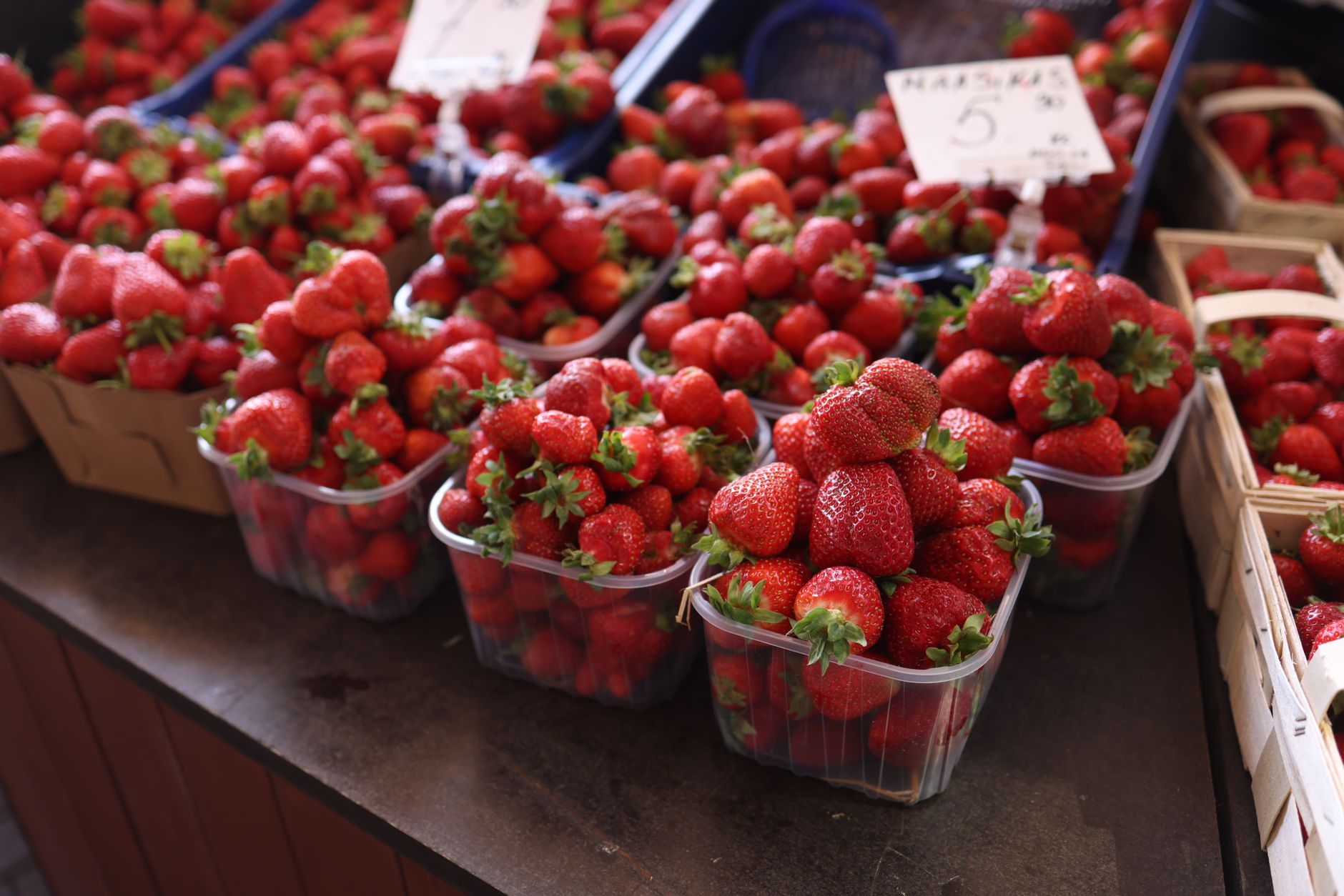
Sunday mornings are the best time to explore Alpajés: a small informal street market sets up along the edge of Plaza de San Antonio selling second-hand books, vintage ceramics and locally grown produce that doesn't make it to the main Mercado de Abastos.
The ceramics workshop on Calle Stuart (look for the hand-painted tile sign above the door) sells individual decorative tiles from €4 — a far more personal souvenir than anything available in the palace gift shop and one that actually supports a local artisan.
More of Aranjuez
Discover where to stay, what to do and the best deals for your trip.
Explore Aranjuez →