
Seville
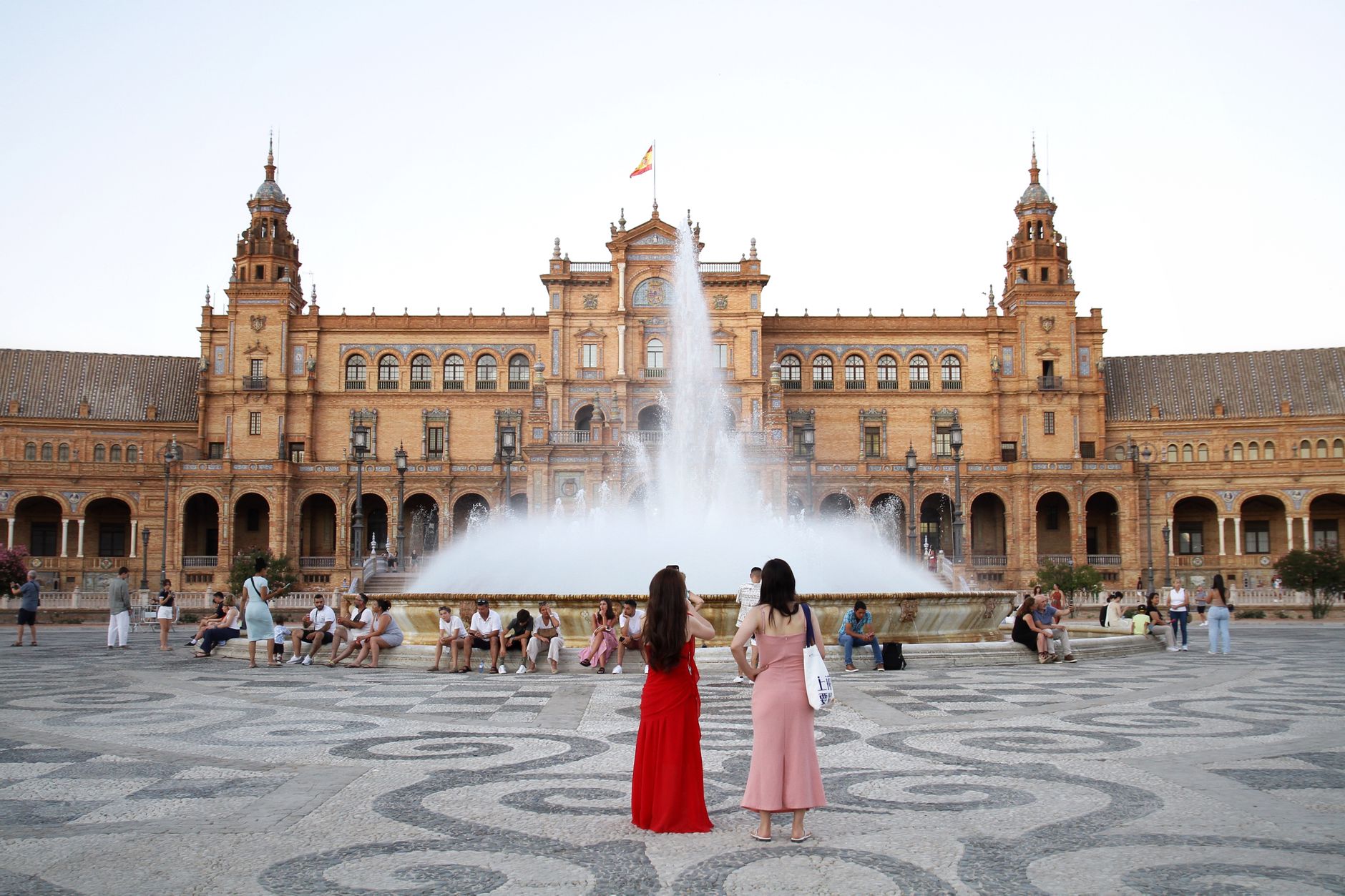
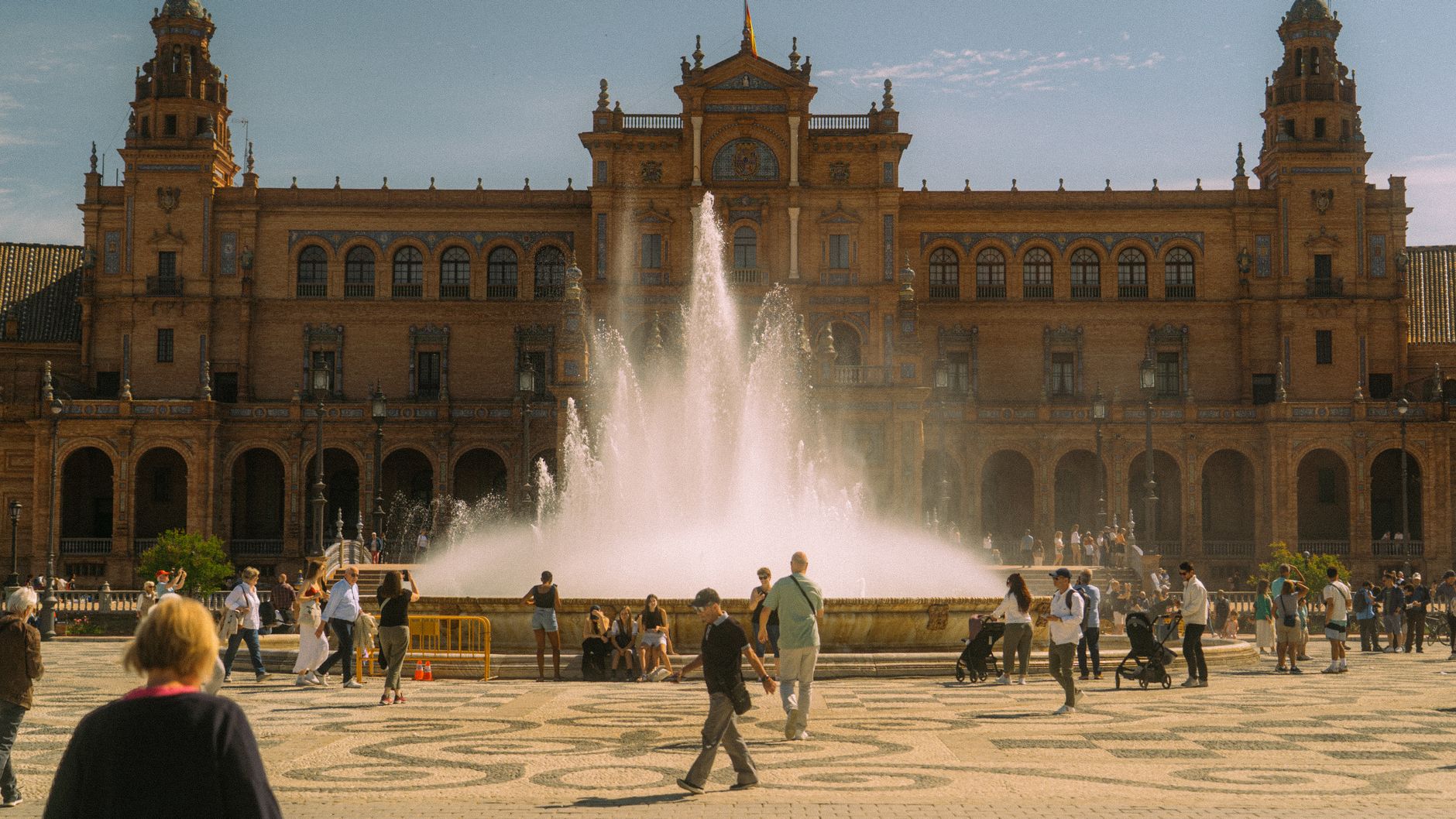
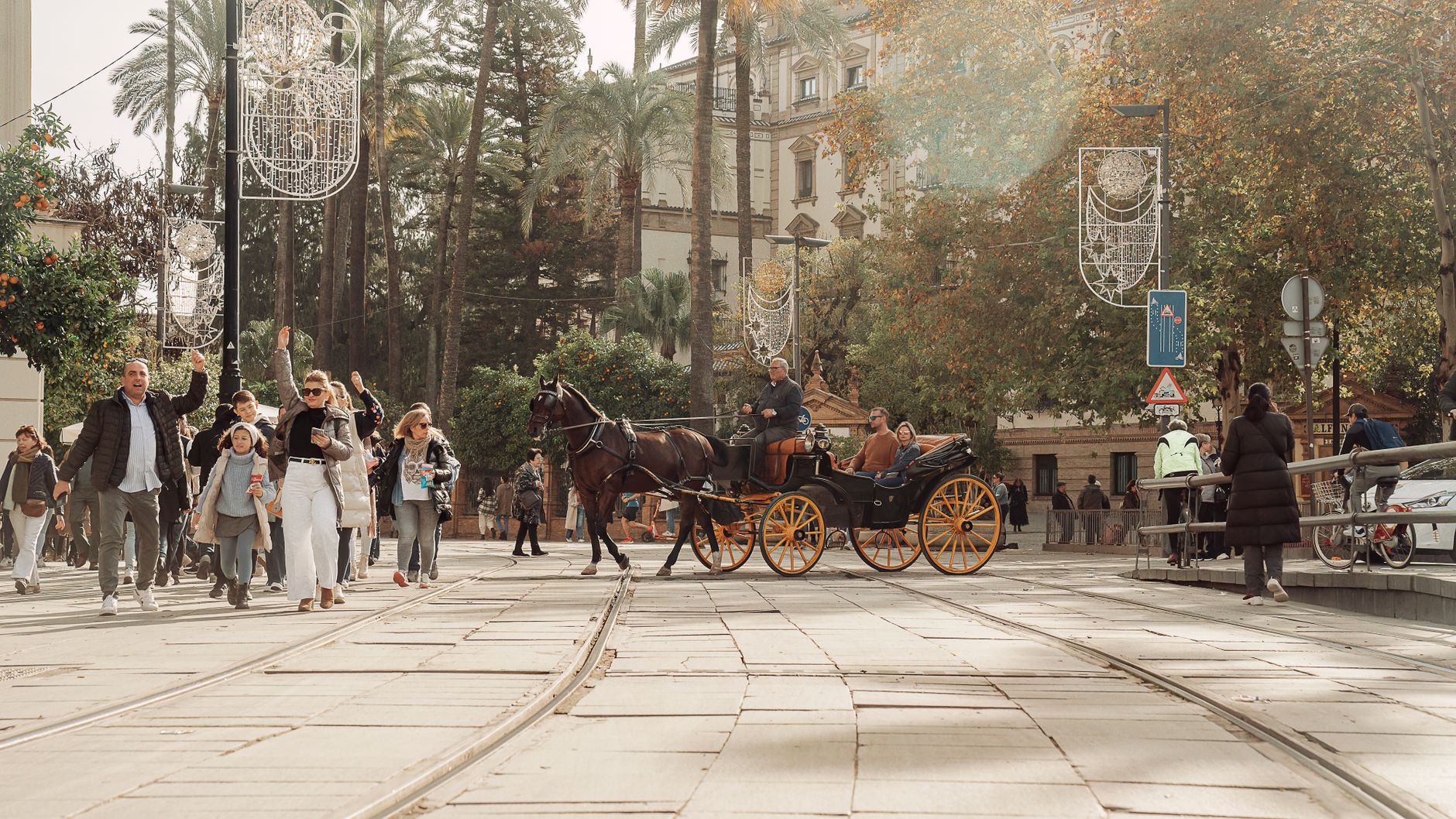
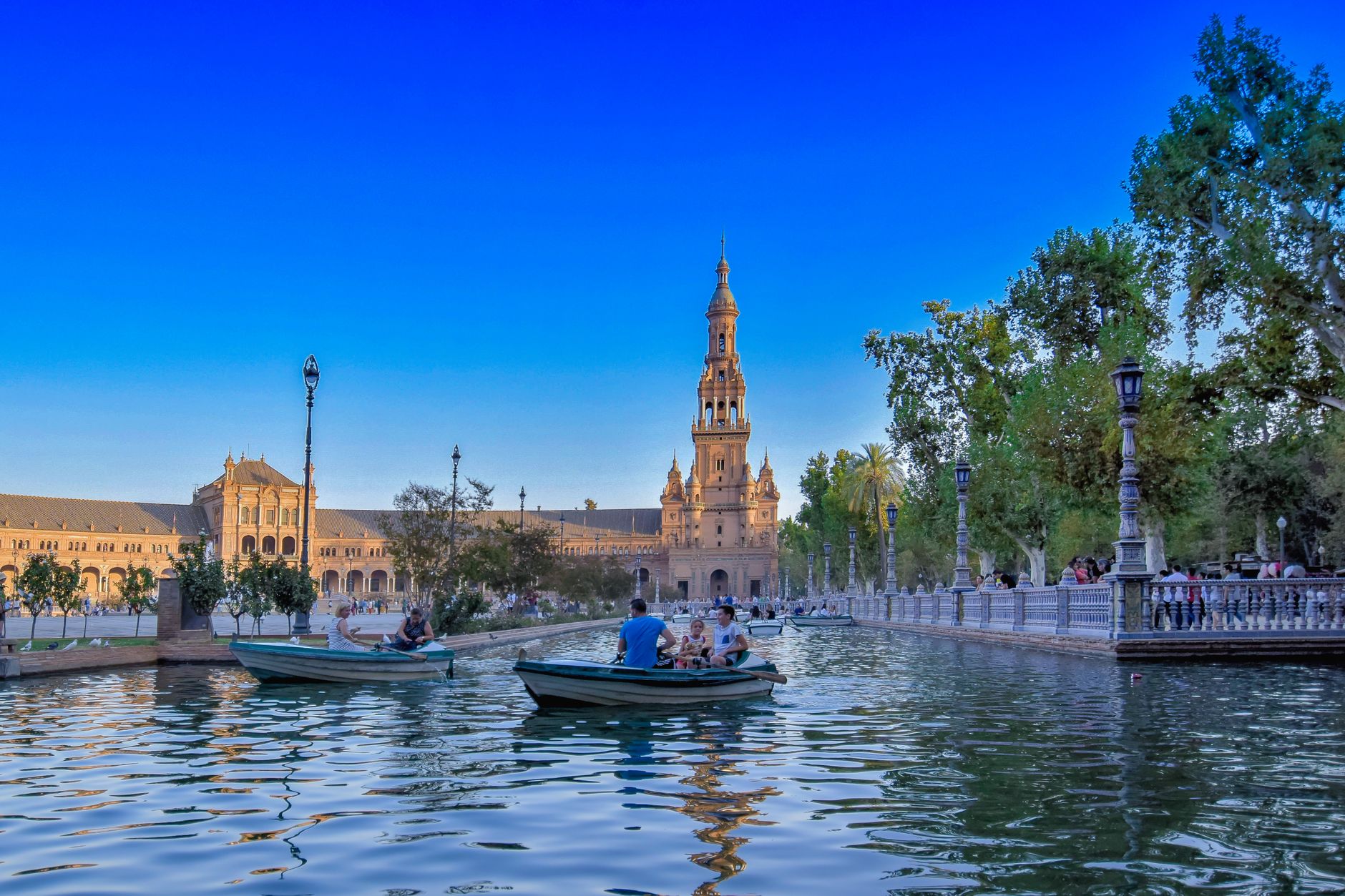
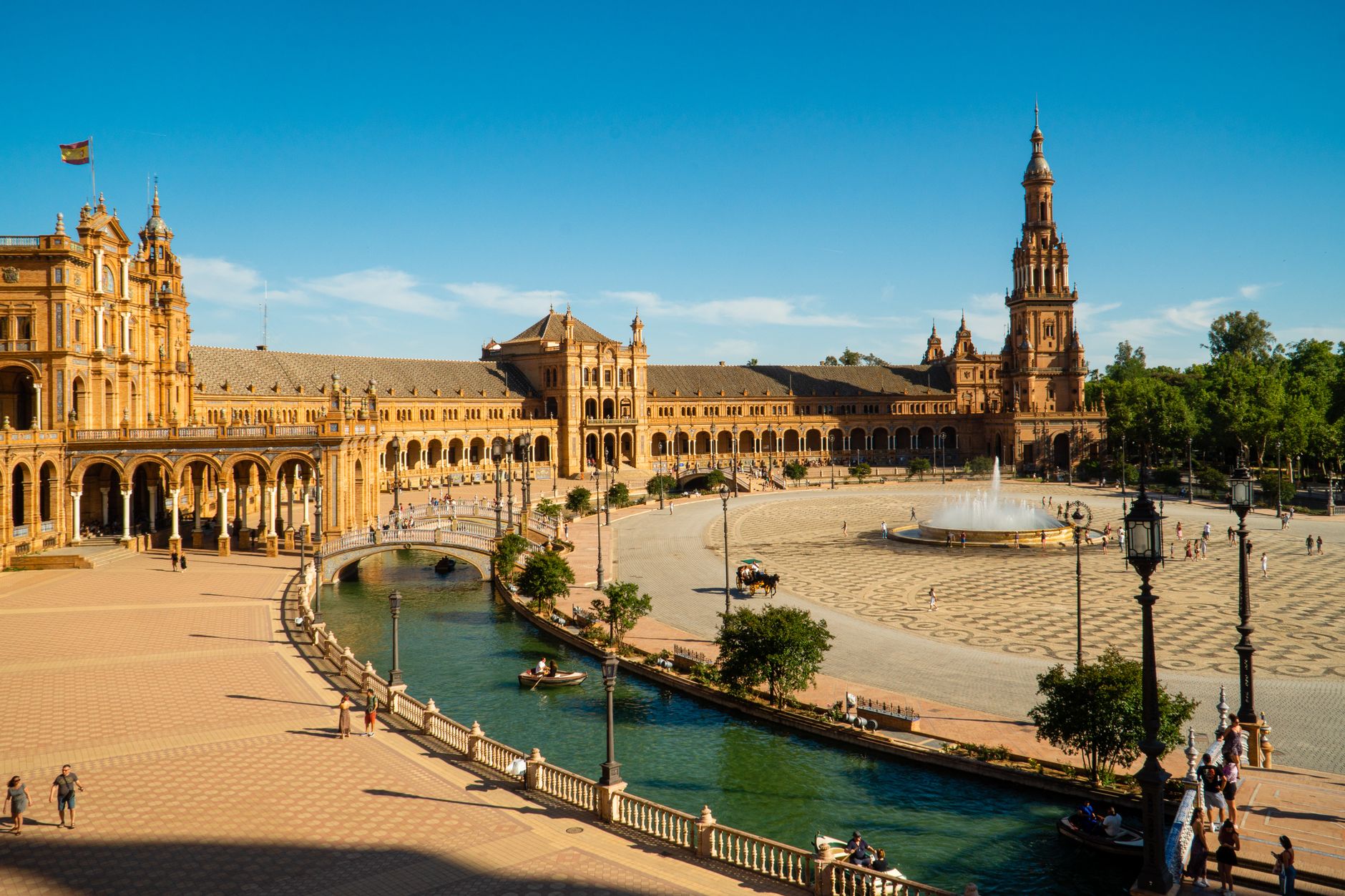
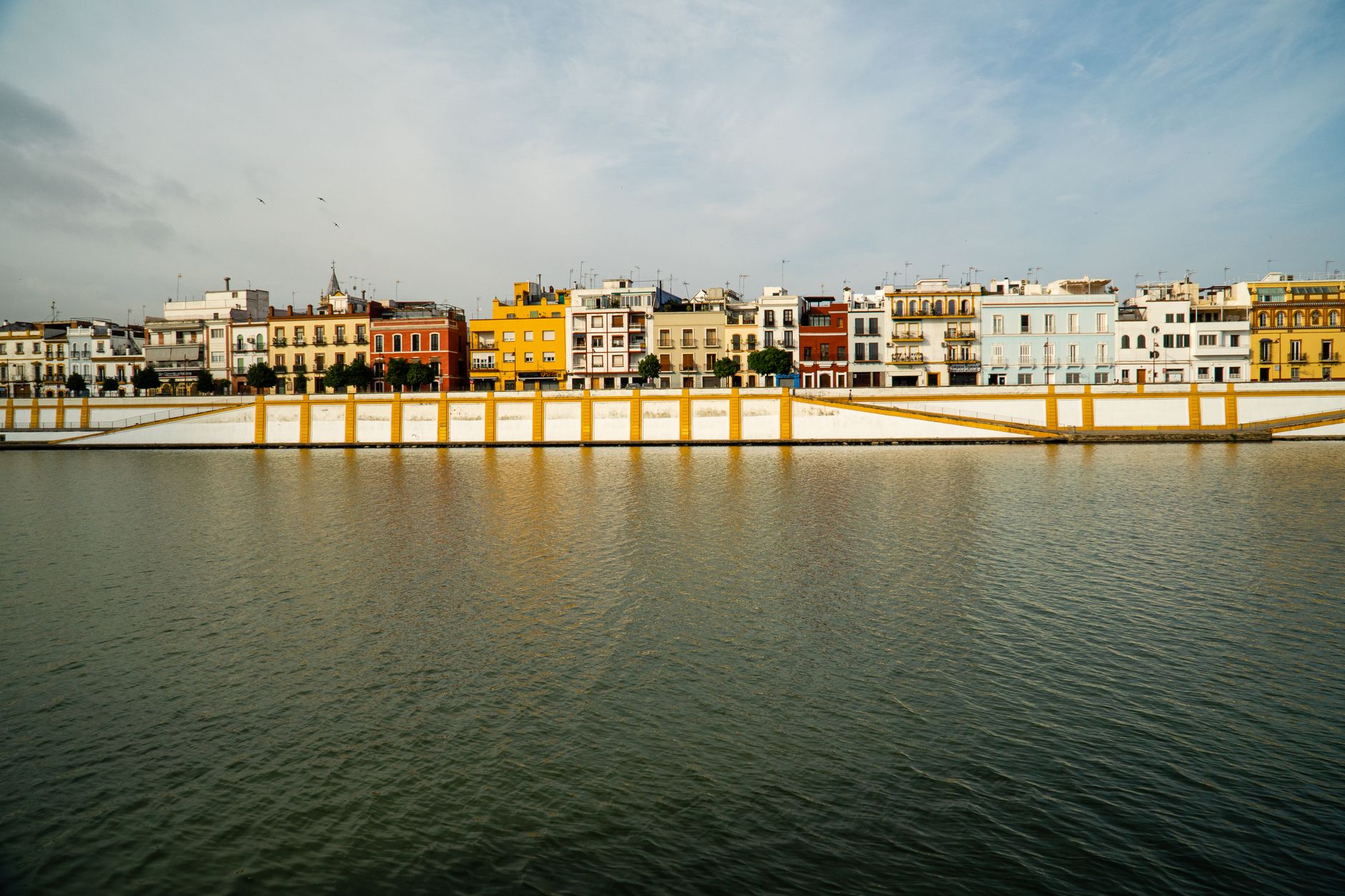
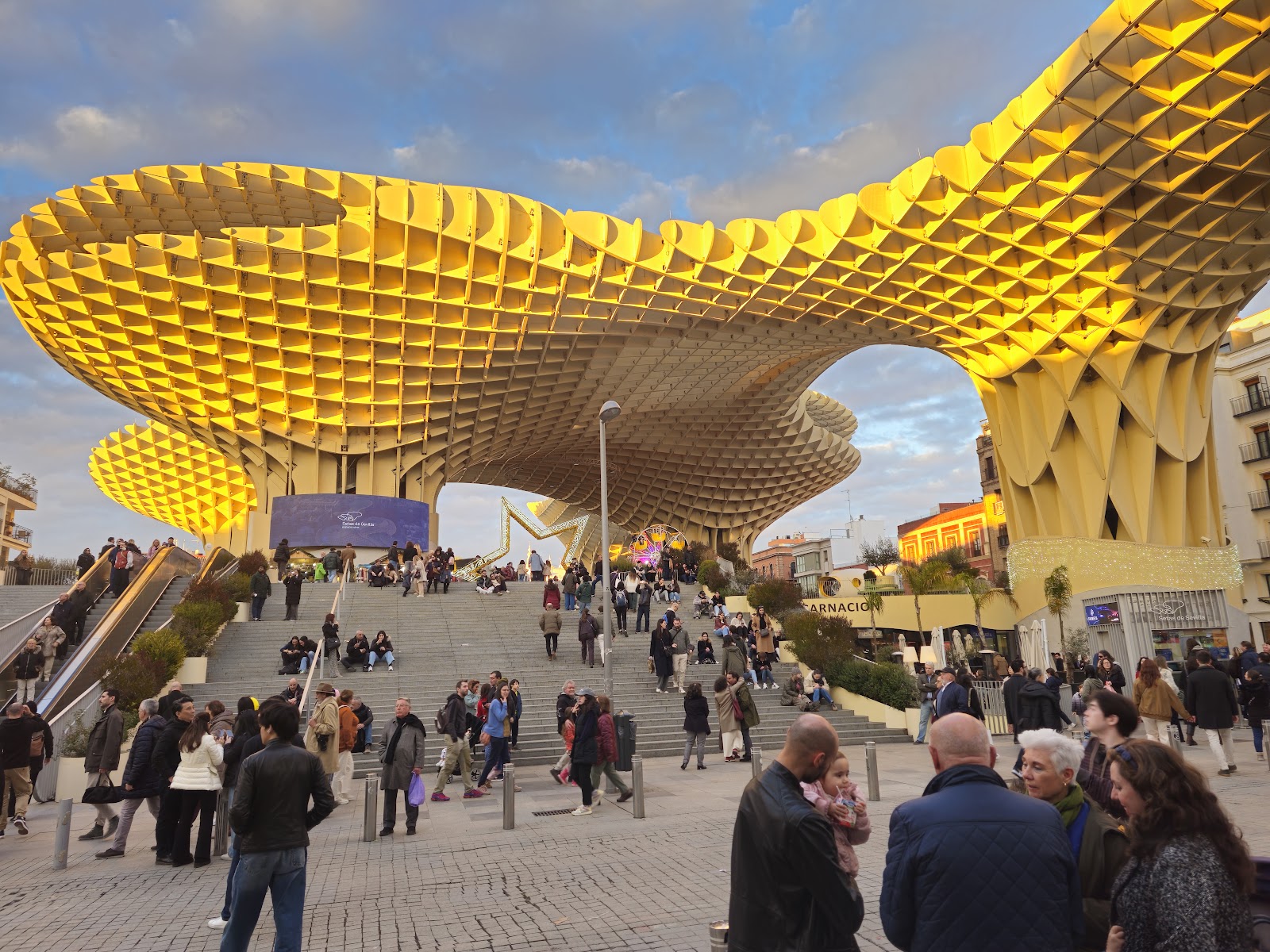
Stand on the roof of Las Setas — those great wooden mushroom-forms that Jürgen Mayer completed in 2011 — and the city arranges itself below you in layers: Roman foundations, Moorish walls, baroque church towers, and the wide green bend of the Guadalquivir. Seville is not a place that tidies up its past.
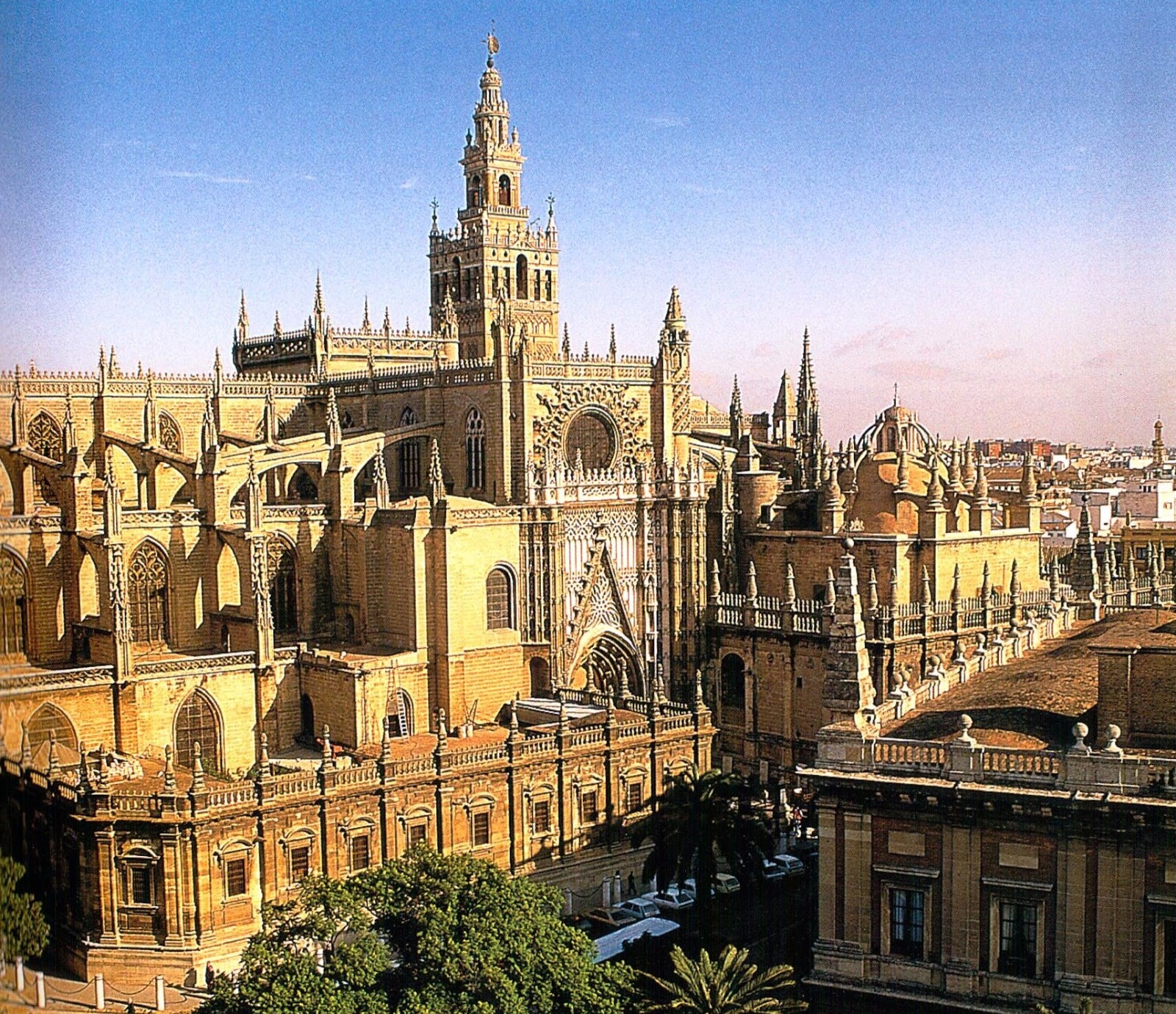
For two centuries after 1503, every ship sailing between Spain and the Americas cleared through this port. Ferdinand Magellan left from here in 1519. The wealth that came back built the cathedral, the Alcázar gardens, and a city of over 100,000 people — the largest in Spain at the time. That scale still shows.
💛 What travellers fall for
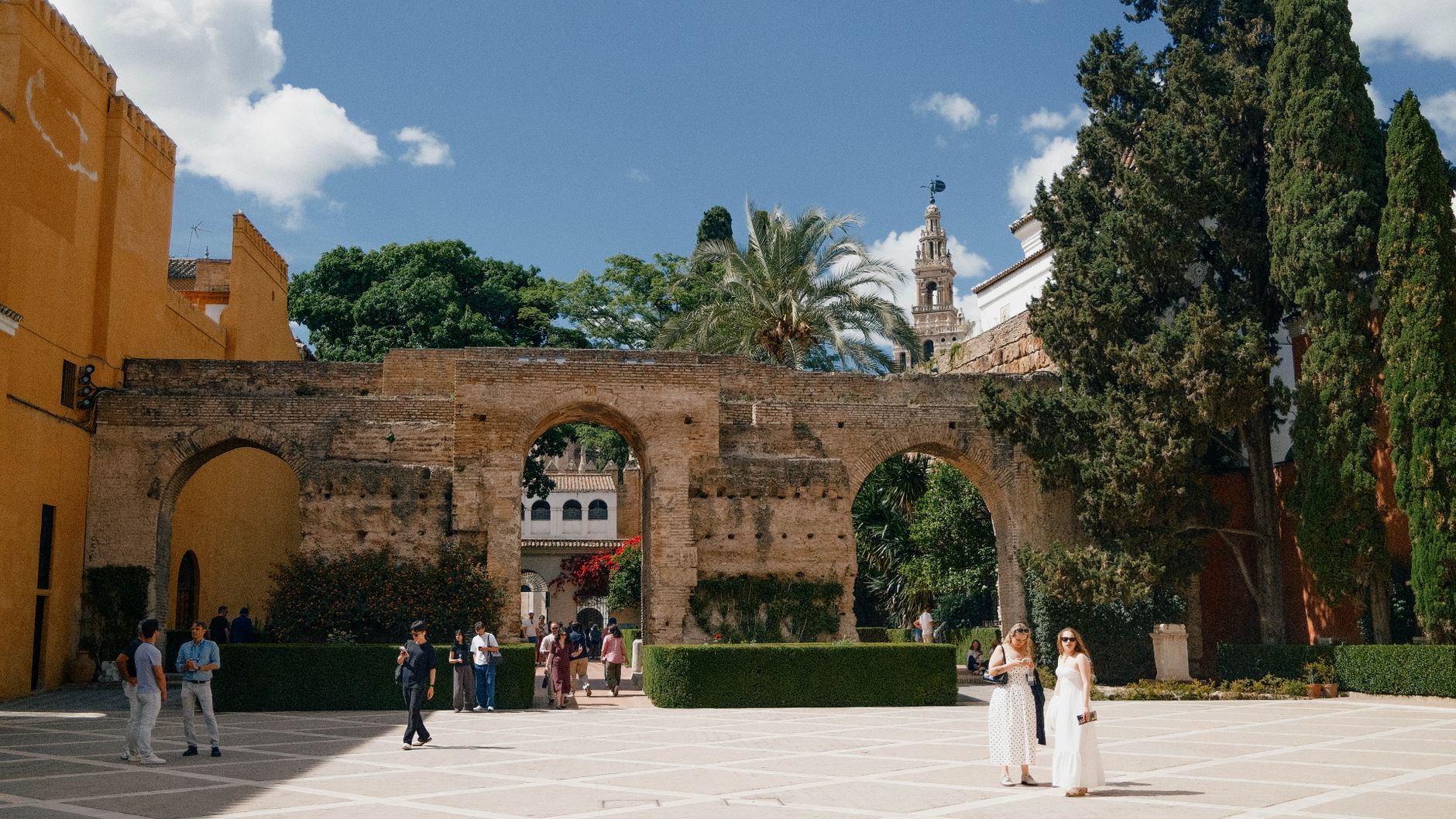
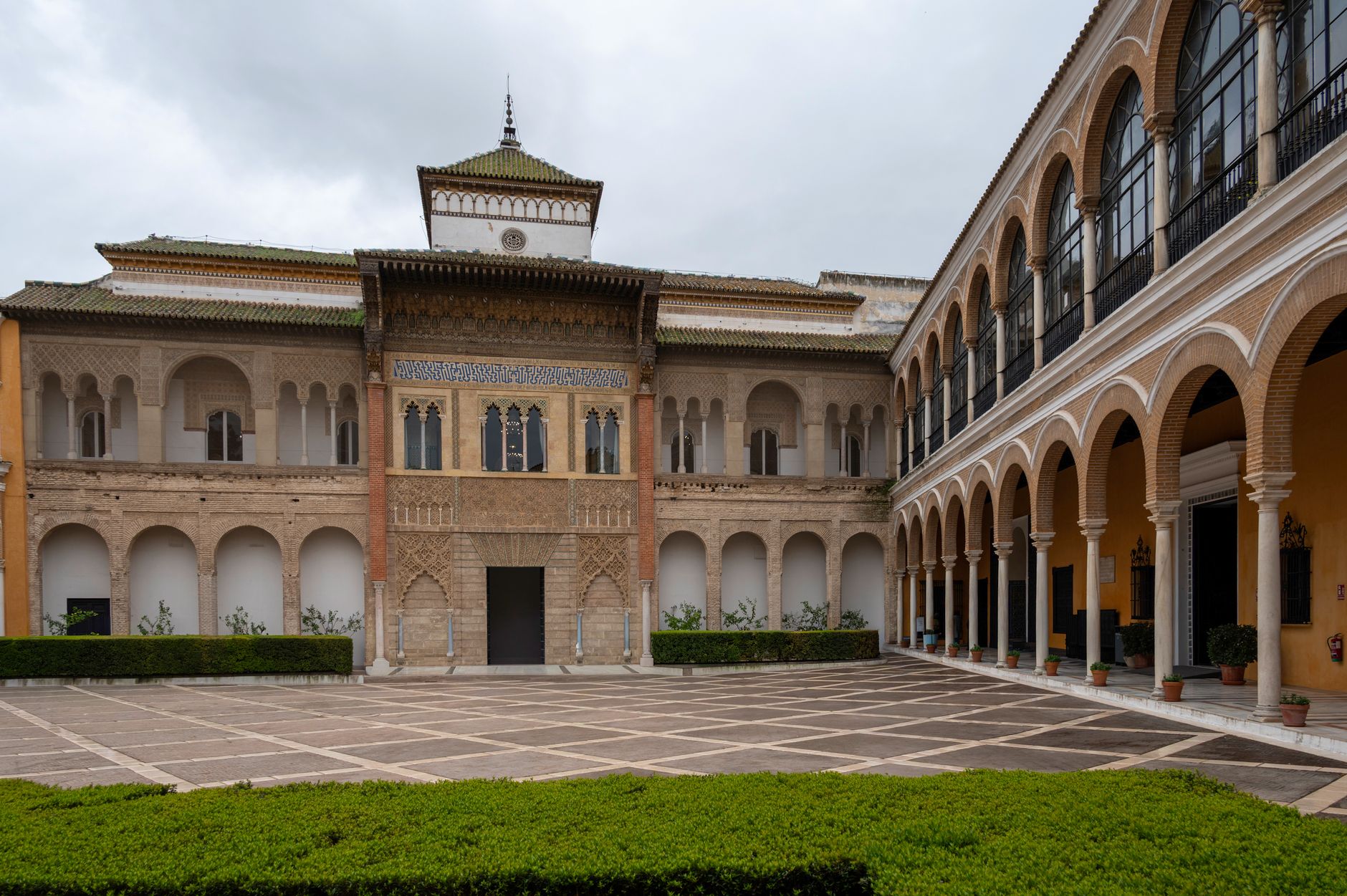
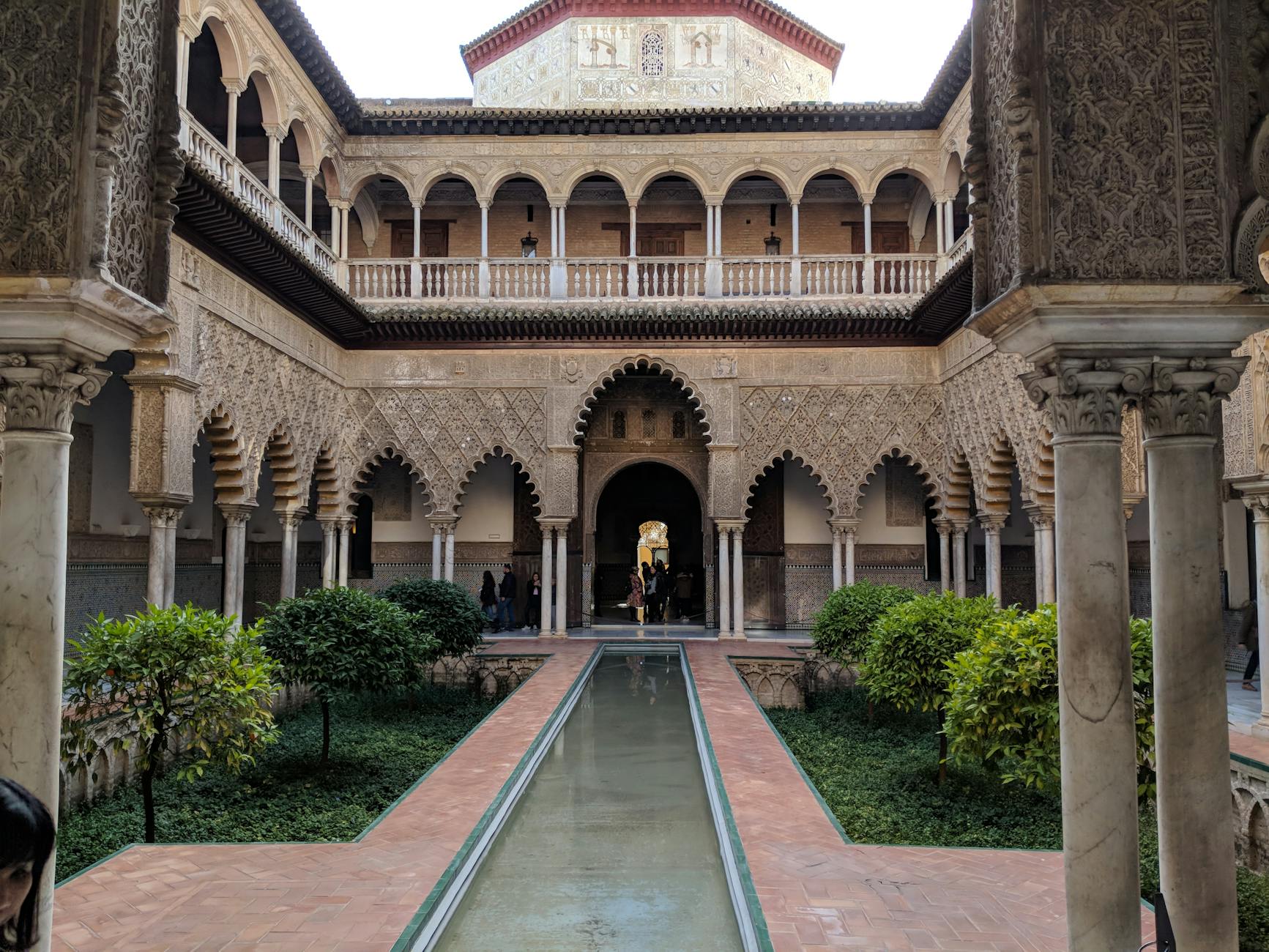
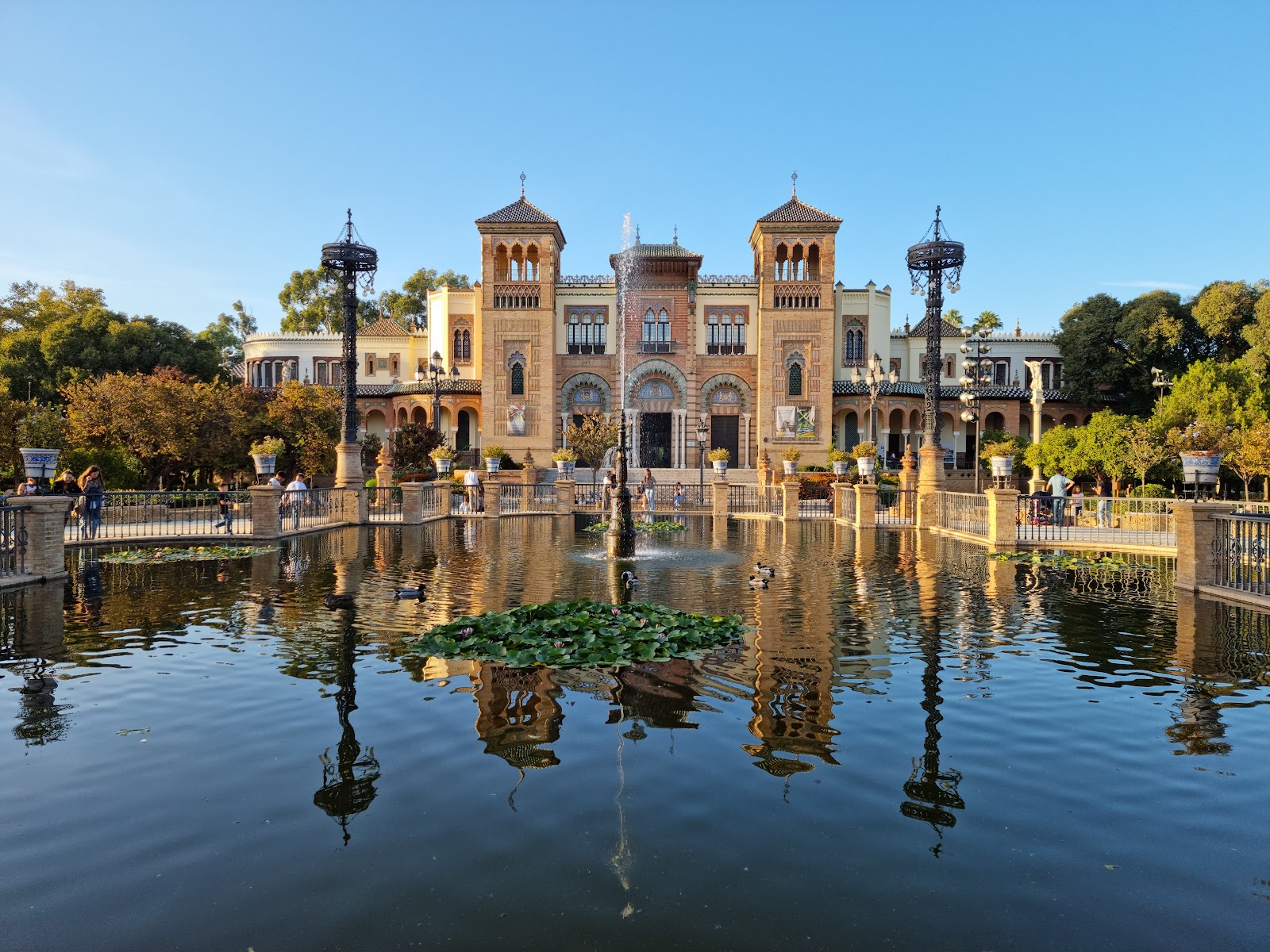
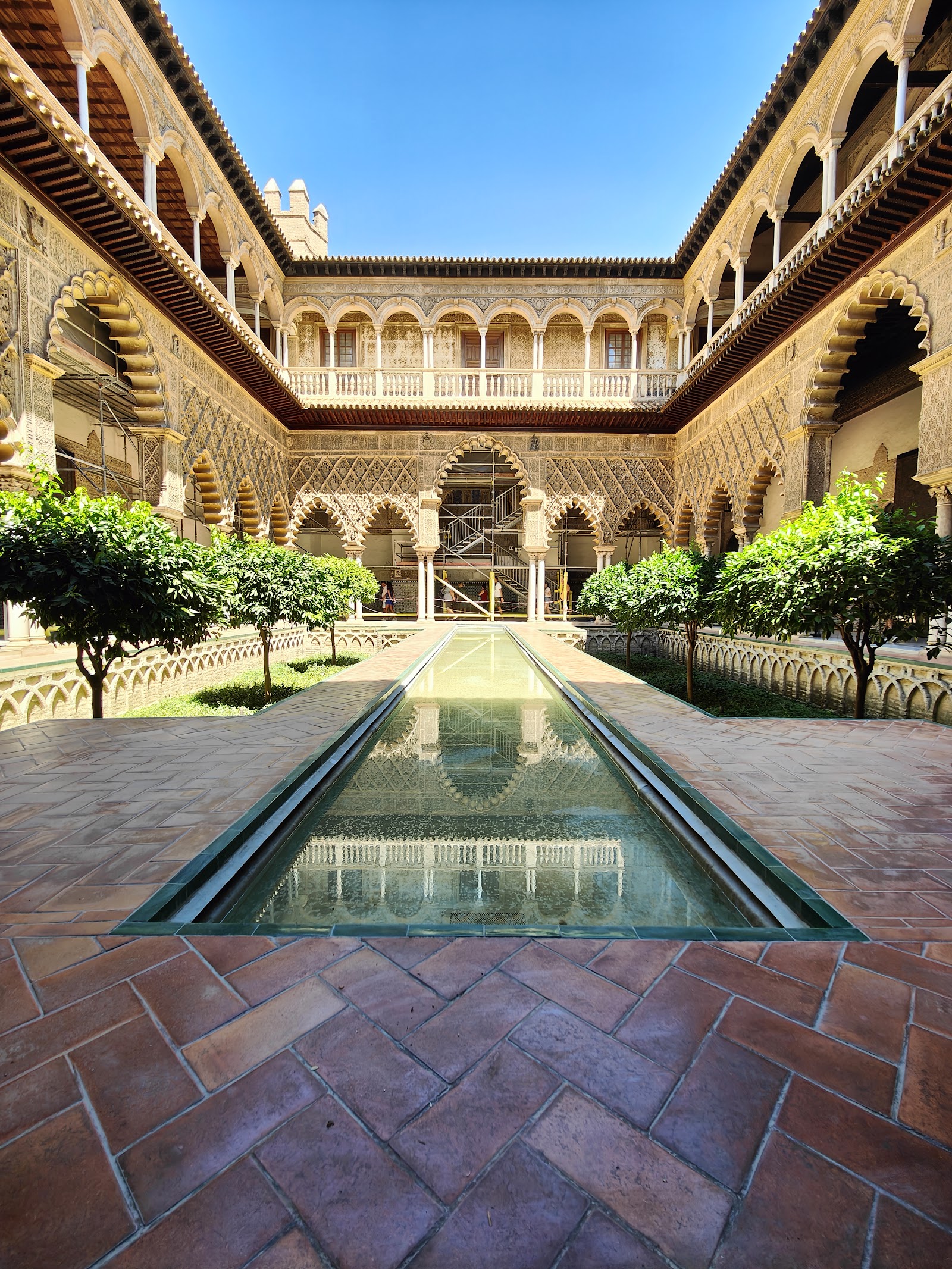
People who keep coming back tend to say the same things: go to the Real Alcázar before 10am, when the Mudéjar tilework is yours alone. Walk the María Luisa Park at dusk rather than noon. And give at least one evening to the General Archive of the Indies — not inside, just the building's extraordinary, austere exterior at golden hour.
Experiences you don't want to miss



Deals in Seville
Book directly at the provider


How Seville came to be
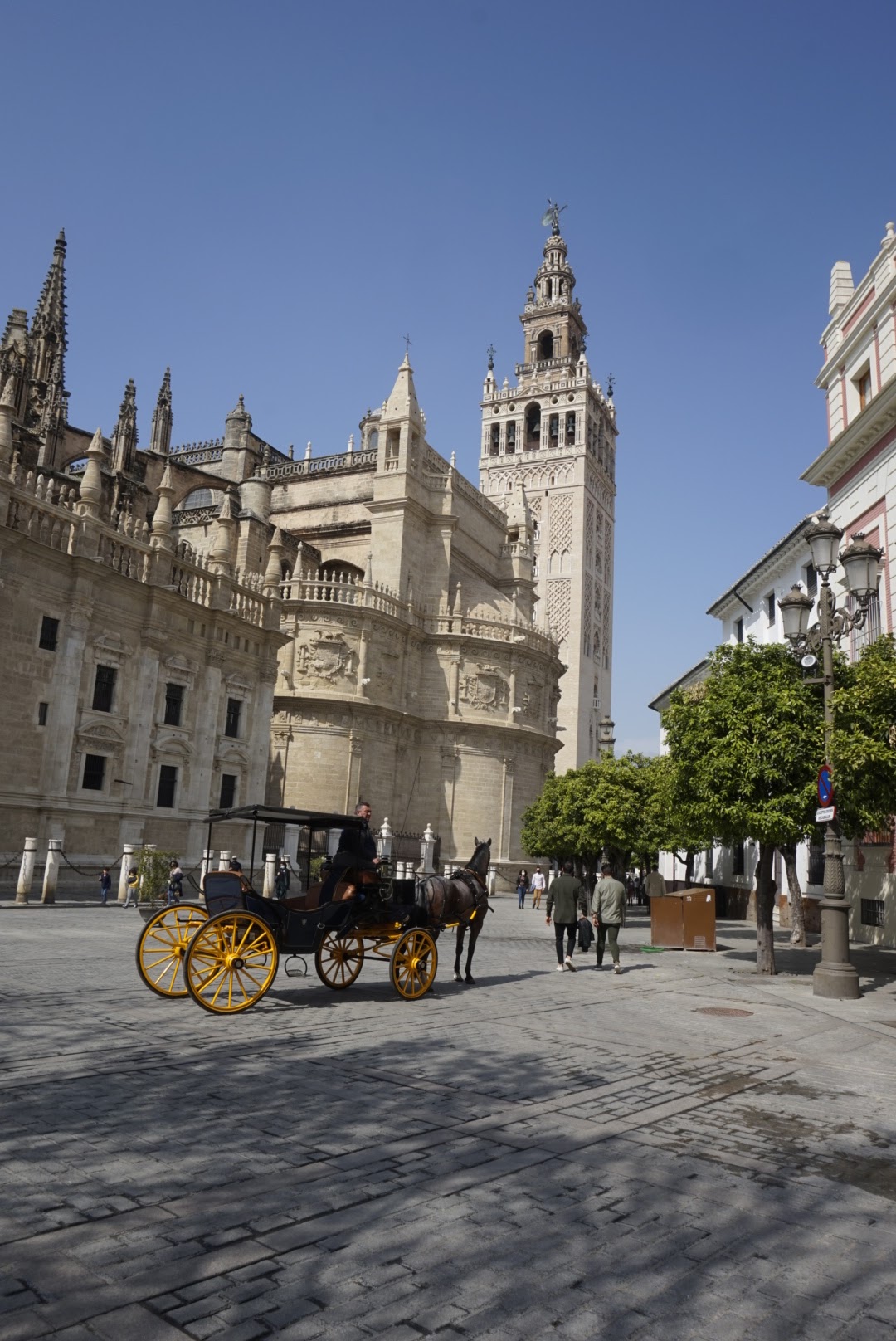
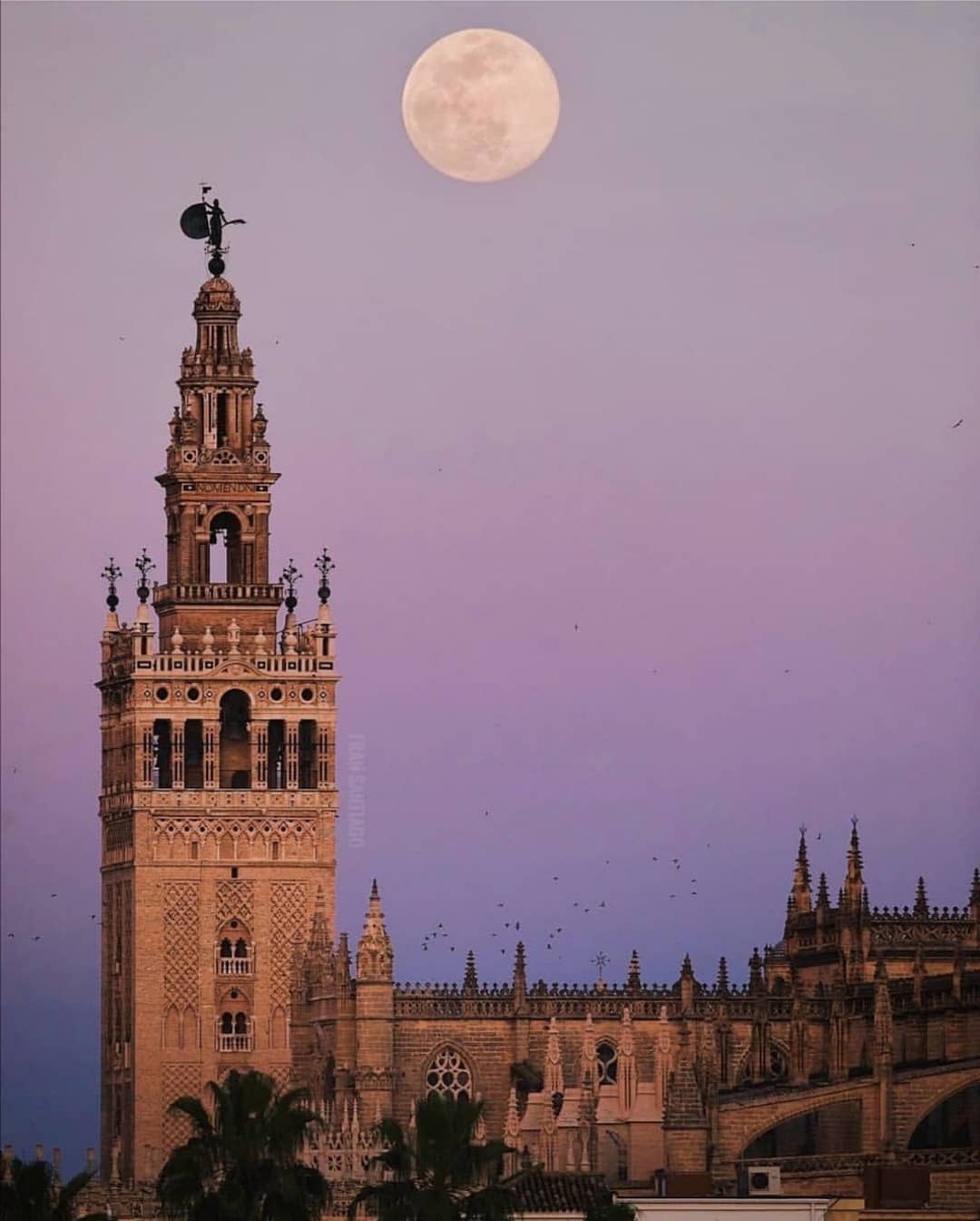
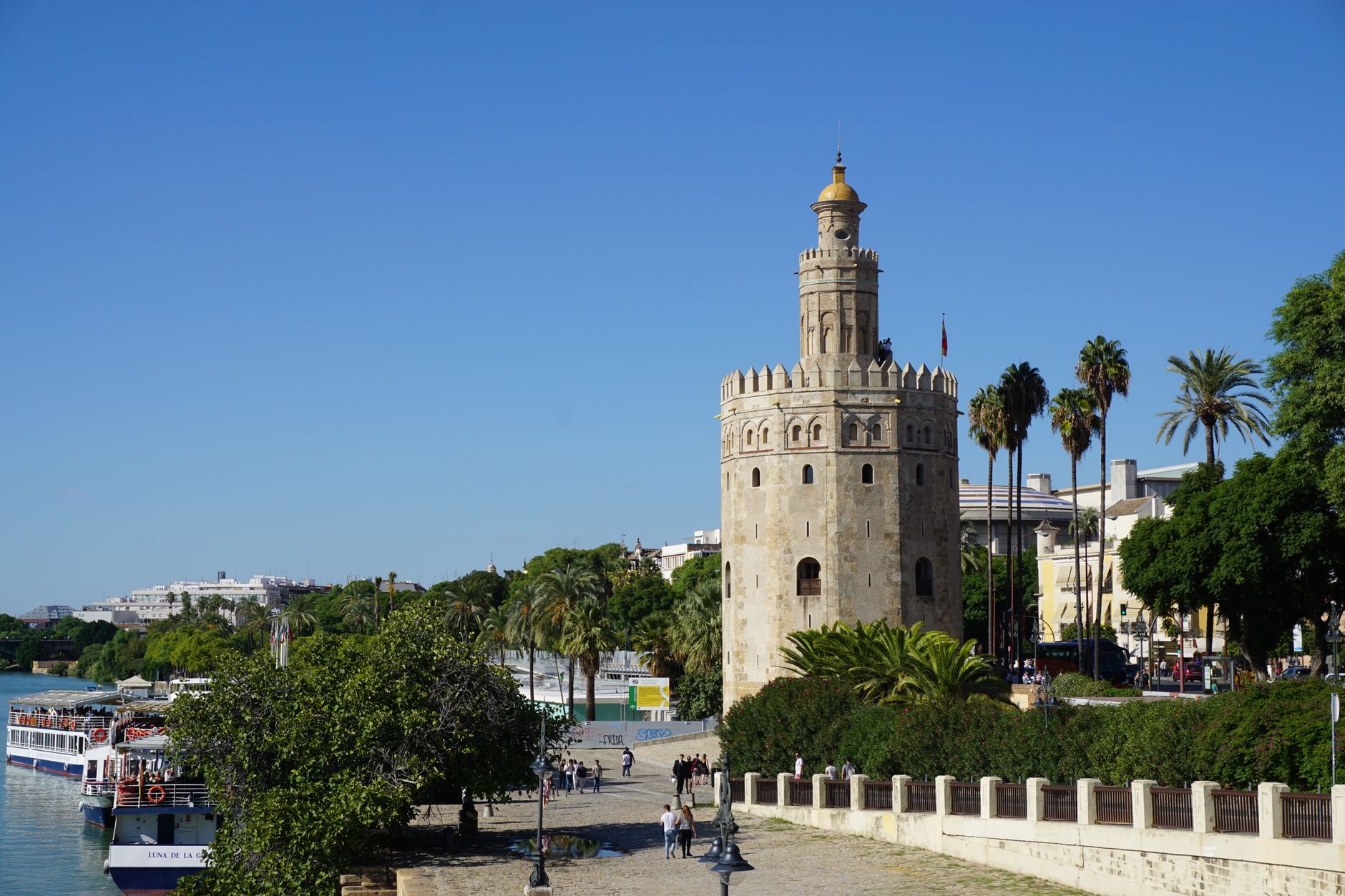
The ground beneath Seville has been occupied since at least the 8th century BC, when excavations under the Real Alcázar in 1999 turned up remains from the Tartessian period. Carthaginians destroyed that early settlement; Romans rebuilt it as Hispalis, formally named in 49 BC and granted colonial status by Julius Caesar four years later. Moorish rule followed in 713 under Abd al-Aziz ibn Musa, and for stretches of the 12th and 13th centuries the city served as capital for both the Almoravid and Almohad dynasties — the Torre del Oro and the Giralda minaret date from this era.
In November 1248, Ferdinand III of Castile took the city after a long siege and made it one of his kingdom's capitals. The bigger pivot came in 1503, when Queen Isabella I granted Seville a royal monopoly as Spain's sole port of trade with the Americas. For roughly two centuries the city was the commercial centre of the known world. When the House of Trade moved to Cádiz in 1717, the long contraction began — not fully reversed until the 1992 World Fair brought investment and attention back to a city that had been quietly magnificent in the interim.
Who and what shaped it
People who shaped it
Landmark buildings
See Seville in motion
Plan your visit
On the map
When to go
Summers are genuinely extreme — July and August routinely hit 40°C or above, and the city slows to a crawl midday. Spring and autumn offer warm, manageable days; winters are mild but can bring sustained rain, particularly in January and February.
Right now
↡ Attractions
Background & history adapted from Wikipedia (CC BY-SA) · specs from Wikidata (CC0) · weather from Open-Meteo · map data © OpenStreetMap contributors · photos from Wikimedia Commons / Unsplash with per-image credit. No third-party reviews or social posts reproduced.