
Giralda
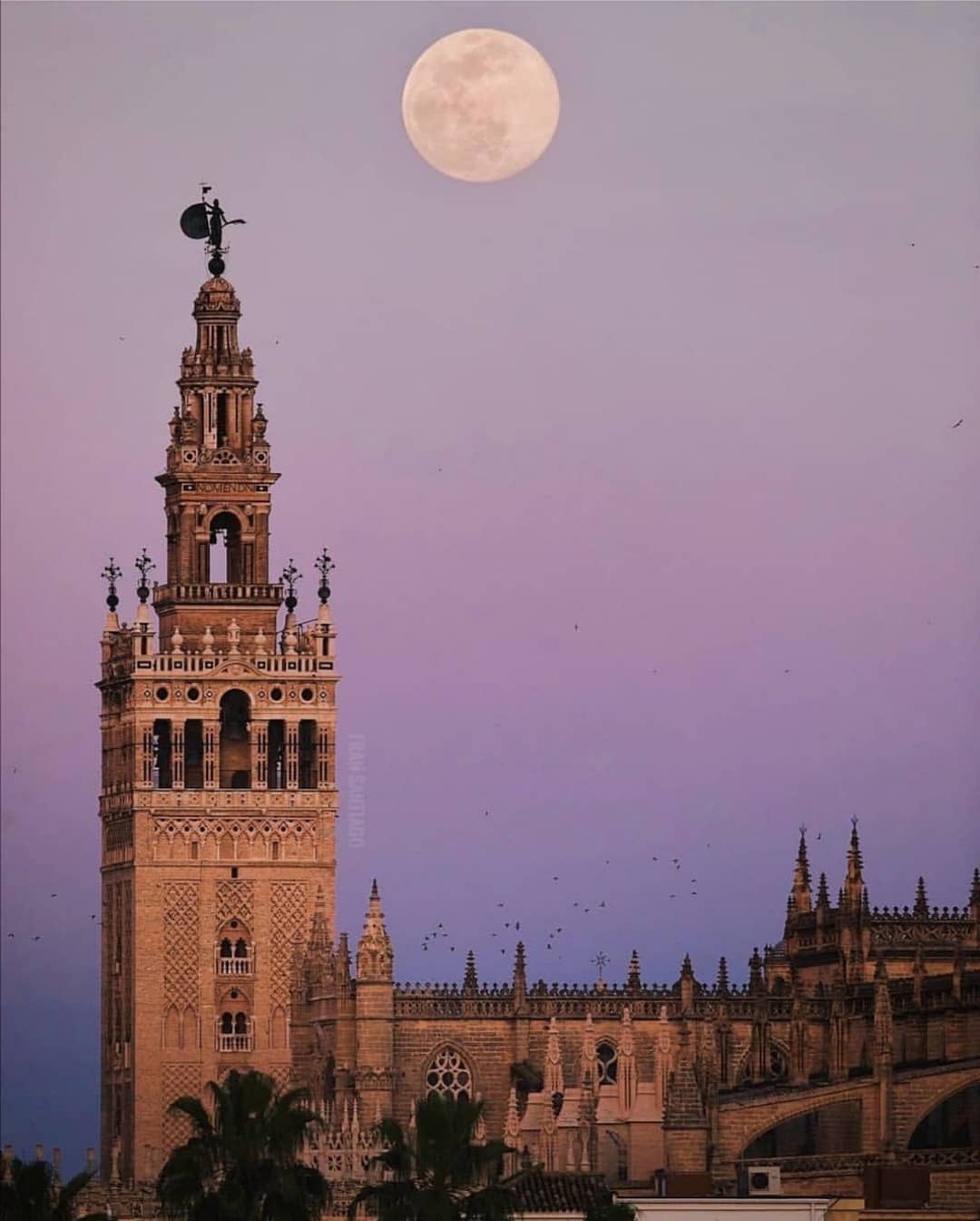
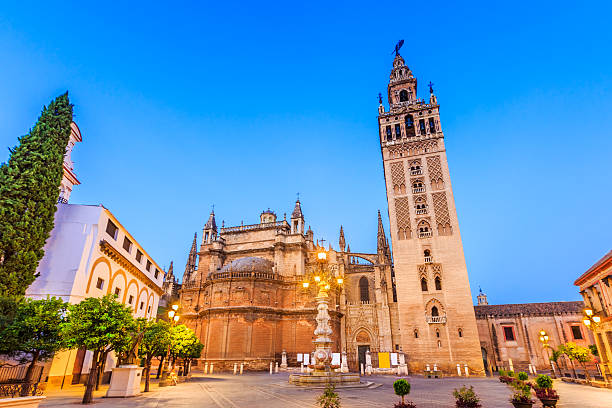
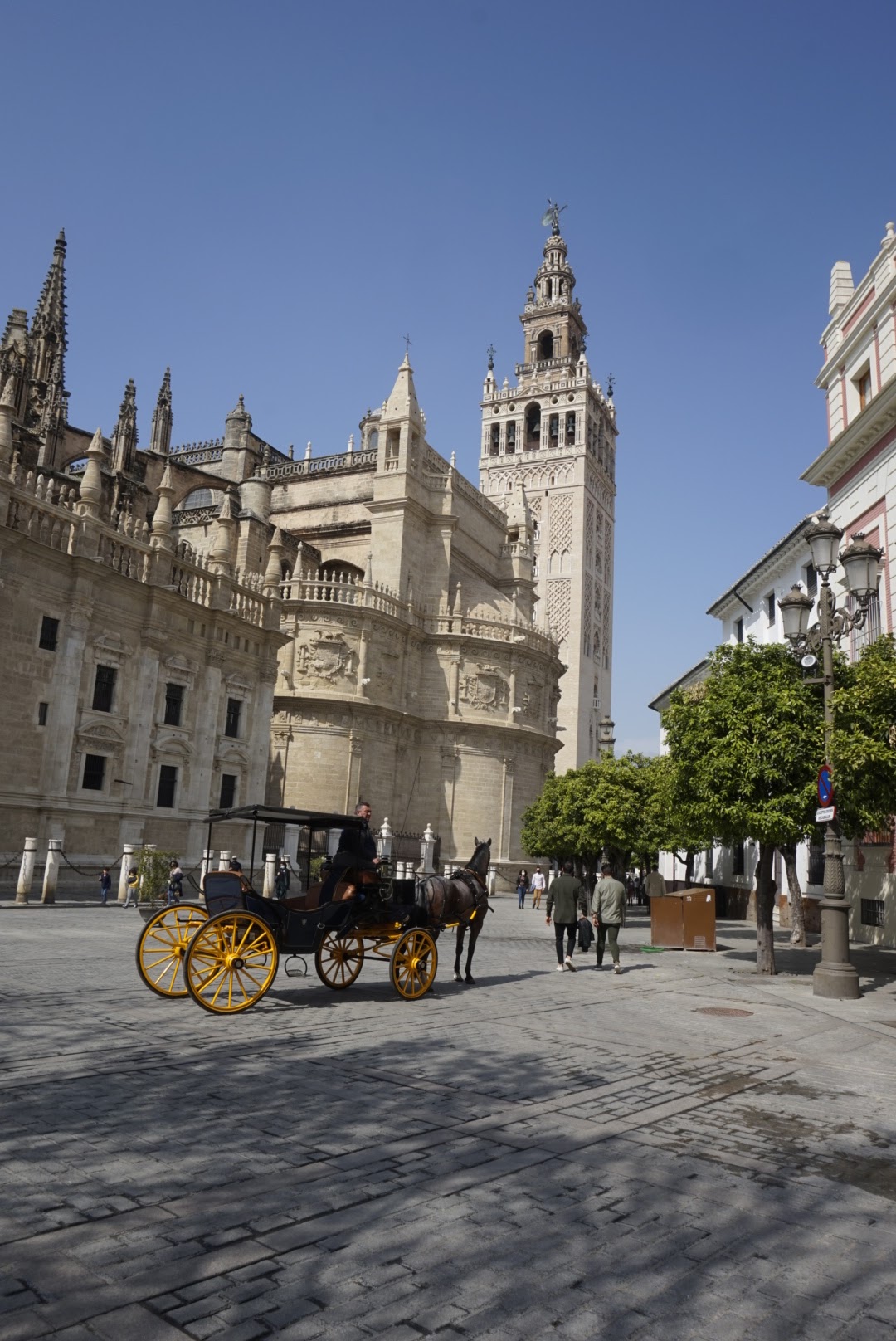
The name gives it away: Giralda means "she who turns," named for the bronze weather vane that has pivoted on its summit since 1568. That figure — Faith, cast by Bartolomé Morel and standing 3.5 metres tall — crowns a tower that has been reading the Seville skyline for over eight centuries. At 104 metres, the Giralda is the belltower of the cathedral next door, though it began life as something else entirely.
Inside, there are no stairs. Instead, 35 ramps spiral through seven vaulted chambers — wide enough, the story goes, that a horse could be ridden to the top. Whether or not anyone ever tried, the incline is gentle enough that the climb registers more as a long, slow reveal than any kind of effort.
💛 What travellers fall for
People who've done it more than once tend to time their ascent for late afternoon, when the light drops low over the Guadalquivir. They also flag the Thursday free-ticket window — 80 spots released online, entry at 14:45 — as worth planning around, and they book ahead regardless, having once lost an hour to the queue.
The story behind Giralda
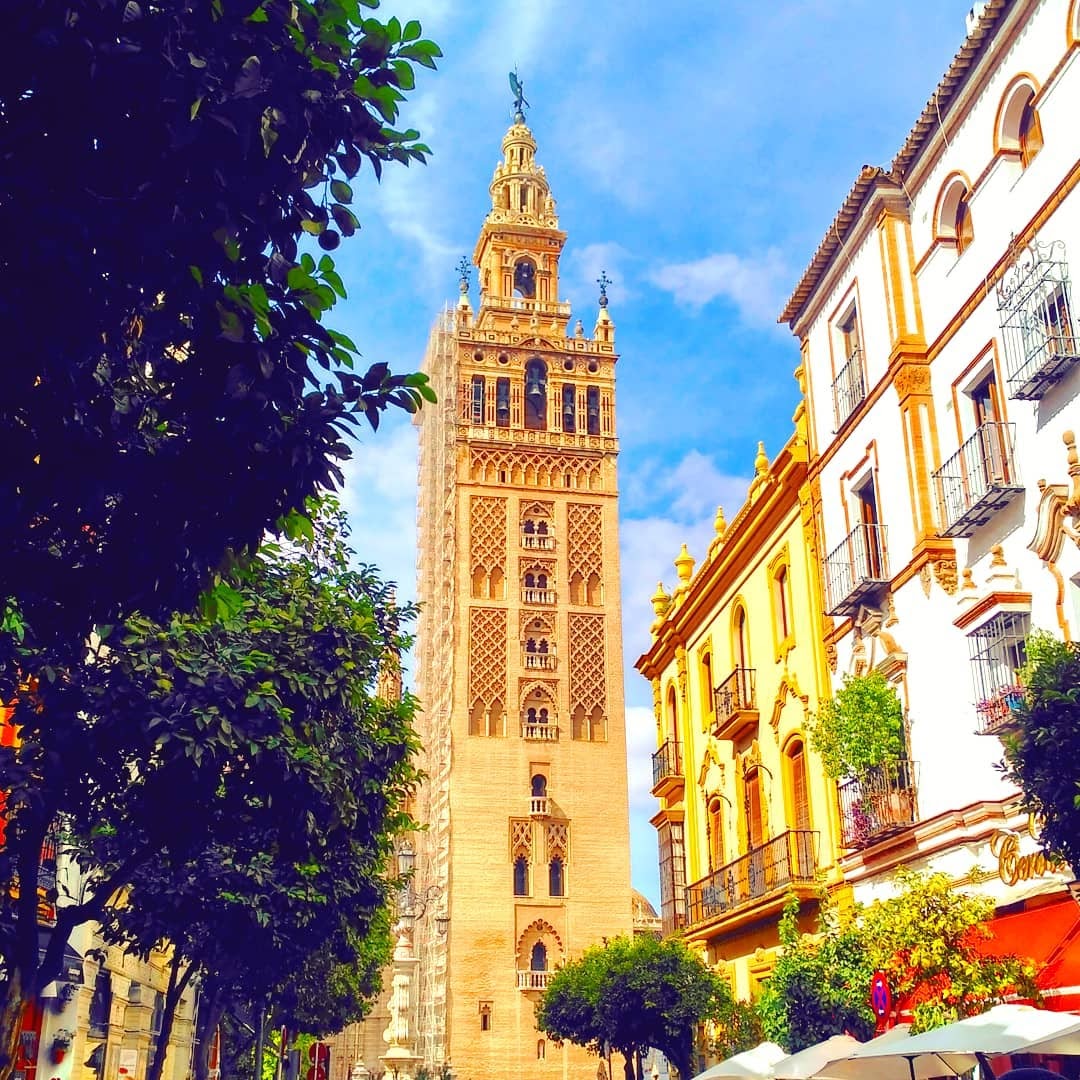
Construction of the minaret began in 1184 under the Almohad Caliph Abu Yaqub Yusuf, with architects Ahmad Ben Baso and Ali de Gomara overseeing the work. The caliph's son, Abu Yusuf Yaqub al-Mansur, saw it completed in 1198, and for half a century it served as the minaret of Seville's great mosque. When Christian forces took the city in 1248 during the Reconquista, the mosque became a cathedral — finally completed in 1506 — and the minaret became its belltower.
An earthquake in 1356 toppled the four bronze spheres that had crowned the tower. Two centuries later, the cathedral chapter commissioned Hernán Ruiz the Younger to resolve the gap, and between 1558 and 1568 he added the Renaissance belfry that now carries 24 bells and the Giraldillo above them. UNESCO added the whole complex to its World Heritage list in 1987.
Good to know
Entry to the tower is included with the Seville Cathedral ticket (€14, or €13 online). You cannot buy access to the Giralda alone. Shoulders and knees must be covered. Tram T1 or metro to Puerta de Jerez gets you close. Budget around 75 minutes for the cathedral and tower combined.
April, May, and October offer the most comfortable conditions for the climb — warm without the punishing heat of summer, when Seville regularly exceeds 40°C and the ramps can feel airless. Winter is mild but brings the city's rainiest weeks, so pack accordingly.
Where is Giralda?
More tickets & tours for Giralda
Book directly at the provider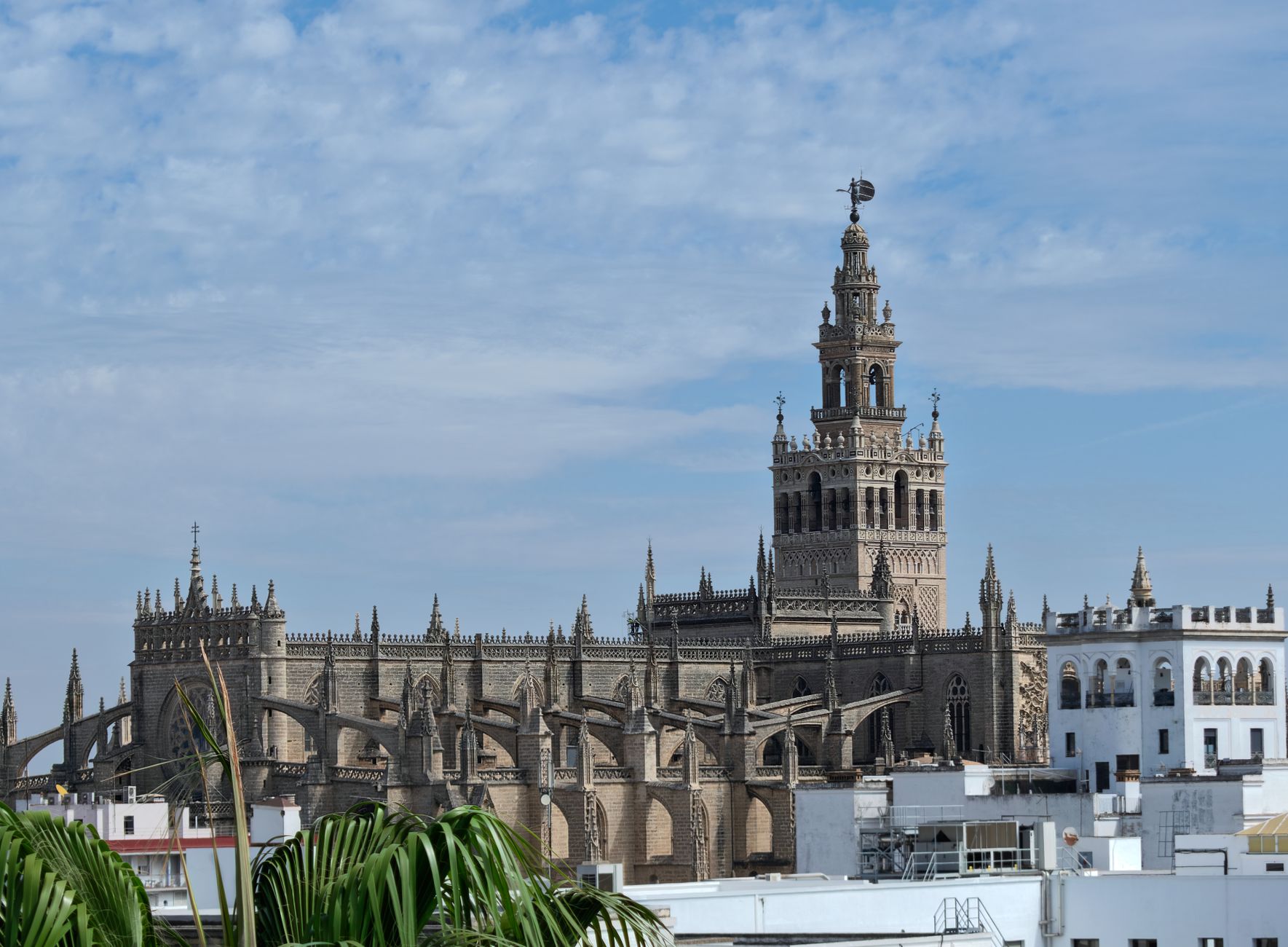
What travellers say about Giralda
Very nice n big. Amazing work done inside the cathedral. Go with guide to have a better experience. Jesus life story wall made up of golden color is wonderful. The view from the bell tower is not so clear because there are wire fences all around. And there are ramps not stairs to go up. But the city view is beautiful from there. Both old n new architecture can be found in the city.
La Giralda is one of Seville’s most iconic landmarks and absolutely worth visiting. The climb to the top is done via wide ramps rather than steep stairs, which makes it manageable for most people and quite different from other bell towers. From the top, you’re rewarded with fantastic panoramic views over the city, the cathedral, and the surrounding historic centre, perfect for photos and getting your bearings in Seville. The visit is well organised, and La Giralda is included with the Seville Cathedral ticket, making it great value. Going earlier in the day helps avoid queues. A practical, memorable experience that combines history, architecture, and some of the best views in the city. Highly recommended for first-time visitors.
Stunning architecture. Huge cathedral. Love that the tower is a sloping path not steps. I think much easier to “ climb “. Great view shame about bird wire does restrict view a tiny bit Definitely worth a visit Go at 4pm we went on Saturday @4 no queue at this time and not packed inside
A must do, whether you are religious or not. Steeped in history, beautiful decorated and incredible architecture. Christopher Colombus tomb is located in the main hall. The views from the tower are amazing, and reward the climb, although all ramps not steps - there are plenty of openings that allow a breeze into the tower or a place to sit and rest for a moment.
had an amazing experience and the service was excellent from start to finish. The staff was friendly, professional, and always ready to help with a smile. Everything was clean, organized, and exceeded my expectations in every way. I truly appreciate the quality, attention to detail, and positive atmosphere. The experience was smooth, comfortable, and definitely worth it. I would highly recommend this place to anyone looking for outstanding service. I will definitely come back again in the future with confidence.
More of Seville
Discover where to stay, what to do and the best deals for your trip.
Explore Seville →More attractions in Seville
All of Seville →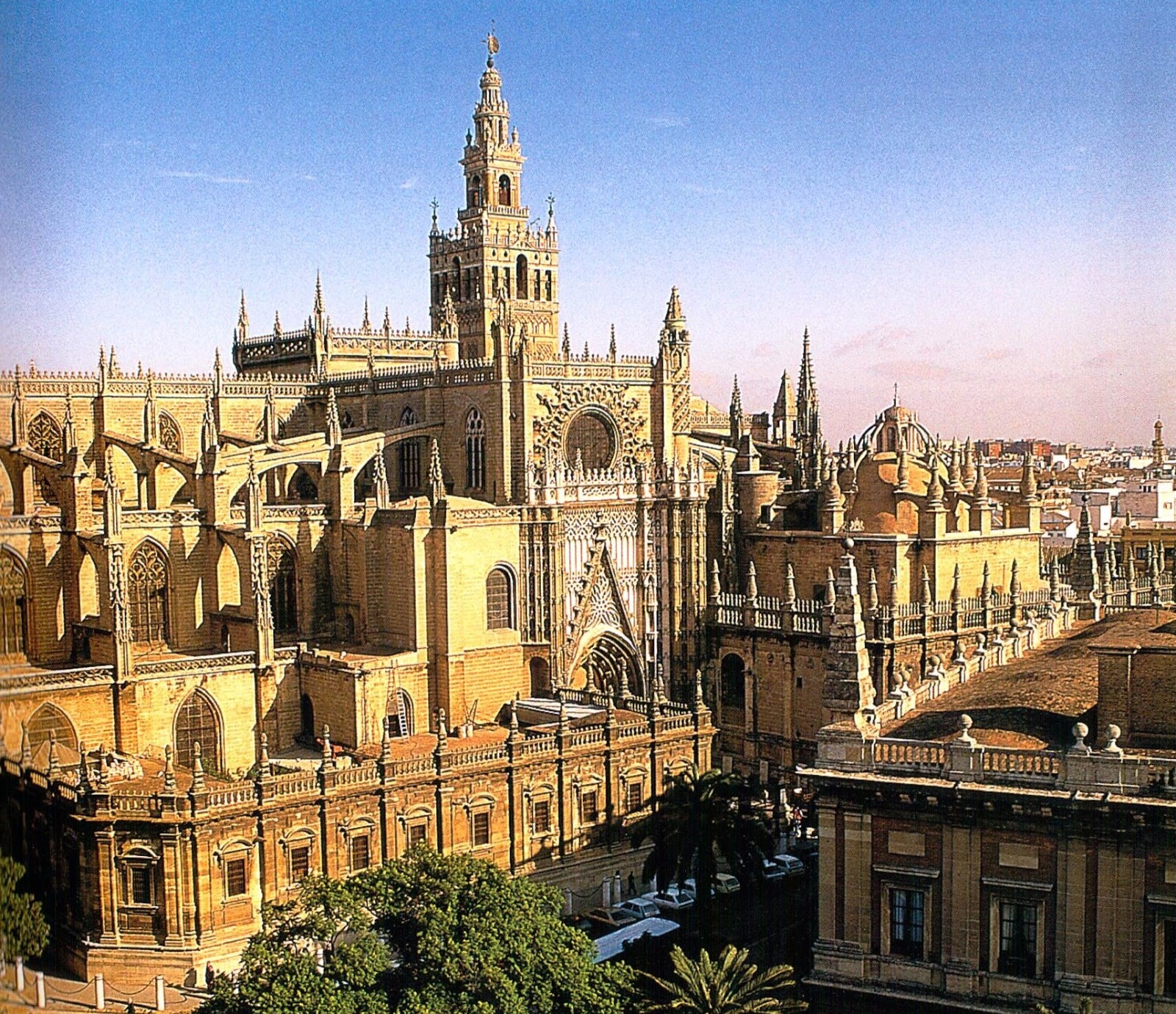
Background adapted from Wikipedia (CC BY-SA) · map data © OpenStreetMap contributors · ratings & place photos via Google · other photos with per-image credit. Ticket links may earn us a commission at no extra cost to you.