
Plaza de España
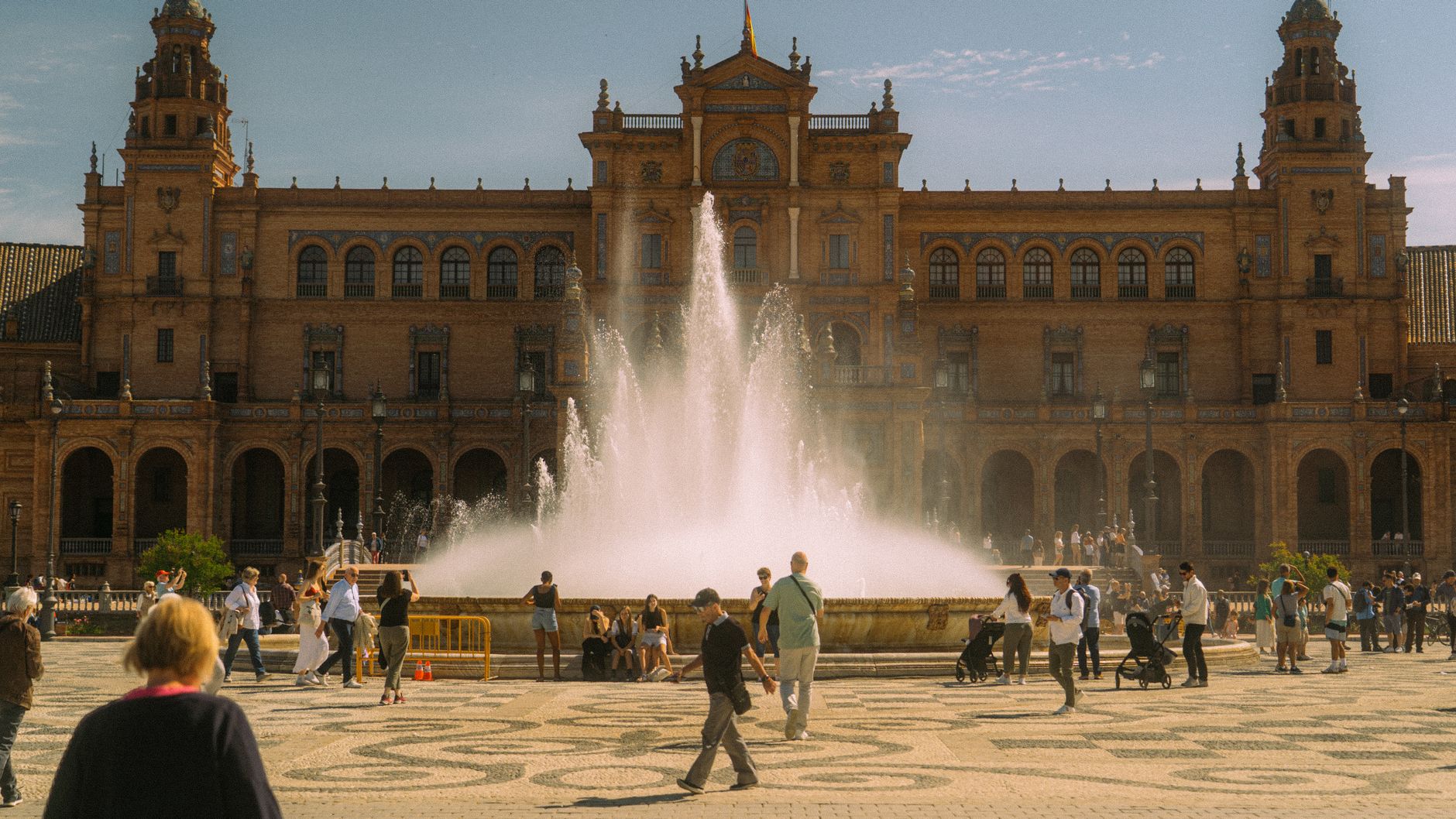
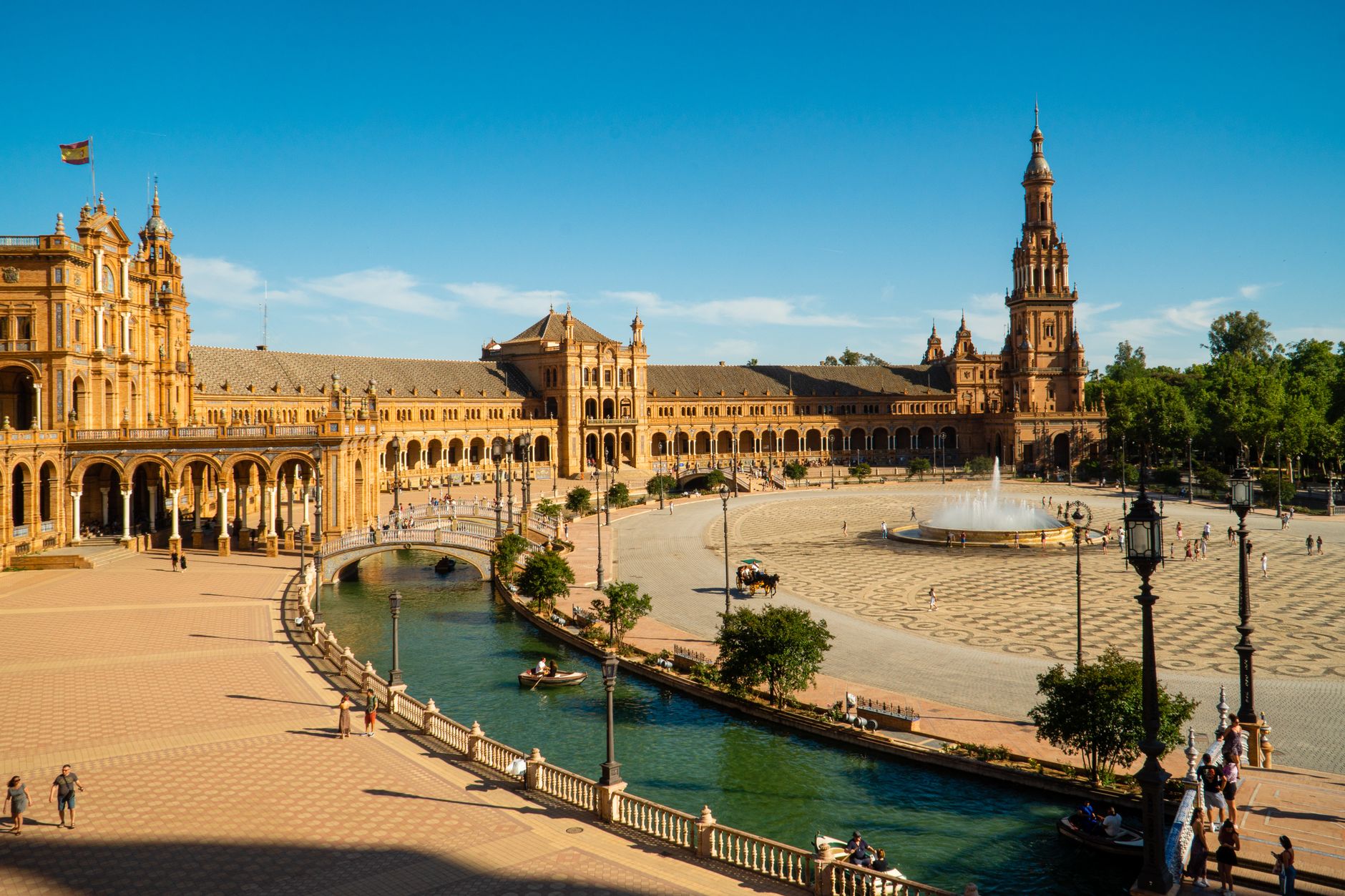
The semicircle stops you in your tracks. Plaza de España curves for half a kilometre in front of you — terracotta towers, a canal, forty-eight tiled alcoves each devoted to a different Spanish province — and the scale of it takes a moment to process. This is not a square in the usual sense but a stage set built for an entire nation to perform itself.
It sits inside Parque de María Luisa, and the approach matters: come down Avenida Isabel la Católica on foot or by bike, and the plaza reveals itself gradually through the trees. Inside, government offices quietly occupy the galleries, and rowing boats knock gently against the stone quays.
💛 What travellers fall for
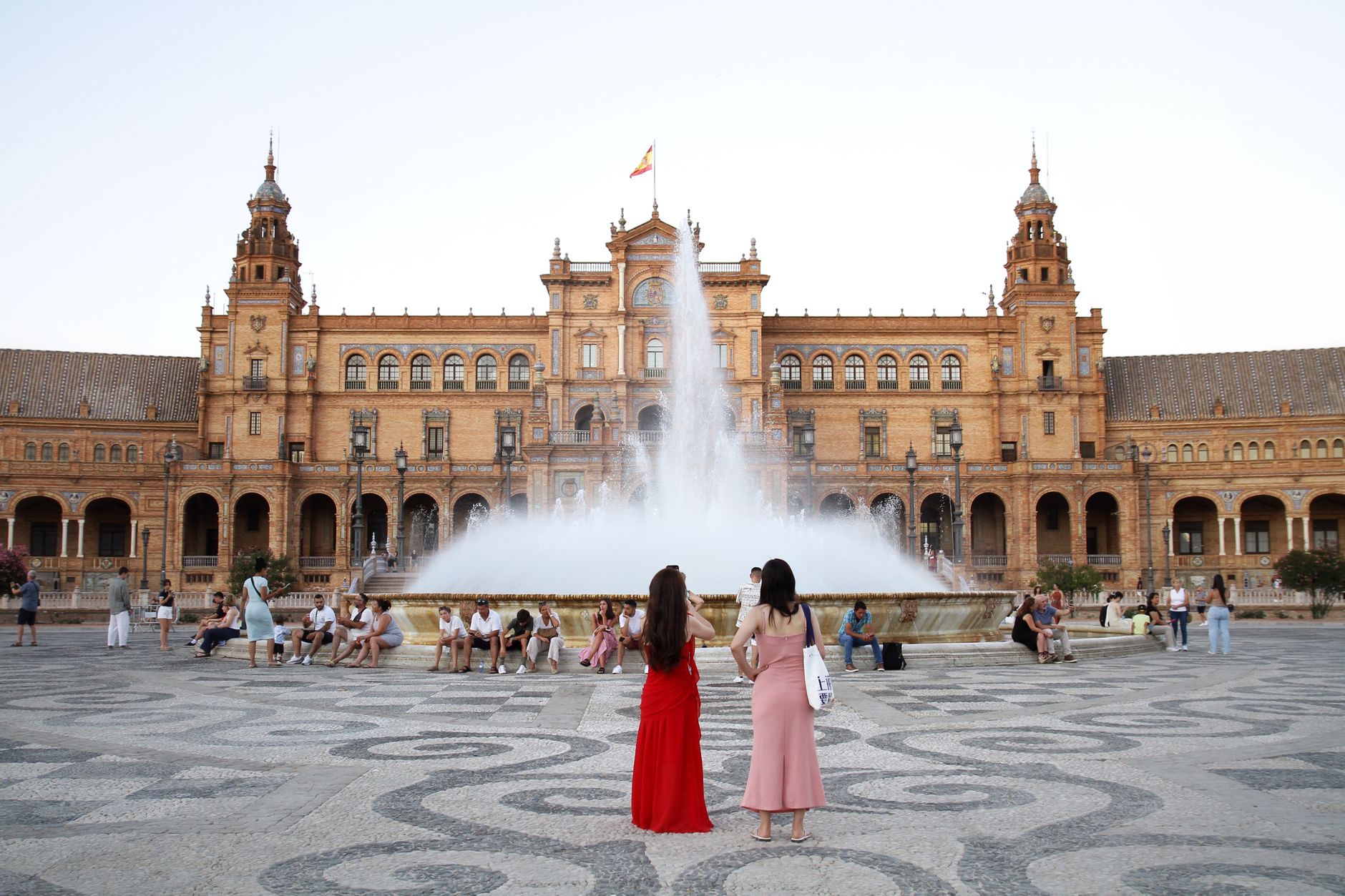
People who come back tend to arrive early — before the tour groups, when the canal is still and the tile-work catches the low morning light. Seek out your own province's alcove if you have Spanish roots; the flanking bookshelves often hold a paperback or two about the region. The €6 boat hire (35 minutes, €4 deposit) is worth it for the perspective from the water.
The story behind Plaza de España
The plaza was commissioned for the Ibero-American Exposition of 1929 and became its centrepiece — and its most expensive undertaking, with more than a thousand workers on site at peak. Aníbal González, the Sevillan architect who shaped much of the exhibition, began supervising construction in 1914. He resigned in 1926 before seeing it finished; Vicente Taverner completed the work in 1928 and added the central fountain.
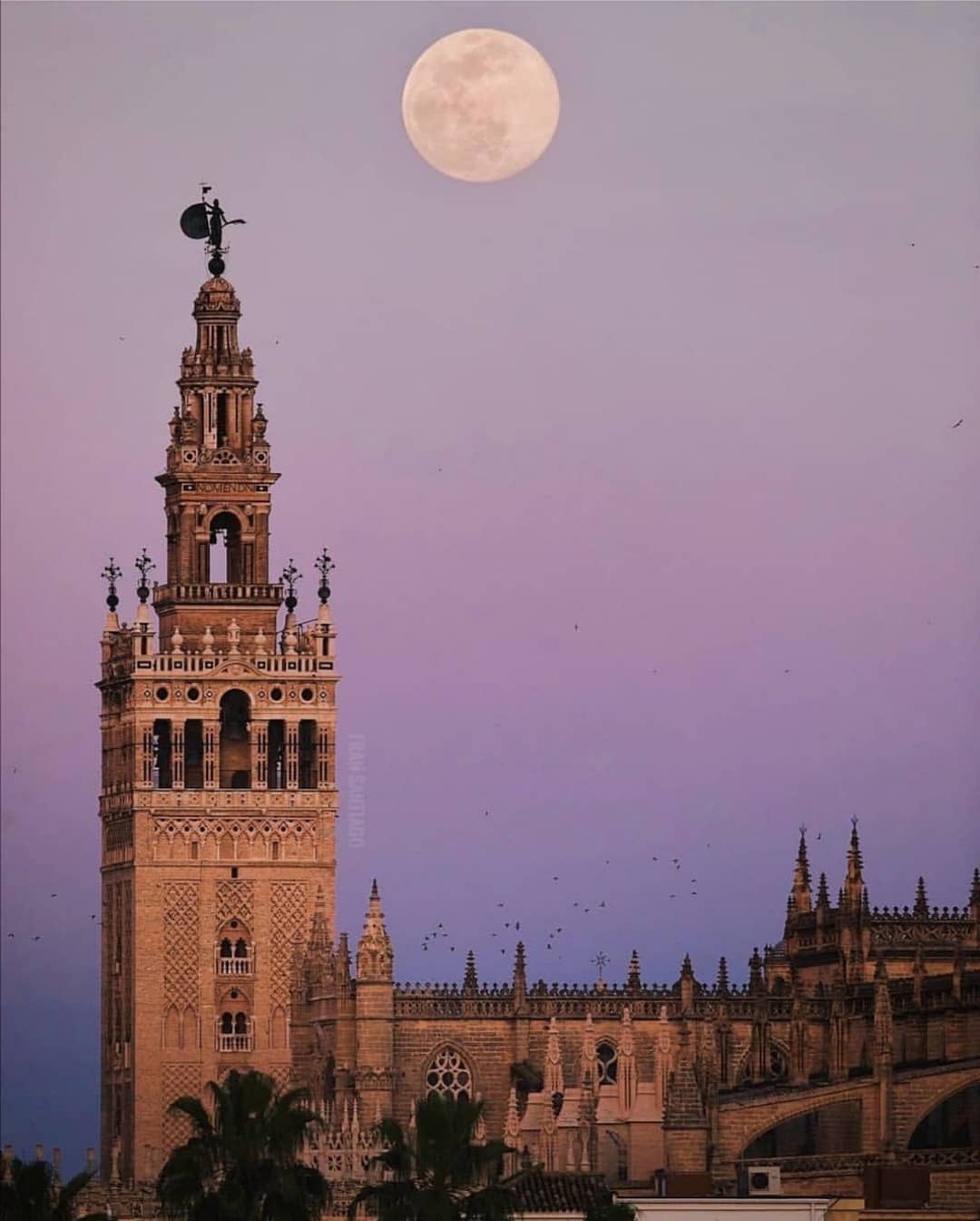
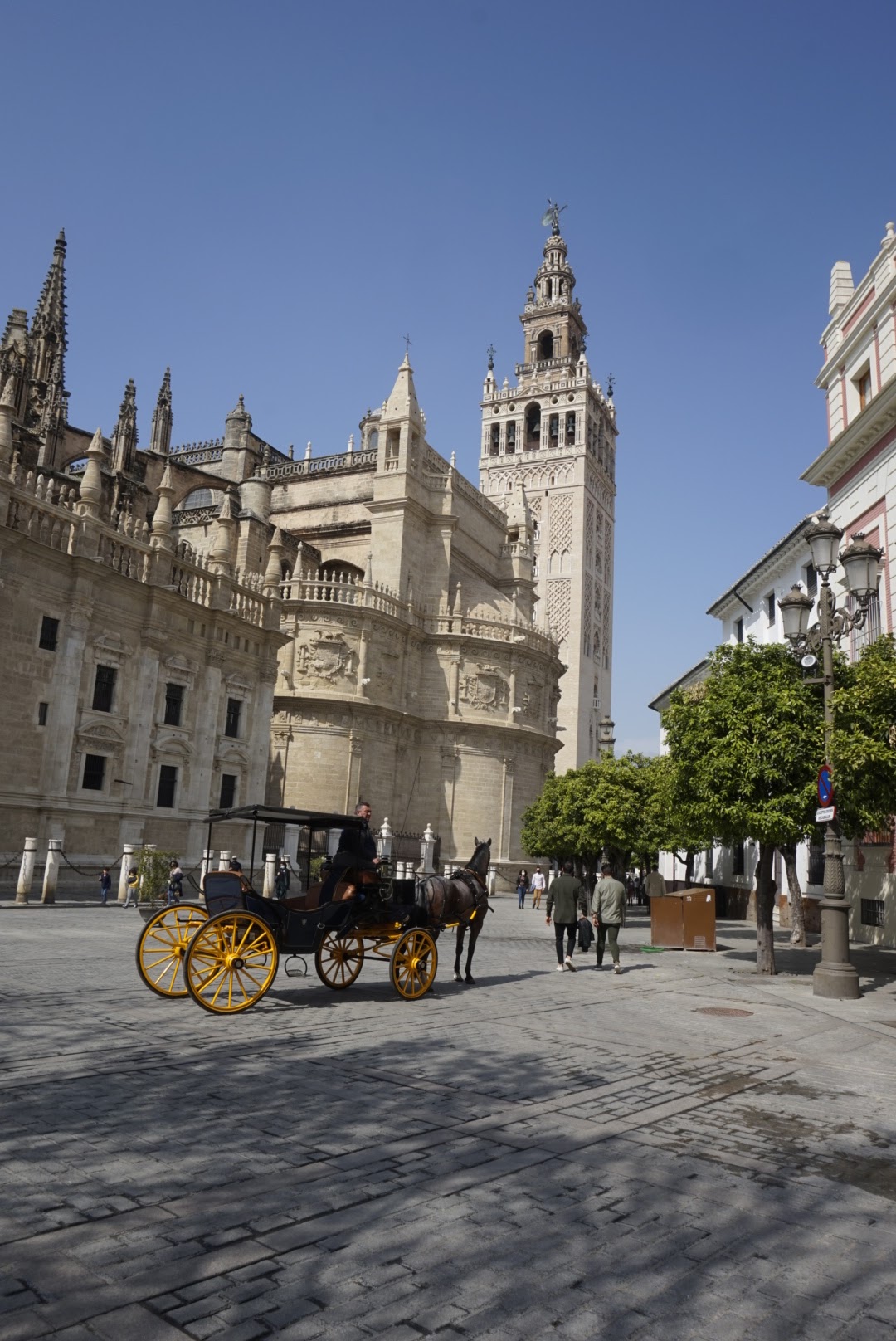
The two towers, at 74 metres, drew criticism at the time for approaching the height of the Giralda. Between 2007 and 2010, the city invested nine million euros restoring the structure to González's original conception, reopening it in October 2010. The canal bridges, four of them, were designed to represent the ancient kingdoms of Spain.
Good to know
Entry is free, open around the clock. Reach it via Avenida Isabel la Católica or from Prado de San Sebastián by metro, bus or tram. Allow at least half an hour at walking pace. The free Military Museum inside closes Sundays, holidays and all of August.
Seville's summers are genuinely punishing — temperatures above 40°C are common in July and August. The plaza's shaded inner galleries offer some relief, but early morning or dusk visits are a different experience entirely from midday. Spring and autumn are the most comfortable seasons for lingering here.
Where is Plaza de España?
Location
- In Seville
- 37.3773, -5.9872
- Open in Google Maps
More tickets & tours for Plaza de España
Book directly at the provider
More of Seville
Discover where to stay, what to do and the best deals for your trip.
Explore Seville →More attractions in Seville
All of Seville →
Background adapted from Wikipedia (CC BY-SA) · map data © OpenStreetMap contributors · ratings & place photos via Google · other photos with per-image credit. Ticket links may earn us a commission at no extra cost to you.