
Museo de Bellas Artes de Sevilla
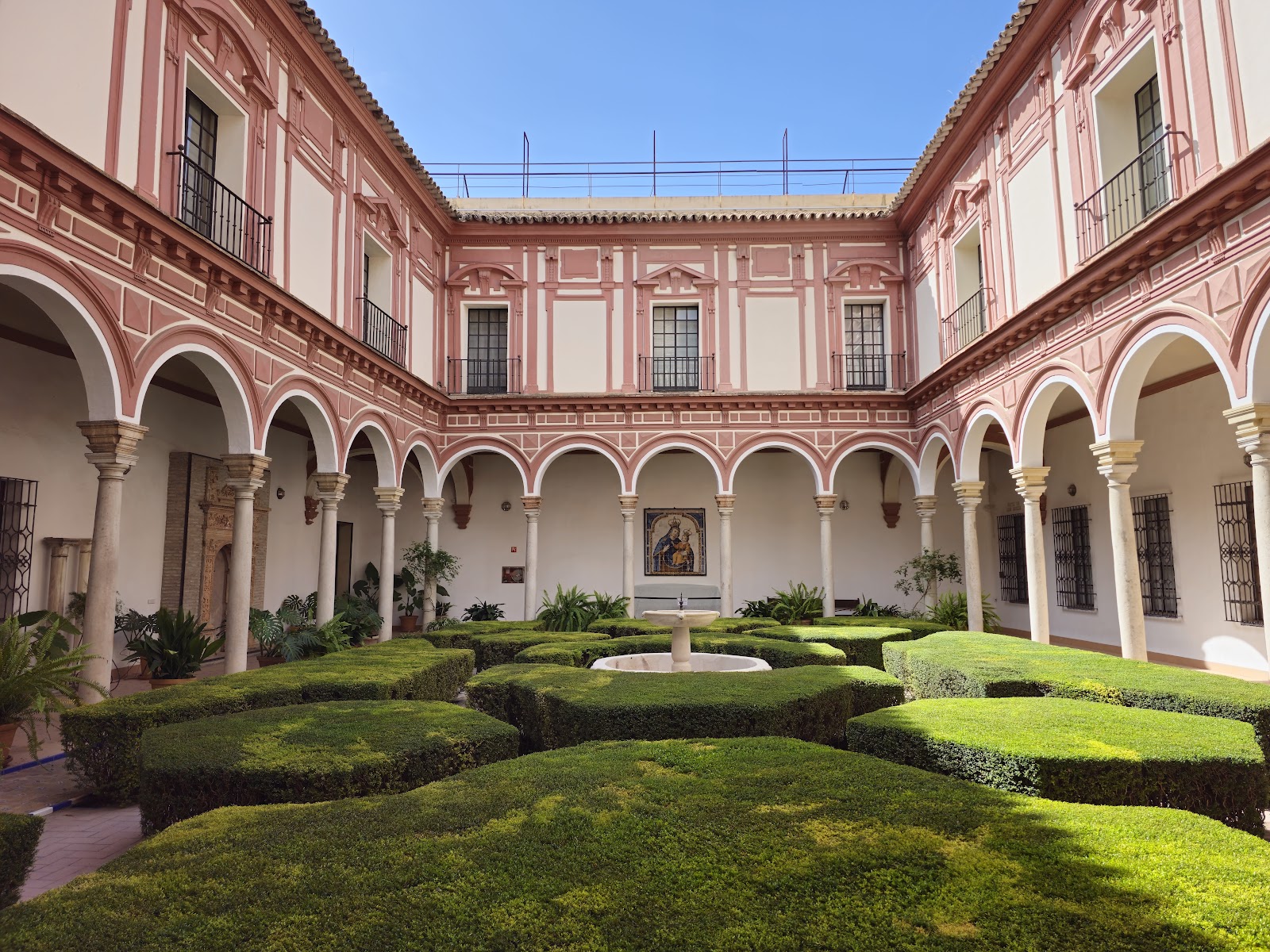
The former Convent of La Merced Calzada sits on the edge of a shaded plaza where jacarandas grow alongside ficus and palms, and on Sunday mornings local painters lay their work along the paths outside. Step through the baroque facade and the city recedes. Thick convent walls and three cloisters hold the temperature steady, which matters in Seville.
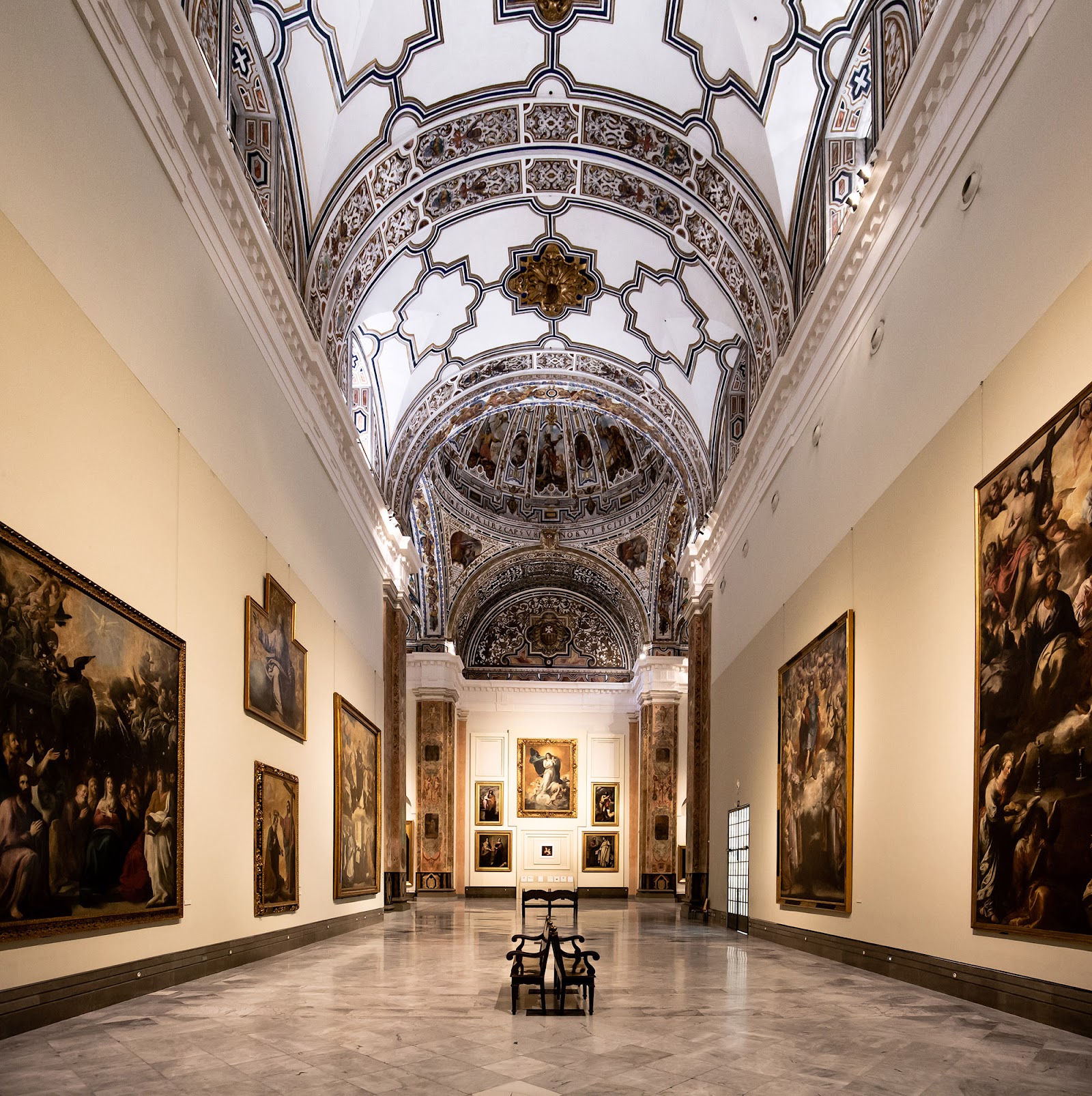
Inside, fourteen galleries move through Andalusian painting from the medieval period to the early twentieth century, but the heart of the museum is the old church — Sala V — where Murillo's canvases hang in the space they were made for, under a vaulted ceiling that still reads as sacred.
💛 What travellers fall for
People who come back tend to arrive early on a weekday, when the cloisters are nearly empty. The Claustro del Aljibe — the smallest of the three, built around a cistern that once caught rainwater for the monks — gets overlooked by first-timers heading straight for Murillo. Spend ten minutes there before the main galleries.
The story behind Museo de Bellas Artes de Sevilla
The building's origins go back to 1248, when San Pedro Nolasco founded a convent here following Ferdinand III's conquest of Seville. The current structure took shape from 1603, when architect and sculptor Juan de Oviedo y de la Bandera drew up plans under the direction of Fray Alonso de Monroy, general of the Order of Mercy. The church was finished by 1612; the rest of the complex took another half-century.
In 1835, a Royal Decree dissolved religious orders and transferred their assets to the state. The convent was repurposed as a museum, opening in 1841 with works gathered from confiscated convents across the region. Three major restoration campaigns — the last running from 1985 to 1993 — uncovered frescoes beneath layers of lime and adapted the monastic layout for modern exhibition use without erasing the building's original character.
Good to know
Admission is €1.50, cash only for non-EU visitors; EU citizens enter free with ID. Open Tuesday–Saturday 9–21h, shorter hours Sundays and in August, closed Mondays. The nearest light rail stop is Plaza Nueva, about ten minutes on foot. Allow ninety minutes minimum.
Where is Museo de Bellas Artes de Sevilla?
More tickets & tours for Museo de Bellas Artes de Sevilla
Book directly at the provider
What travellers say about Museo de Bellas Artes de Sevilla
Seville Museum of Fine Arts is a wonderful place to visit and one of the city’s true hidden gems. The collection is impressive, especially the works from the Spanish Golden Age, with beautiful paintings by Murillo, Zurbarán, and other Andalusian masters. The building itself — a former convent — adds so much charm, with peaceful courtyards and elegant architecture that make the visit even more enjoyable. The best part is the price: admission is only €1.50, which is incredible value for the quality of the art and the overall experience. There are also far fewer tourists compared to other major attractions in Seville, so you can take your time, walk slowly, and appreciate the artworks in a calm and quiet environment. A highly recommended stop for anyone who enjoys art, history, or simply wants a relaxing and meaningful cultural experience in Seville.
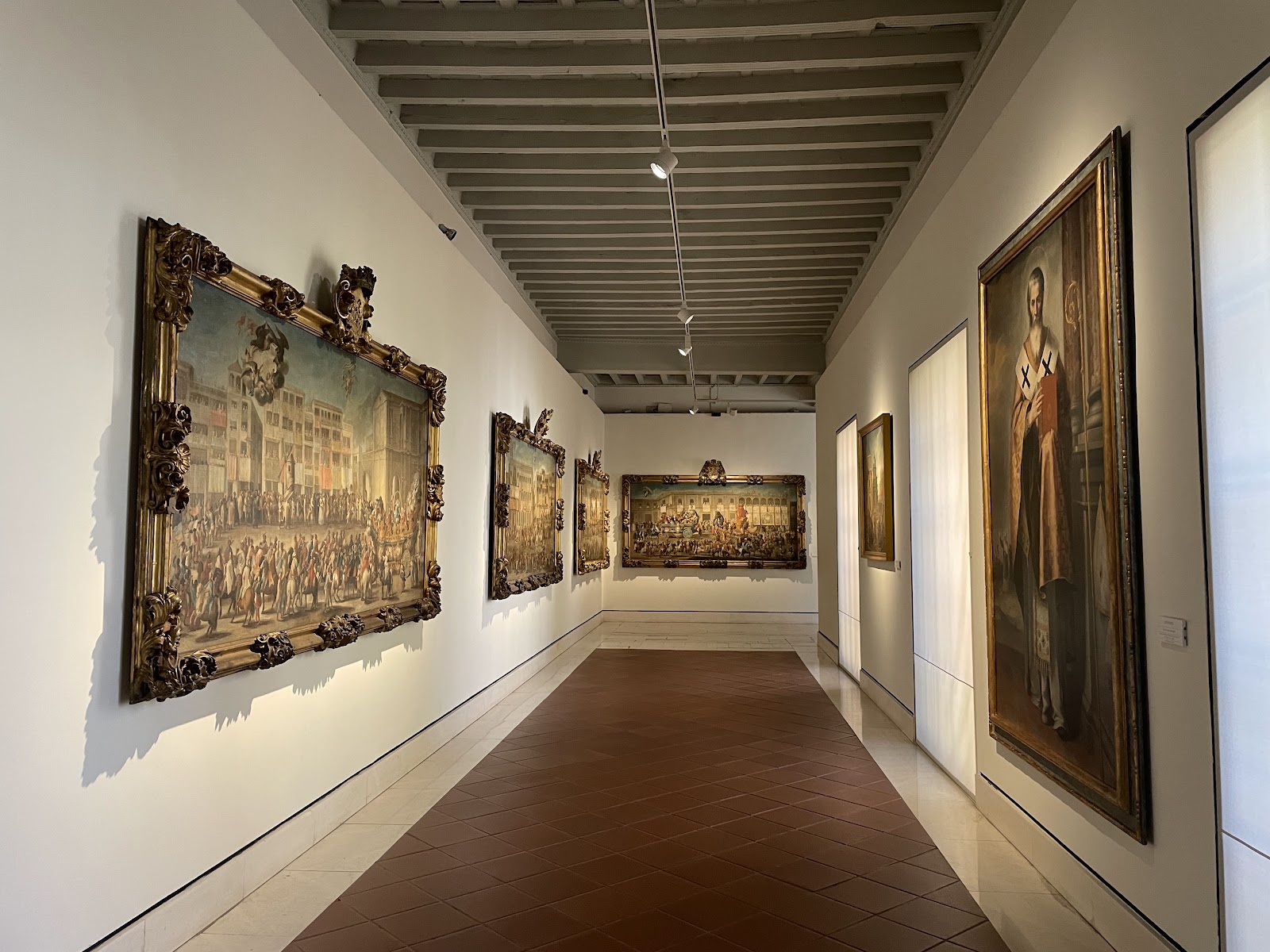
The Palacio itself is quite impressive, although sometimes obscured by the exhibits. The ancient masterpieces are large and often majestic, but also tell the intertwined stories of faith, art, and politics. We did not use a guide but there are many interpretive places throughout, some in English and Spanish, others just in Spanish. Murillo has a special salon and also a statue in the small park with huge trees in front of the entrance. Remember if you are not an EU citizen entrance is 1.5eu cash, less than a tip even if you just use the washroom inside the entrance to the right.
Fabulous museum, EU citizens get in for free, others get in first just 1.5€. Is full of amazing art and beautiful architecture. Is definitely a must see in Seville. Outstanding collection of Murillo’s paintings. Much of Sevilles history and traditions displayed. The internal garden was beautifully looked after.
A true hidden gem in Seville! The building itself is a masterpiece, with beautiful and peaceful Andalusian courtyards. The art collection, especially the Baroque paintings in the main church, is absolutely stunning. It’s quiet, not crowded, and definitely a must-visit
It is an impressive building with some lovely courtyard areas. The galleries are well laid out and there is a clearly sign posted route around the building. The artwork on display is primarily religious so may not be to everyone's taste. There is no entry fee for EU citizens but those from the UK have to pay but it is only 1.50 euros so it is excellent value. However the museum only accepts cash so make sure you have a few euros handy.
More of Seville
Discover where to stay, what to do and the best deals for your trip.
Explore Seville →More attractions in Seville
All of Seville →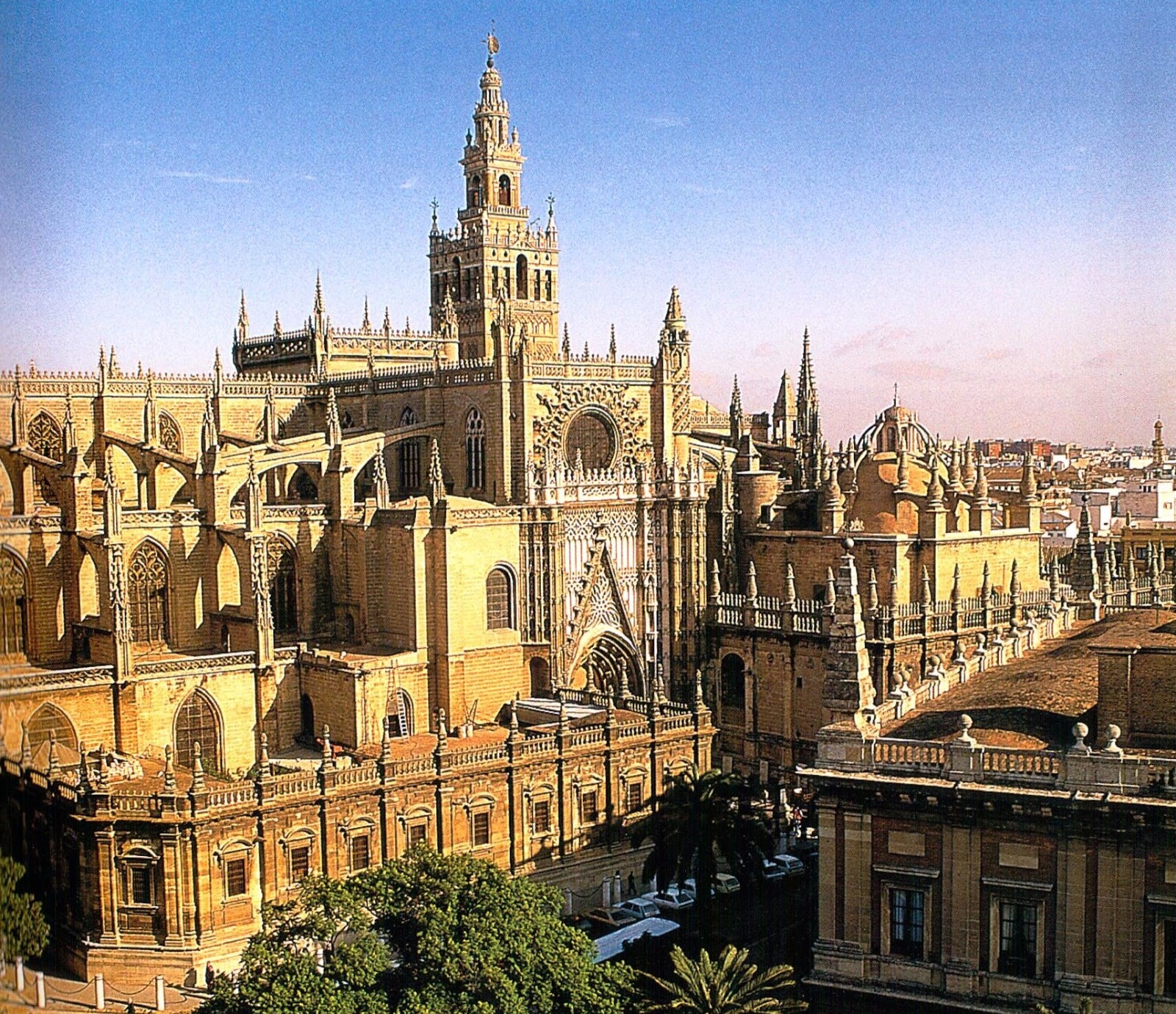
Background adapted from Wikipedia (CC BY-SA) · map data © OpenStreetMap contributors · ratings & place photos via Google · other photos with per-image credit. Ticket links may earn us a commission at no extra cost to you.