
Catalonia
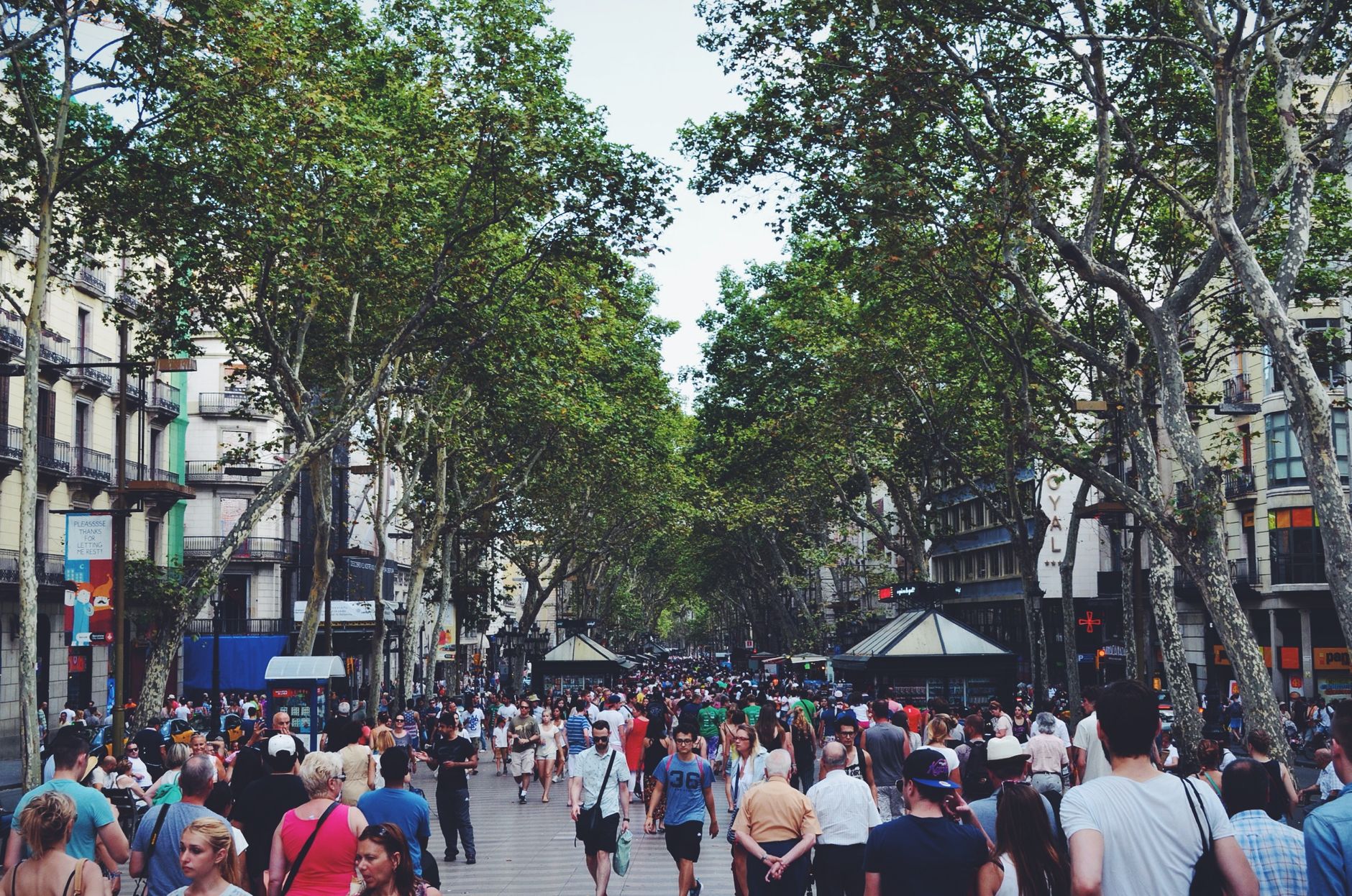
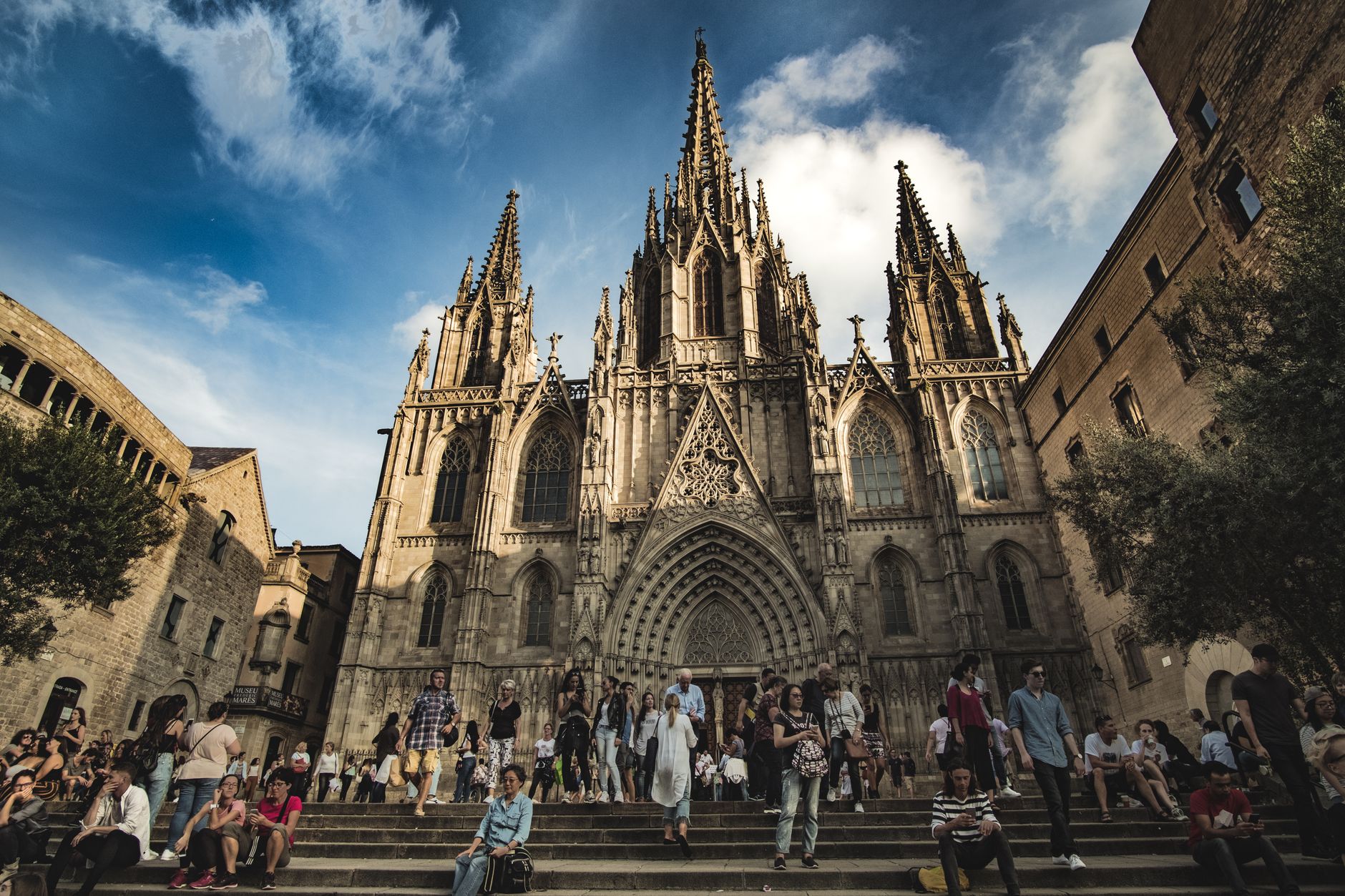
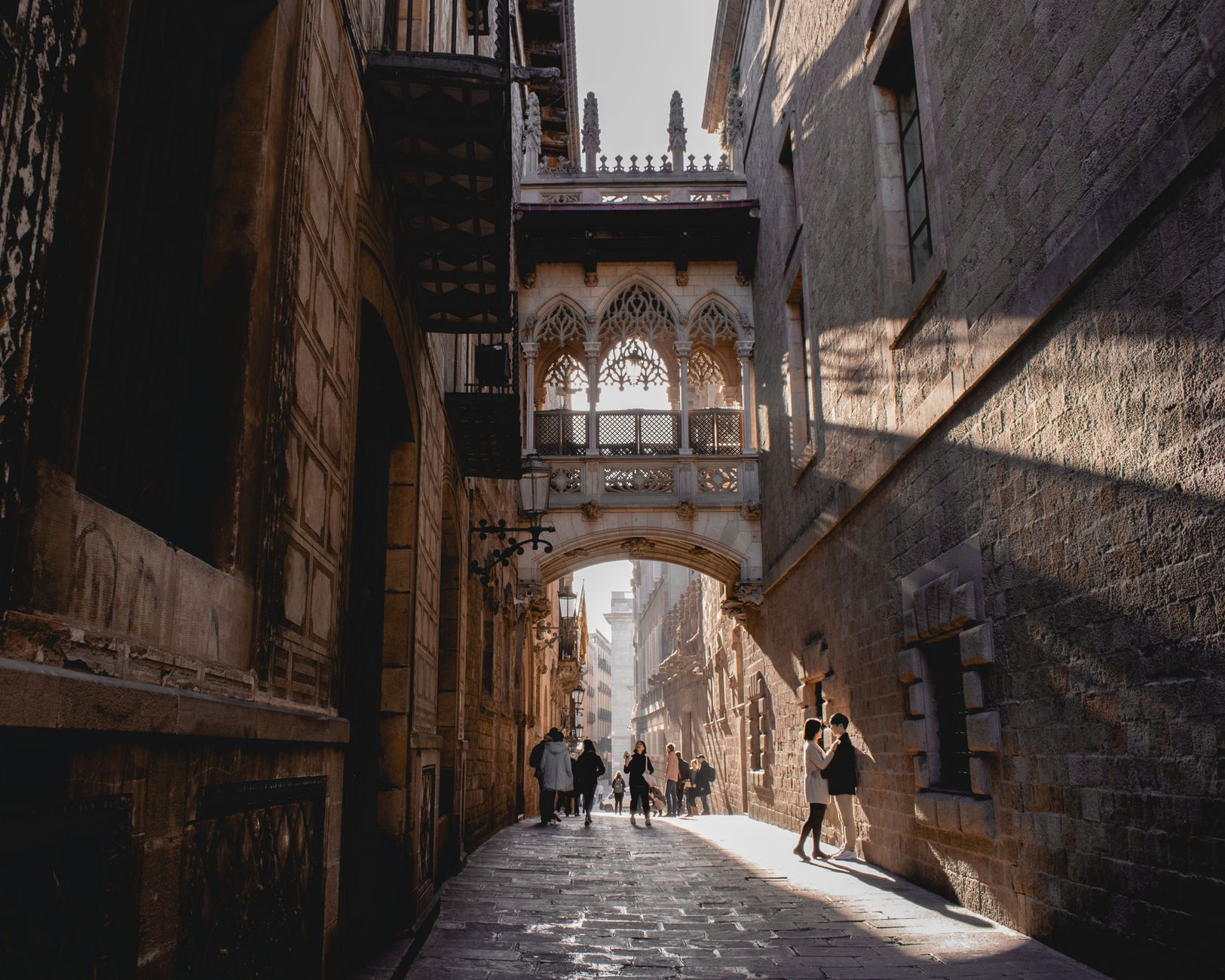
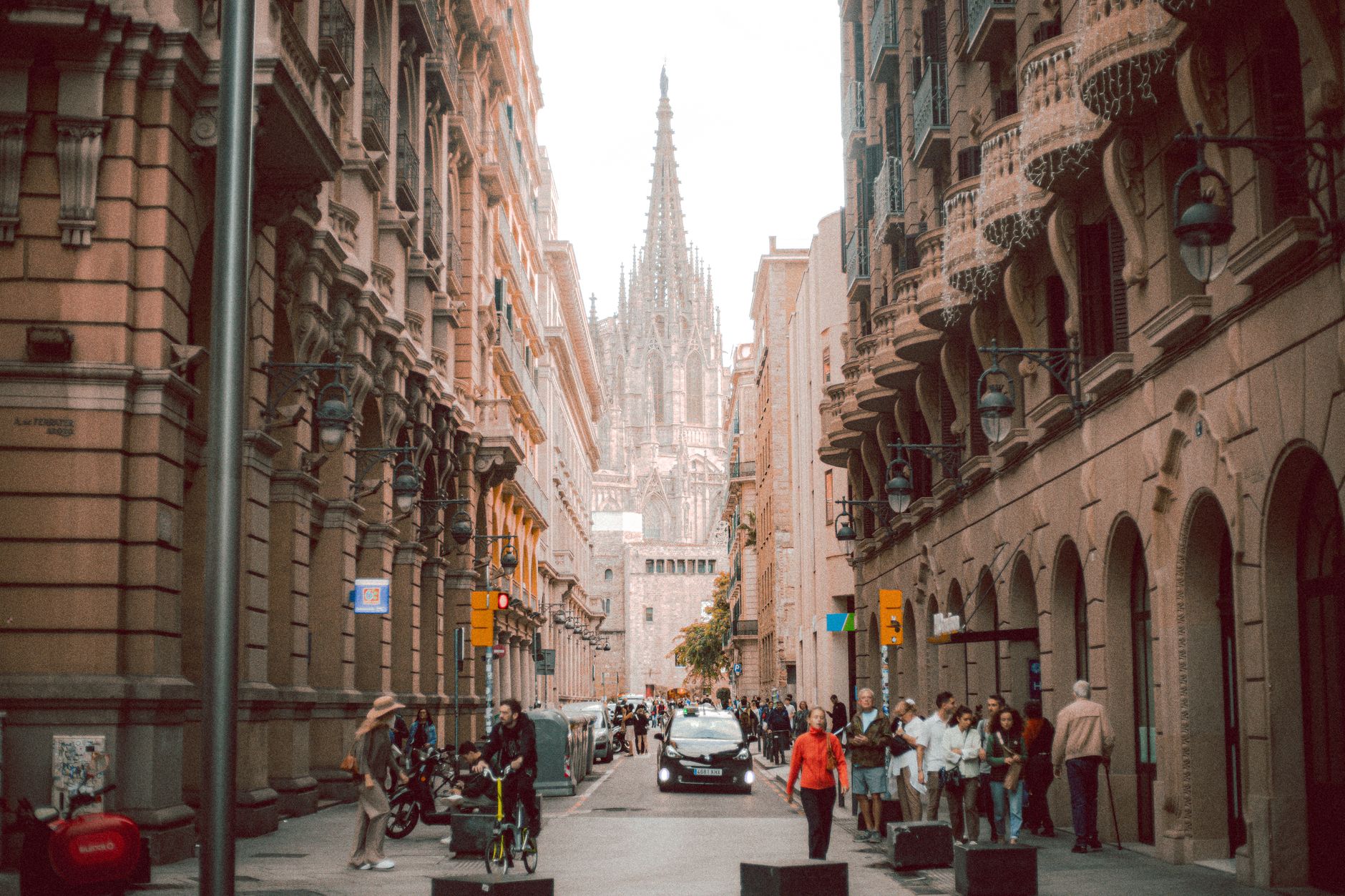
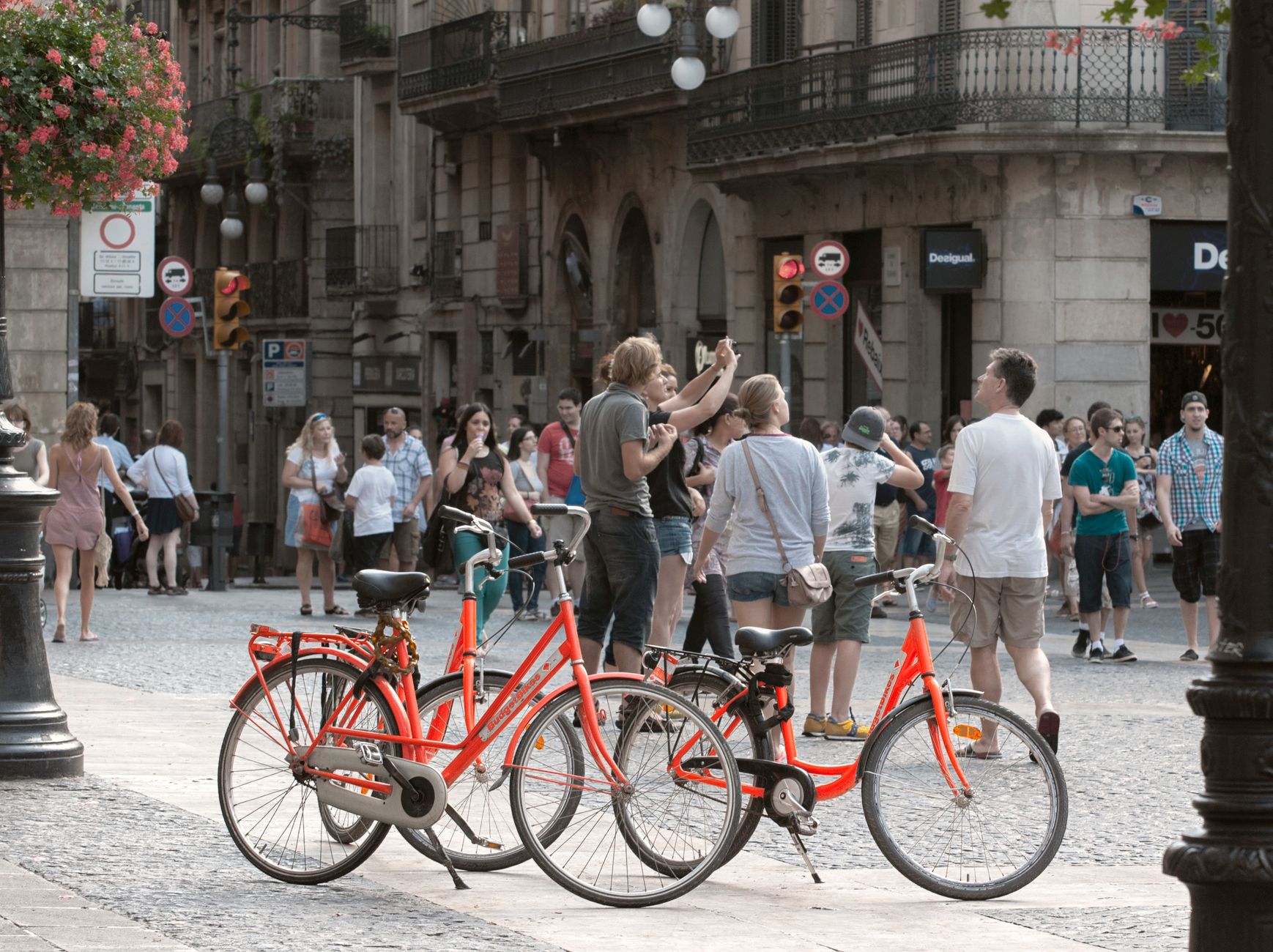
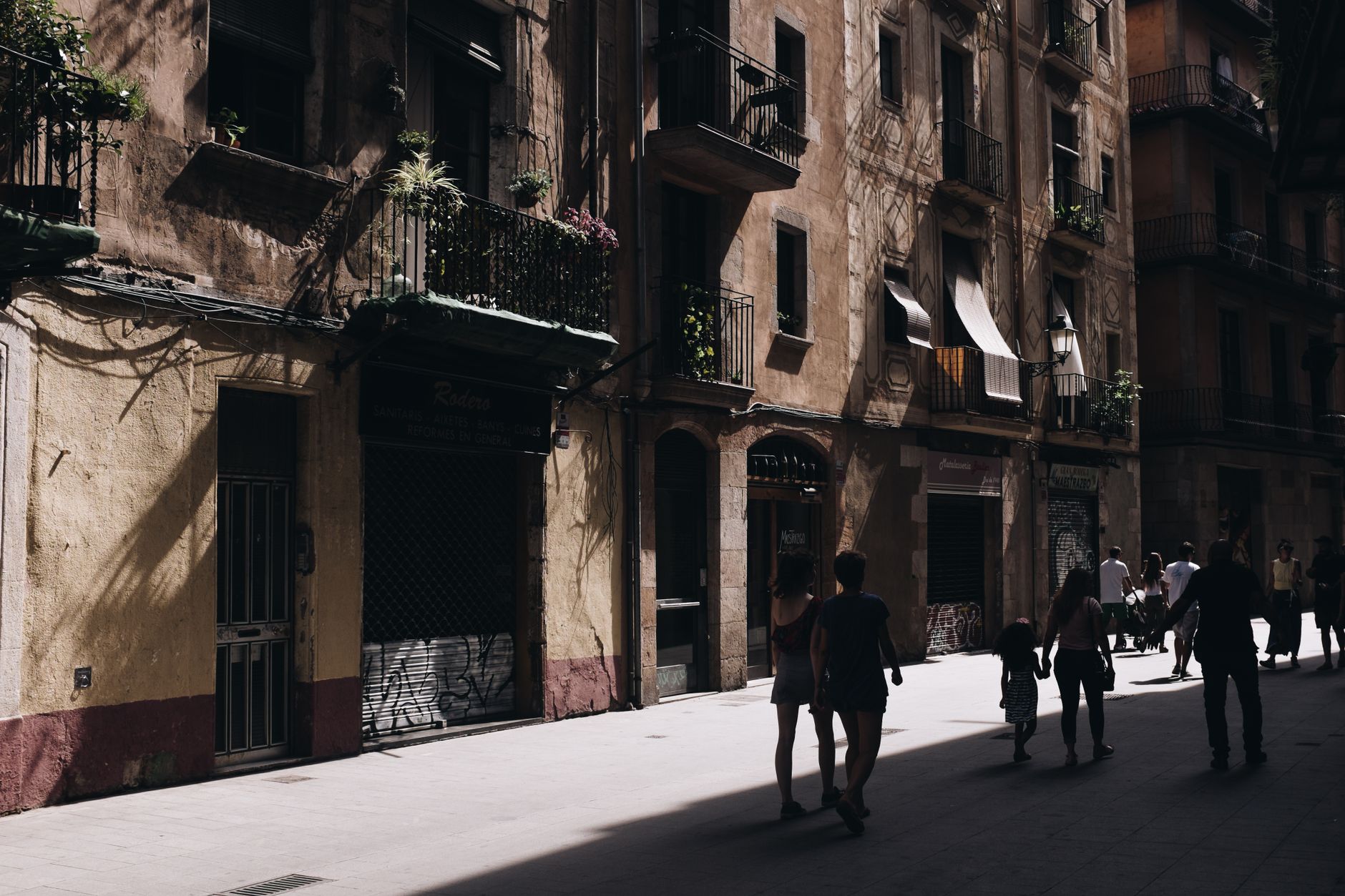
Catalonia is where a 200,000-year-old jawbone was pulled from the earth near Banyoles, and where, in 2026, the central Tower of Jesus will finally crown the Sagrada Família — making it the world's tallest church. That span tells you something about the depth of time you're moving through here. The region stretches from the Pyrenees down to a long Mediterranean coast, with Barcelona as its capital and gravitational centre, but the interior holds Romanesque monasteries, volcanic landscapes, and wine country that most visitors never reach.
Catalan identity is distinct and genuinely felt — the language is on the street signs, in the restaurants, in the conversation. Coming with that awareness makes a difference.
Popular cities in Catalonia
💛 What travellers fall for
People who return tend to stop treating Barcelona as the whole story. They take the train north to the coast around Empúries, where Greeks from Phocaea founded a trading colony in the 6th century BC and the ruins still sit at the edge of the sea. Or they find the Codorníu Winery, its Modernisme architecture by Puig i Cadafalch as considered as anything in the city.
Experiences you don't want to miss




How Catalonia came to be
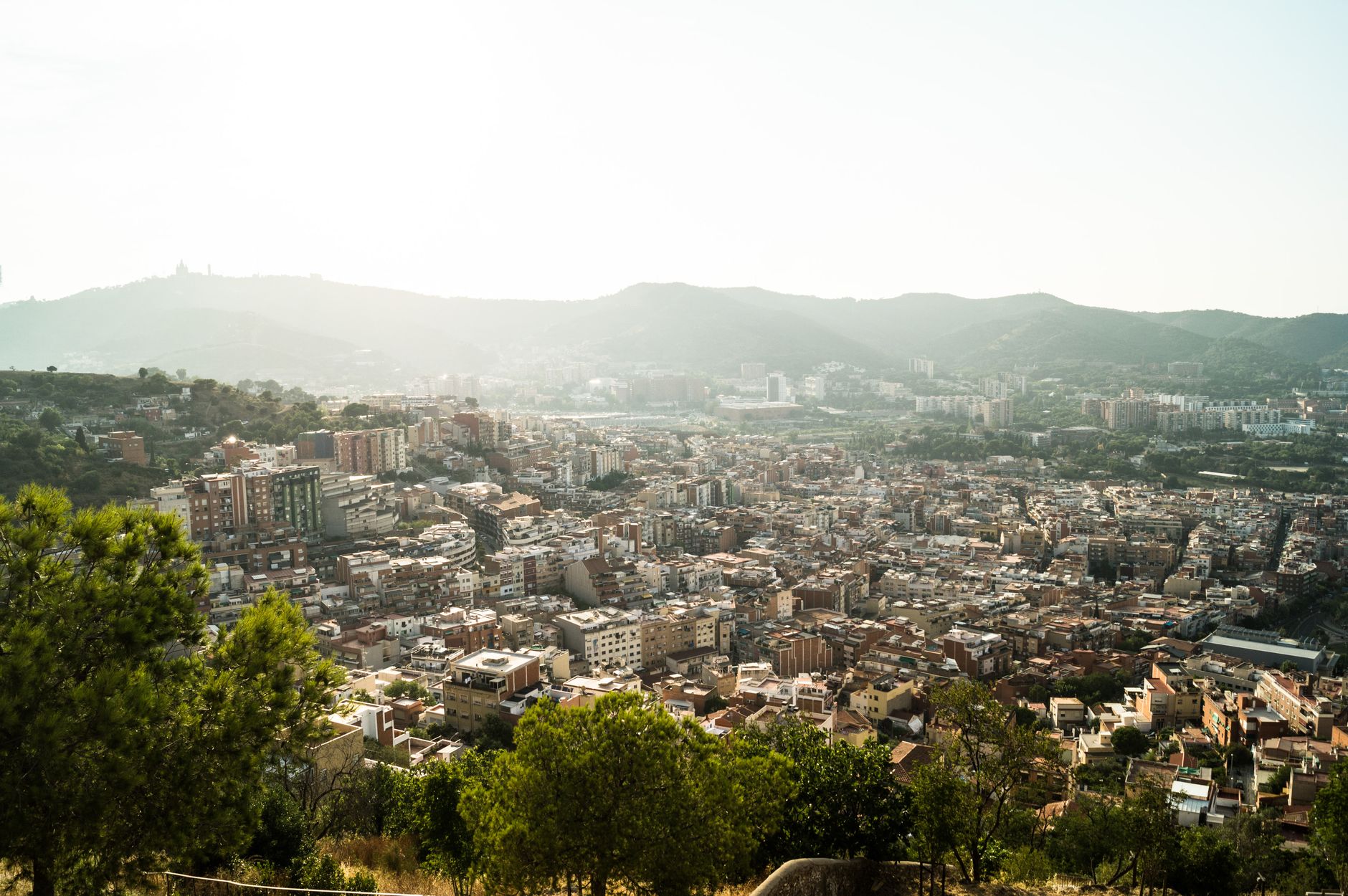
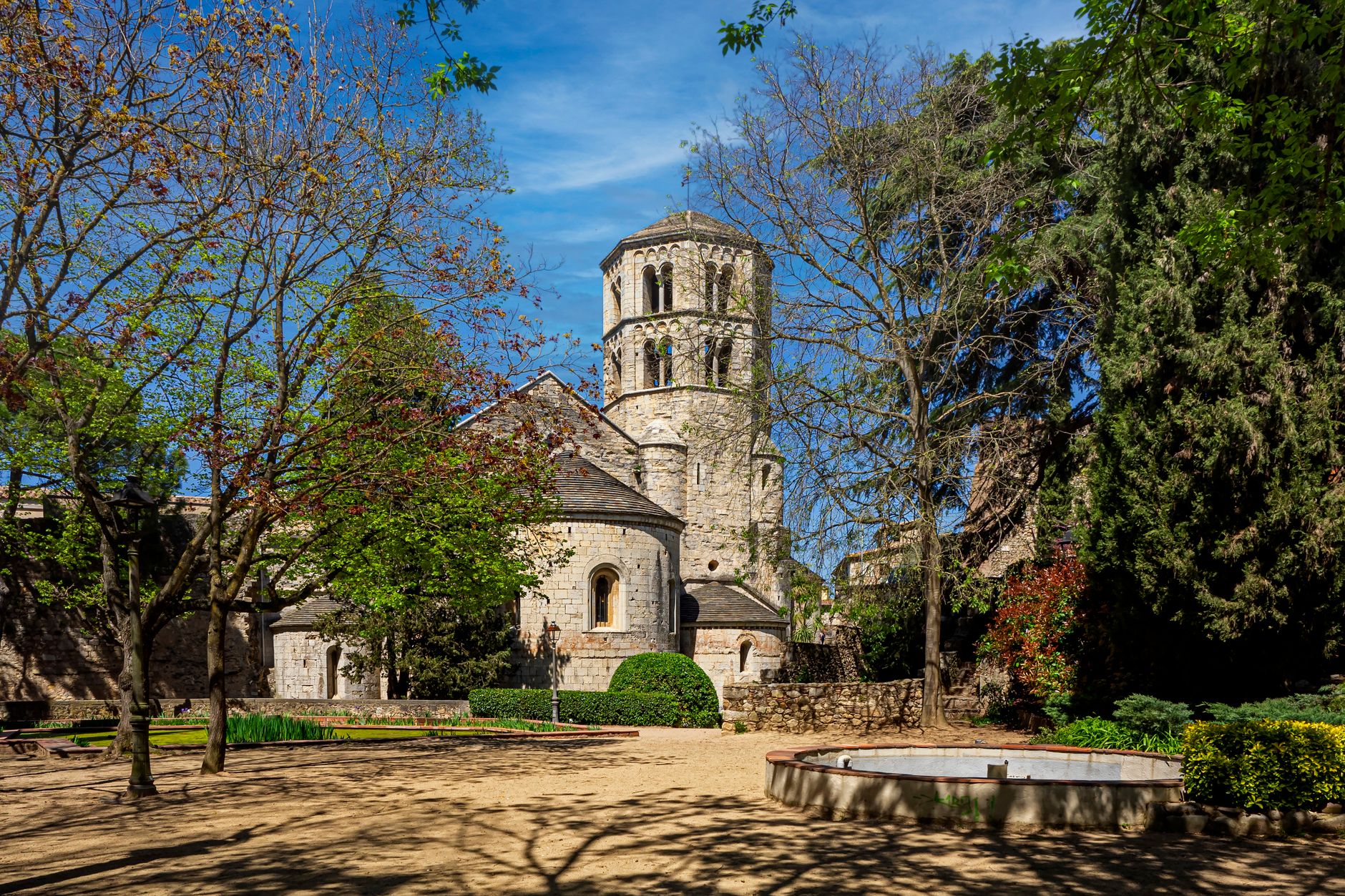
The name Catalonia appears in its earliest documented form in a 12th-century Latin chronicle, but the territory took shape earlier, in the hands of Wilfred the Hairy — count, dynasty-founder, and the figure Catalans consider the region's originator. Reigning from 878 to 897, he made the County of Barcelona's titles hereditary and established a domain running from the Pyrenees to the sea. In 1162, a dynastic marriage between Ramon Berenguer IV and Princess Petronella of Aragon folded Catalonia into the Crown of Aragon.
The 20th century brought its own ruptures. Catalonia gained a statute of autonomy in September 1932, lost it under Franco after 1939, and recovered a measure of self-governance only in 1977. That contested history is still present — in politics, in culture, in how people introduce themselves.
Who and what shaped it
People who shaped it
Landmark buildings
See Catalonia in motion
Plan your visit
On the map
When to go
The coast runs Mediterranean — mild, damp winters and hot, dry summers, with July days reaching around 28°C (83°F) and January rarely dropping below 13°C (55°F). The interior turns more continental, with sharper seasonal swings; if you're heading inland, pack accordingly.
Right now
↡ Cities
No places match these filters.
Background & history adapted from Wikipedia (CC BY-SA) · specs from Wikidata (CC0) · weather from Open-Meteo · map data © OpenStreetMap contributors · photos from Wikimedia Commons / Unsplash with per-image credit. No third-party reviews or social posts reproduced.