
Montserrat
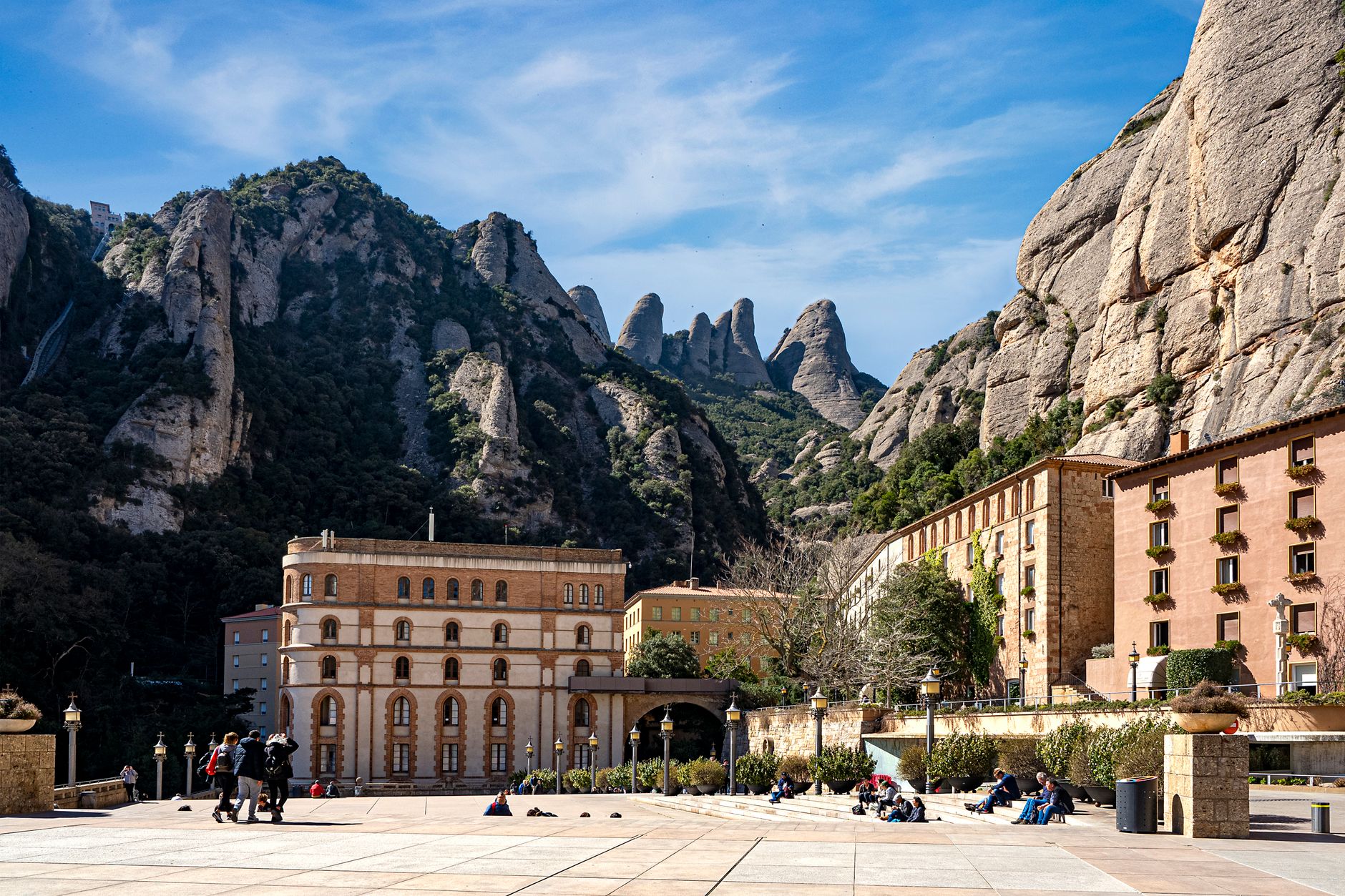
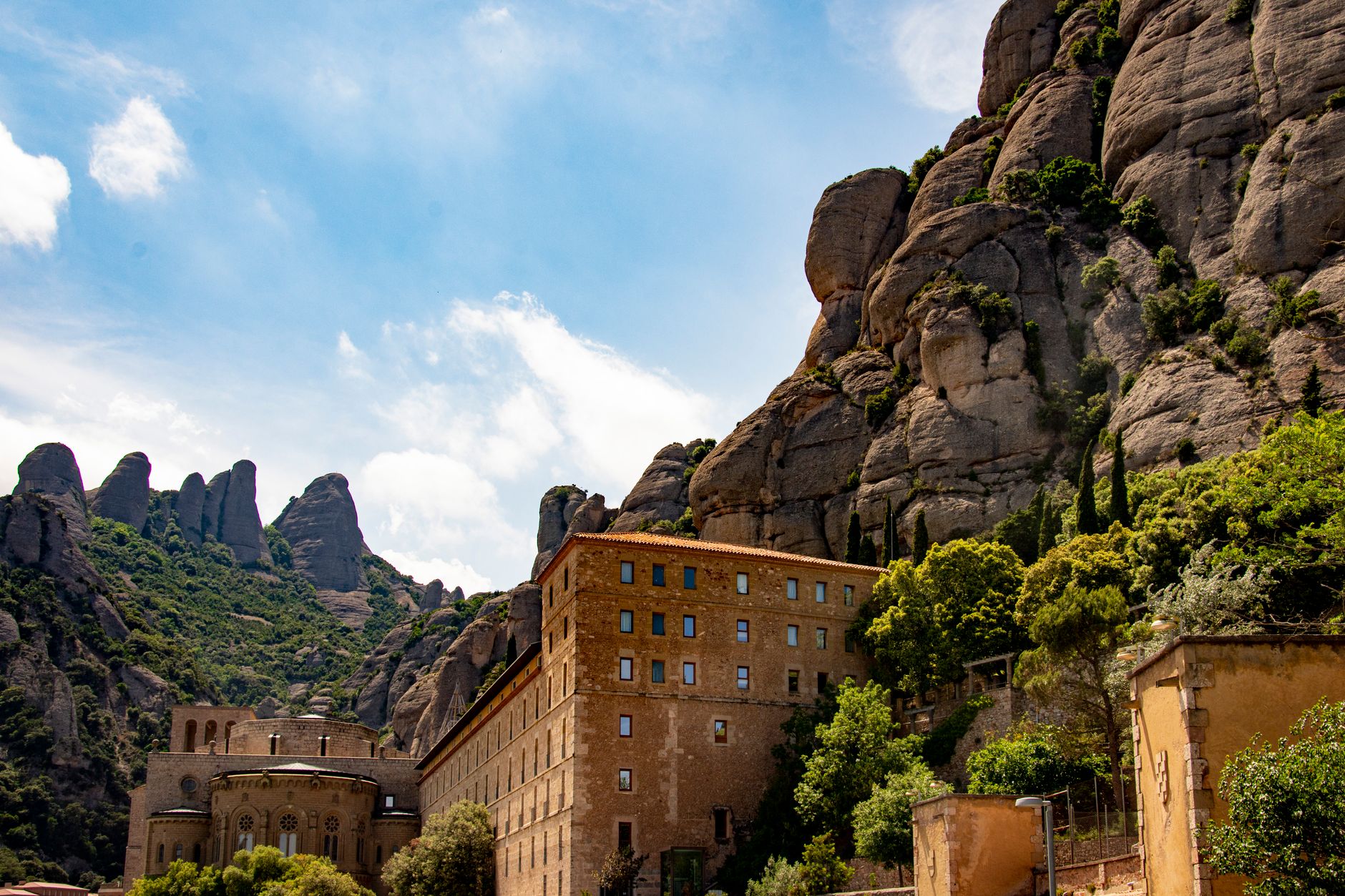
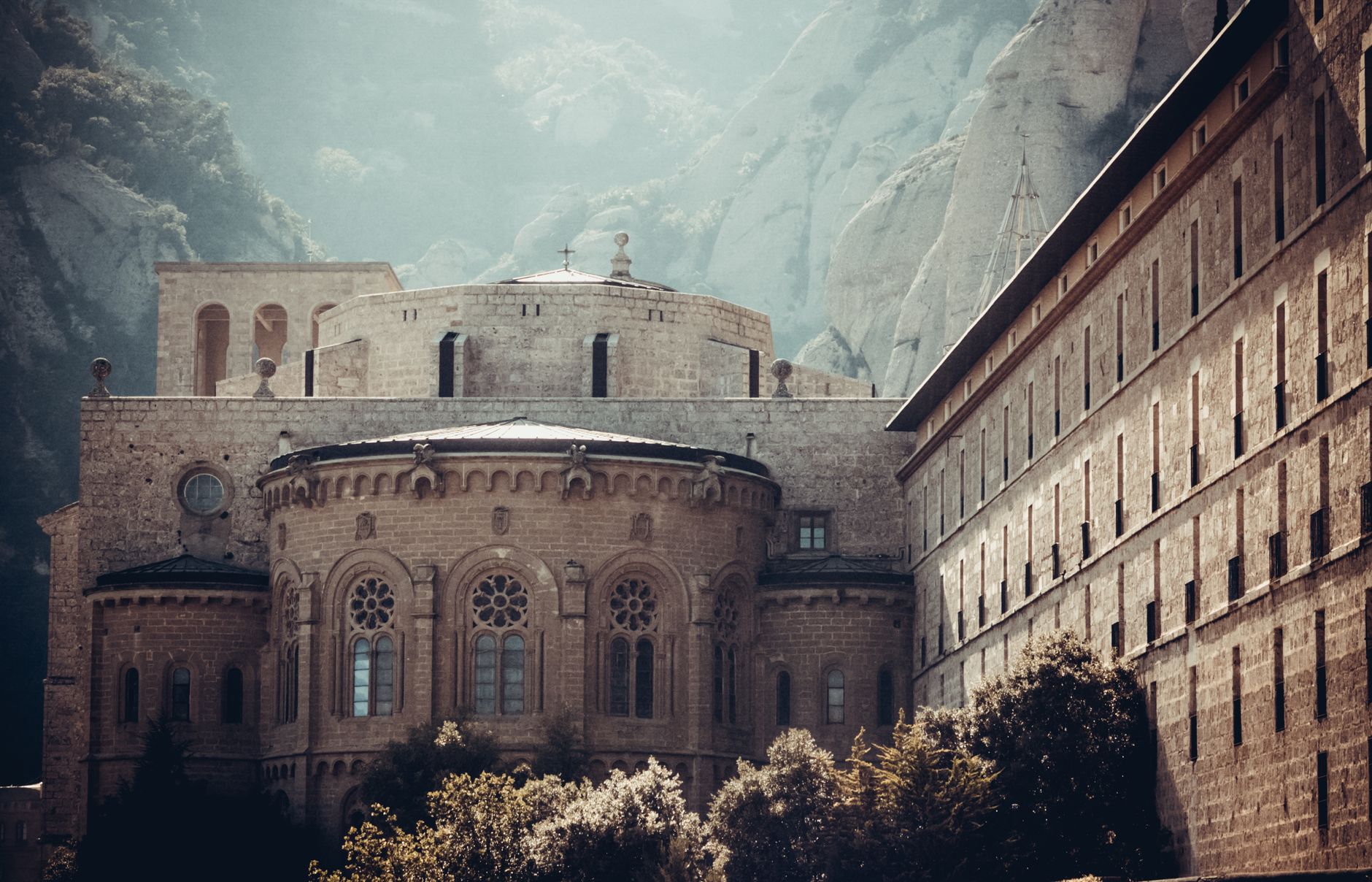
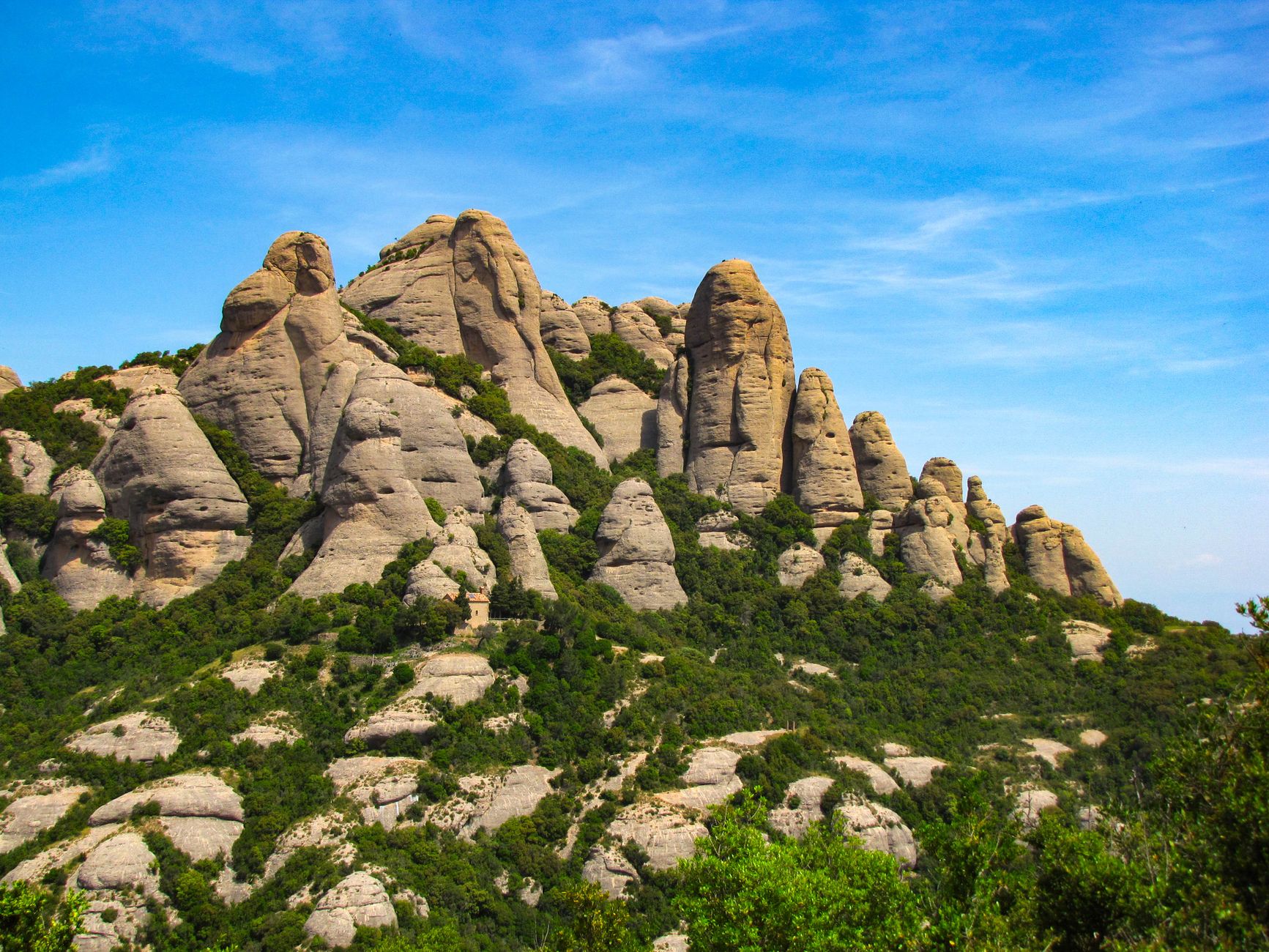
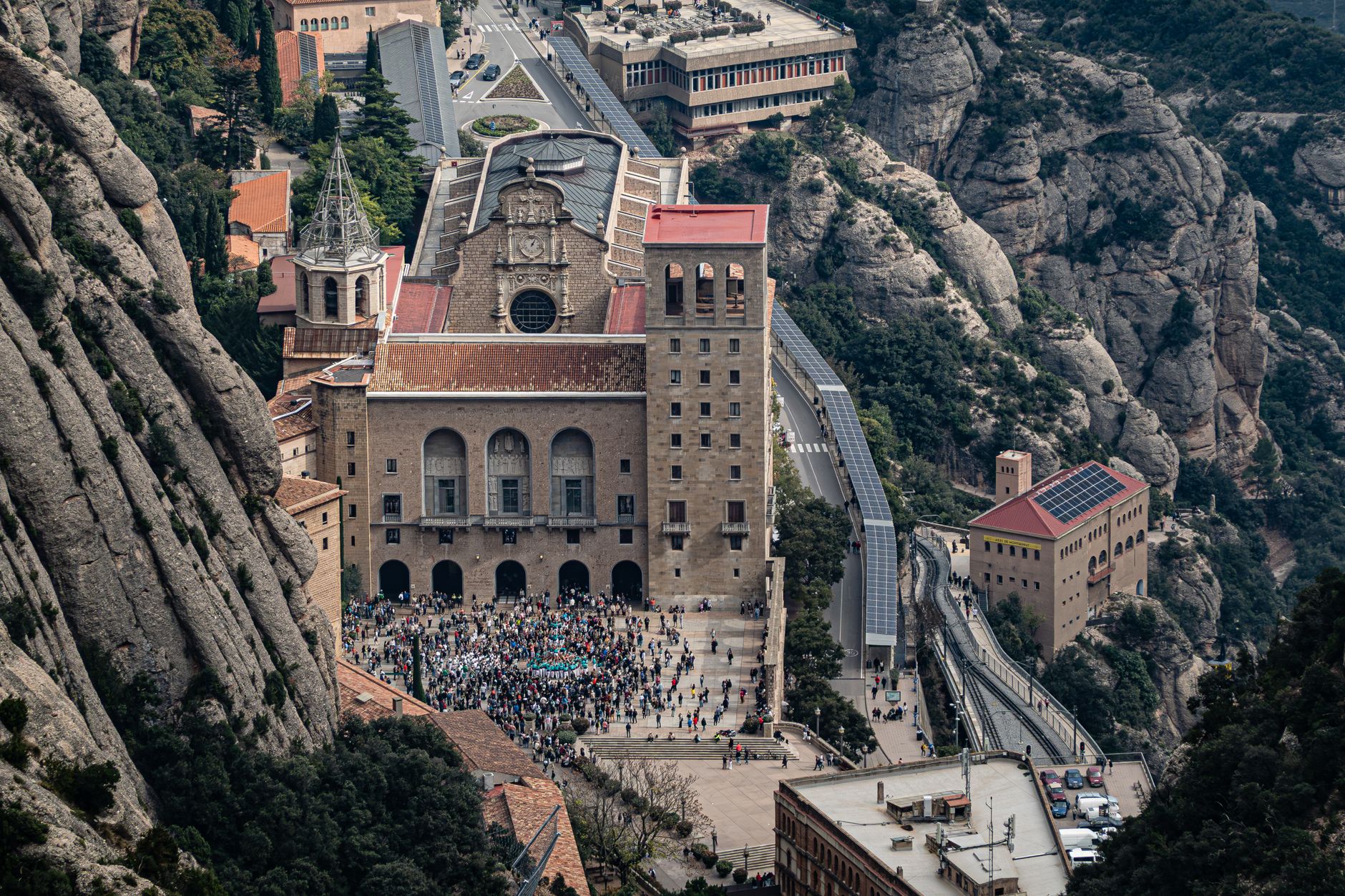
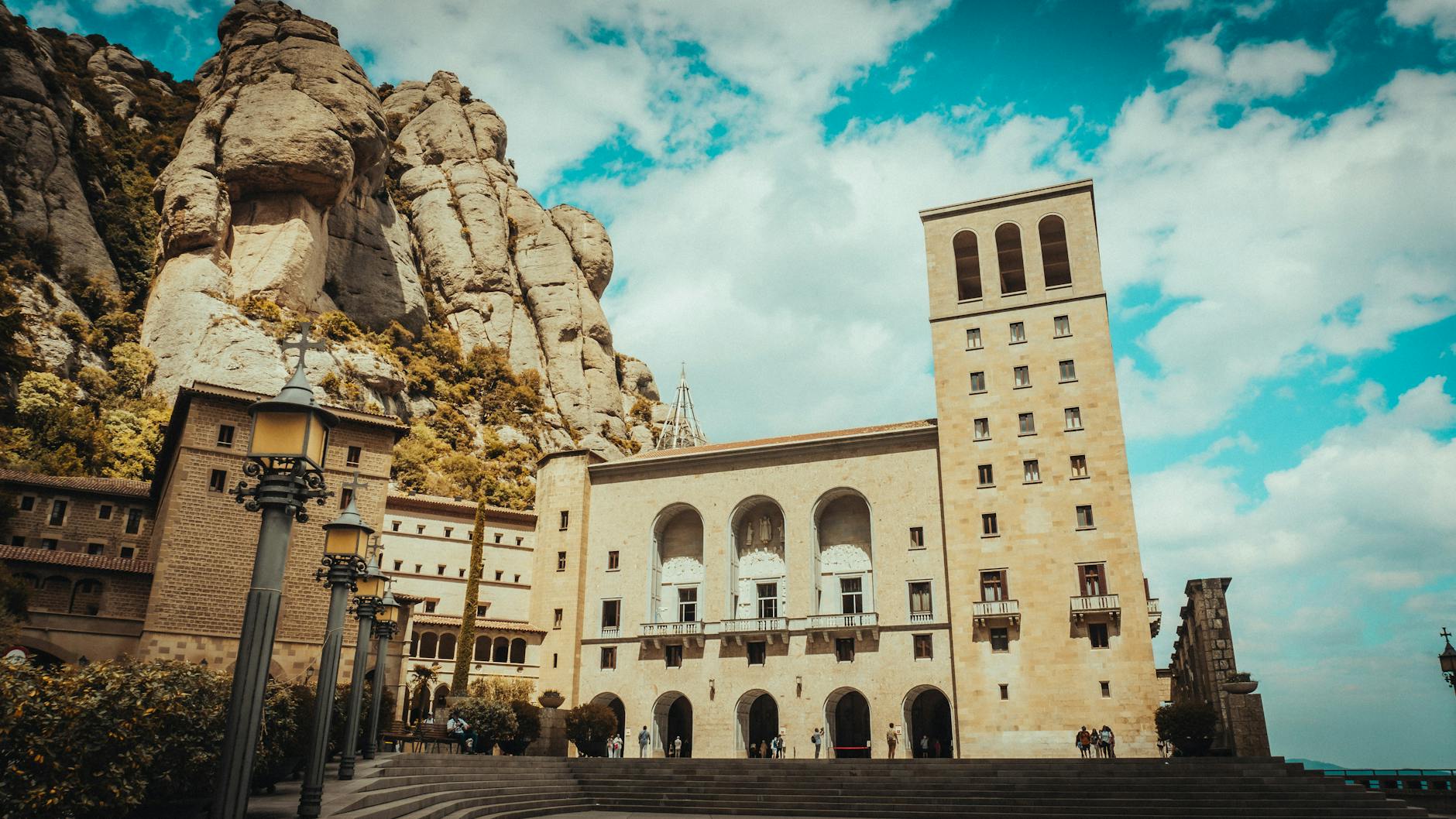
The mountain itself does the announcing. Montserrat's serrated limestone peaks rise from the Catalan plain in a way that stops conversation — jagged, pale, improbable — and the monastery that Abbot Oliba founded here in 1025 sits against the rock face as though it grew from it. At the centre of the basilica, a 12th-century Black Madonna known as La Moreneta draws pilgrims and the quietly curious in equal measure, proclaimed patron saint of Catalonia by Pope Leo XIII in 1881.
The Escolania, one of Europe's oldest choir schools — its roots reaching back to the 13th century — performs daily in the basilica, and the museum holds work by El Greco, Caravaggio, Dalí, Miró and Picasso alongside Catalan masters. This is not a backdrop. It is a place with a thousand years of specific, documented life.
💛 What travellers fall for
People who come back tend to time it around the Escolania's daily performance — arrive early to secure a spot in the nave. The Sant Joan funicular, running since 1918, rewards those who ride it up and then walk down through the rock paths. The museum's modern Catalan section, often bypassed, is worth the detour.
Experiences you don't want to miss



Deals in Montserrat
Book directly at the provider

How Montserrat came to be
A hermitage dedicated to the Virgin stood on this mountain from at least 880, and the carved image now known as La Moreneta was venerated there for over a century before Abbot Oliba of Ripoll founded the monastery in 1025. By 1082, Santa Maria de Montserrat had its own abbot, independent of Ripoll. In 1500, Ignatius of Loyola came as a pilgrim. Richard Wagner visited in 1862 and wove the mountain's atmosphere into Parsifal.
Napoleon's troops burned and sacked the abbey in 1811–1812, destroying much of what had accumulated over centuries. It was closed again in 1835, then restored in 1844. The Spanish Civil War brought another rupture: 22 monks were killed between 1936 and 1939. The monastery that stands today — including Josep Puig i Cadafalch's 1929 cloister and the Neoplateresque façade completed in 1901 — is partly a reconstruction, partly a reckoning with survival. In 2025, the foundation reaches its thousandth year.
Who and what shaped it
People who shaped it
Landmark buildings
See Montserrat in motion
Plan your visit
On the map
When to go
Summers are hot and dry, with temperatures peaking around 29°C in July — bring water if you're walking the mountain paths. September is the wettest month, and winters are mild but cool, averaging around 13–14°C across the year.
Right now
Background & history adapted from Wikipedia (CC BY-SA) · specs from Wikidata (CC0) · weather from Open-Meteo · map data © OpenStreetMap contributors · photos from Wikimedia Commons / Unsplash with per-image credit. No third-party reviews or social posts reproduced.