
Tarragona
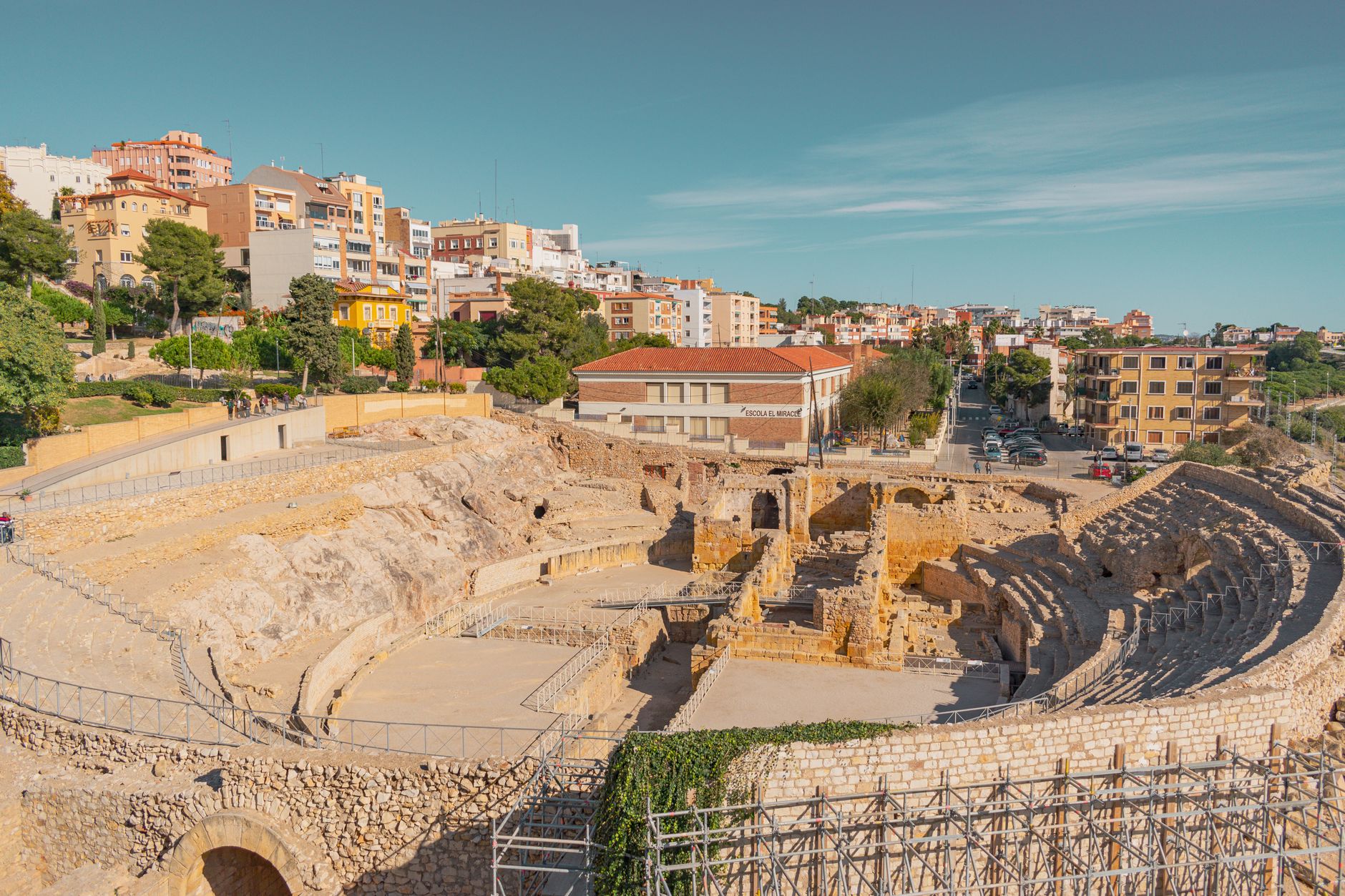
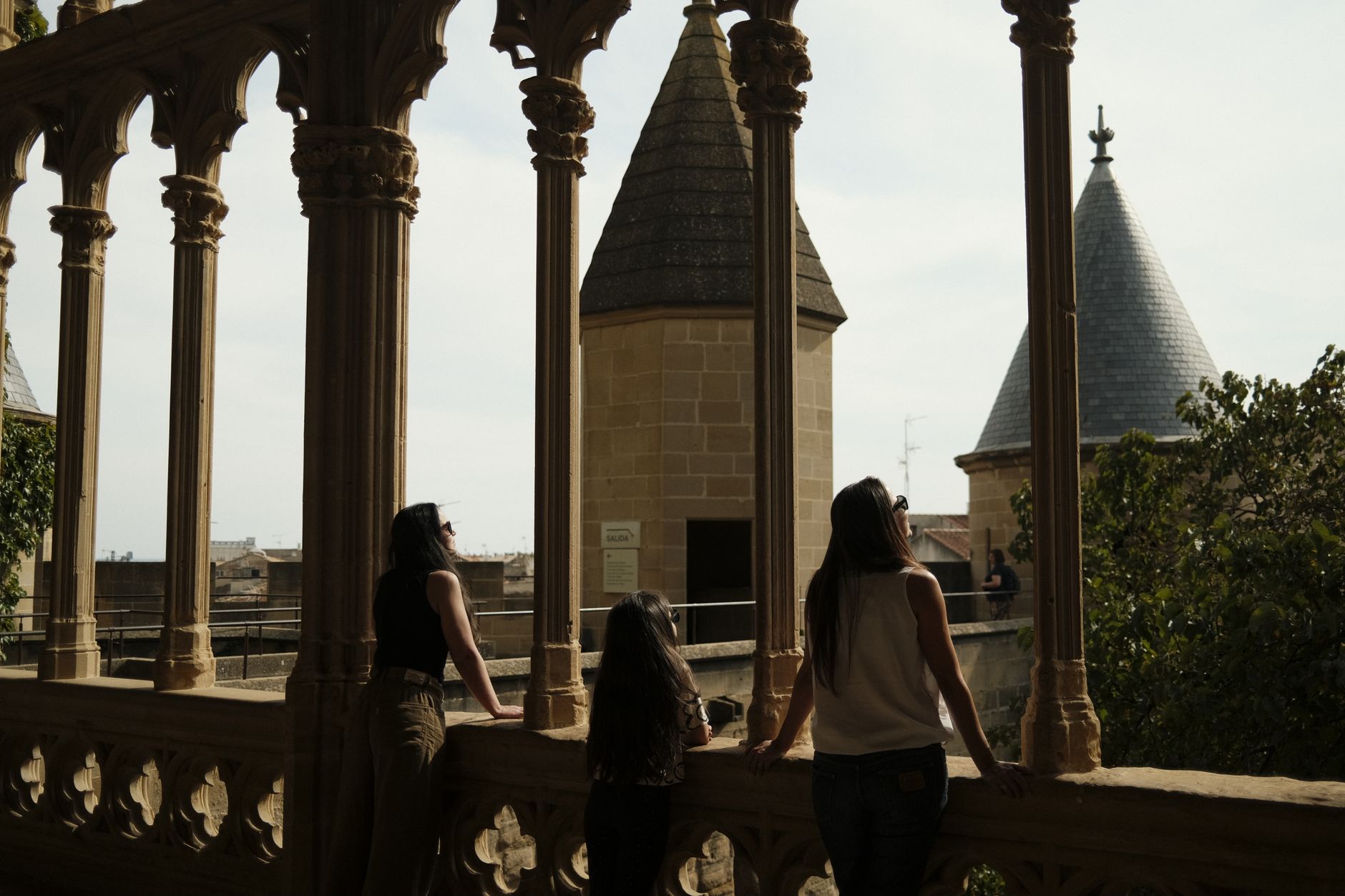
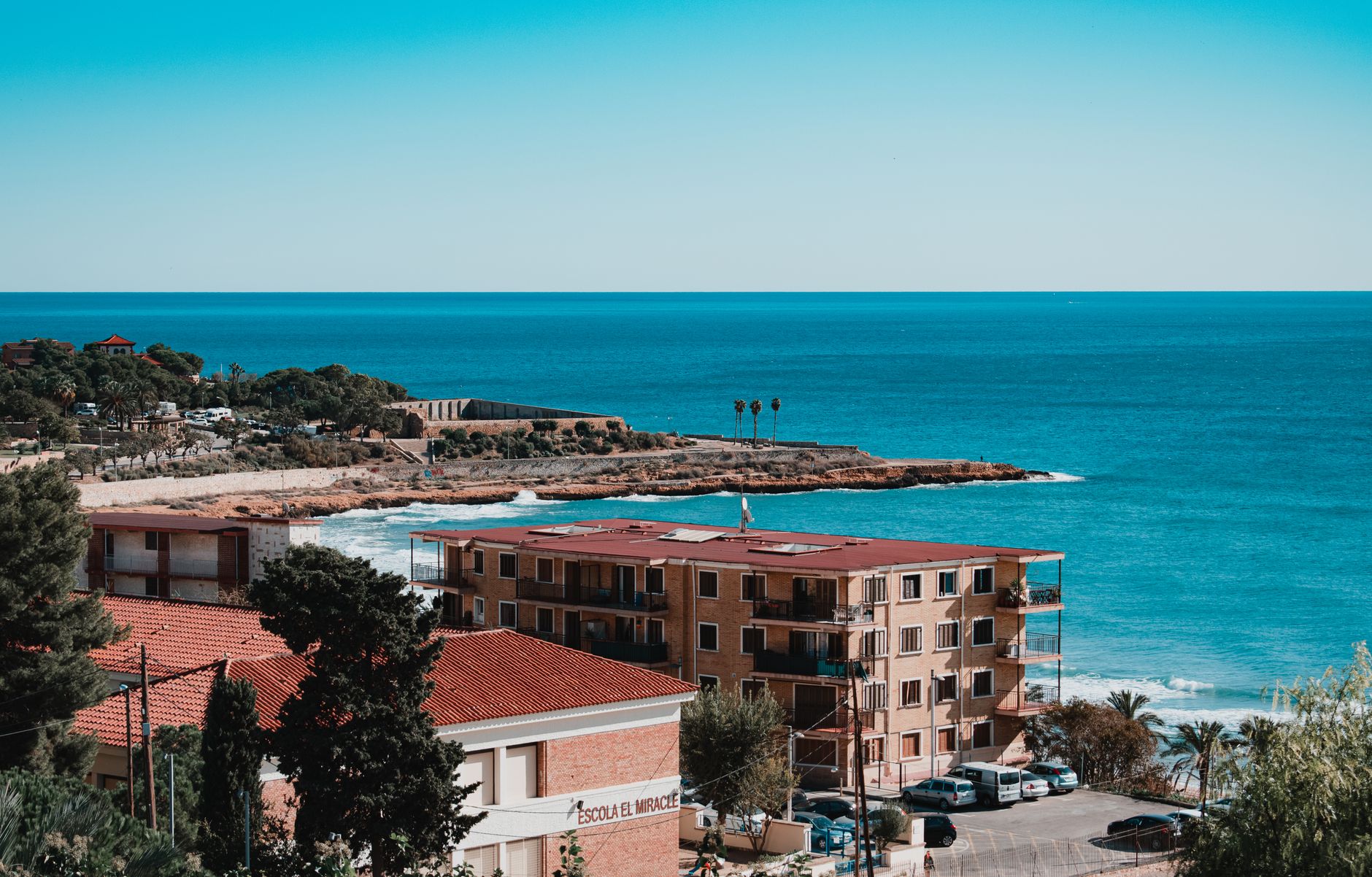
Stand at the edge of Tarragona's Roman amphitheatre and you're looking at a structure that held 15,000 people in the 2nd century AD — and beyond it, the Mediterranean, unchanged. This is a working Catalan city where schoolchildren eat lunch in the shadow of walls that Roman engineers began raising in 218 BCE, and where the UNESCO designation feels less like a badge than a fact of daily life.
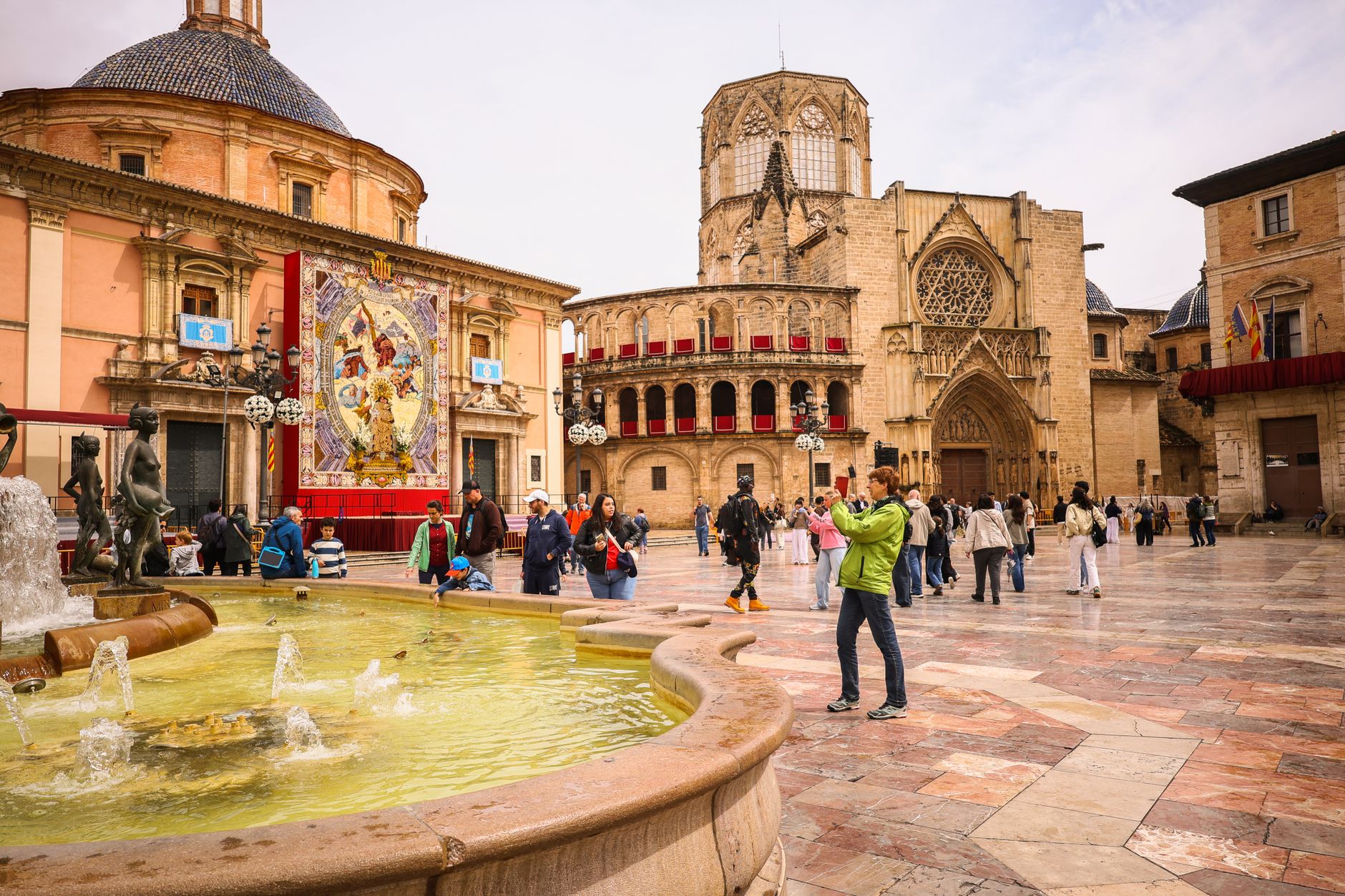
The old quarter sits on a promontory above the sea, its streets threading between Roman stonework, a cathedral consecrated in 1331, and a covered market that opened in 1915. Tarragona earns its place on the map without trying to explain itself.
💛 What travellers fall for
People who come back tend to time their visit for a Tuesday or Wednesday, when the Roman sites are quieter and the €7.40 combined pass feels like a genuine bargain. The walk along the surviving stretch of Roman walls — roughly 1,100 metres of the original 3,500 — at dusk is something regulars mention without being asked.
Experiences you don't want to miss




Deals in Tarragona
Book directly at the provider

How Tarragona came to be
Roman generals Gnaeus and Publius Scipio established a fortified camp here in 218 BCE, making Tarraco the earliest Roman stronghold in Spain. Julius Caesar later granted it colony status, and Augustus raised it to capital of Hispania Tarraconensis, building a temple in his own honour. The infrastructure that followed — circus, amphitheatre, aqueduct — shaped the city's bones permanently.
The centuries after Rome brought Visigoths in 476 CE and Muslim forces by 713. In the 17th and early 18th centuries, Tarragona changed hands repeatedly during the Reapers' War and the War of Spanish Succession, finally settling under the Treaty of Utrecht in 1713. The Archaeological Ensemble of Tarraco was recognised as a UNESCO World Heritage Site in 2000.
Who and what shaped it
People who shaped it
Landmark buildings
See Tarragona in motion
Plan your visit
On the map
When to go
Tarragona runs hot and dry in summer — August averages 25.6°C — and mild in winter, rarely dropping below 10°C in February. Spring and autumn are the most comfortable seasons for walking the ruins; the Mediterranean light in October is particularly clear.
Right now
Background & history adapted from Wikipedia (CC BY-SA) · specs from Wikidata (CC0) · weather from Open-Meteo · map data © OpenStreetMap contributors · photos from Wikimedia Commons / Unsplash with per-image credit. No third-party reviews or social posts reproduced.