
Sitges
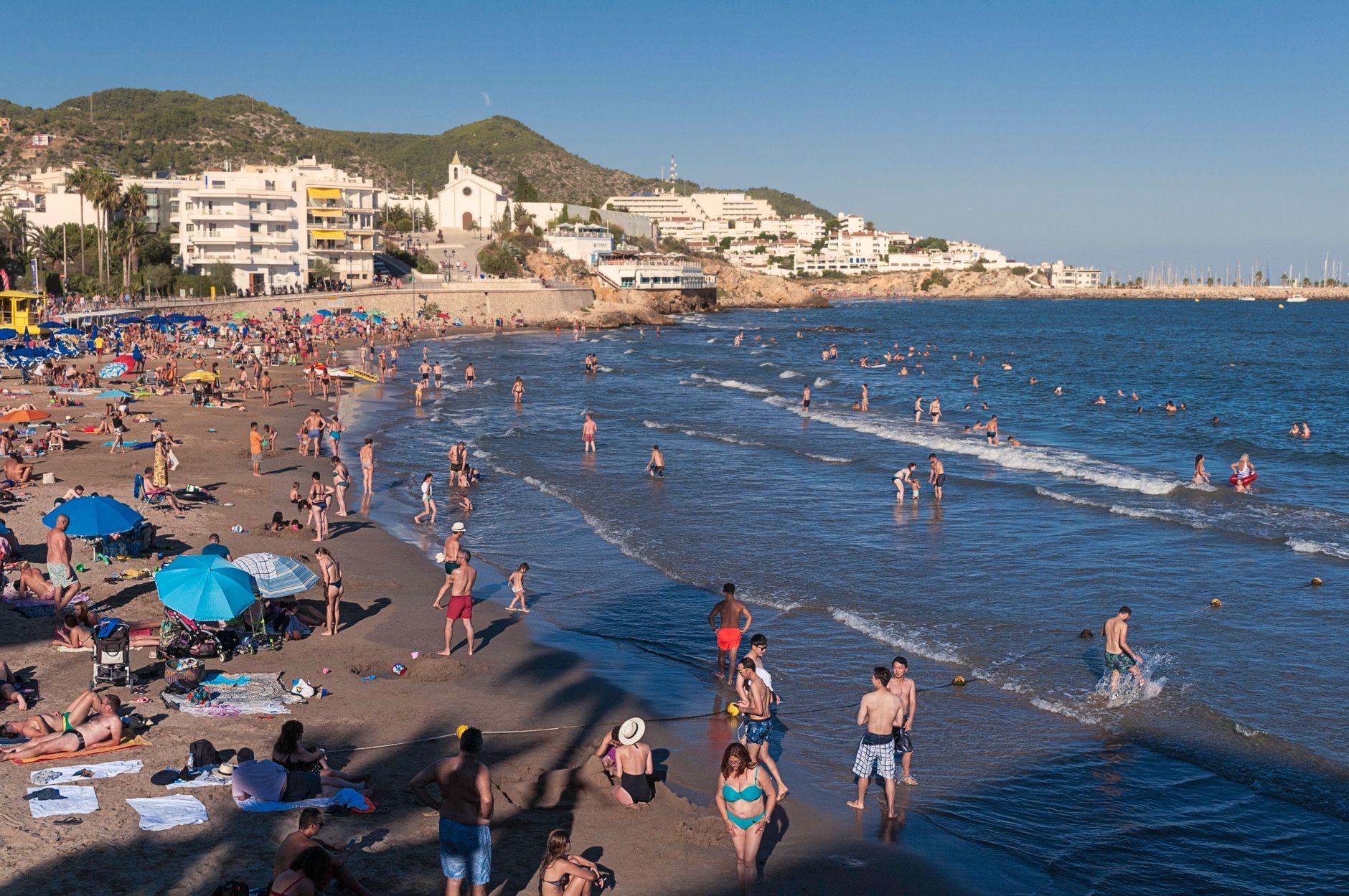
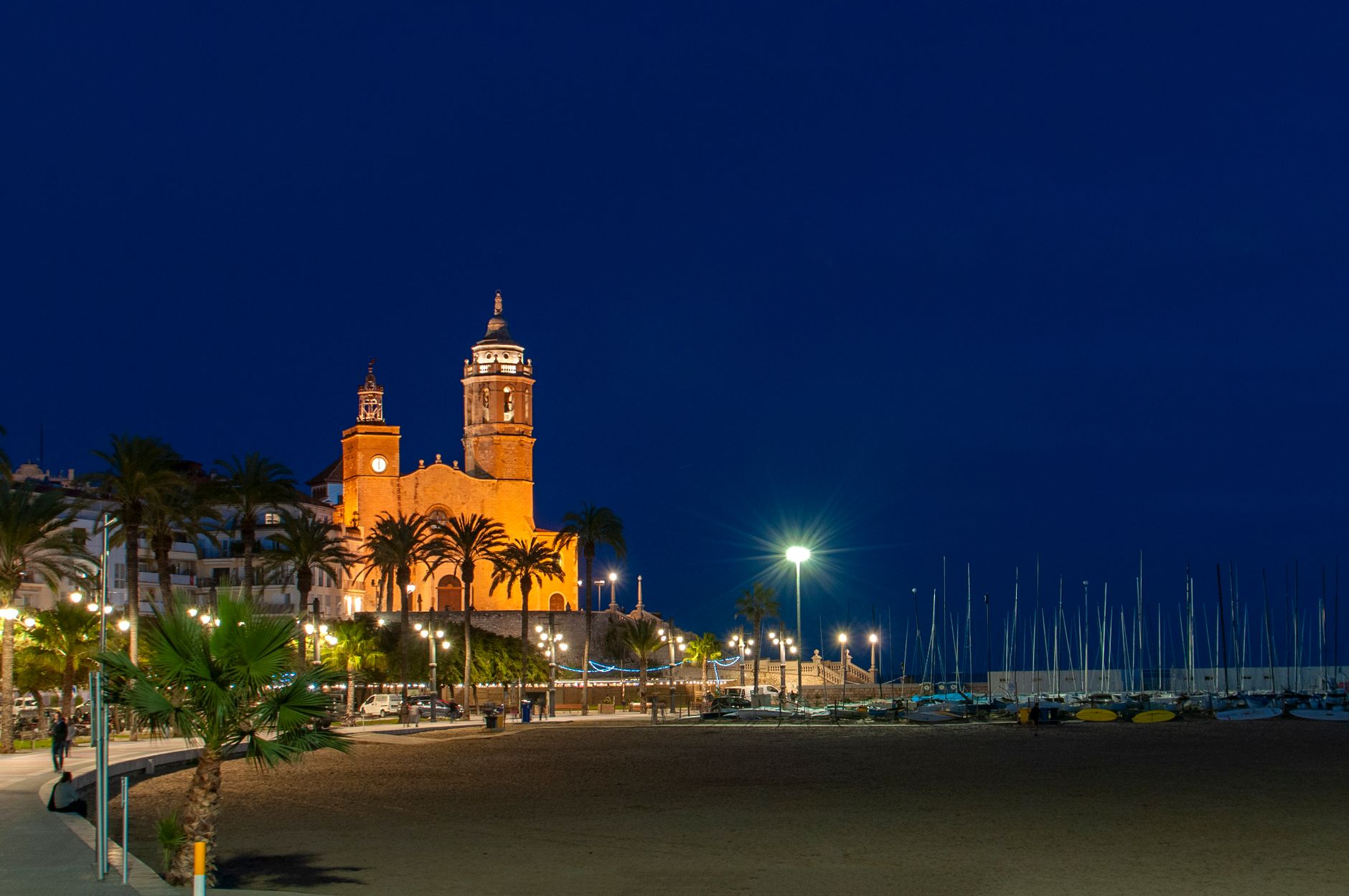
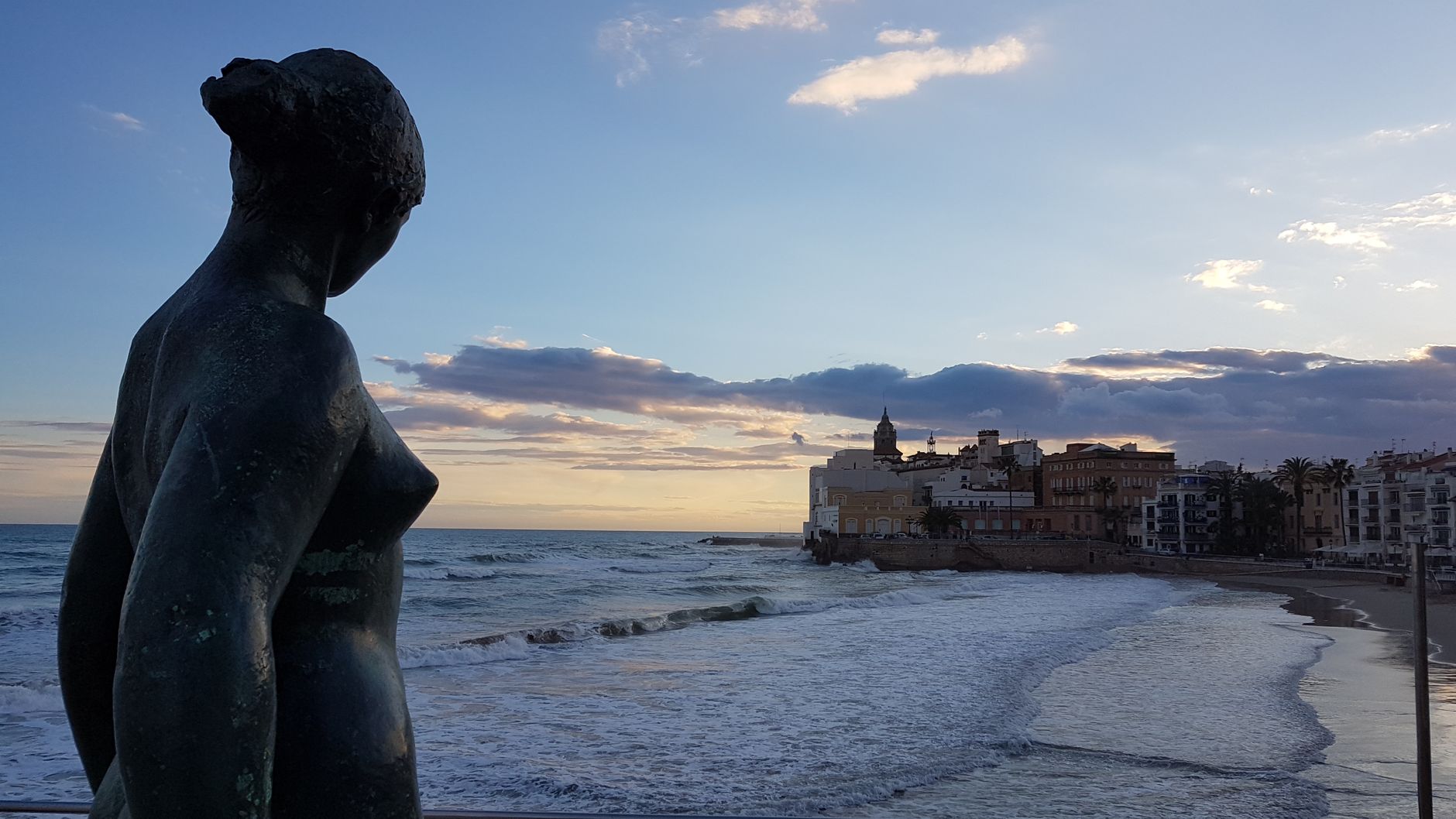
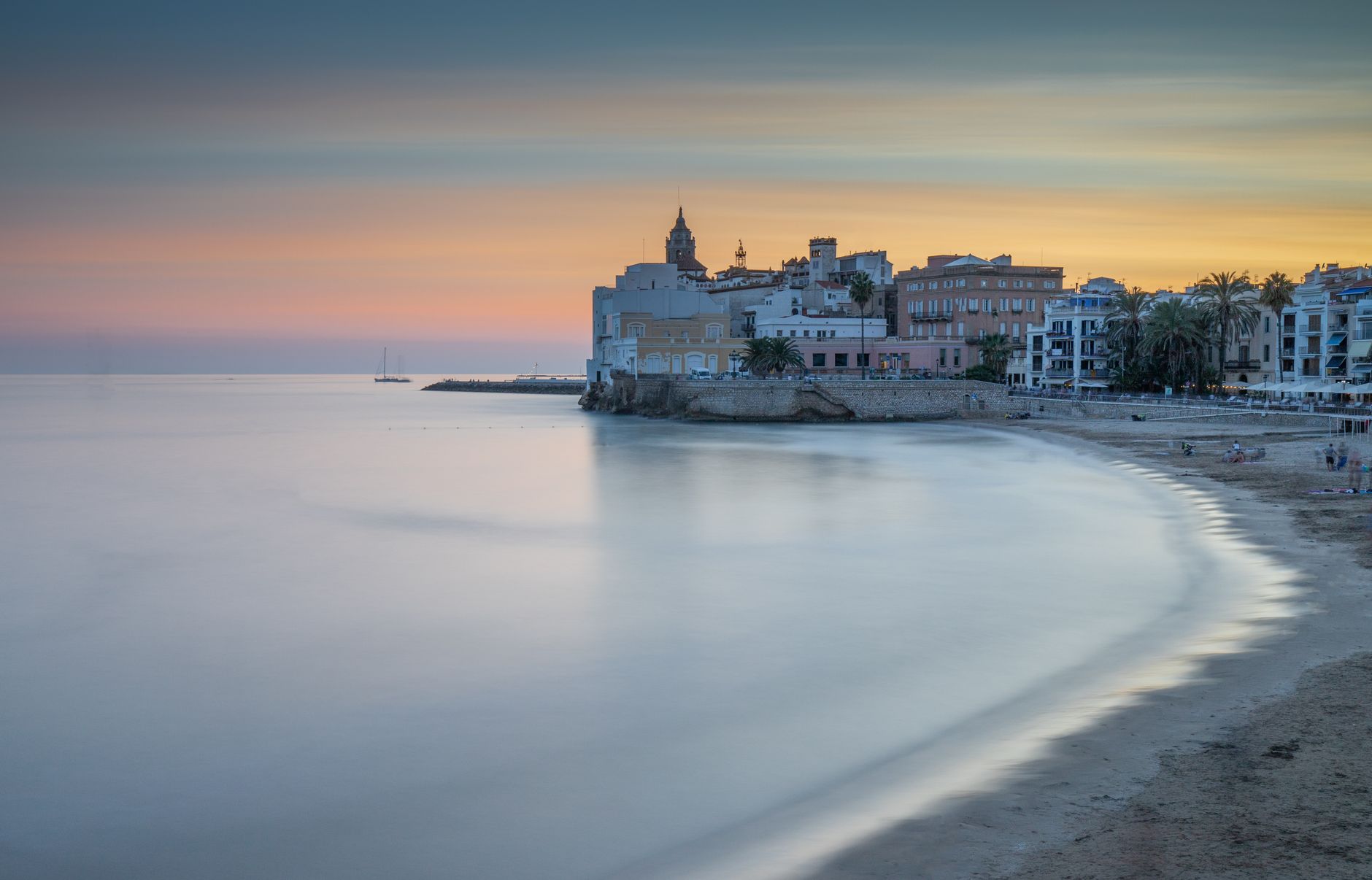
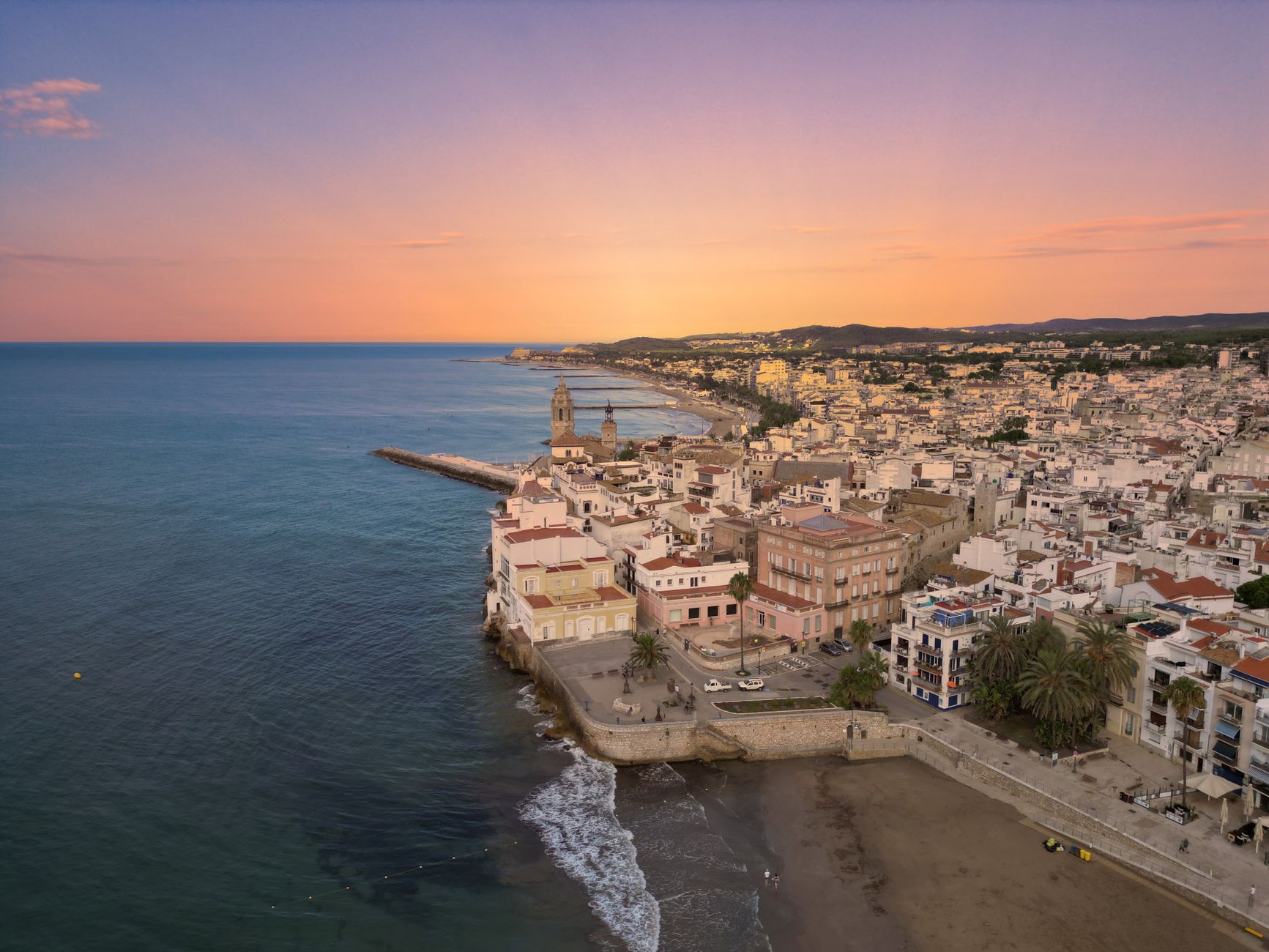
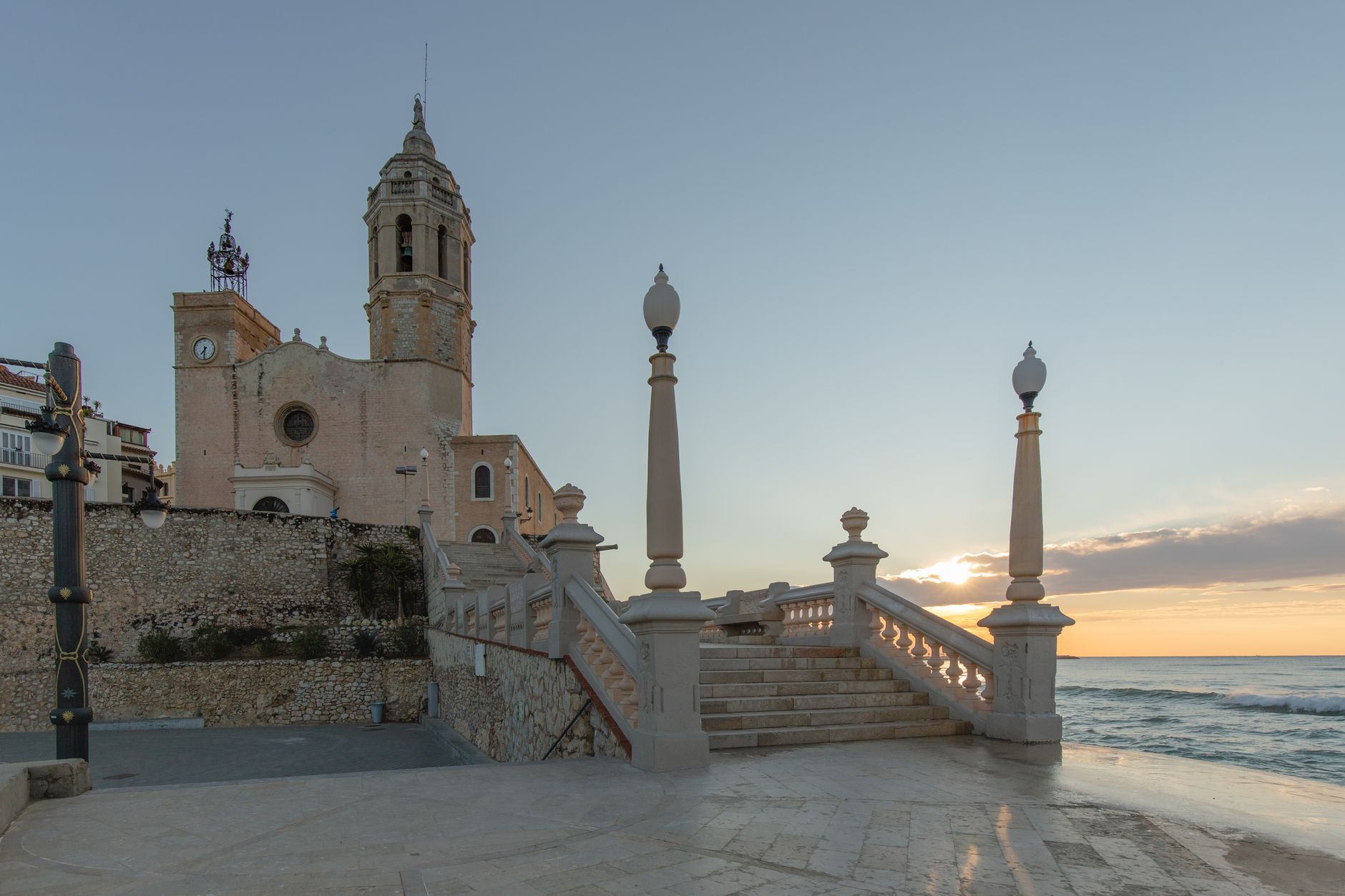
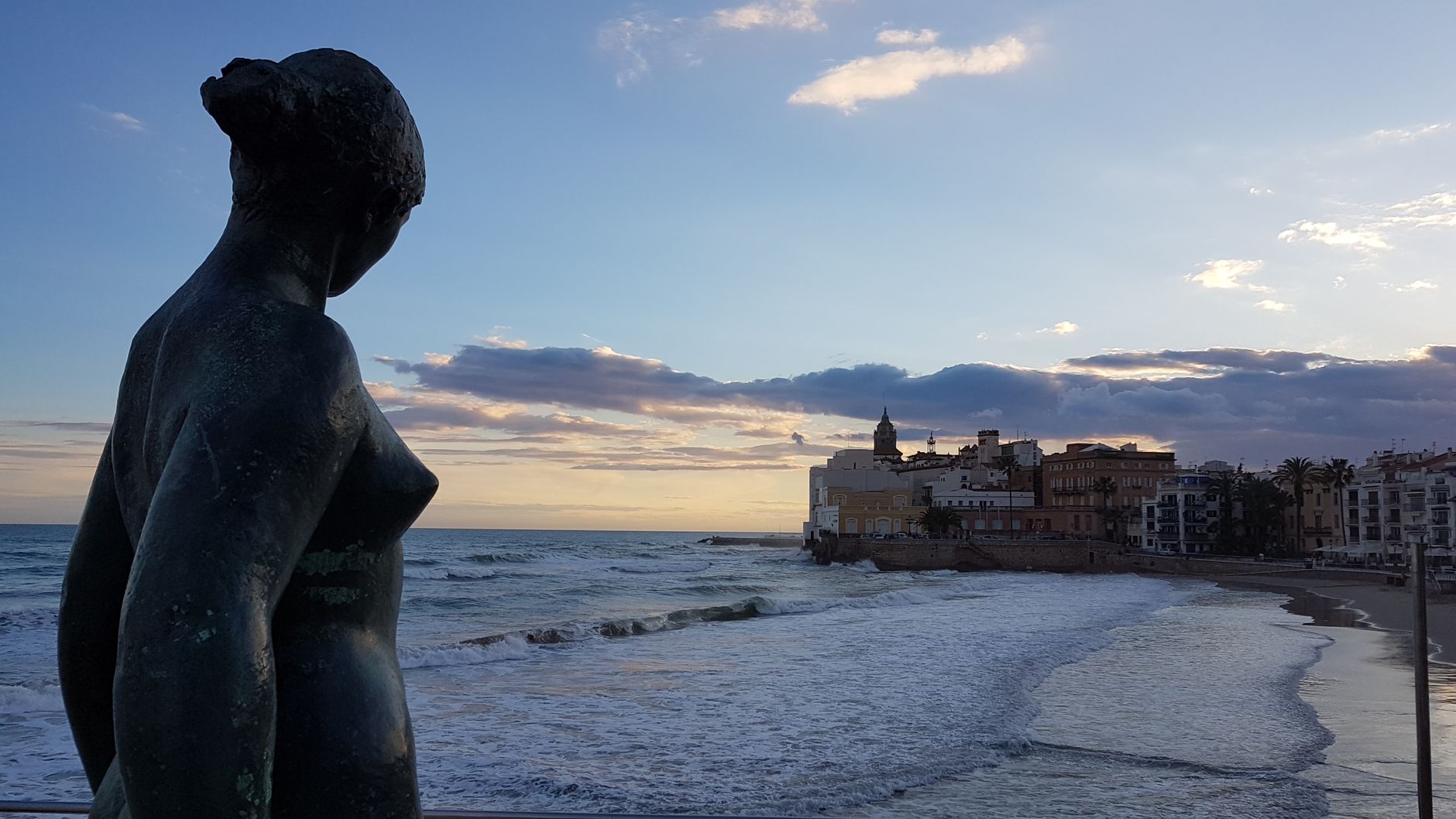
The thing that stays with you about Sitges is the church on the headland — Sant Bartomeu i Santa Tecla, white and baroque, perched above the sea at La Punta with the beach curving away on either side. The town arranged itself around that image for centuries, and it still does.
Sitges earned its particular character through rum money, modernist painters and a film festival devoted to fantasy and horror. Those three threads — the returned emigrants from Cuba, the artists who followed Santiago Rusiñol here in the 1890s, and the cinephiles who show up every autumn — give the place a depth that outlasts any single season.
💛 What travellers fall for
Regulars tend to agree on a few specifics: take the train from Sants rather than driving, walk Carrer d'en Bosc early before anyone else is out, and spend an afternoon inside Cau Ferrat even if museums aren't usually your thing — Rusiñol's home is strange and personal in a way that repays the visit.
Experiences you don't want to miss



Deals in Sitges
Book directly at the provider
How Sitges came to be
The name itself is a clue: "sitges" means grain silos, and the word appears in documents from 991 AD, attached to a settlement already layered over Iberian and Roman remains. The 11th-century castle gave the town its spine; the current Town Hall, built in 1889, still stands on those medieval foundations.
The town's modern identity took shape in two waves. First came the indianos — emigrants who made fortunes in Cuba and returned with money to spend. Facundo Bacardí Massó, born here in 1814, went to Cuba and founded Bacardi rum; Jaime Brugal did the same, eventually establishing Ron Brugal in the Dominican Republic. Then, in 1891, Santiago Rusiñol arrived and Sitges became the heartland of Catalan modernisme. Charles Deering, an American businessman, followed in 1909 and funded the Palau de Maricel. The Sitges Film Festival — dedicated to fantasy film and now one of Europe's most respected — has been running since the late 1960s.
Who and what shaped it
People who shaped it
Landmark buildings
See Sitges in motion
Plan your visit
On the map
When to go
Summers are warm and reliably sunny, with July and August bringing the heaviest visitor numbers alongside the heat. Spring and autumn offer mild temperatures and clearer light — better for walking the old streets and actually getting a table anywhere worth sitting at.
Right now
Background & history adapted from Wikipedia (CC BY-SA) · specs from Wikidata (CC0) · weather from Open-Meteo · map data © OpenStreetMap contributors · photos from Wikimedia Commons / Unsplash with per-image credit. No third-party reviews or social posts reproduced.