
Figueres
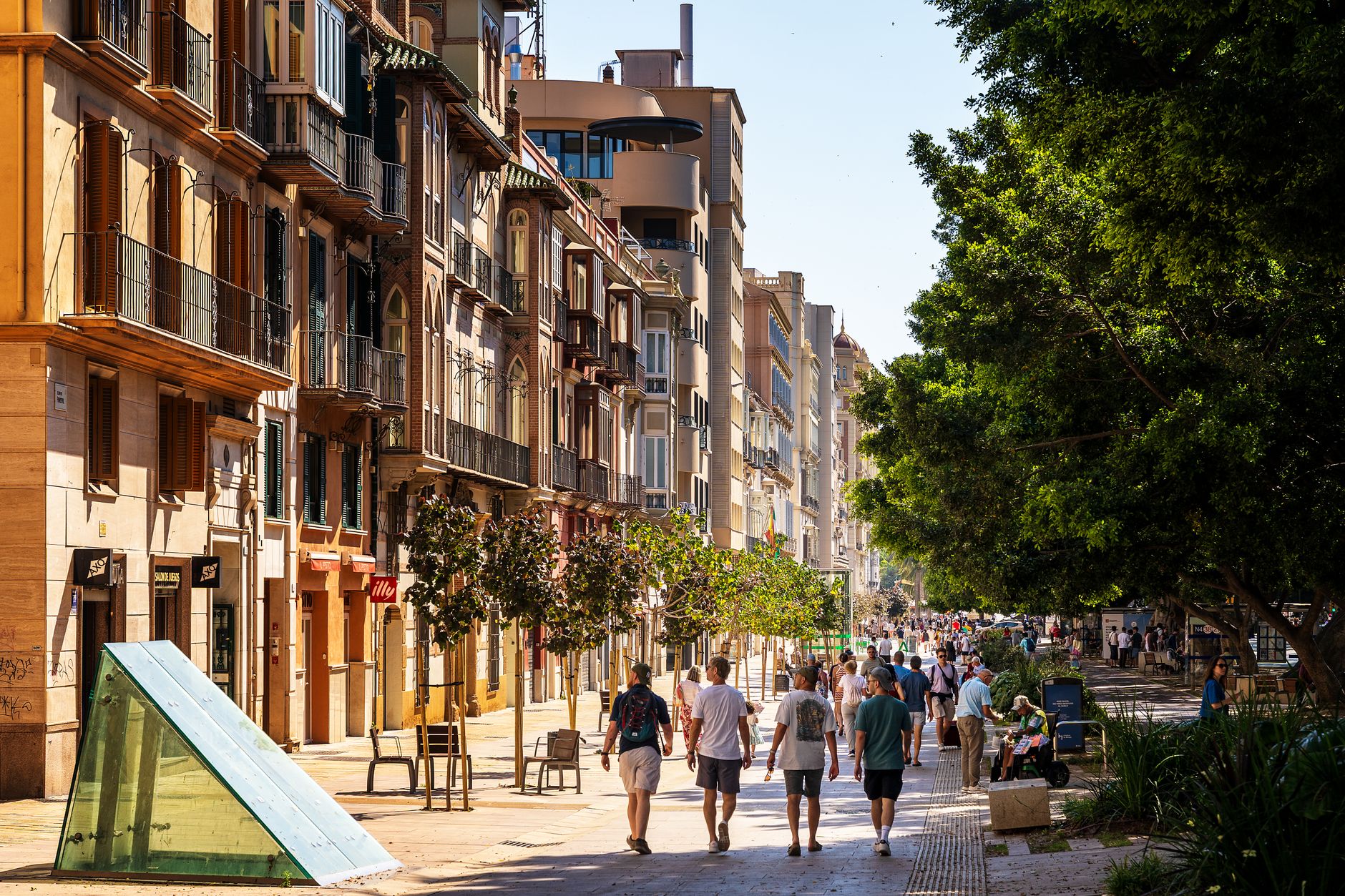
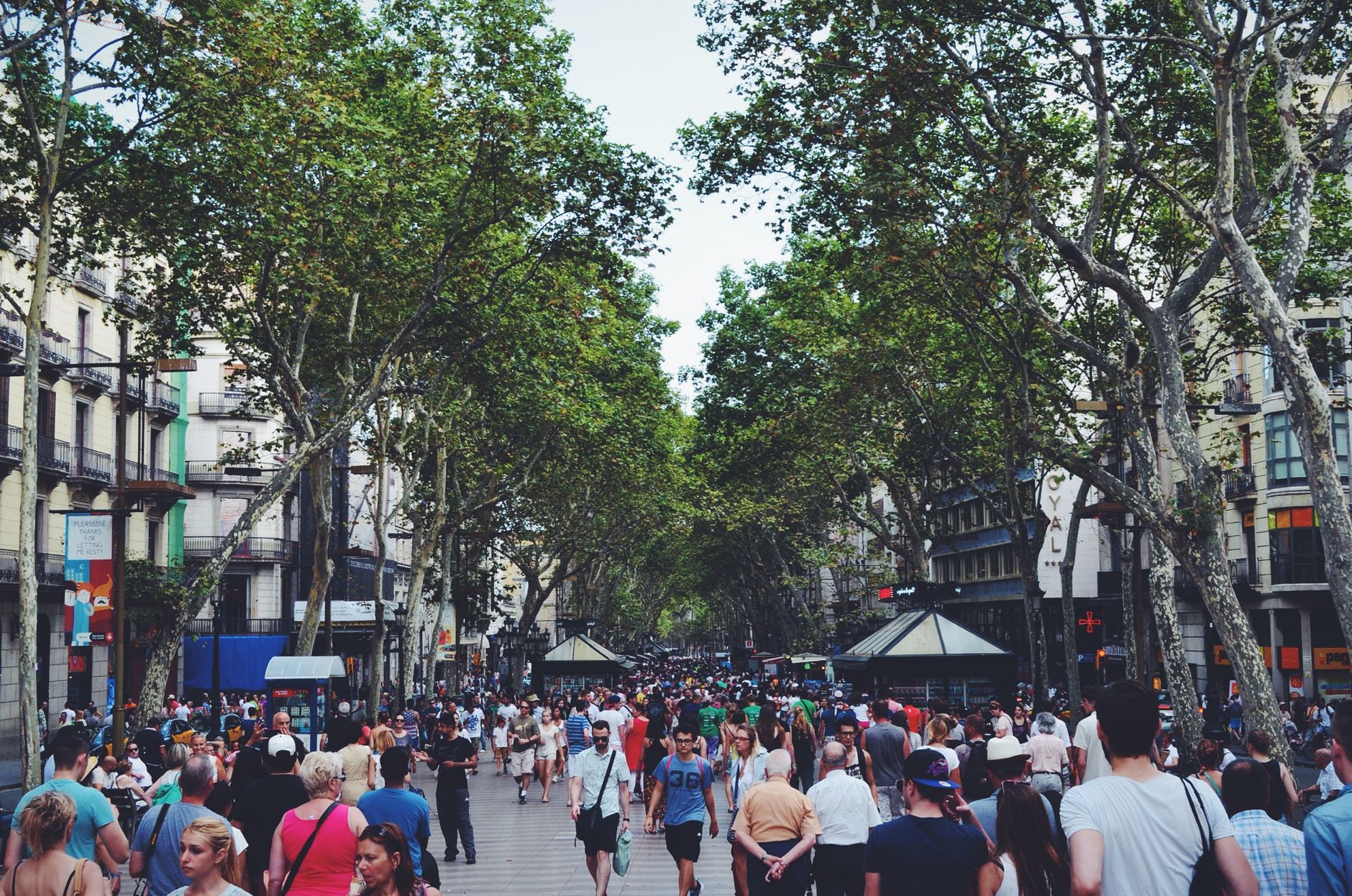
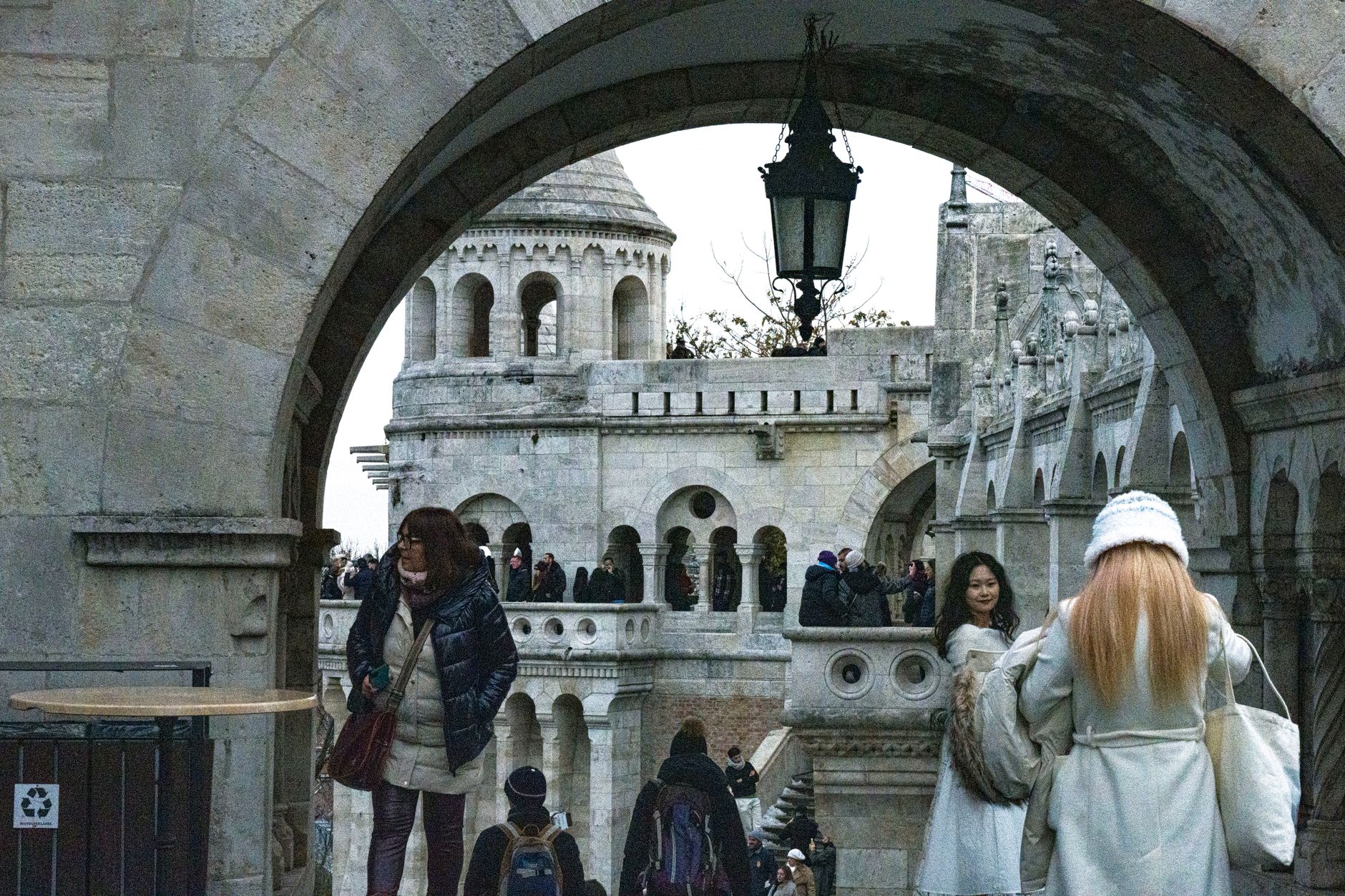
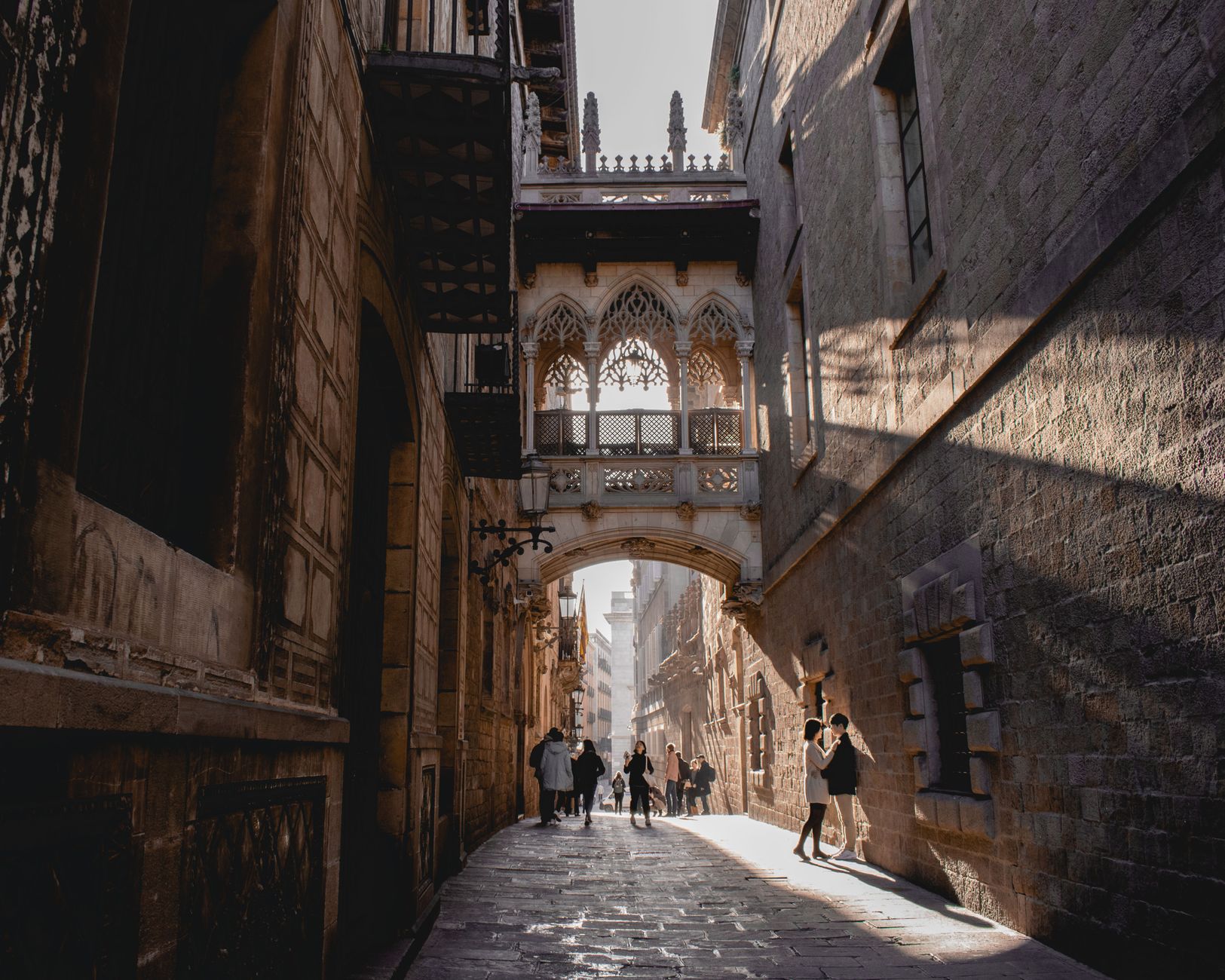
Figueres is a market town in the flat, wind-scoured plain of the Alt Empordà, about as far north in Catalonia as you can go before hitting the Pyrenean foothills and the French border. It has been a commercial crossroads for centuries, and that practical character still shows — the weekly market, La Rambla lined with 19th-century facades, the enormous Sant Ferran Castle sitting on the hill like a small city unto itself.
Then there is the Dalí Theatre-Museum, which Salvador Dalí himself designed and where he is buried beneath the stage floor. It is the reason most people come, and it earns the journey: not a conventional retrospective but a total environment, conceived by the artist as his largest and most sustained work.
💛 What travellers fall for
People who return tend to arrive on the AVE from Barcelona — just over an hour — spend the morning inside the Dalí museum before the crowds peak, then eat lunch somewhere along La Rambla and walk up to Sant Ferran in the afternoon, when the light on the stone is worth the climb. Torre Galatea's red facade and white egg finials are easy to spot on the way back.
Experiences you don't want to miss


Deals in Figueres
Book directly at the provider

How Figueres came to be
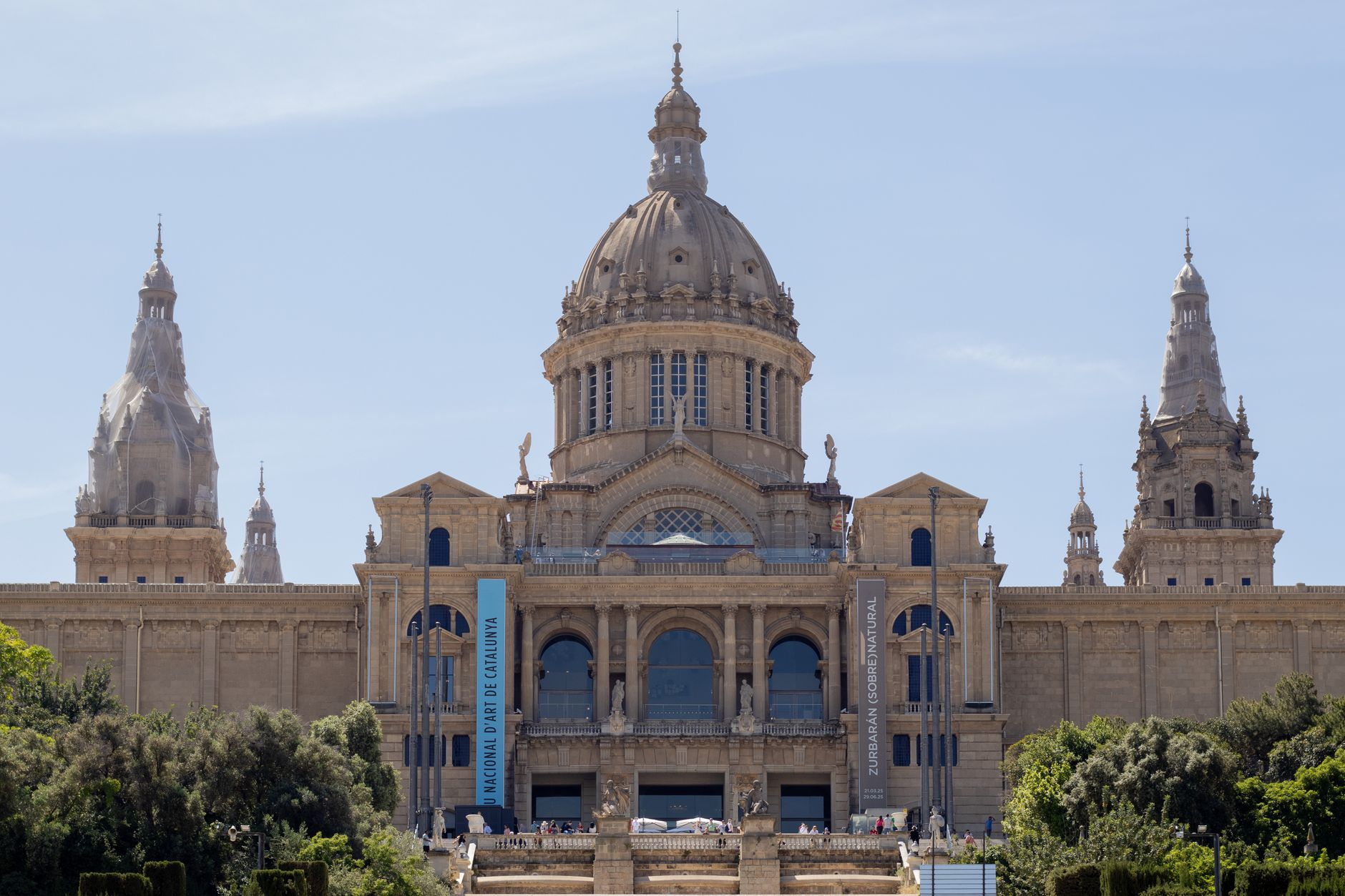
A document from 902 CE records the town's founding under Count Suniario I of Empúries, and the name itself traces back further, to a Visigoth toponym, Ficaris. King James I of Aragon granted it fuero rights in 1267, though the town was burned by Count Ponç IV just four years later. Its position near the French border made it a recurring prize: surrendered to France in 1794, recovered in 1795, then taken and retaken multiple times during the Peninsular War between 1808 and 1811.
The railway arrived in 1877 and changed the town's character decisively, cementing its role as the commercial capital of the Alt Empordà. Recovery from the 20th century's upheavals accelerated through the 1950s, with tourism gradually anchoring the local economy alongside trade.
Who and what shaped it
People who shaped it
Landmark buildings
See Figueres in motion
Plan your visit
On the map
When to go
Summers are hot and dry, with the tramuntana — a fierce north wind funnelled down from the Pyrenees — capable of arriving without warning at any time of year. Spring and autumn offer mild temperatures and fewer visitors; winters are cool and clear, occasionally sharp when the wind picks up.
Right now
Background & history adapted from Wikipedia (CC BY-SA) · specs from Wikidata (CC0) · weather from Open-Meteo · map data © OpenStreetMap contributors · photos from Wikimedia Commons / Unsplash with per-image credit. No third-party reviews or social posts reproduced.