
Girona
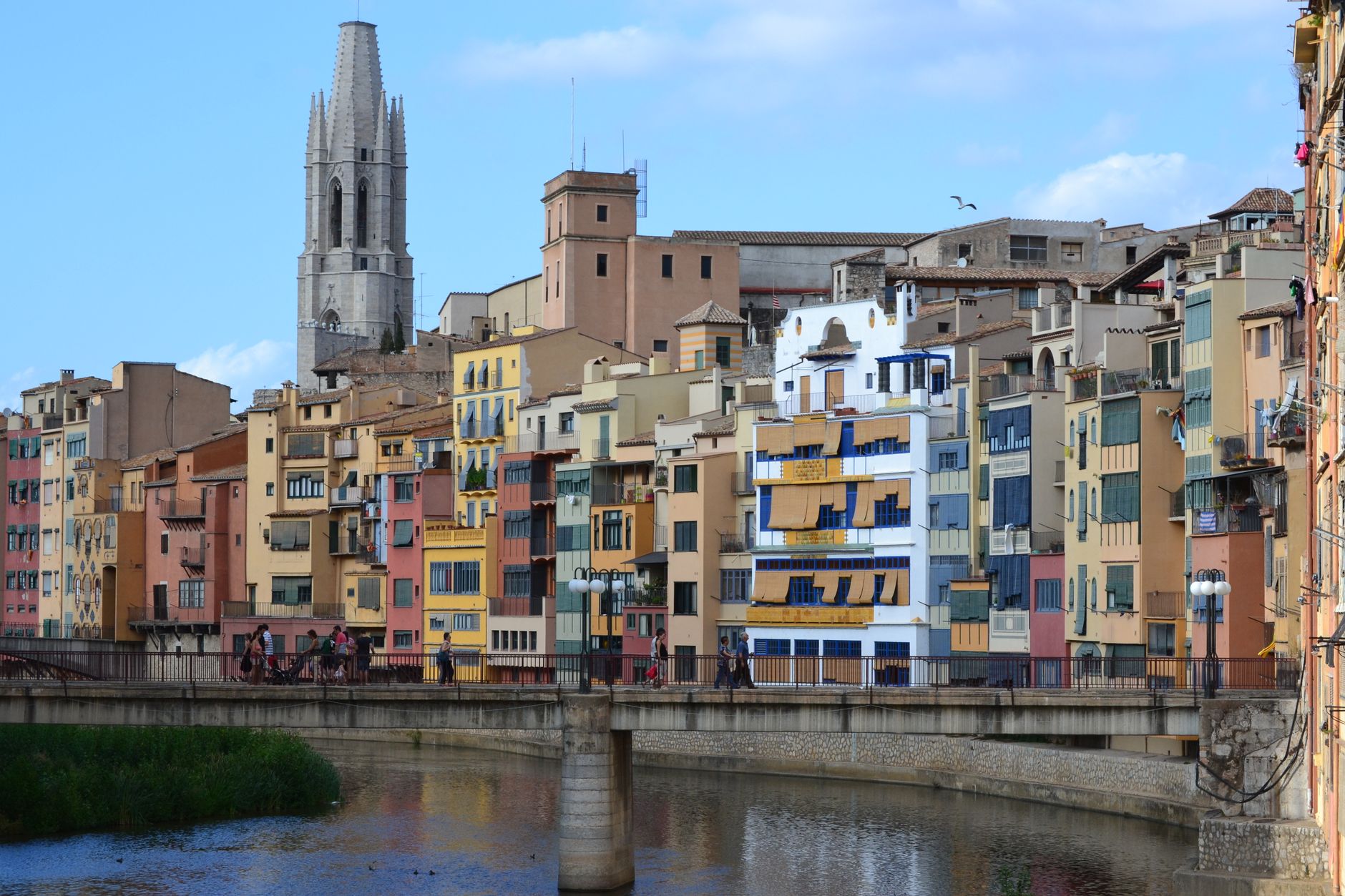
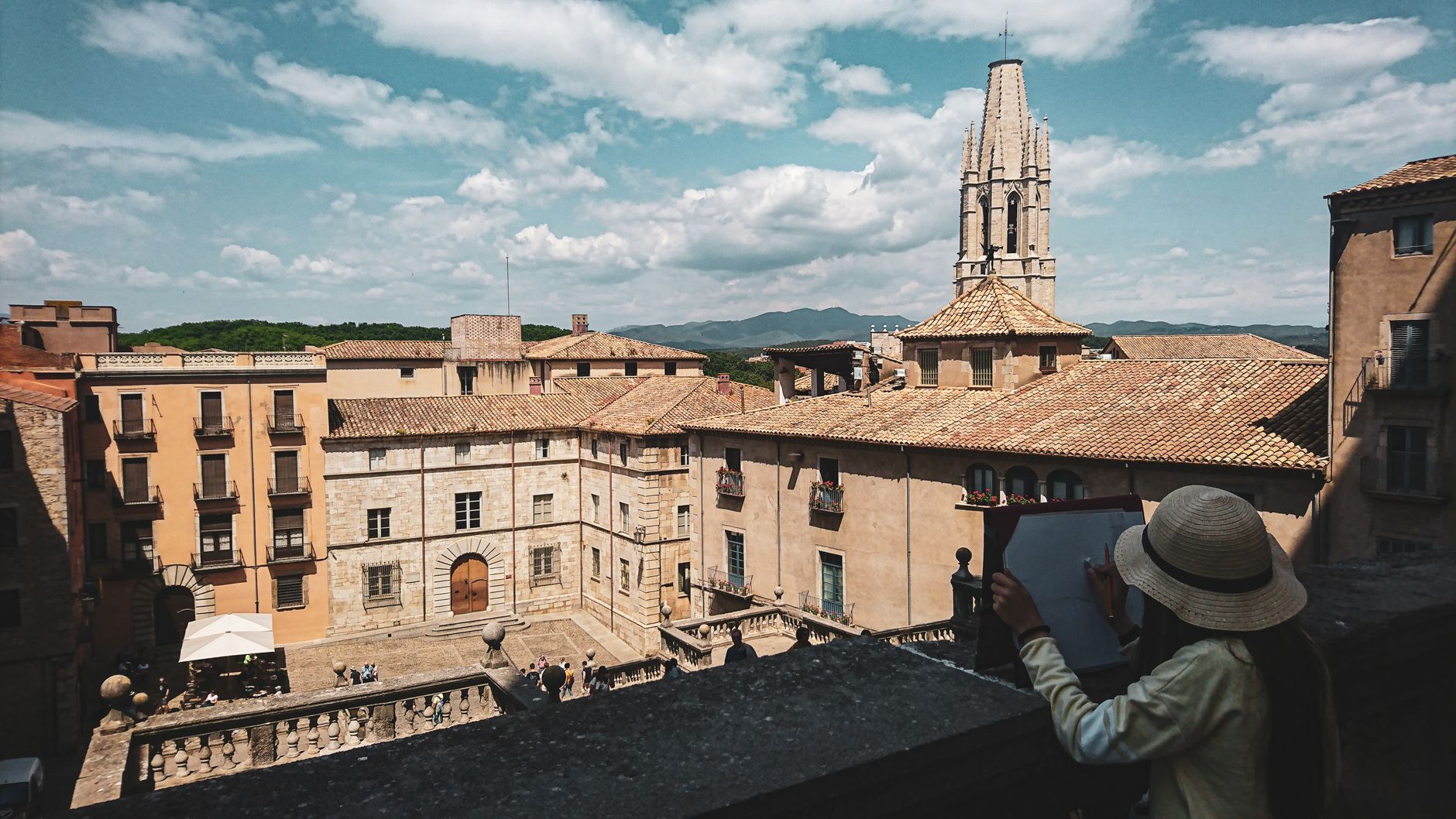
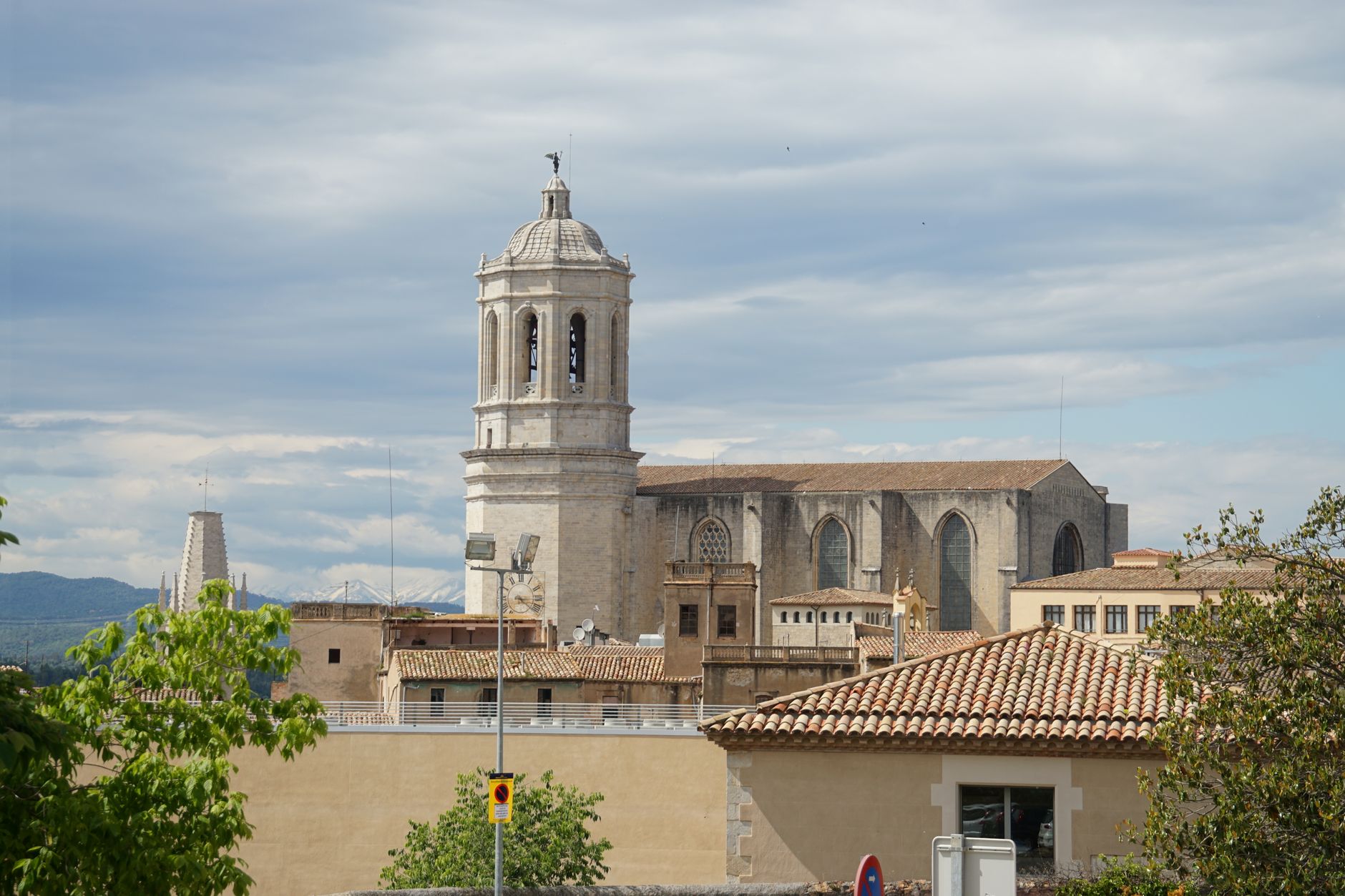
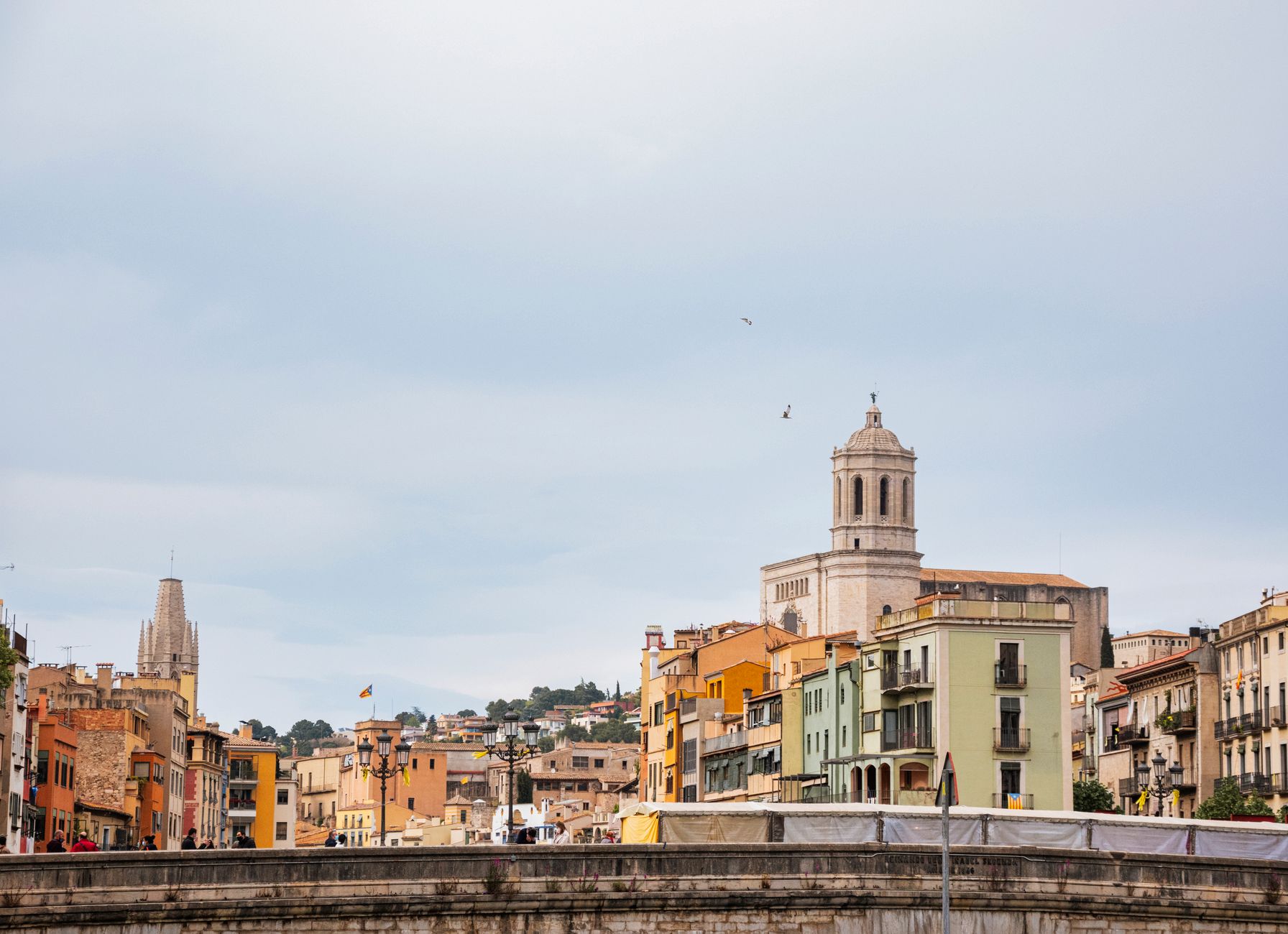
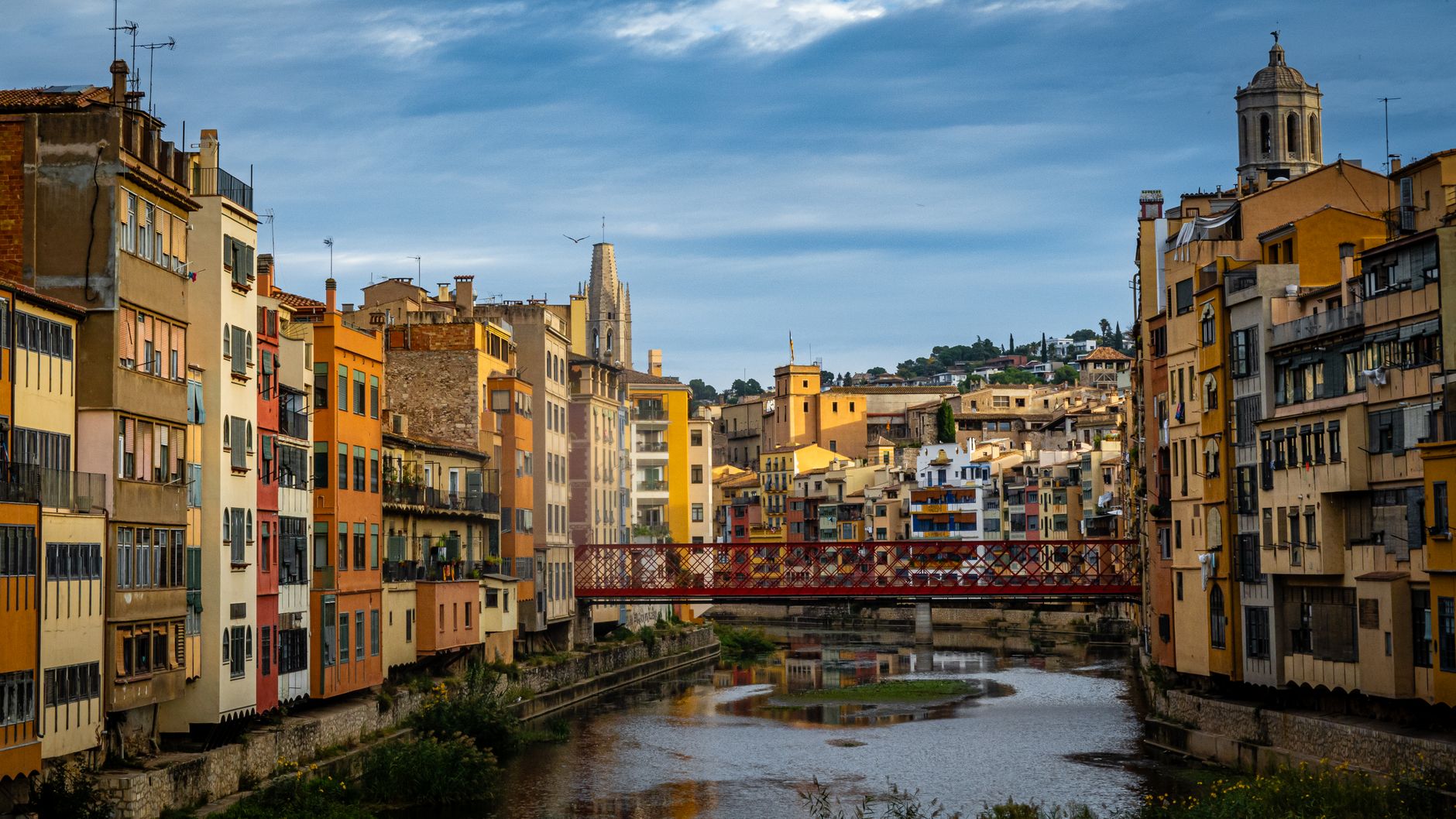
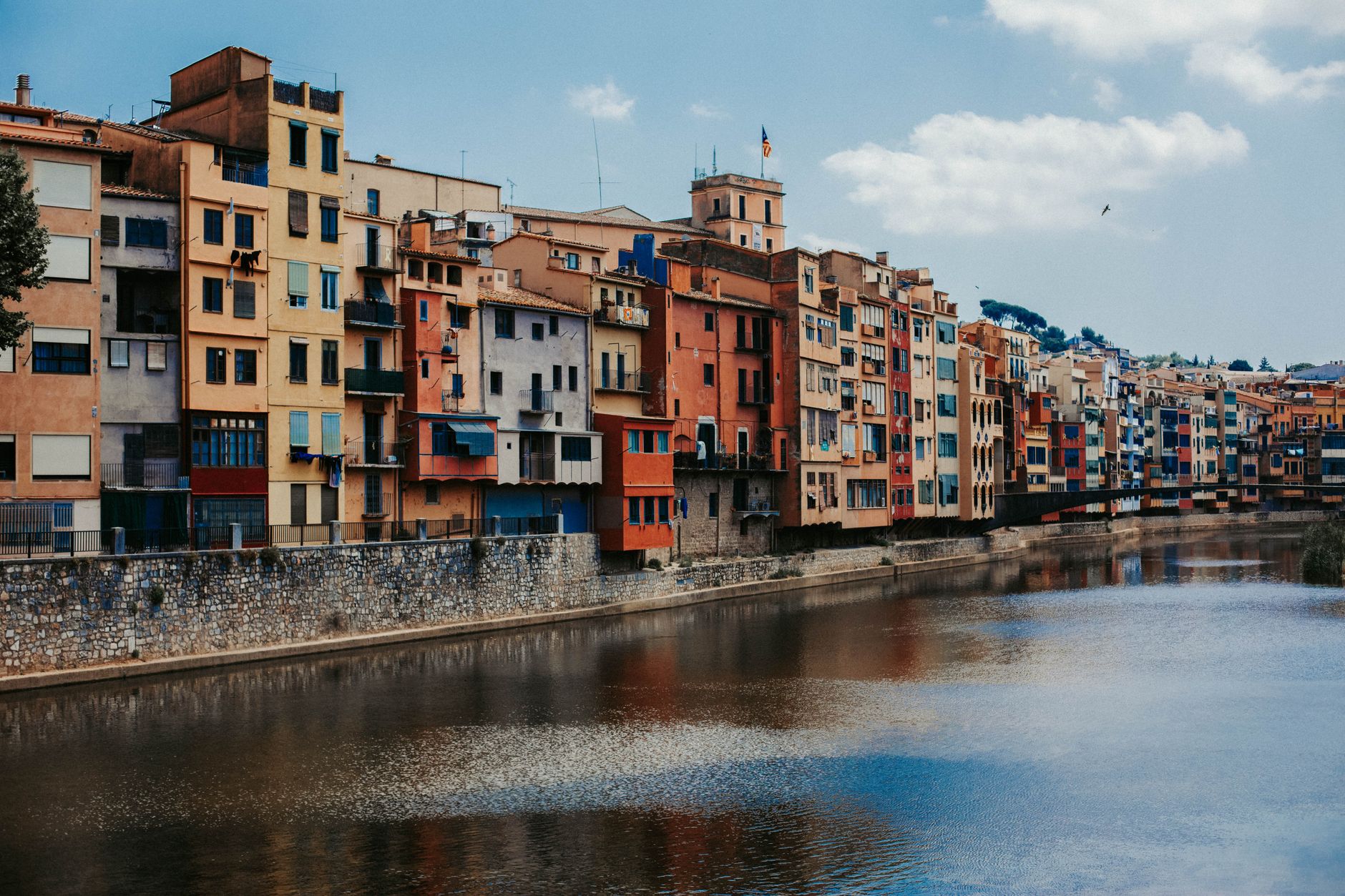
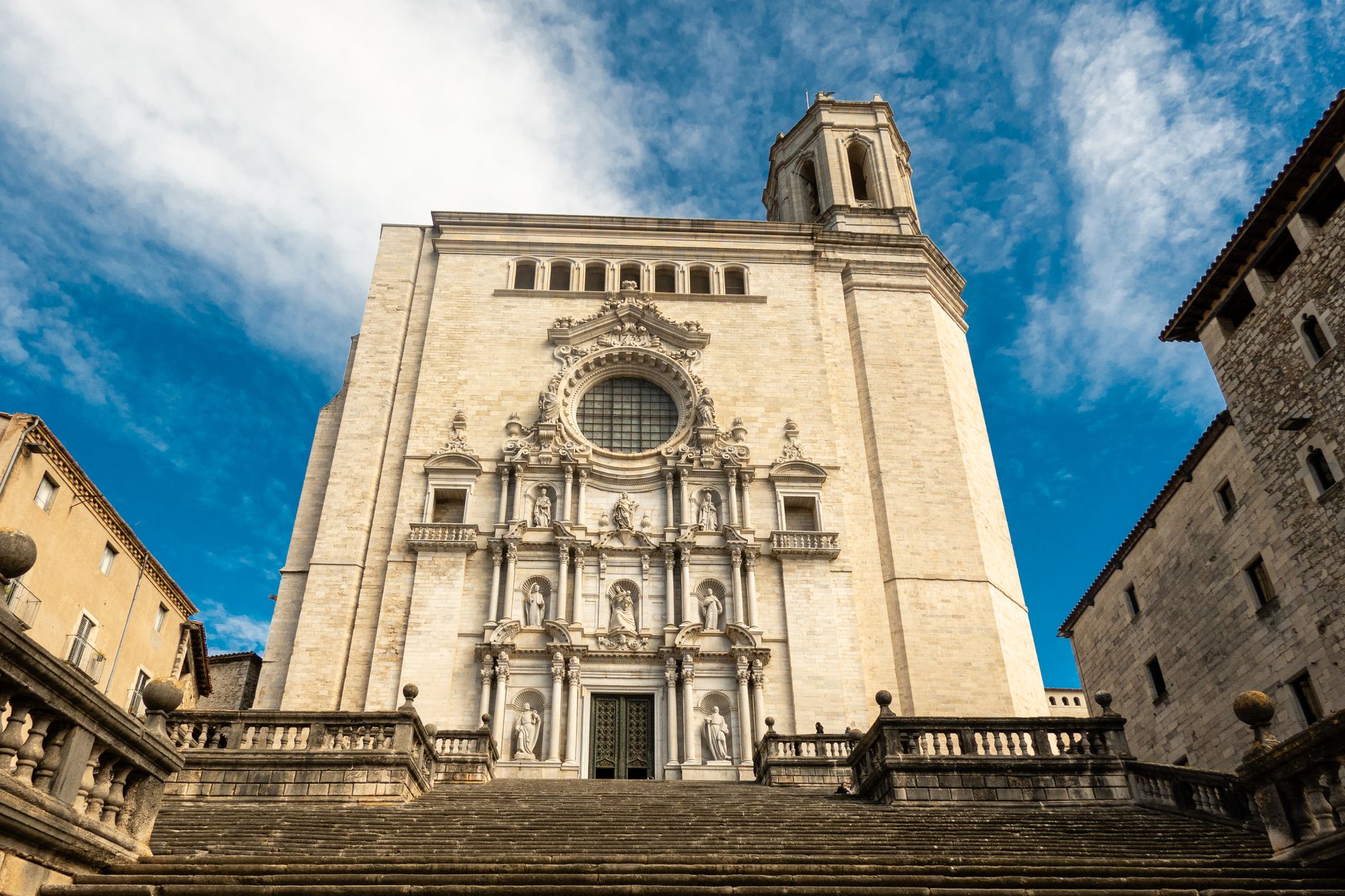
Stand on the Pont de les Peixateries Velles — the red iron bridge assembled by Gustave Eiffel's company in 1877 — and you get Girona in one frame: the painted houses of the Onyar reflected in the water, the cathedral's Baroque façade climbing the hill behind them, two thousand years of occupation stacked in plain sight. The old town is compact enough to cross in an afternoon yet dense enough to absorb a long weekend without repetition.
Girona wears its layers without explanation. Roman walls run into medieval towers. A Romanesque monastery sits just outside the old gates. The call, the Jewish quarter, preserves one of the most complete medieval streetscapes in Europe. The Roca brothers cook a few hundred metres from where Nahmanides once taught Kabbalah.
💛 What travellers fall for
People who come back tend to have a bridge ritual — walking the Passeig de la Muralla circuit early, before tour groups arrive, then dropping into the call's narrow lanes while the stone is still cool. The Girona Episcopal pass is worth picking up at the first door: it covers the Cathedral, Sant Feliu, and the Art Museum without the queue at each.
Experiences you don't want to miss



Deals in Girona
Book directly at the provider
How Girona came to be
Pompey founded Gerunda around 77 BC as a Roman garrison on the road between the Pyrenees and Hispania, and the walls his engineers raised were rebuilt and extended right through the medieval period — the version you walk today was largely reconstructed under Peter III in the 14th century. Visigoths held the city until the Moors took it in 715; Charlemagne retook it in 785 and folded it into the earliest counties of Catalonia.
The Jewish community documented here from 885 became one of medieval Europe's most significant centres of Kabbalistic thought. Nahmanides — Rabbi Moshe ben Nahman Gerondi — served as Great Rabbi of Catalonia and taught here before the community was forced into exile or conversion in 1492. Girona absorbed twenty-five sieges across its history; the French held it for three years after a brutal campaign in 1809. The journalist and historian Carles Rahola, who spent his life chronicling the city, was executed in the first year of the Franco dictatorship in 1939.
Who and what shaped it
People who shaped it
Landmark buildings
See Girona in motion
Plan your visit
On the map
When to go
Summers are hot and reliably sunny — the best time to walk the walls early and retreat indoors at midday. Winters are mild by day but cold at night, sometimes dropping to -5°C, with fog in the valleys and occasional rain; the old town is quieter and the light on the cathedral stone is worth the extra layer.
Right now
Background & history adapted from Wikipedia (CC BY-SA) · specs from Wikidata (CC0) · weather from Open-Meteo · map data © OpenStreetMap contributors · photos from Wikimedia Commons / Unsplash with per-image credit. No third-party reviews or social posts reproduced.