
Cadaqués
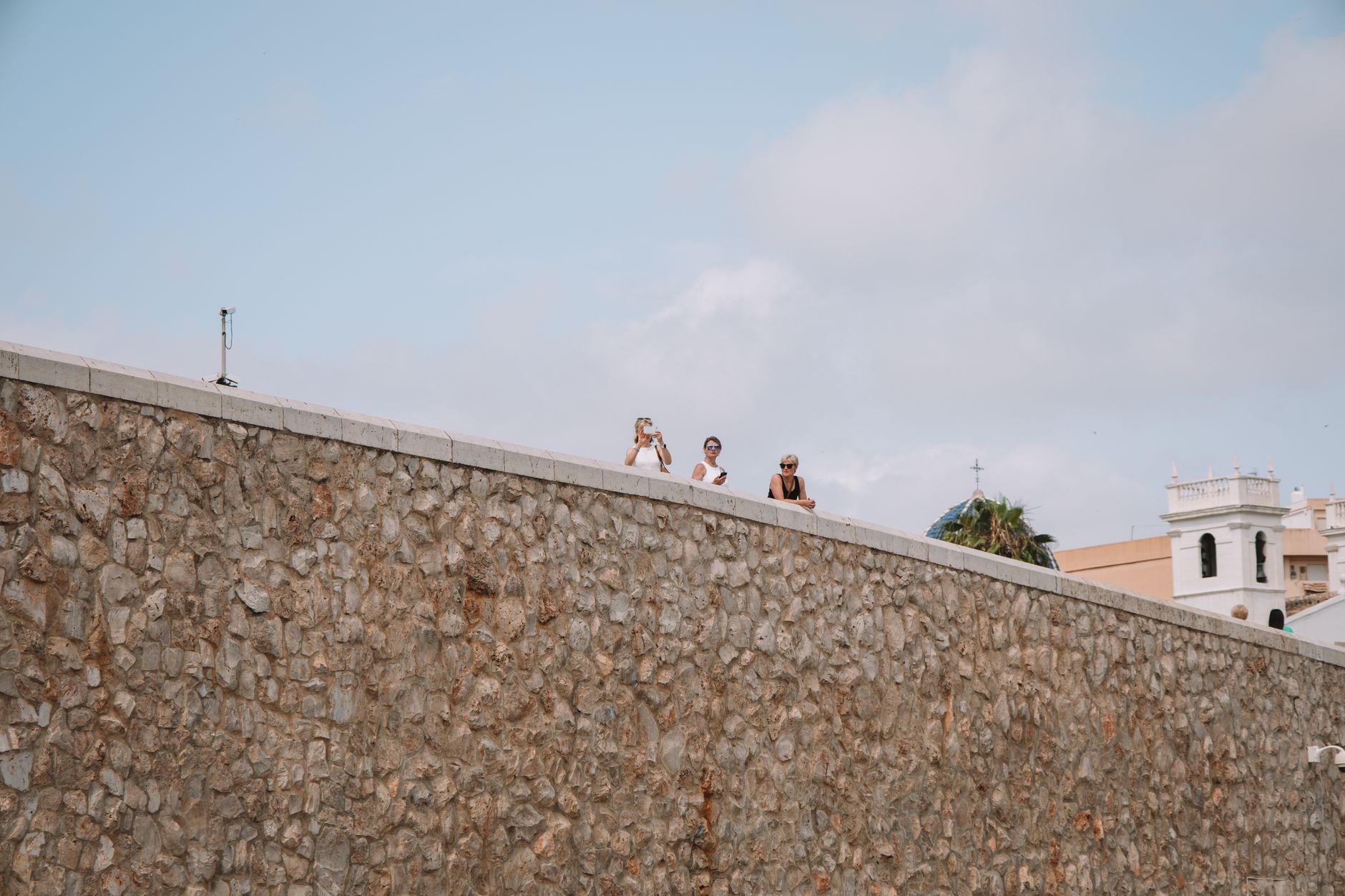
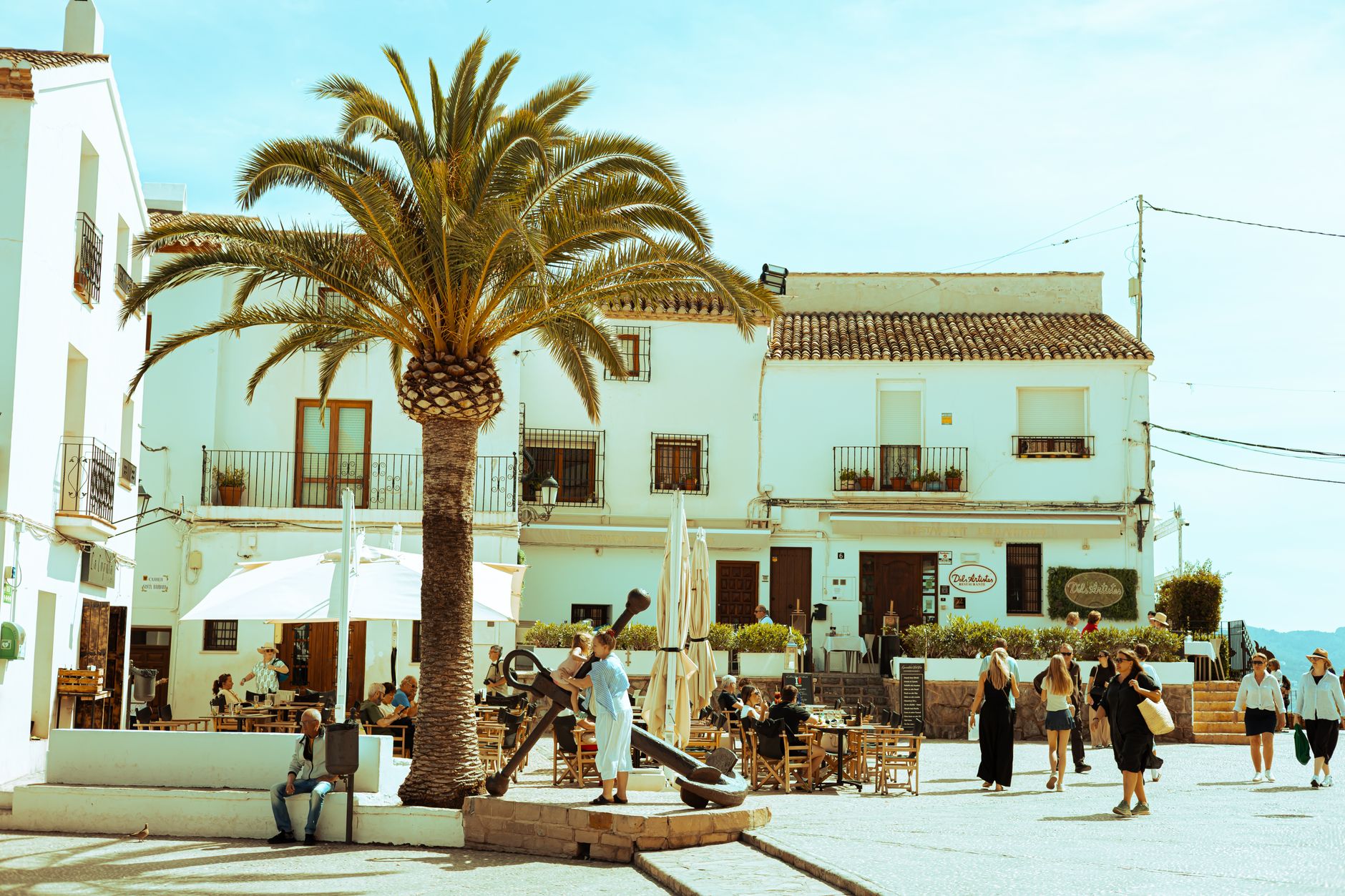
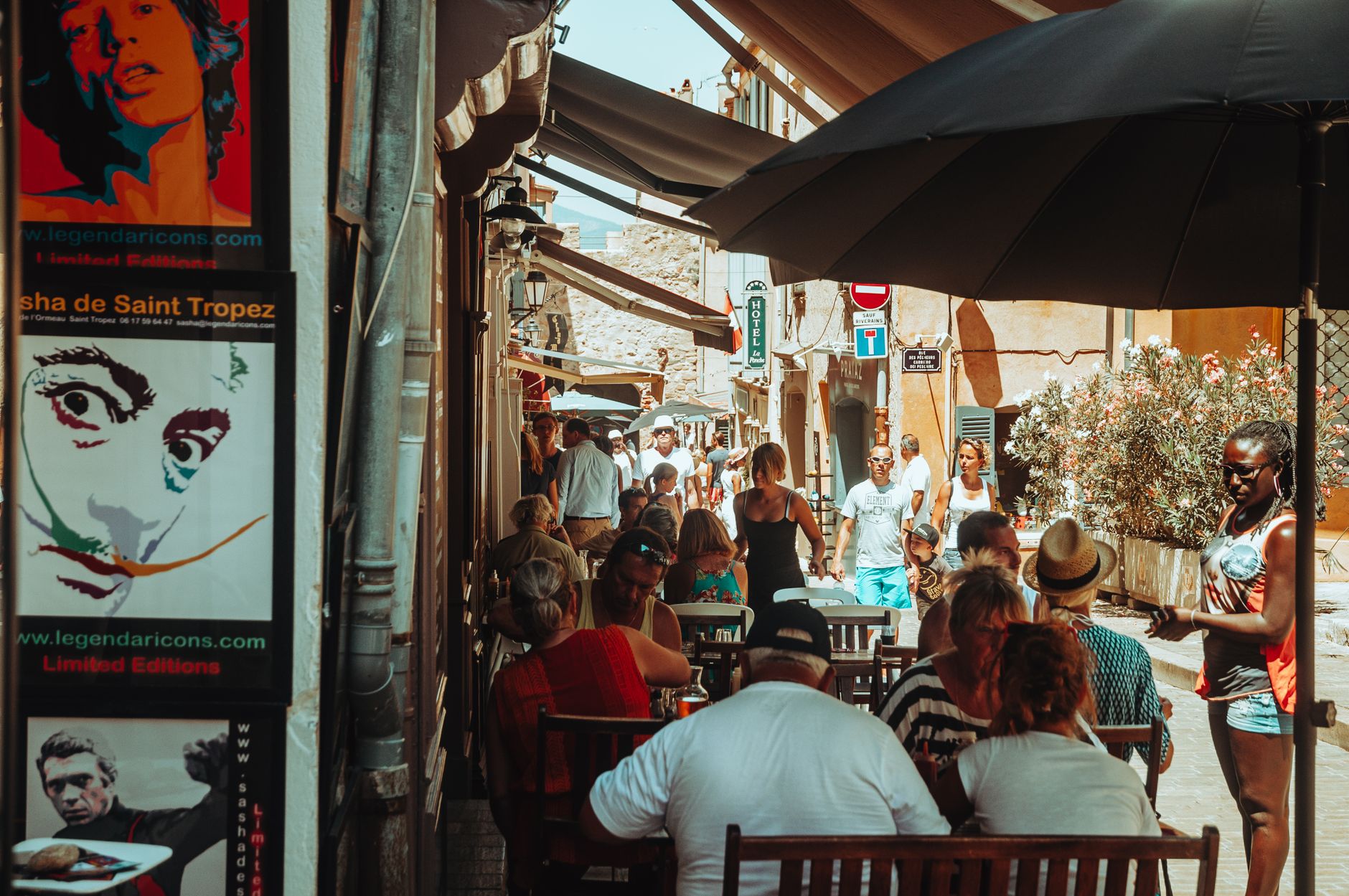
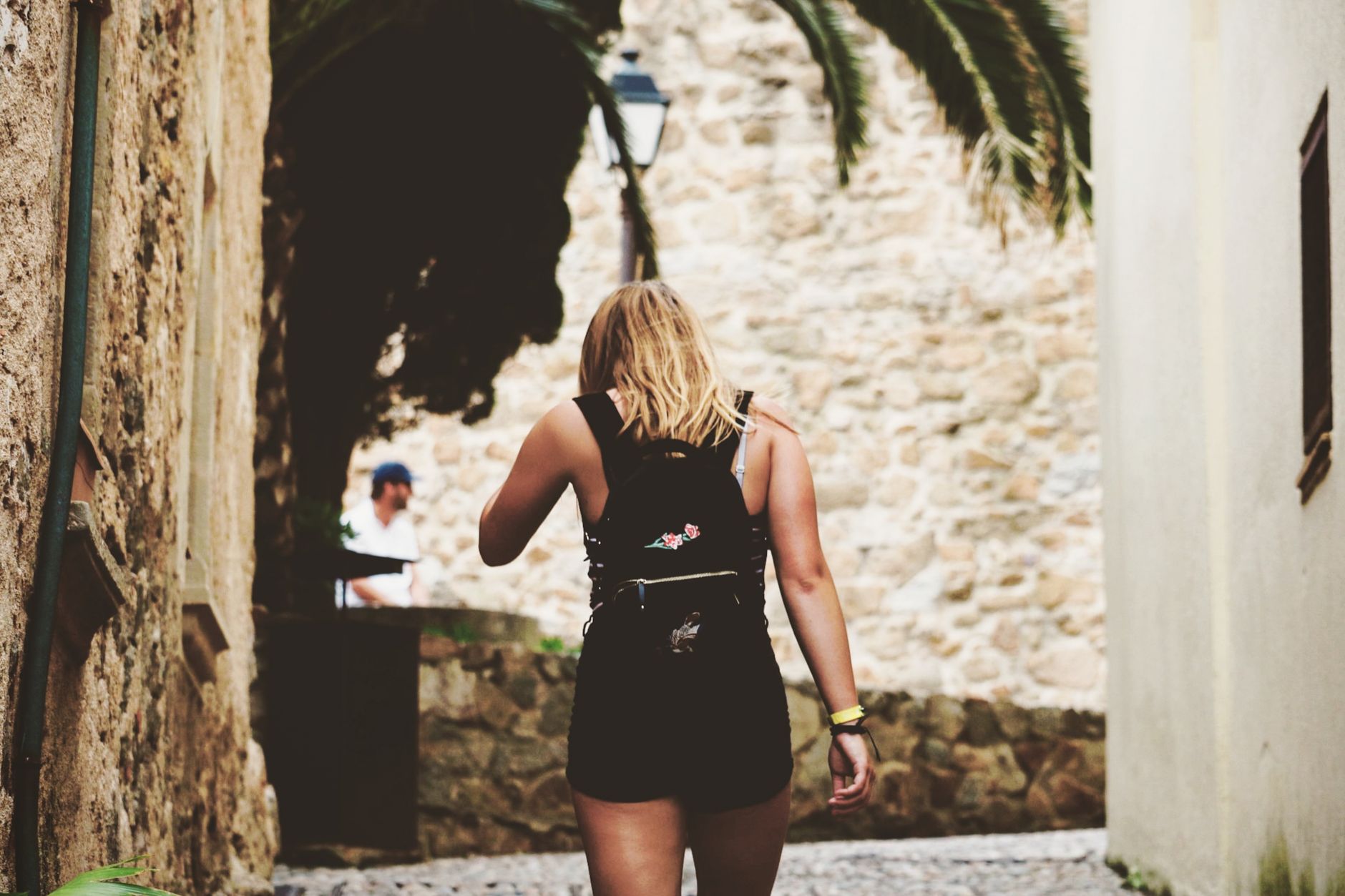
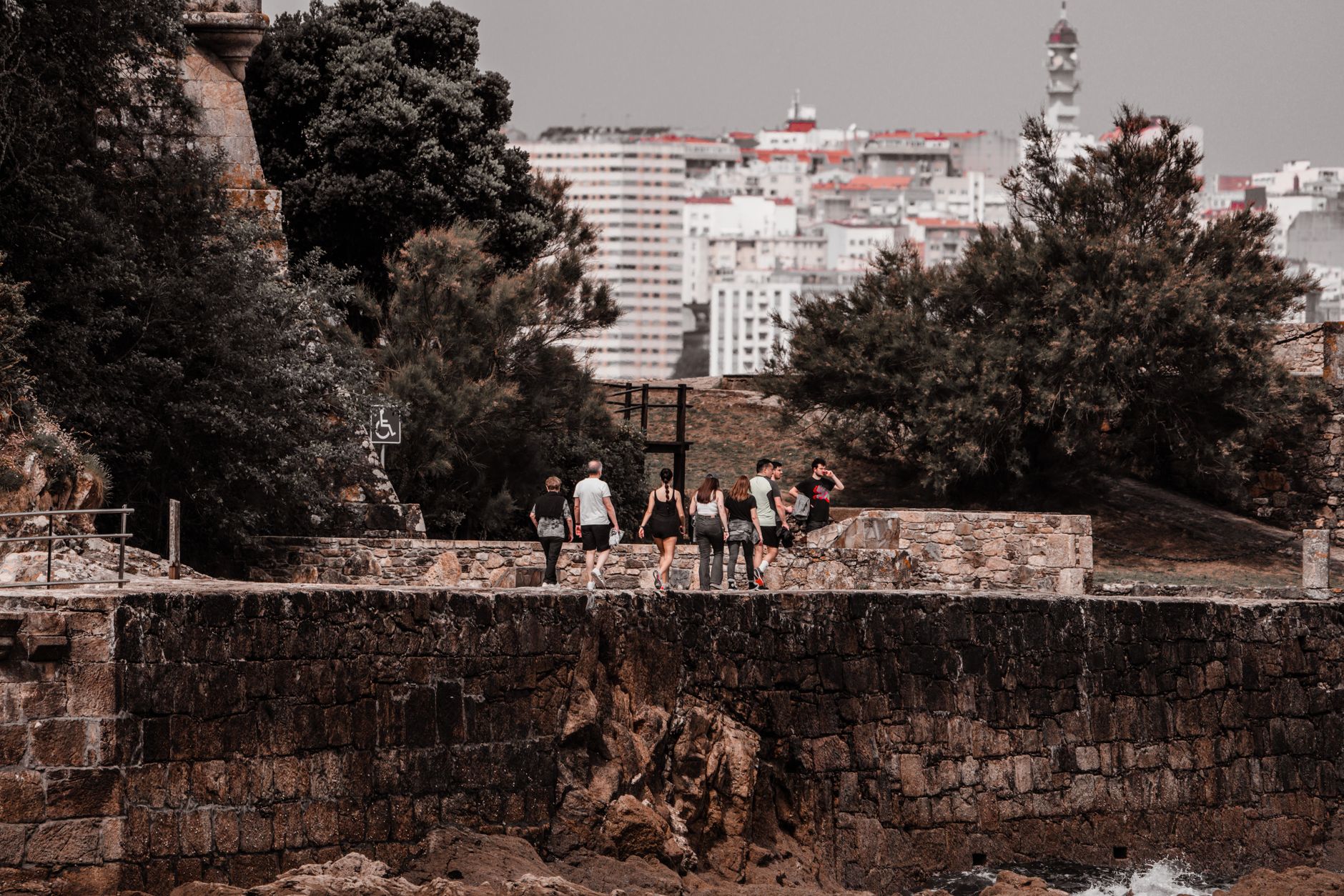
The road into Cadaqués drops through the Serra de Rodes in a series of tight bends, and then the white town appears below you all at once — stacked against the hillside, the church of Santa Maria sitting above everything like a full stop. The Cap de Creus peninsula holds the place in a kind of productive isolation: no railway, one winding road, the sea on three sides.
What brought Dalí here in 1930 — the particular quality of the light, the way the limestone landscape looks almost hallucinatory at midday — still operates on visitors now. The town is small enough that you learn its streets in an afternoon, but the surrounding coastline keeps giving you new angles.
💛 What travellers fall for
People who come back tend to say the same thing: go to Portlligat early, before the tour groups arrive, and walk the 15 minutes from town along the water. Book the Dalí House-Museum well ahead — visits run in small timed groups and sell out. Save an evening for the terrace above the old Bastion tower, where the light goes slowly.
Experiences you don't want to miss


Deals in Cadaqués
Book directly at the provider

How Cadaqués came to be
The earliest firm documentary evidence of Cadaqués dates from the 11th century, though the settlement is older. In 1444 pirates burned it almost to the ground. What rose again was shaped by two later forces: the Baroque parish church of Santa Maria, built across the 17th and 18th centuries and housing one of Catalonia's oldest organs, made by Josep Boscà at the end of the 17th century; and the trade routes that opened to the Americas.
That transatlantic chapter left a visible mark. Roughly a third of a population of around 1,200 emigrated to Cuba; many returned with money and built the large ornate houses that still stand alongside the Neoclassical Casino l'Amistat and Casa Rahola. By the early 20th century, wealthy families from Barcelona and Girona had discovered the place, and artists followed — Meifrèn first, then Picasso, Lorca, Miró, and eventually Dalí, who turned a fisherman's hut at Portlligat into a house he kept building for four decades.
Who and what shaped it
People who shaped it
Landmark buildings
See Cadaqués in motion
Plan your visit
On the map
When to go
Summer is warm and dry, with the tramuntana wind offering some relief from the heat — though July and August bring the most visitors. Spring and early autumn give you mild temperatures, clearer light, and far fewer people on the coastal paths; late October can still be perfectly walkable.
Right now
Background & history adapted from Wikipedia (CC BY-SA) · specs from Wikidata (CC0) · weather from Open-Meteo · map data © OpenStreetMap contributors · photos from Wikimedia Commons / Unsplash with per-image credit. No third-party reviews or social posts reproduced.