
Costa Brava
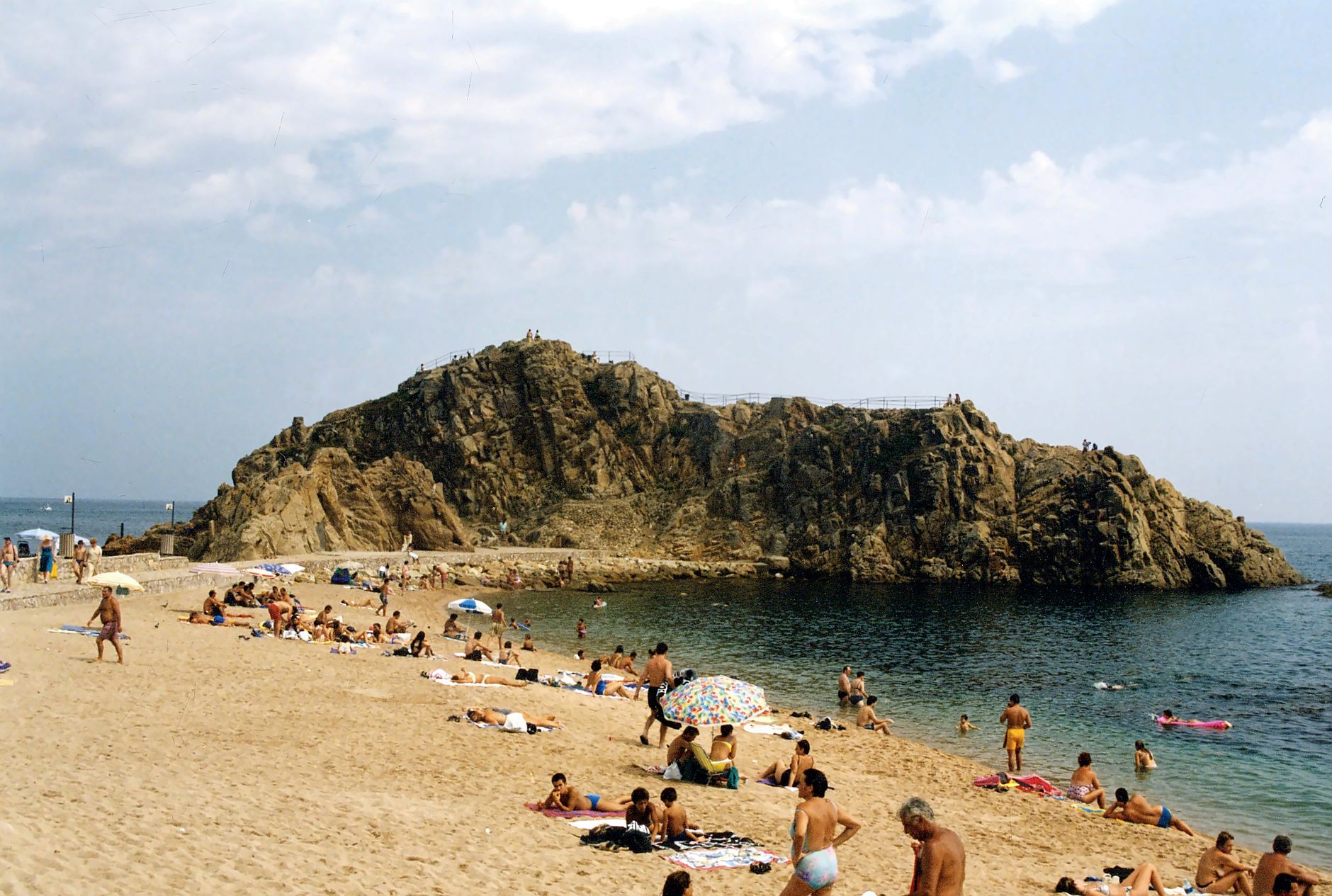
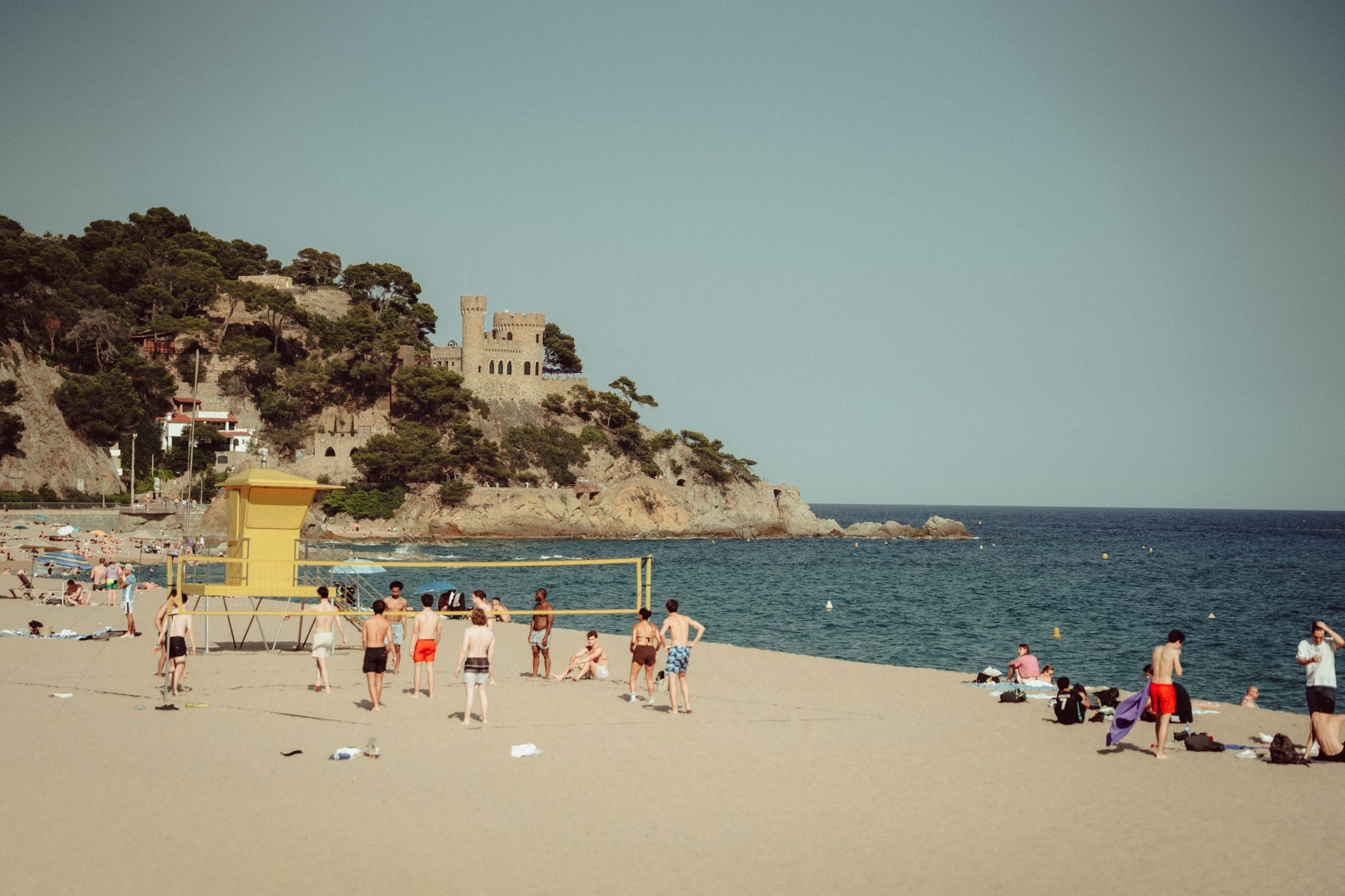
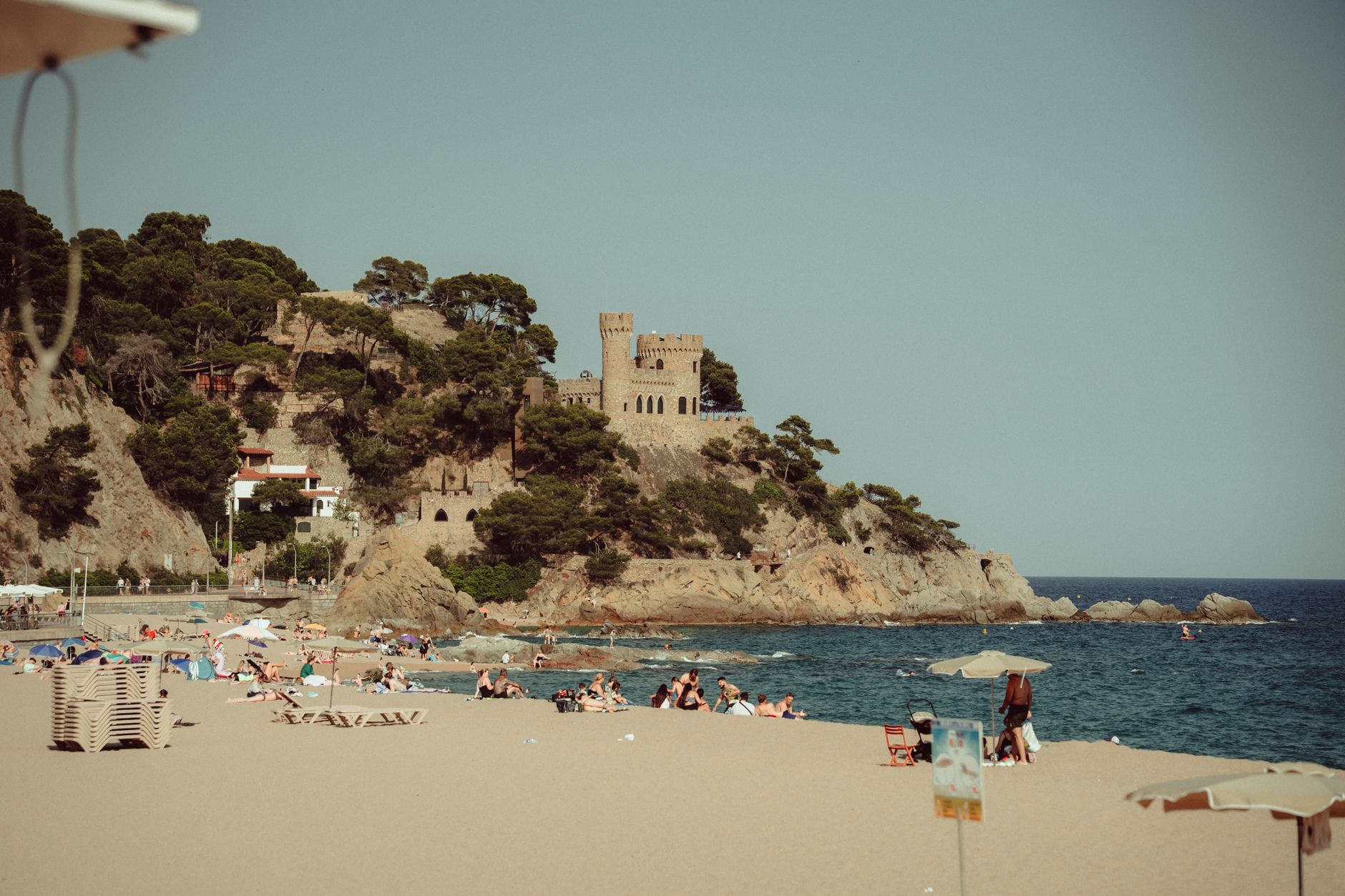
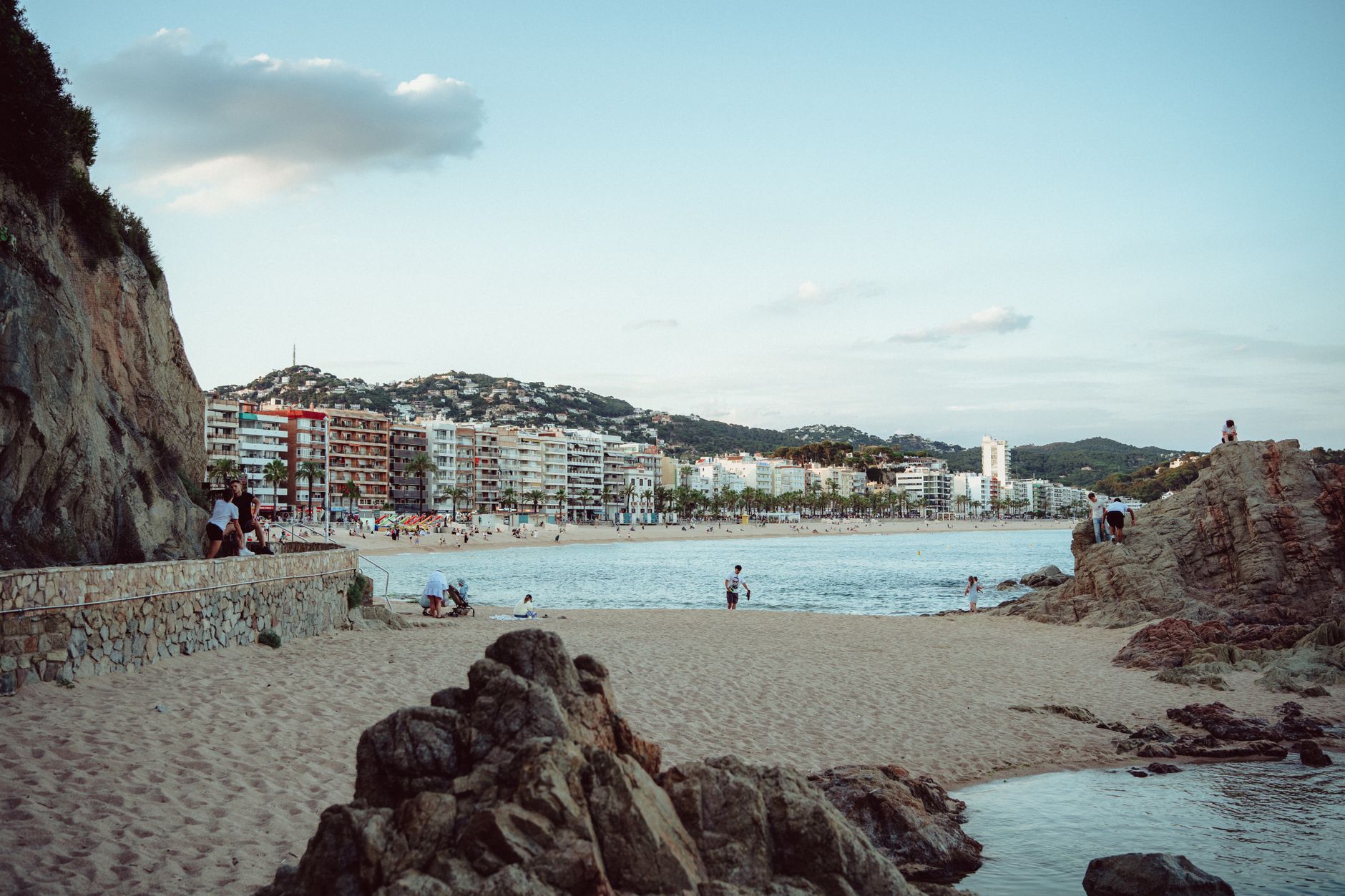
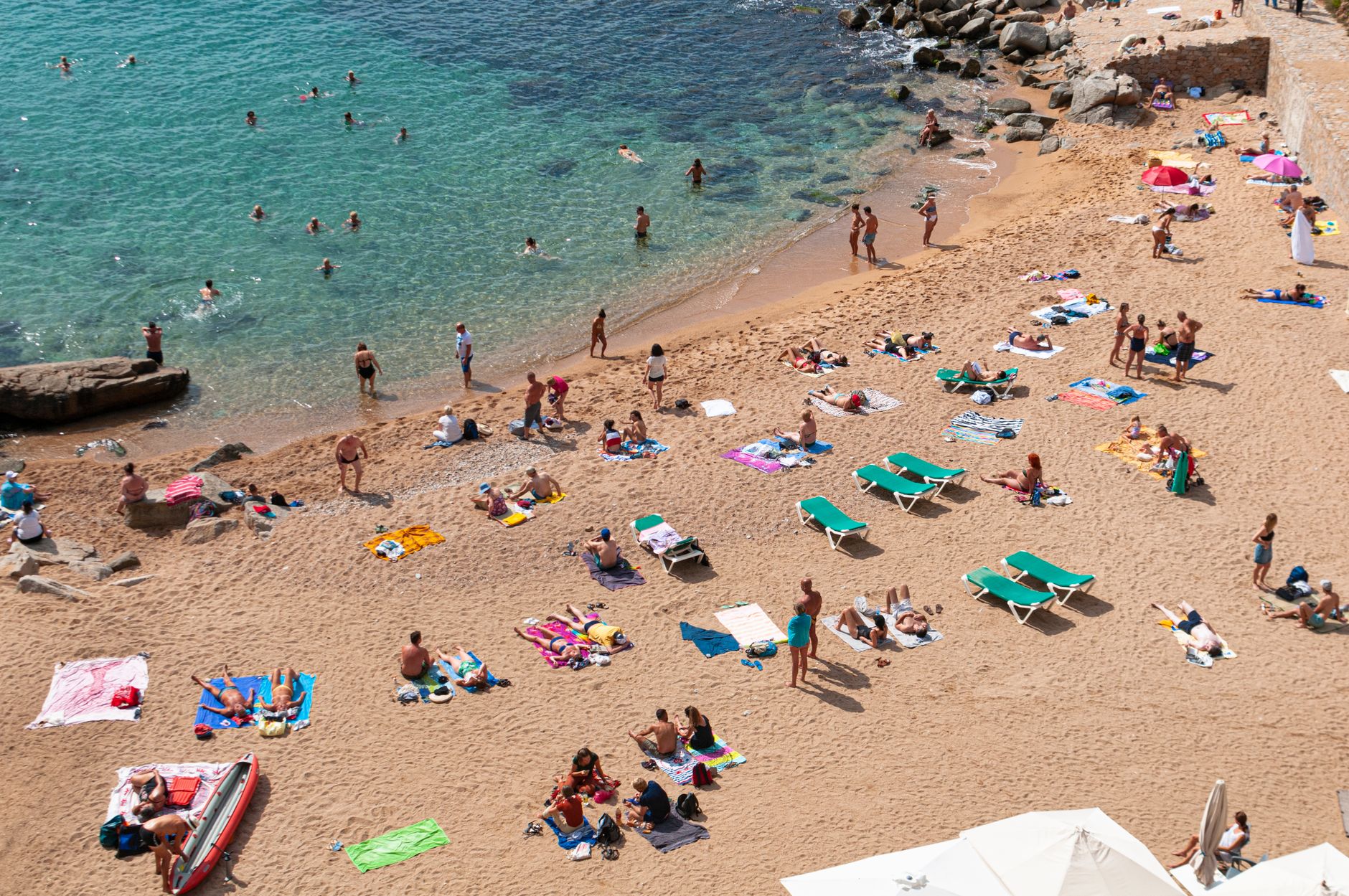
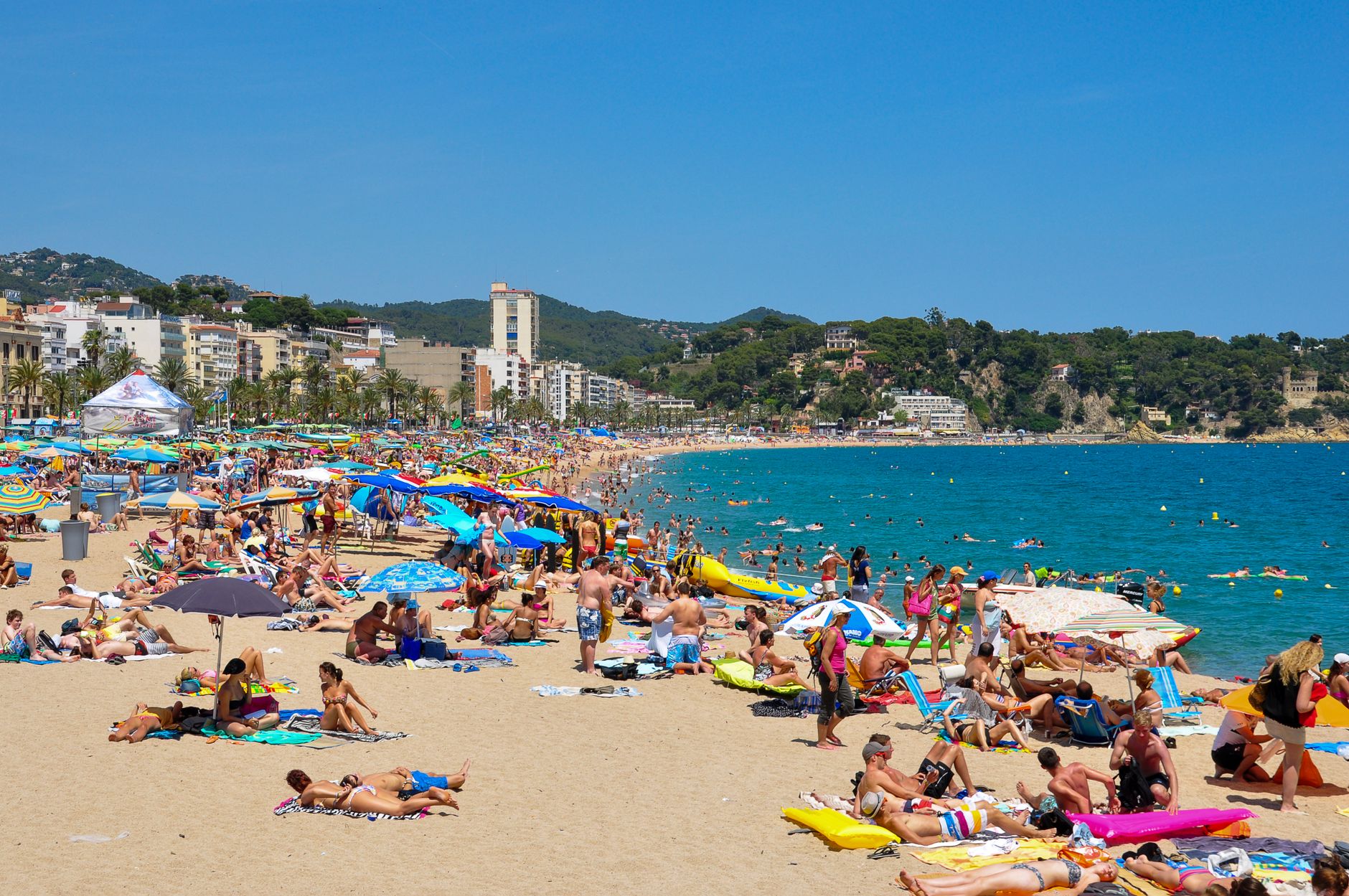
The Costa Brava begins where the Pyrenees meet the sea at Port-Bou and unspools south for 120 kilometres to Blanes, its cliffs dropping into water that shifts from jade to cobalt depending on the hour. The name itself — coined by journalist Ferran Agulló in 1908, meaning something close to 'rugged coast' — still fits. This is not a single resort but a long, corrugated edge of limestone coves, medieval walls, Greek and Roman ruins, and the particular surrealist atmosphere that drew Dalí back again and again.
You can move through it in layers: a morning at the Empúries excavations where a Greek colony stood from 575 BC, an afternoon on one of 200-odd beaches, an evening in a stone village where bougainvillea climbs the same walls it has climbed for centuries.
💛 What travellers fall for
People who come back tend to have a favourite cove they're not broadcasting, a preferred stretch of the Camí de Ronda coastal trail for early mornings before the heat builds, and an opinion on whether the Dalí Theatre-Museum in Figueres or the Castle of Púbol better captures the man. The Sant Pere de Rodes monastery at dusk is the detail most of them mention last.
Experiences you don't want to miss



Deals in Costa Brava
Book directly at the provider

How Costa Brava came to be
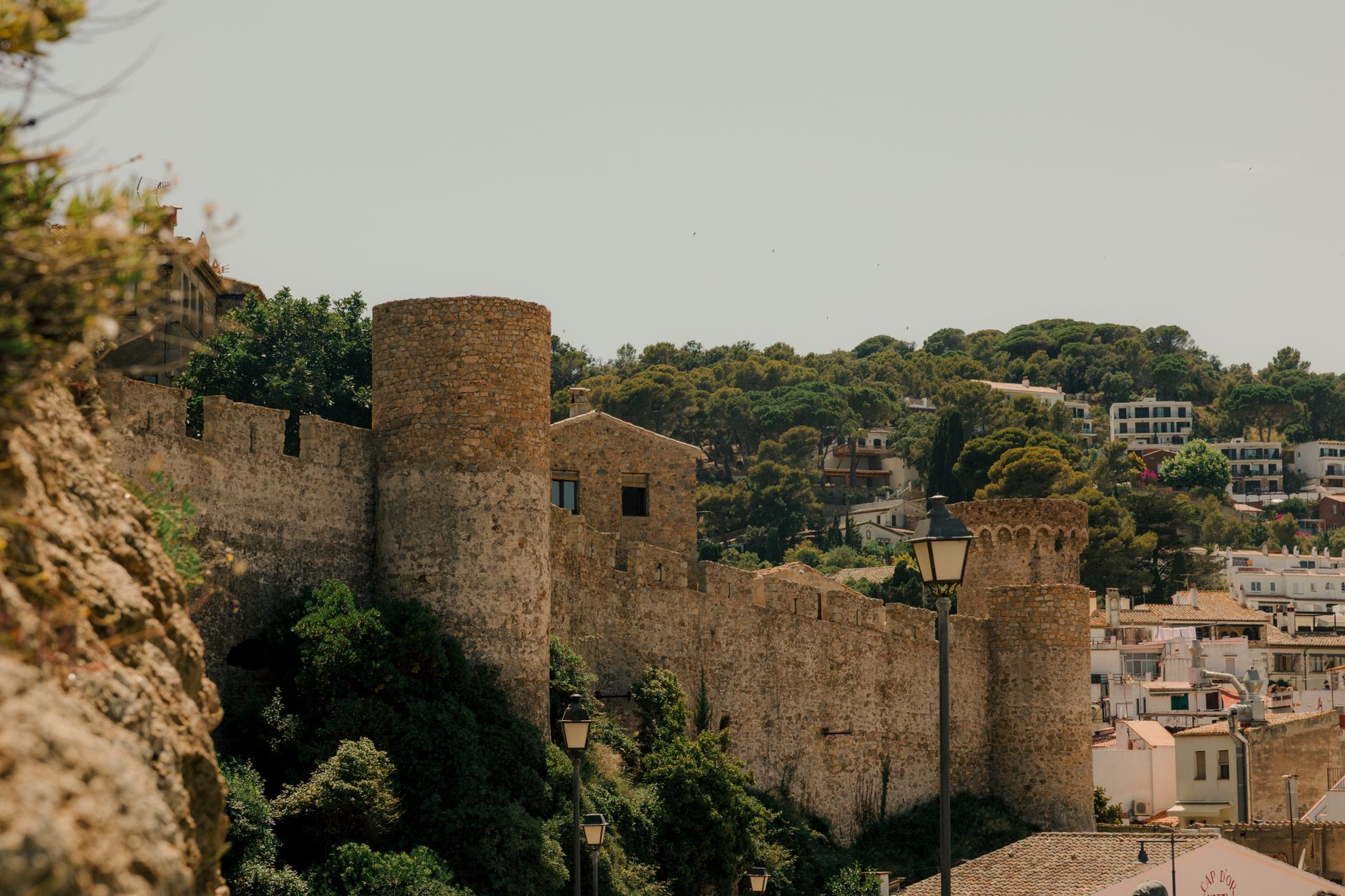
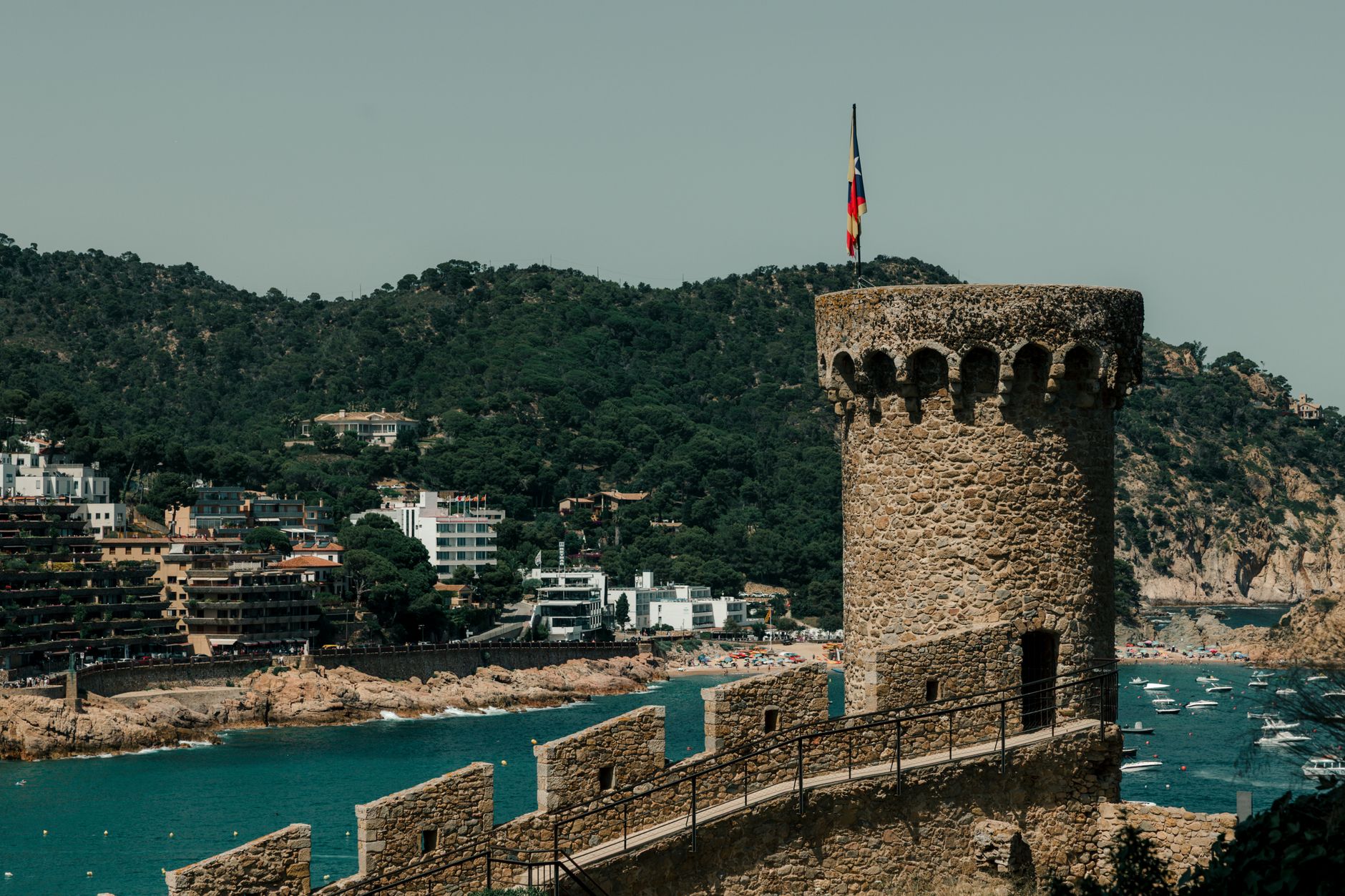
A journalist gave the Costa Brava its name in 1908, but the coast had been drawing settlers for millennia. Greek colonists founded Empúries in 575 BC; the Romans followed and built on the same ground. In the Middle Ages, the threat of North African pirates shaped the architecture — Tossa de Mar's Vila Vella was walled in the 1100s and reinforced with watchtowers in the 1500s. Fishing rights granted by King James I of Aragon in the 13th century helped consolidate the coastal communities.
Mass tourism came late and fast. Almost unknown to outside visitors before the 1920s, the Costa Brava was identified in the 1950s as a development target under Franco's economic liberalization, and by the 1960s package tourists from northern Europe were arriving in numbers that permanently altered the southern stretches of coast — while leaving the northern coves, for the most part, to the cliffs.
Who and what shaped it
People who shaped it
Landmark buildings
See Costa Brava in motion
Plan your visit
On the map
When to go
Summers run hot and dry, with July and August reaching 28–30°C and sea temperatures between 20–24°C from May through September. Winters are mild by European standards — January averages 8°C — though October brings the heaviest rainfall of the year.
Right now
Background & history adapted from Wikipedia (CC BY-SA) · specs from Wikidata (CC0) · weather from Open-Meteo · map data © OpenStreetMap contributors · photos from Wikimedia Commons / Unsplash with per-image credit. No third-party reviews or social posts reproduced.