
Terrassa
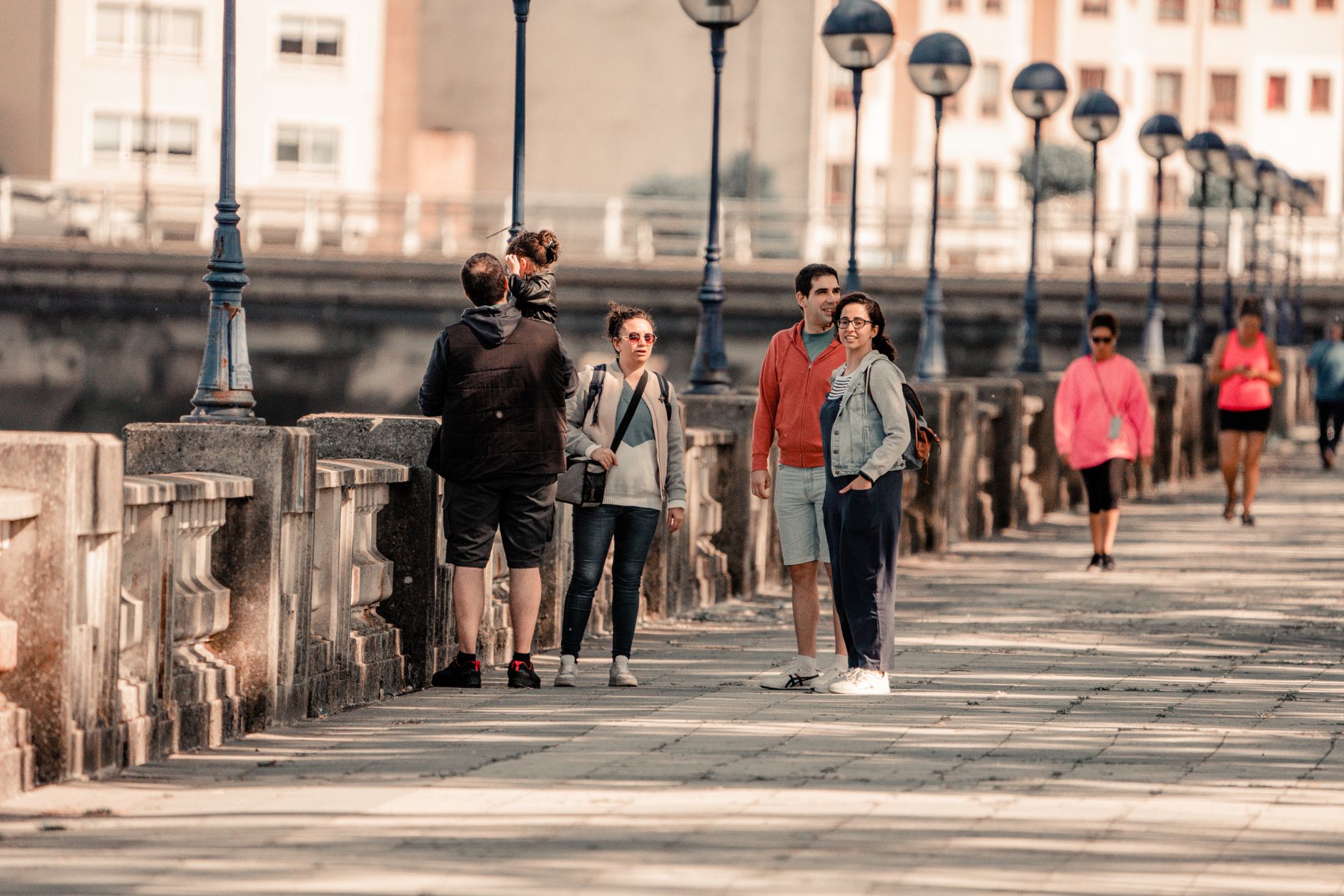
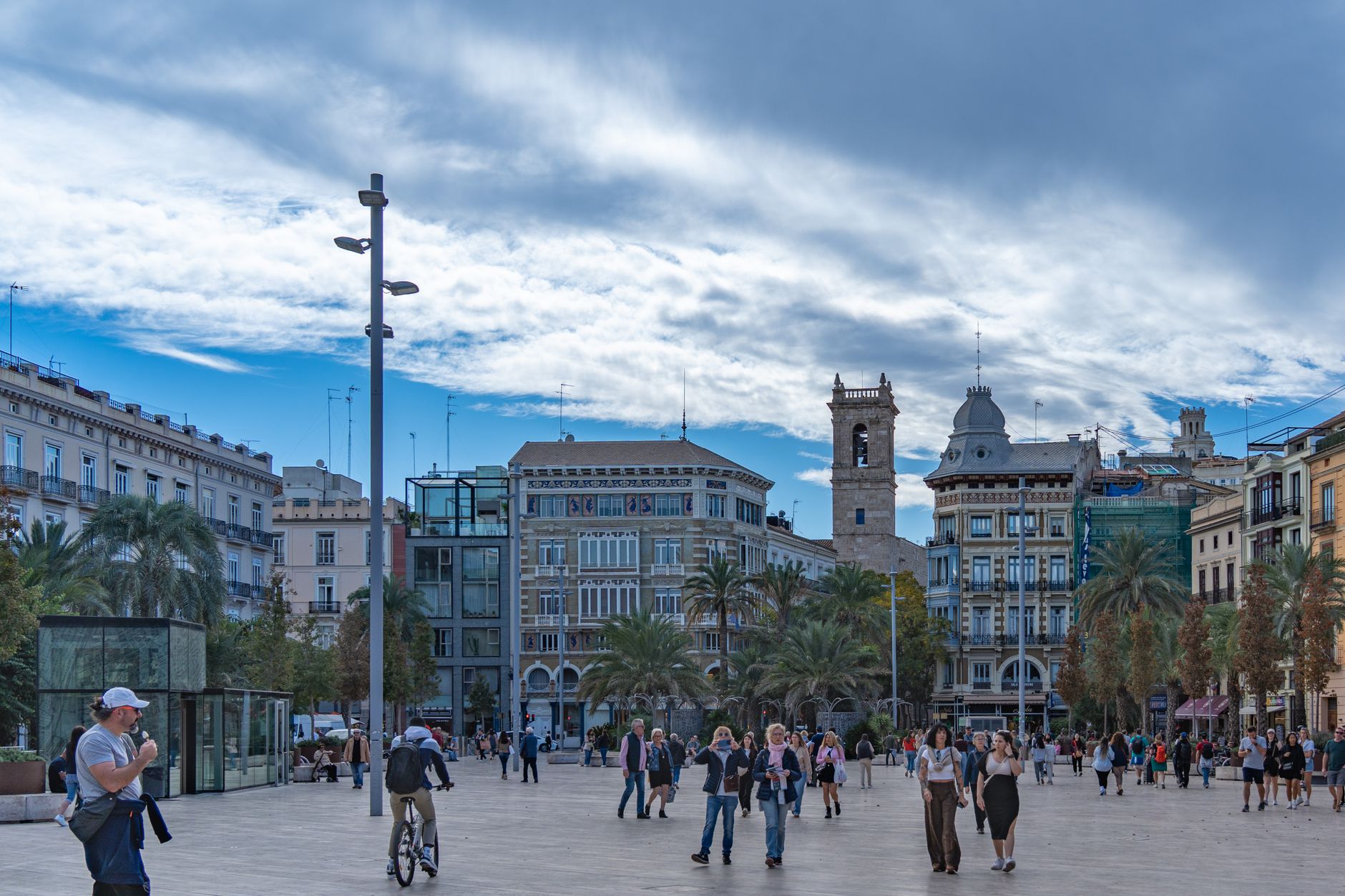
Terrassa keeps its best things close to the ground. In Vallparadís Park, railway workers tunnelling in 2005 broke into sediment holding stone tools and fossils a million years old — the city has been a place worth settling since long before anyone thought to name it. Above that prehistoric layer sits a Roman town, a medieval tower, and a skyline still punctuated by 25 preserved factory chimneys, the tallest of which contains the highest spiral staircase in Europe.
For most of the 19th century, Terrassa ran on wool. Looms and steam engines made it rich enough to earn the nickname 'the Catalan Manchester', and that wealth left behind a remarkable collection of Modernista architecture — 28 documented buildings — that the city wears without much ceremony.
💛 What travellers fall for
People who come back tend to time the free noon tour at Masia Freixa, then stay to sit in the gardens, which are public and usually quiet. The Vallparadís Castle walk takes under an hour and connects the park's prehistoric context to the medieval in a way that repays a second look. The factory chimneys, scattered across ordinary streets, reward wandering without a map.
Experiences you don't want to miss




Deals in Terrassa
Book directly at the provider

How Terrassa came to be
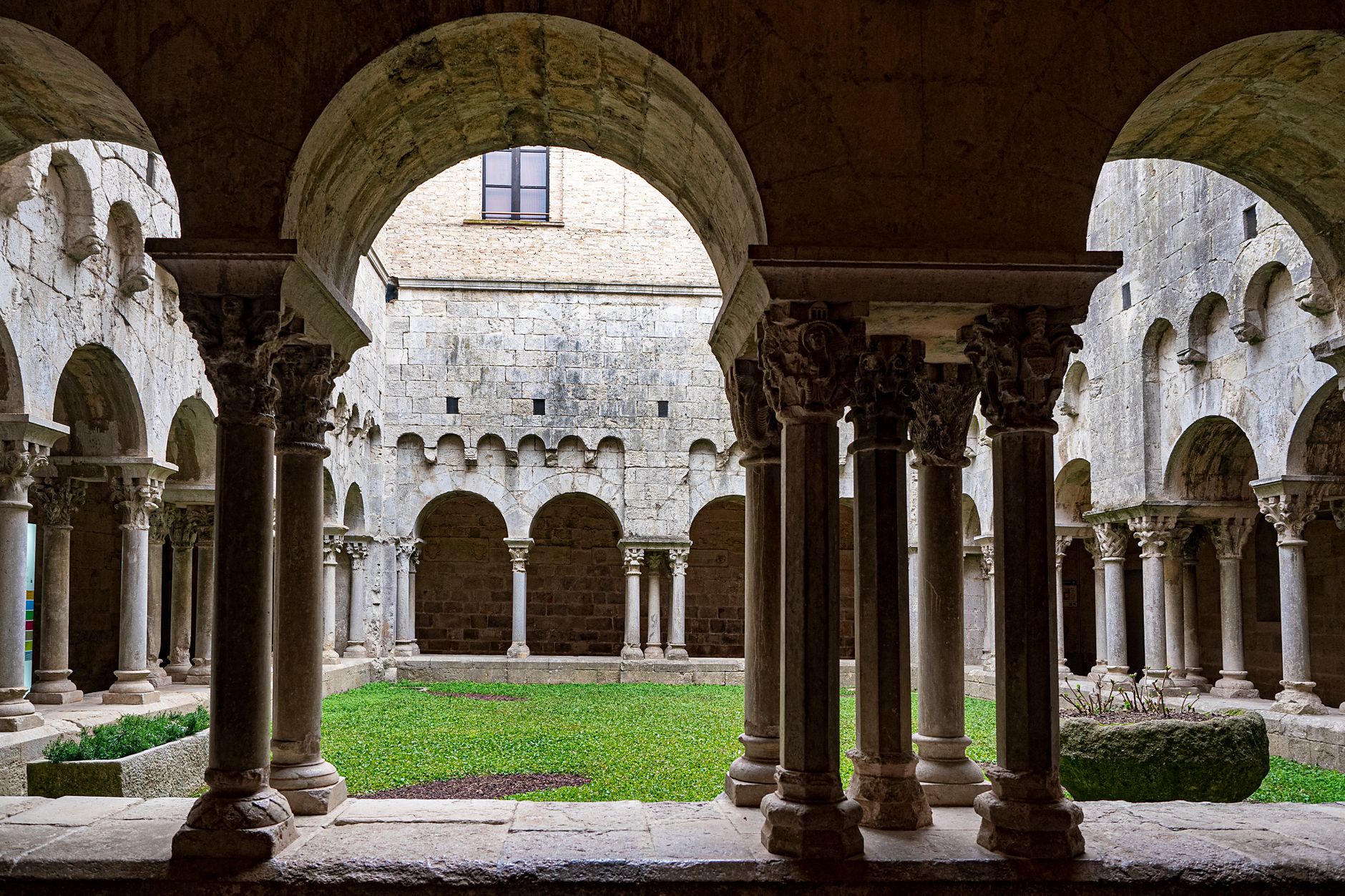
Terrassa began as Egara, a Roman municipium founded under Emperor Vespasian in the first century CE, built beside the torrent of Vallparadís near an older Iberian settlement. By the mid-fifth century it had become an episcopal see, and the three early-Christian churches of the Seu d'Ègara — Sant Pere, Santa Maria, and the mausoleum of Sant Miquel — still stand from that period, carrying mural paintings that date to between the 5th and 8th centuries. The 11th-century Torre del Palau, 29 metres of circular stone, is all that remains of a castle that once belonged to the Count Kings of Catalonia.
The city's modern identity was forged in wool. By the 19th century its mills specialised in woollen fabrics, drawing capital and ambition that funded the wave of Modernista buildings architect Lluís Muncunill designed in the early 1900s. The railway arrived in 1856; the catastrophic flood of 25 September 1962 — up to 327 mm of rain in three hours — left 212 to 252 victims and remains a defining rupture in collective memory.
Who and what shaped it
People who shaped it
Landmark buildings
See Terrassa in motion
Plan your visit
On the map
When to go
Terrassa has a Mediterranean climate: summers are hot and dry, winters mild. The most comfortable time to walk the city is April through June or September through October, when temperatures ease and the light on the Modernista facades is at its most legible.
Right now
Background & history adapted from Wikipedia (CC BY-SA) · specs from Wikidata (CC0) · weather from Open-Meteo · map data © OpenStreetMap contributors · photos from Wikimedia Commons / Unsplash with per-image credit. No third-party reviews or social posts reproduced.