
Sabadell
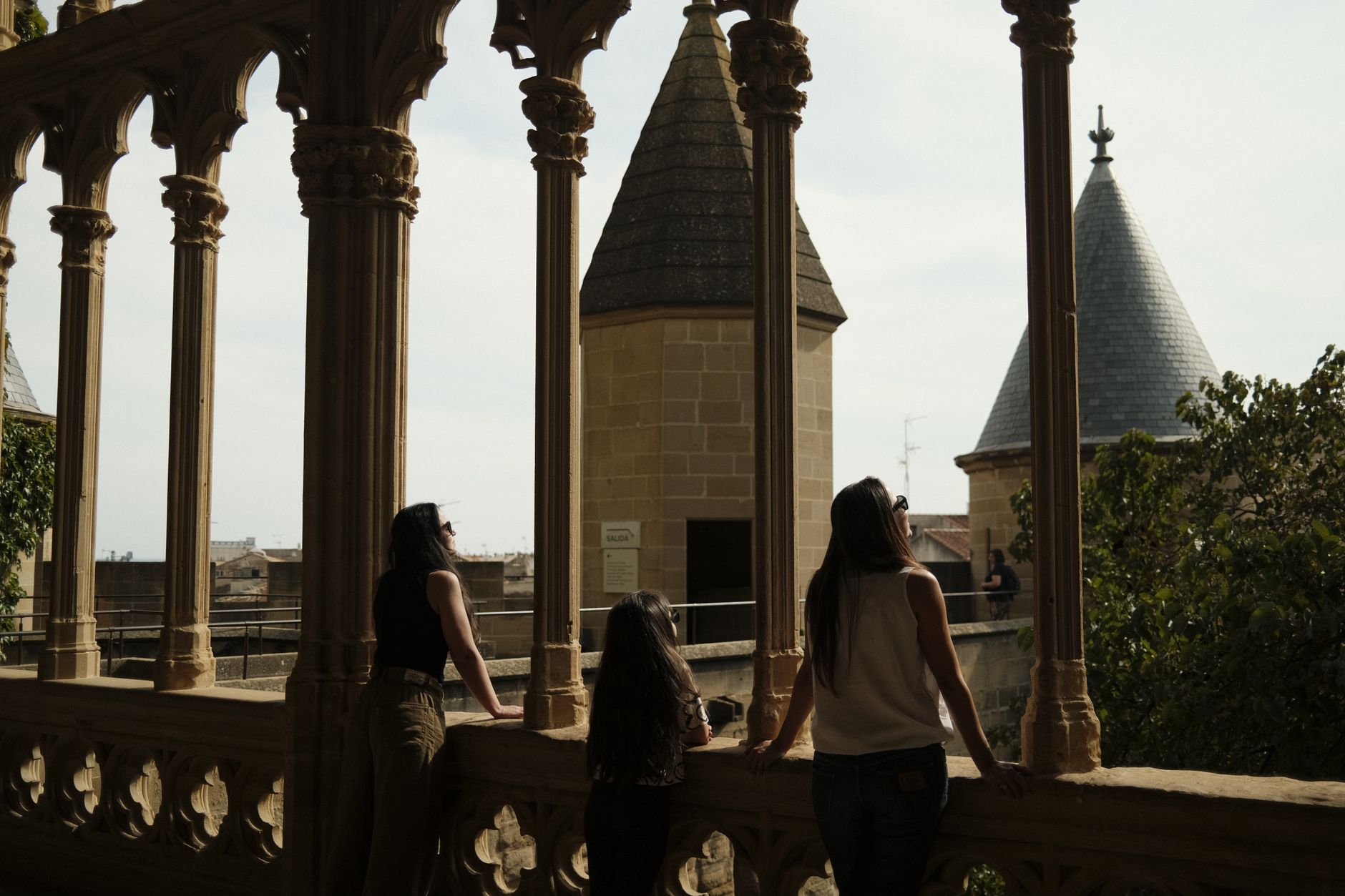
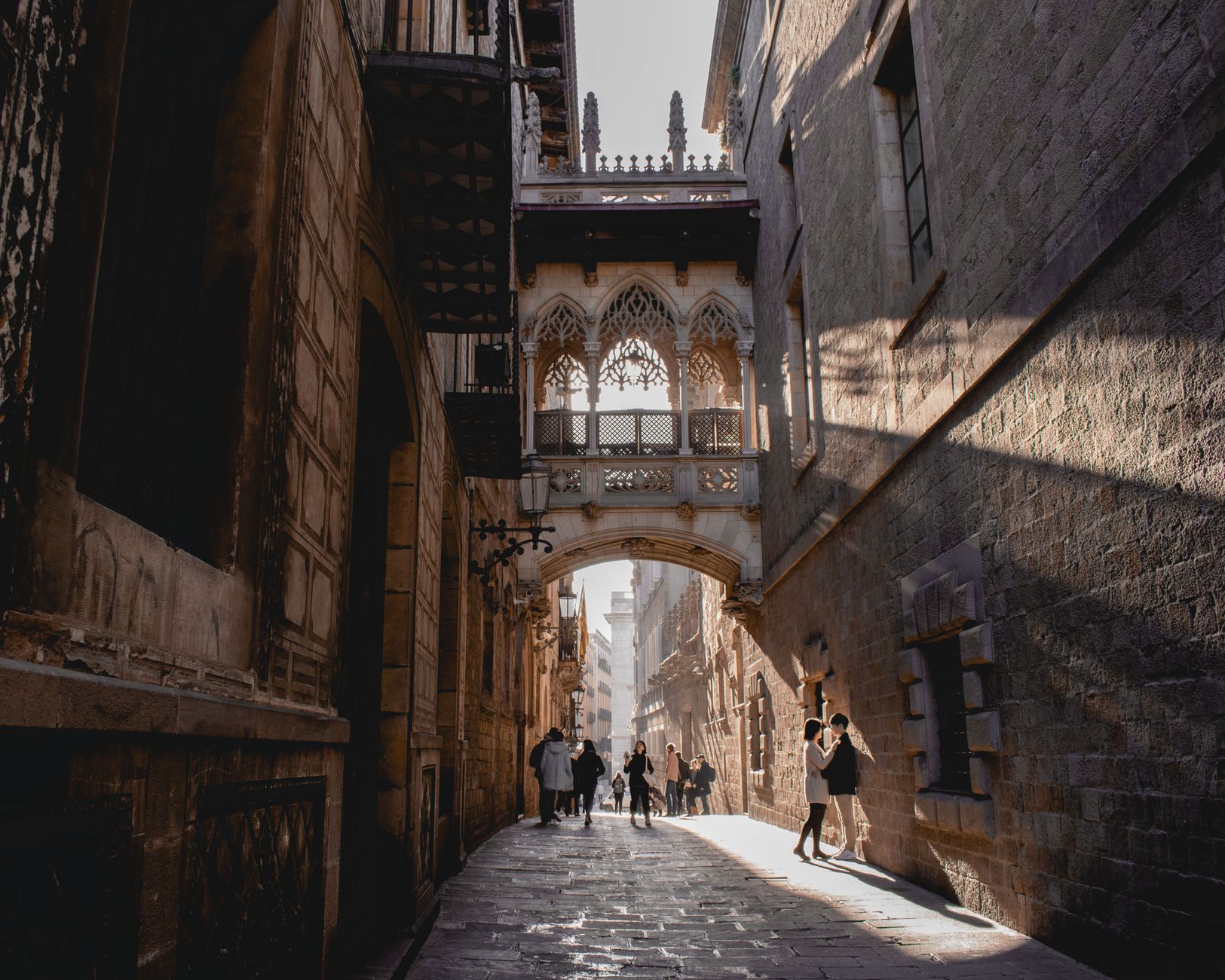
The old textile factories here are called vapors — steam engines — and even now, walking through Sabadell, you keep finding them: tall brick chimneys, industrial facades converted into libraries and schools, the bones of a city that once clothed much of the world in wool. Twenty kilometres from Barcelona, this is a place that earned its own identity the hard way, through looms and labour rather than tourism.
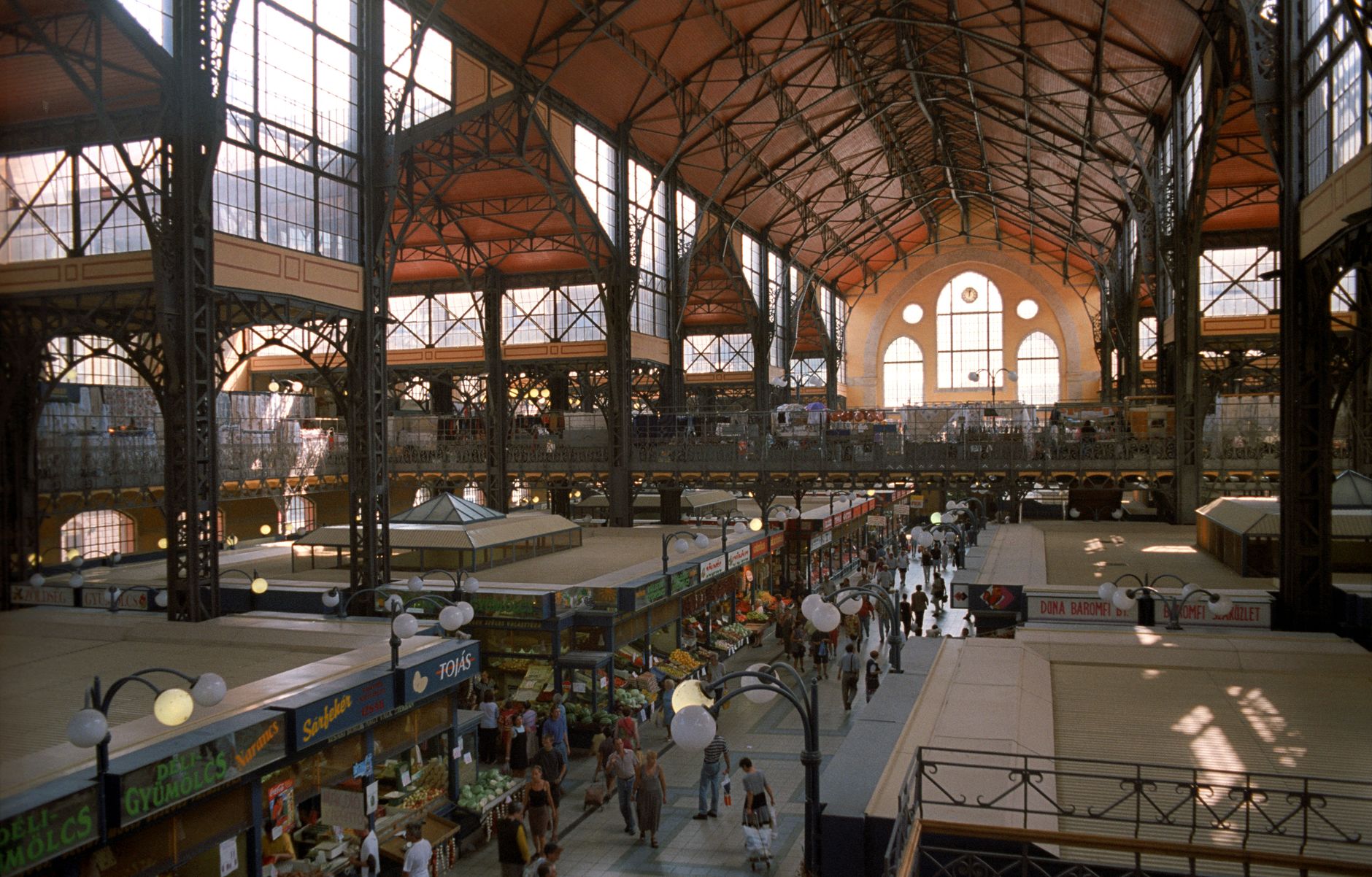
The Sabadell Art Museum sits inside a 19th-century bourgeois residence that once belonged to the Turull family — mill owners whose name is also on the city's bank. The Mercat Central still sells artisanal cheeses and cured meats beneath its monumental early-20th-century roof. Local bakeries turn out sweet buns called Belgues. The city has a texture that belongs entirely to itself.
💛 What travellers fall for
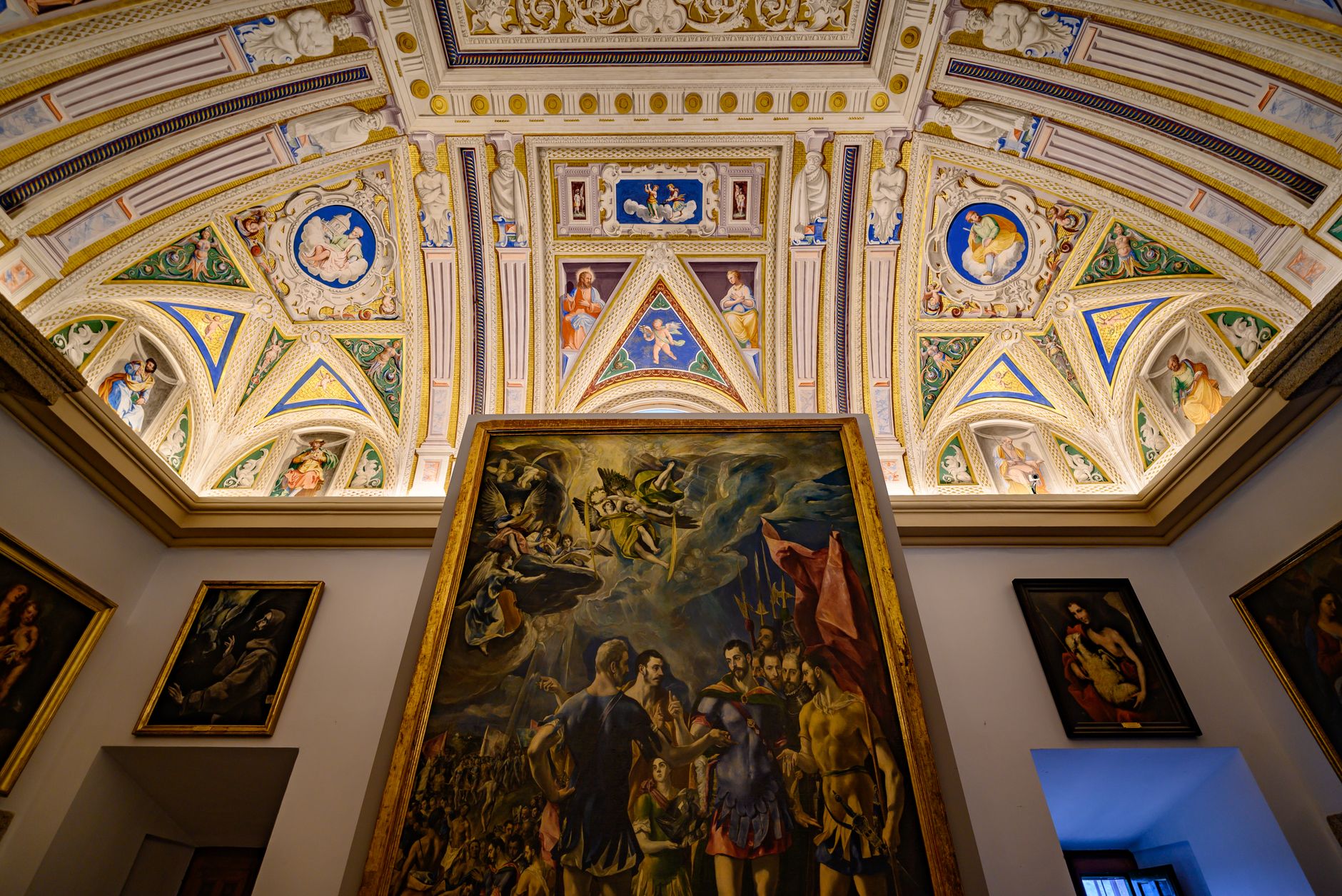
People who come back tend to linger in La Creu Alta, where boutiques still stock high-quality locally designed fabrics — a living thread from the industrial era. They also make time for the Miquel Crusafont Catalan Institute of Paleontology, which consistently surprises: the dinosaur fossils from Catalonia are the real thing, not a school-trip afterthought.
Experiences you don't want to miss


Deals in Sabadell
Book directly at the provider

How Sabadell came to be
In 1378, Sabadell was a village of roughly 600 people and 152 houses. Wool changed everything. Textile production began in the 16th century, and by the mid-19th century the city had acquired the nickname 'the Catalan Manchester' — not as flattery but as a statement of industrial fact. The railway arrived in 1856, and by 1877 Sabadell was officially a city. Its woollen clothing reached markets worldwide.
The Spanish Civil War disrupted that momentum, and the 1973 oil crisis forced the economy to diversify beyond textiles. Banco de Sabadell, founded by local industrialists including Pere Turull i Sallent and Joan Baptista Gorina i Pujol, grew into one of Spain's major banks — a reminder that the city's ambitions always extended beyond the loom. Centre d'Esports Sabadell, founded in 1901, and the stadium that hosted Olympic football in 1992 speak to a civic life that ran alongside the industrial one.
Who and what shaped it
People who shaped it
Landmark buildings
See Sabadell in motion
Plan your visit
On the map
When to go
Summers are hot and dry — July highs reach around 30°C, occasionally pushing past 35°C — making early mornings the sensible time to walk. Winters are mild rather than cold, with January averaging around 13°C by day, and the wettest months, October and November, each bringing 70–80 mm of rain.
Right now
Background & history adapted from Wikipedia (CC BY-SA) · specs from Wikidata (CC0) · weather from Open-Meteo · map data © OpenStreetMap contributors · photos from Wikimedia Commons / Unsplash with per-image credit. No third-party reviews or social posts reproduced.