
Badalona
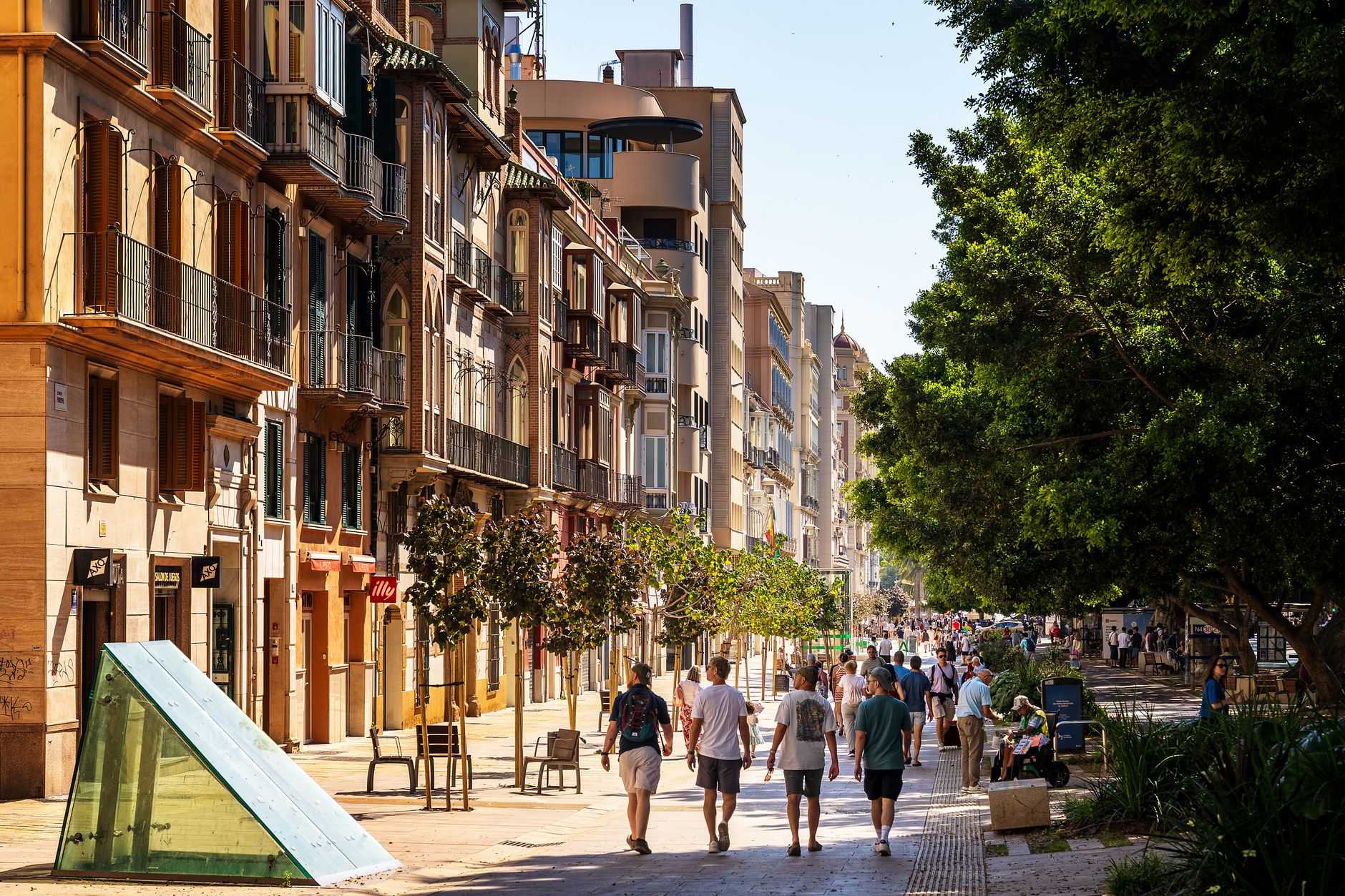
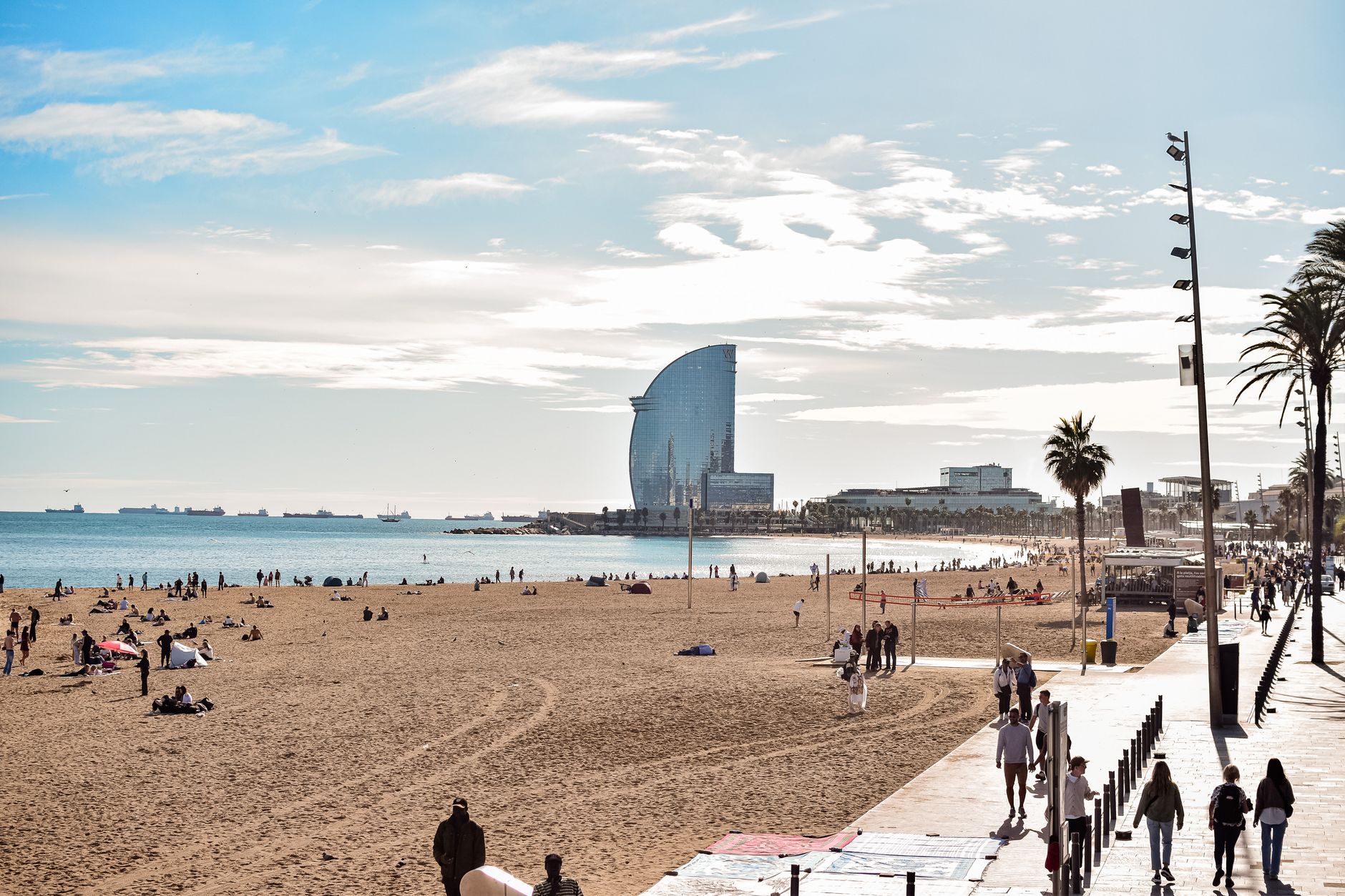
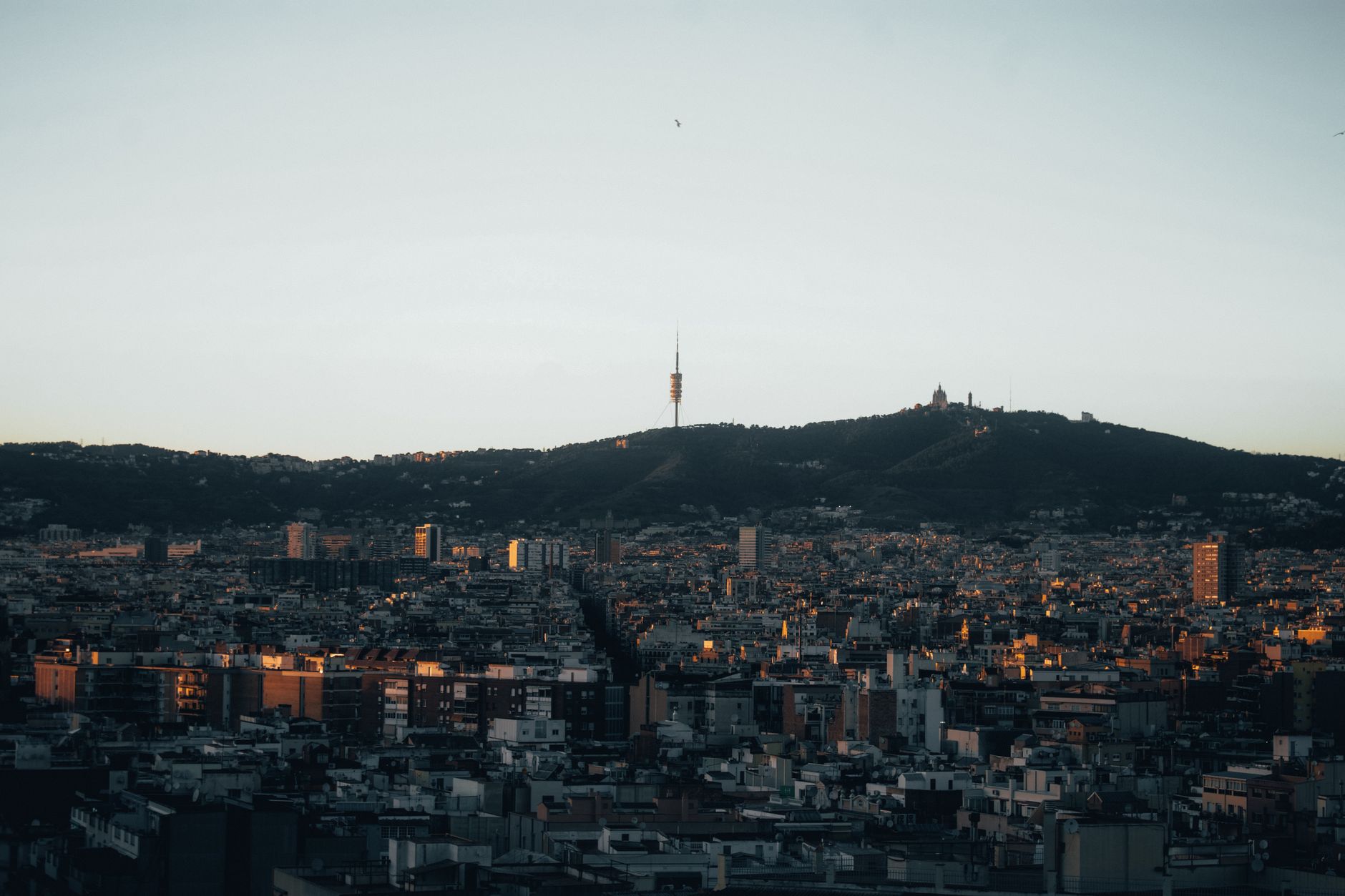
Stand on the Pont del Petroli — Badalona's old oil pier reaching out over the Mediterranean — and you have Barcelona's skyline to one side and five kilometres of your own coastline to the other. The city doesn't trade on its neighbour's fame. It has Roman ruins under glass floors, a Modernist anise distillery that once supplied a king, and a Rambla where the people sitting at café tables are mostly locals.
Badalona sits where the Serra de la Marina mountains meet the sea, and that geography gives it a particular quality of light and a certain unhurried tempo. It became a city officially in 1897, but its roots go back to a Roman settlement called Baetulo, founded around 100 BC on what the Iberians had already named Baitolo.
💛 What travellers fall for
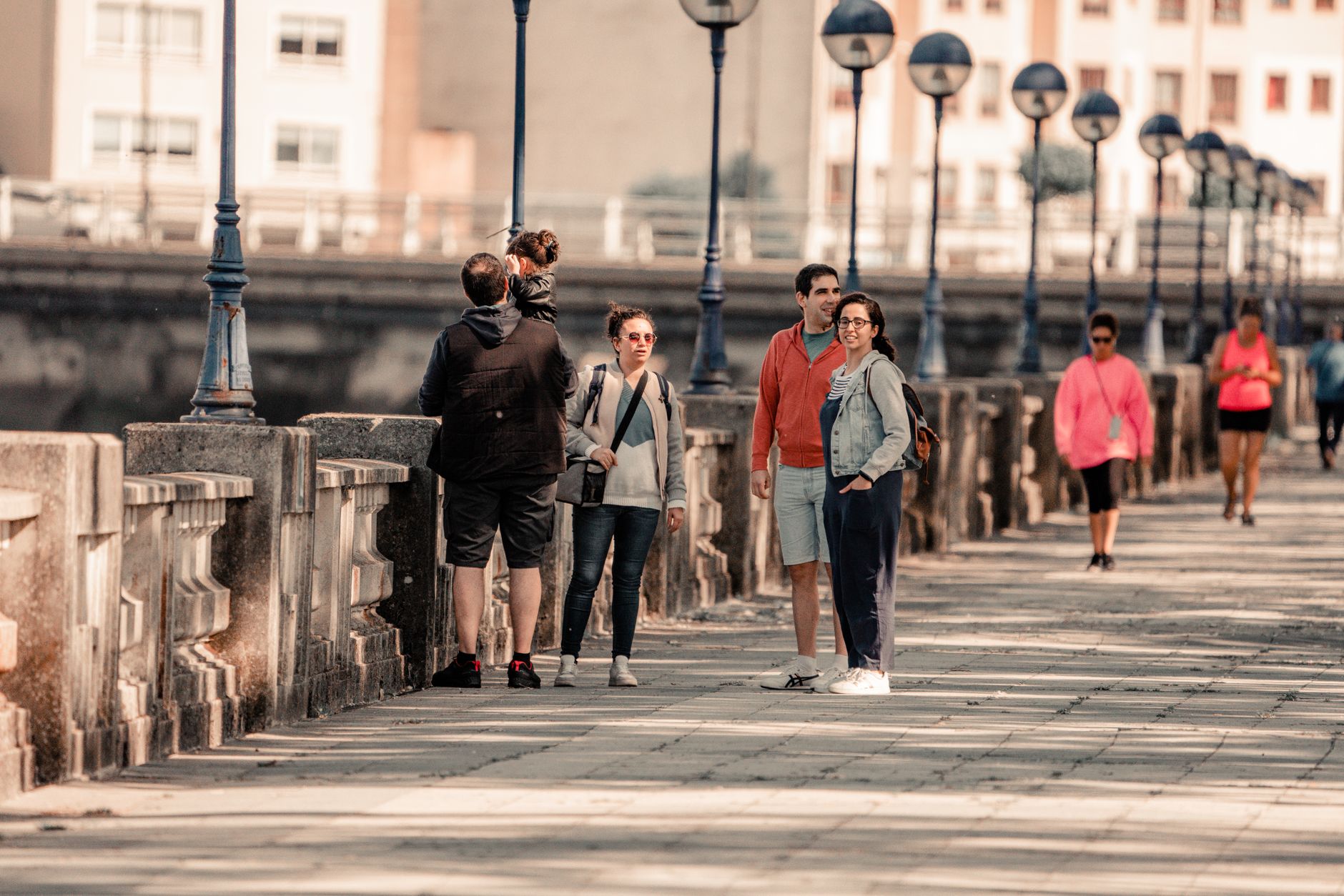
People who come back tend to mention the same few things: the Museum of Badalona's glass floors suspended above 3,400 square metres of Roman ruins, a guided tour of the Anís del Mono distillery that rewards anyone who books ahead, and the Rambla de Badalona on a weekday morning, when it belongs entirely to the neighbourhood.
Experiences you don't want to miss



Deals in Badalona
Book directly at the provider

How Badalona came to be
The Iberian settlement on Boscà hill gave way to a Roman city — Baetulo — founded around 100 BC on the neighbouring Rosés hill. The name itself comes from the Iberian word Baitolo, recorded on bronze coins from the late 2nd century BC. Rome absorbed the place so thoroughly that the Iberian settlement was abandoned by the 1st century AD.
Centuries later, the 15th-century Monastery of Sant Jeroni de la Murtra became the site of a remarkable moment: in 1493, Christopher Columbus was received here by King Ferdinand and Queen Isabella after returning from his first voyage to the Americas. The railway arrived in 1848, and industrialisation followed — Vicente Bosch opened his Anís del Mono distillery in 1870, naming it with a nod to Darwin and placing a Darwin-resembling monkey on the label. By 1975, the population had grown from 92,200 to over 200,000 in just fifteen years.
Who and what shaped it
People who shaped it
Landmark buildings
See Badalona in motion
Plan your visit
On the map
When to go
Summers run hot and dry — July and August push toward 30°C, with sea temperatures peaking around 26°C in August, making the eight beaches genuinely useful. Winters are mild rather than cold, with January averaging around 14°C, though October brings the year's heaviest rainfall, so early autumn visits are best planned with that in mind.
Right now
Background & history adapted from Wikipedia (CC BY-SA) · specs from Wikidata (CC0) · weather from Open-Meteo · map data © OpenStreetMap contributors · photos from Wikimedia Commons / Unsplash with per-image credit. No third-party reviews or social posts reproduced.