
Manresa
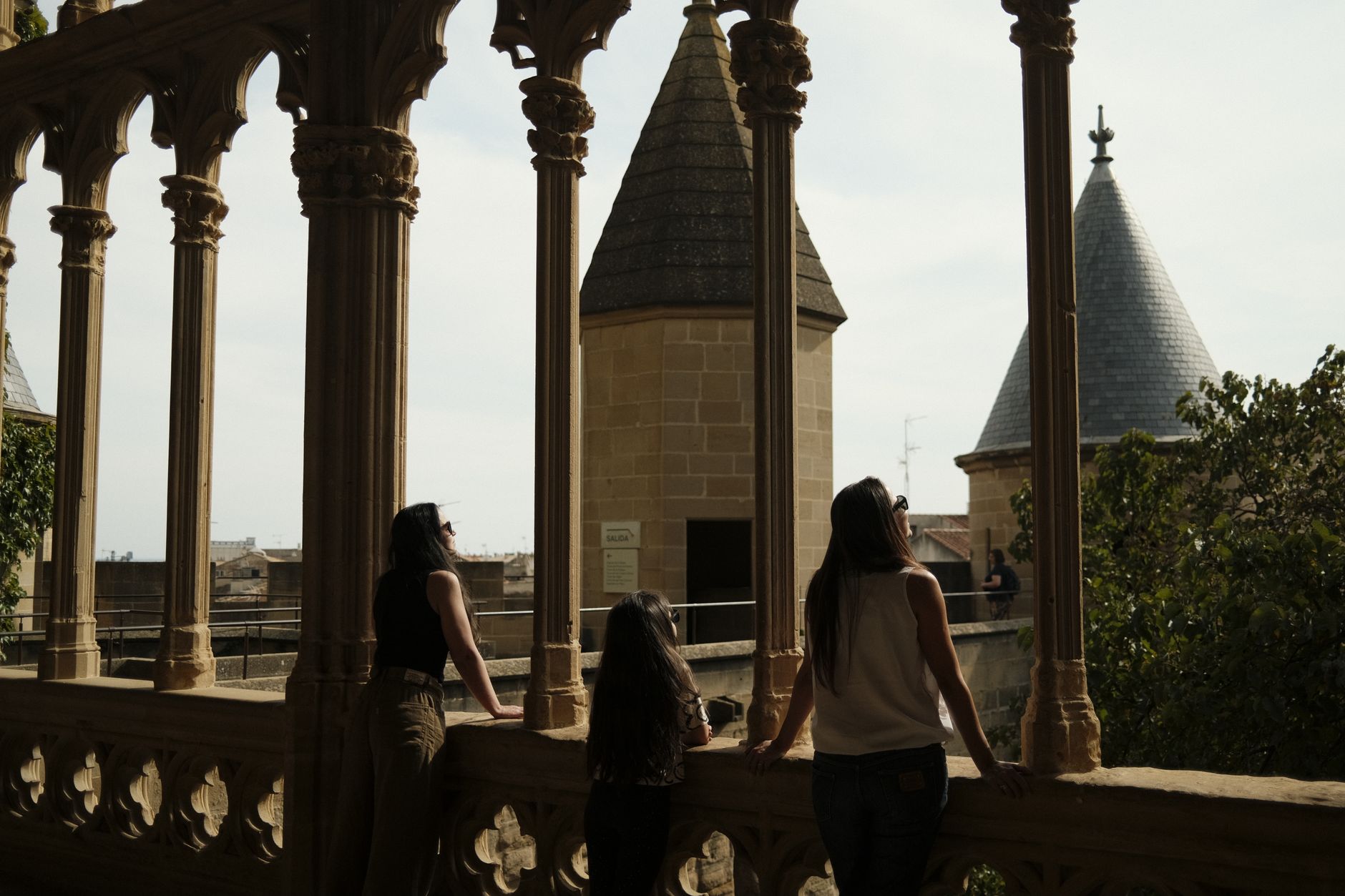
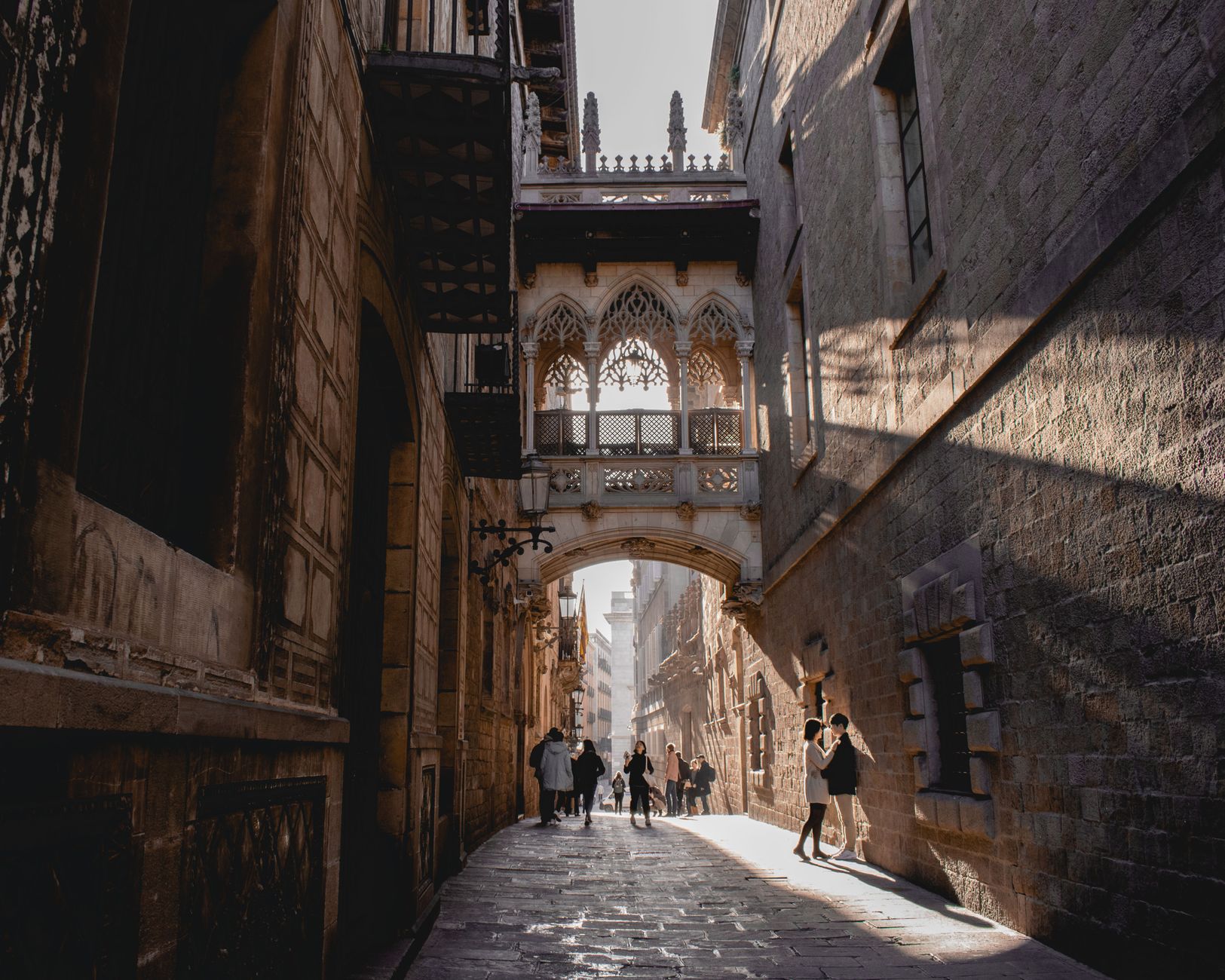
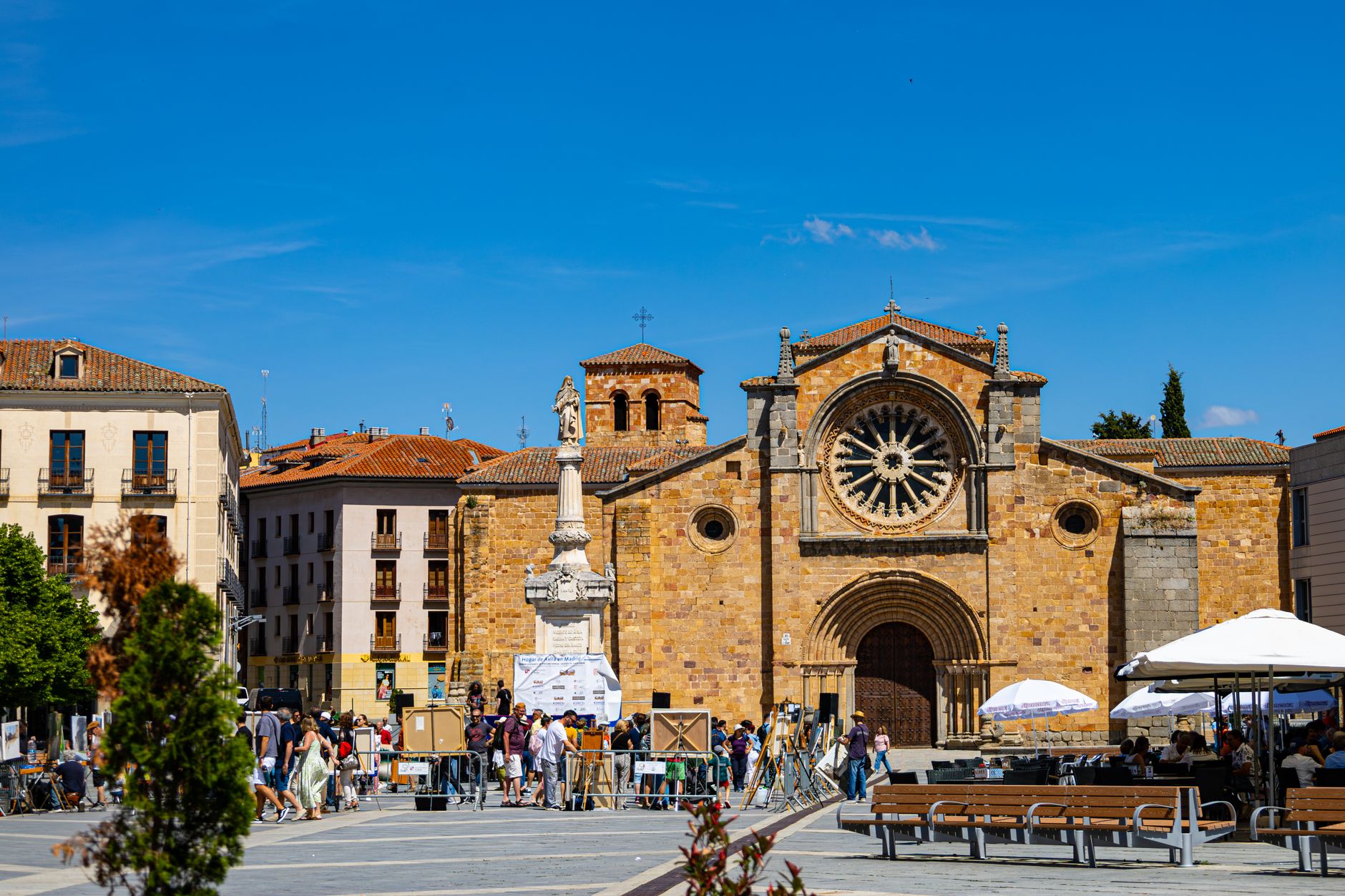
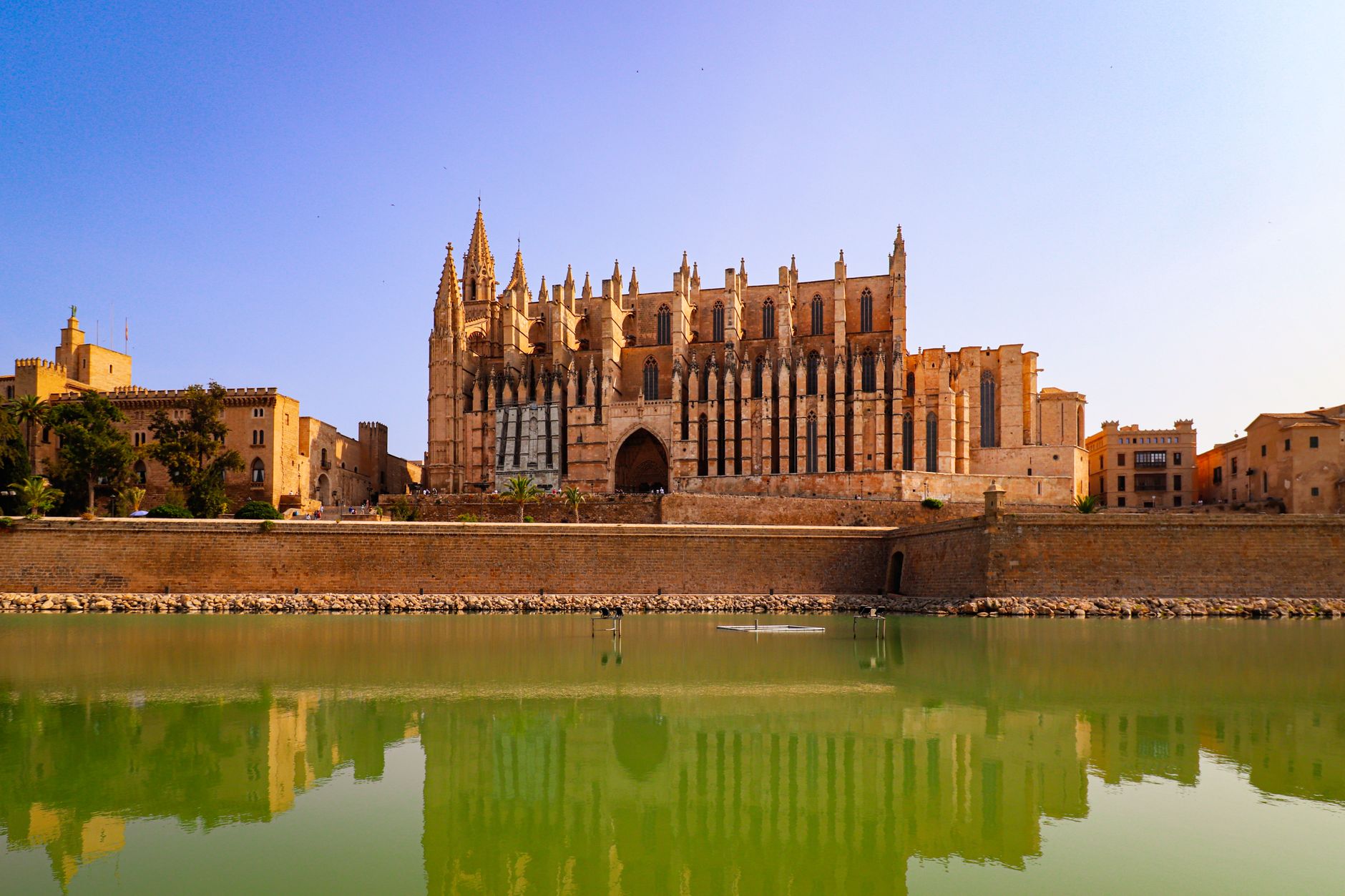
Manresa announces itself from a distance: the yellow stone of the Basilica of Santa Maria de la Seu rising on its rock above the Cardener River, the old bridge below it looking like it has always been there. Sixty-seven kilometres from Barcelona, this Catalan city carries the weight of several distinct histories at once — Gothic ambition, medieval commerce, a Jesuit origin story — without making a performance of any of them.
The cave where Ignatius of Loyola spent ten months in 1522 praying, fasting and writing the first drafts of what would become the Spiritual Exercises sits quietly on the riverbank. The altarpiece inside La Seu is the largest surviving Gothic altarpiece in Catalonia. These are not minor things.
💛 What travellers fall for
People who return tend to mention the same detail: how Carrer del Balç, that narrow medieval street that dips and rises under its porches, feels genuinely lived-in rather than preserved. They also learn quickly to arrive via Manresa-Baixador station — it drops you closest to the old centre, saving a long uphill walk from the RENFE stop.
Experiences you don't want to miss


Deals in Manresa
Book directly at the provider

How Manresa came to be
The first document naming the city dates to 889, though Manresa almost certainly existed earlier as Minorisa, a Roman settlement of the Jacetani people. By the 12th century it held around 500 Jewish families concentrated in a lane near the town hall. The 14th century was the city's high-water mark — rapid population growth, intense trade, and the construction of La Seu, designed by Berenguer de Montagut, who also drew up plans for Santa Maria del Mar in Barcelona.
In March 1522, a wounded Basque knight named Ignatius of Loyola arrived and stayed nearly a year, living in a cave by the river and teaching catechism. What he wrote and thought through in that cave eventually became the foundation of the Society of Jesus, approved by Pope Paul III in 1540. The city's role as a strategic centre continued into the 17th century during the Catalan Revolt, and its Modernist layer — the Casino, Torre Lluvià, Teatre Kursaal — came later, shaped largely by local architect Ignasi Oms i Ponsa.
Who and what shaped it
People who shaped it
Landmark buildings
See Manresa in motion
Plan your visit
On the map
When to go
Summers run warm and long, with July days reaching 30°C and over ten hours of sunshine; winters are cool and short, with January nights dropping close to freezing. The most reliable window for visiting is April through June, before the heat peaks — September can be beautiful but is also the wettest month of the year.
Right now
Background & history adapted from Wikipedia (CC BY-SA) · specs from Wikidata (CC0) · weather from Open-Meteo · map data © OpenStreetMap contributors · photos from Wikimedia Commons / Unsplash with per-image credit. No third-party reviews or social posts reproduced.