
Lleida
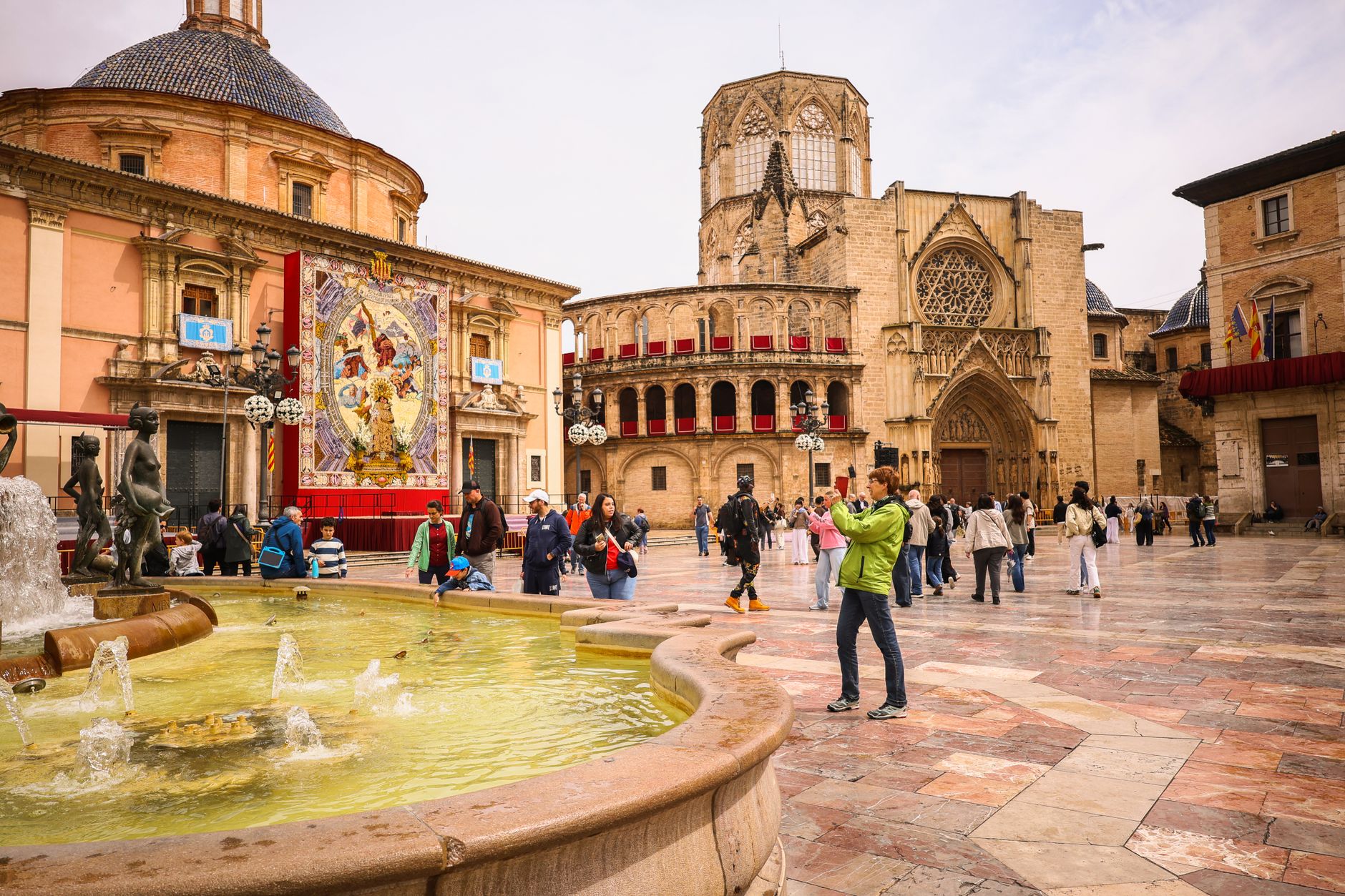
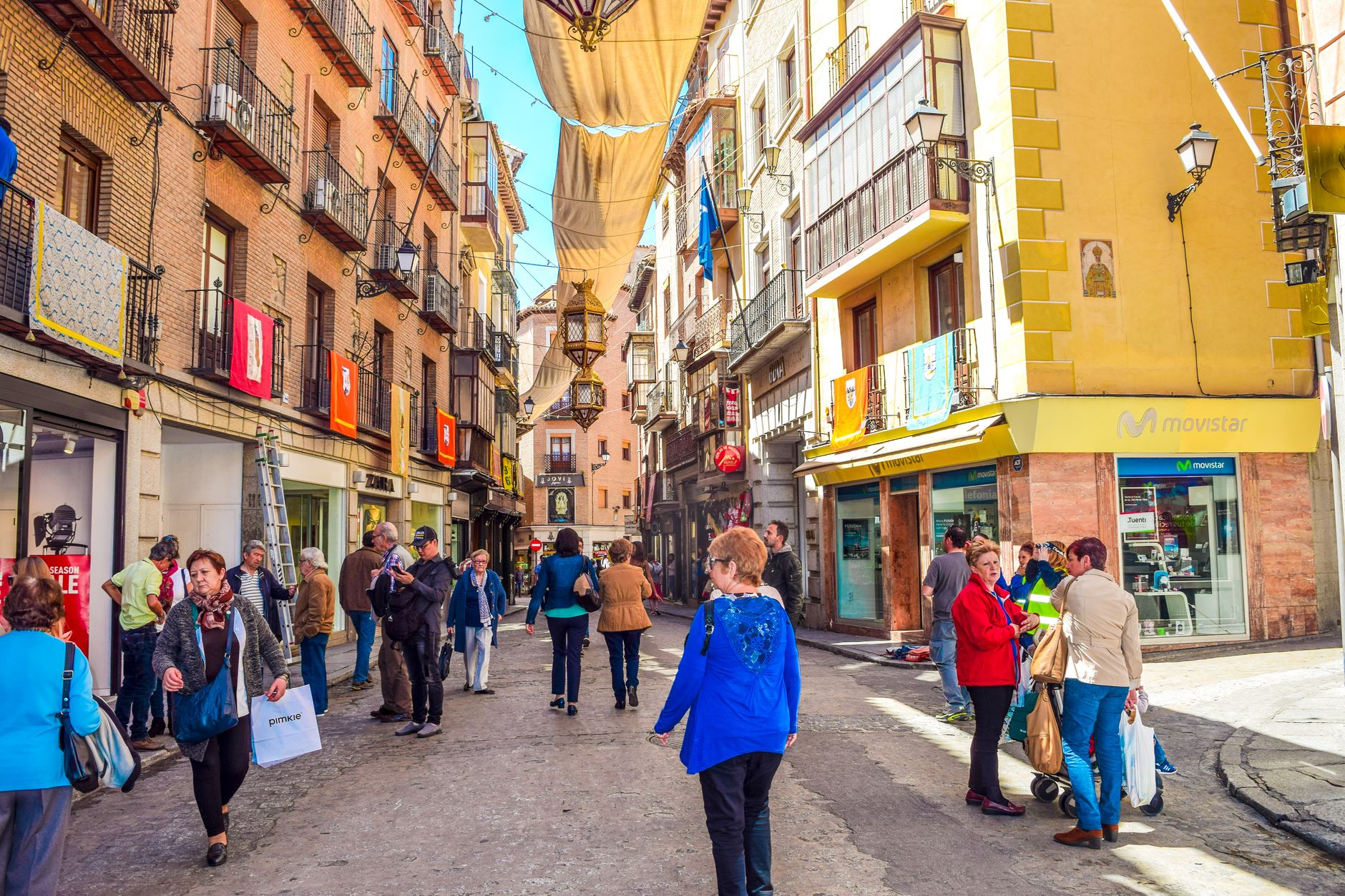
Lleida's old cathedral sits on a hill above the city like a fact that refuses to be softened — Romanesque arches bleeding into Gothic vaulting, a bell tower that took two centuries to finish, and a view over the Segre plain that hasn't changed much since the Ilergetes were farming it. Most people pass through on the AVE between Barcelona and Madrid without stopping. That's their loss.
This is one of Catalonia's oldest cities, with a history dense enough to trip over: Iberian settlement, Roman municipality, eight centuries of Muslim rule, a university founded in 1297, and a cathedral that has been, at various points, a church, a military barracks, and a target. The city wears all of it without making a fuss.
💛 What travellers fall for
People who come back tend to mention the same things: arriving at La Seu Vella on a weekday morning before the tour groups, when the light through the cloister is almost architectural in itself. They also mention that the first Tuesday of each month gets you in free — worth building a trip around if your schedule bends.
Experiences you don't want to miss




Deals in Lleida
Book directly at the provider


How Lleida came to be
Before it was Lleida it was Ilerda, a Roman municipality under Augustus, and before that the heartland of the Ilergetes, an Iberian people who held this stretch of the Segre long before legions arrived. Arab rule followed from the 8th century until 1149, when Ramon Berenguer IV retook the city. The Knights Templar, who had helped make the reconquest possible, built their monastery-castle at Gardeny in the same era. By 1297, Lleida had a university — the third oldest on the Iberian Peninsula.
The cathedral, La Seu Vella, began rising in 1203 and wasn't finished until 1431. It served the diocese for four centuries before Philip V, punishing the city for its resistance, ordered it converted into a military barracks in 1707. The Spanish Civil War added another wound: the newer La Seu Nova was burned by the anarchist commander Buenaventura Durruti's forces. Lleida has had to rebuild itself more than once.
Who and what shaped it
People who shaped it
Landmark buildings
See Lleida in motion
Plan your visit
On the map
When to go
Summers are long and genuinely hot — expect July and August days above 30°C, with little rain to break them. Spring and autumn bring more manageable temperatures and slightly higher chances of rain; winters are cold and dry, with January averaging around 5.5°C.
Right now
Background & history adapted from Wikipedia (CC BY-SA) · specs from Wikidata (CC0) · weather from Open-Meteo · map data © OpenStreetMap contributors · photos from Wikimedia Commons / Unsplash with per-image credit. No third-party reviews or social posts reproduced.