
Pécs
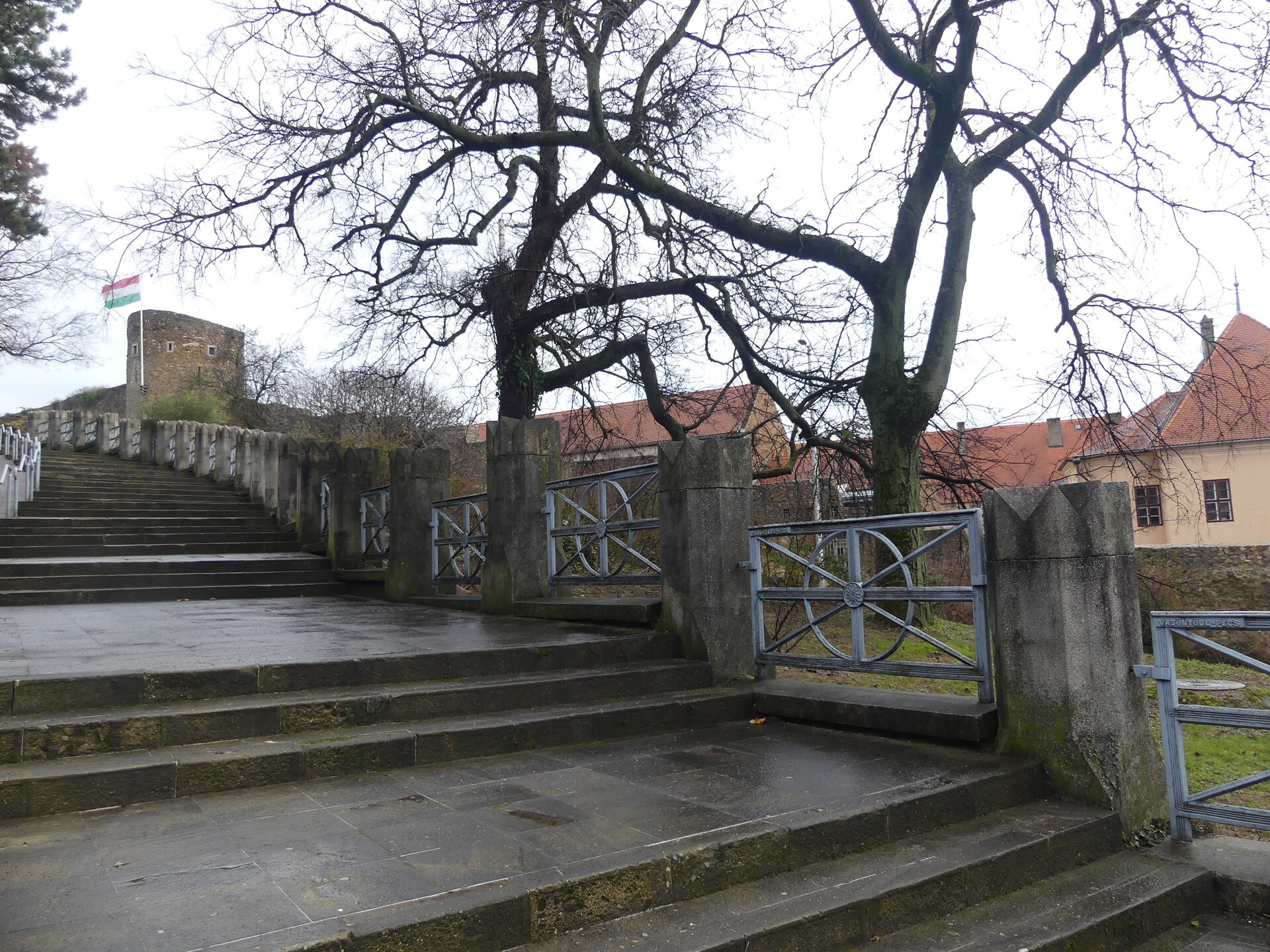
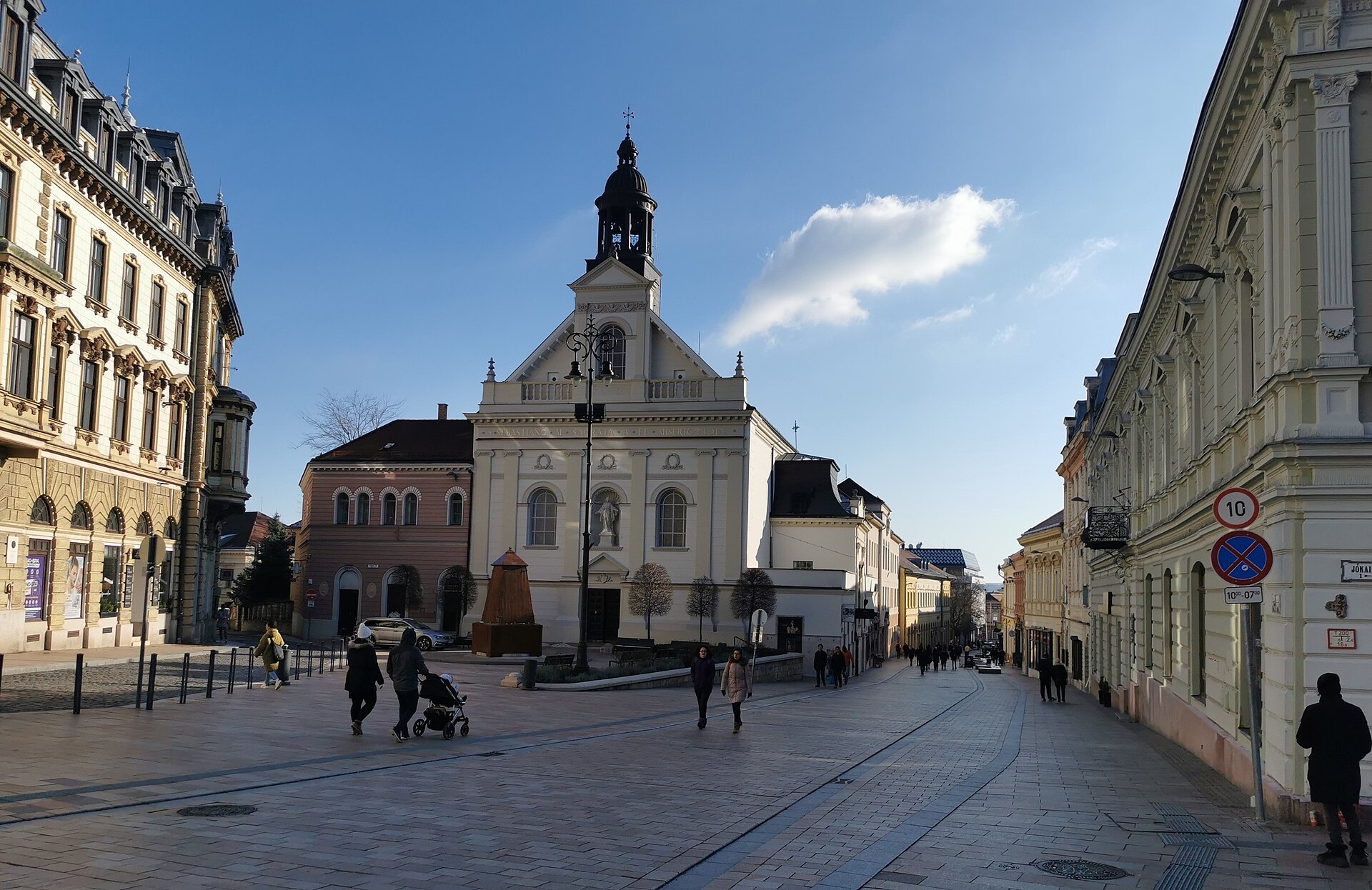
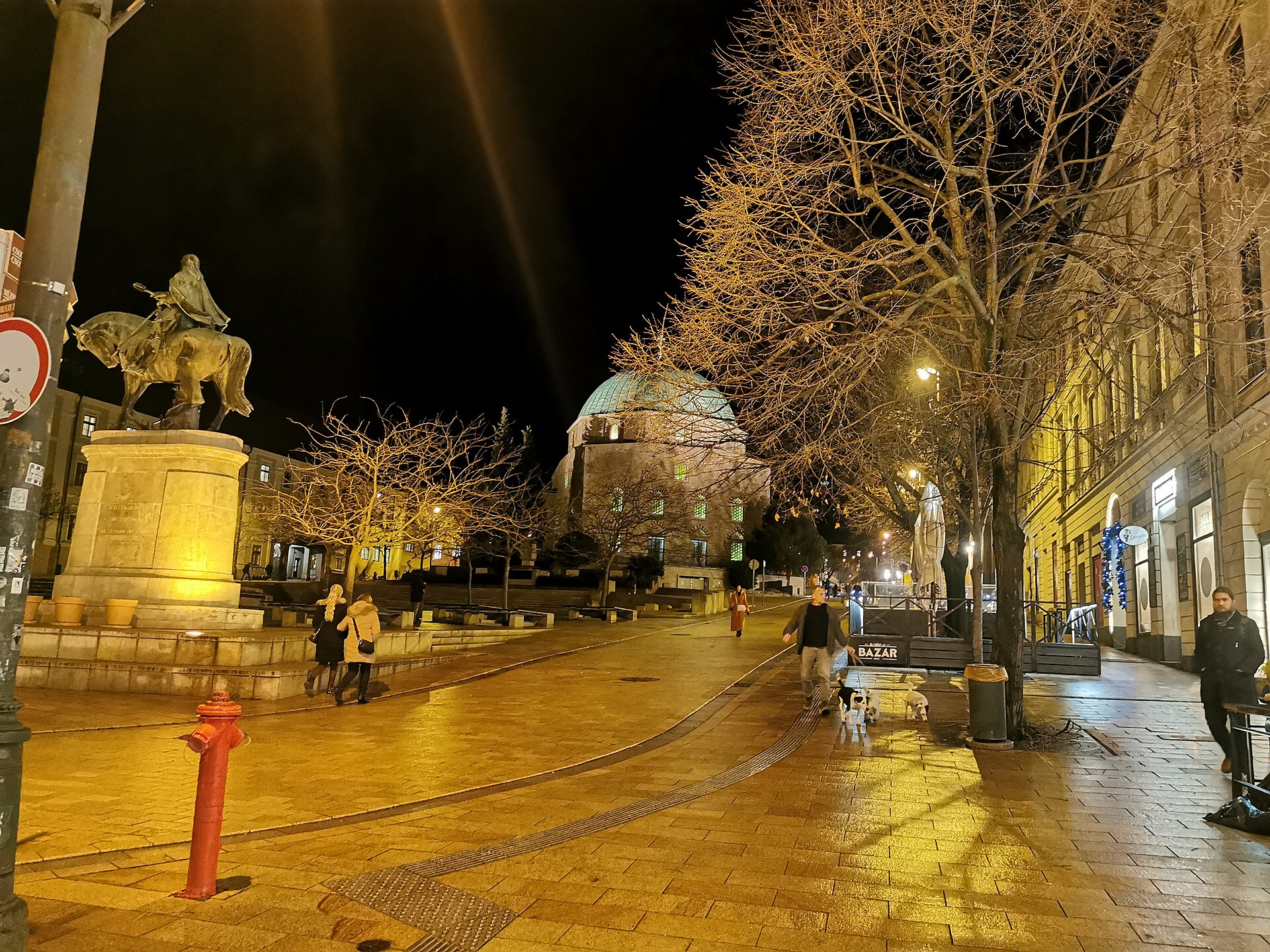
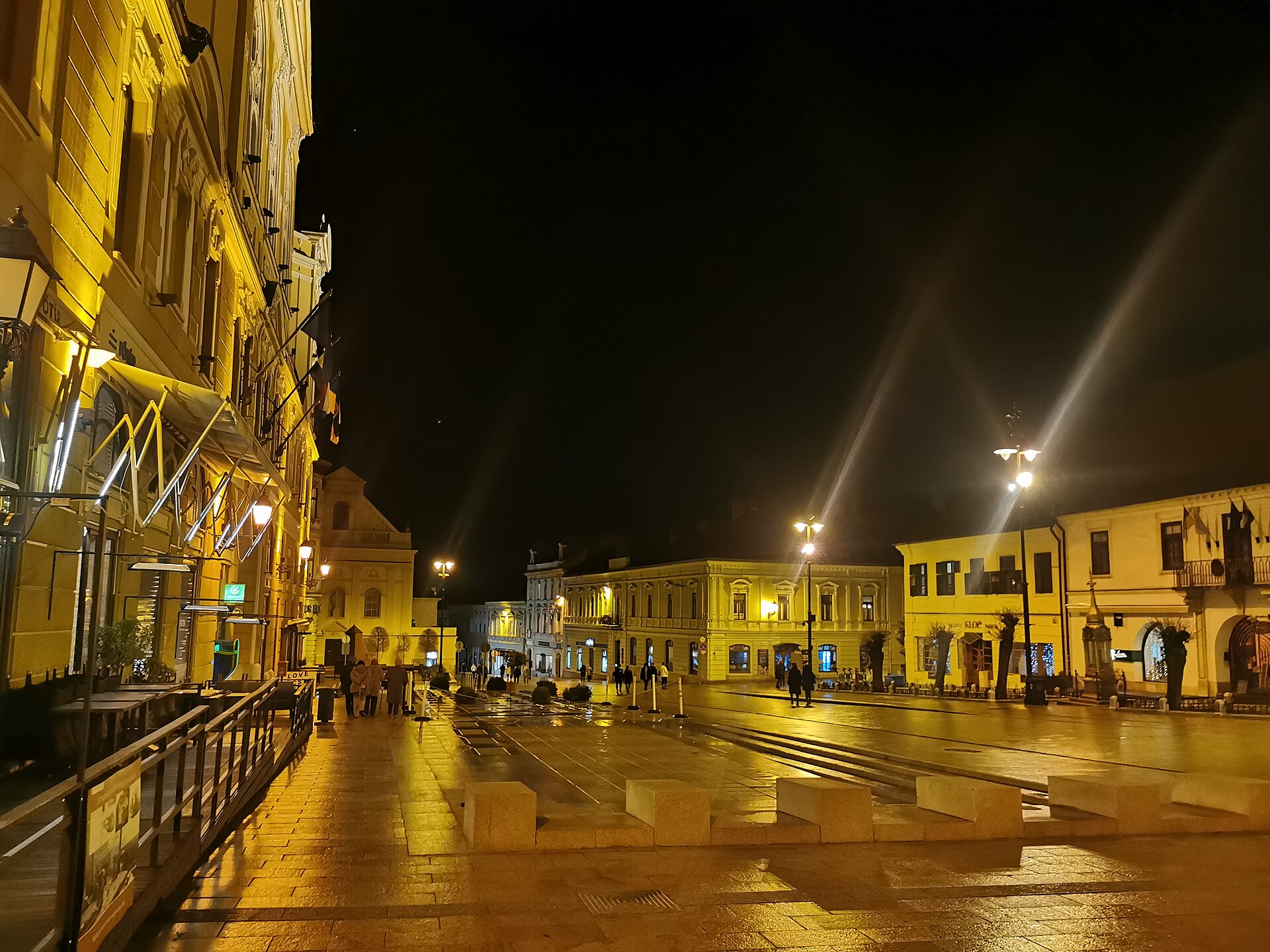
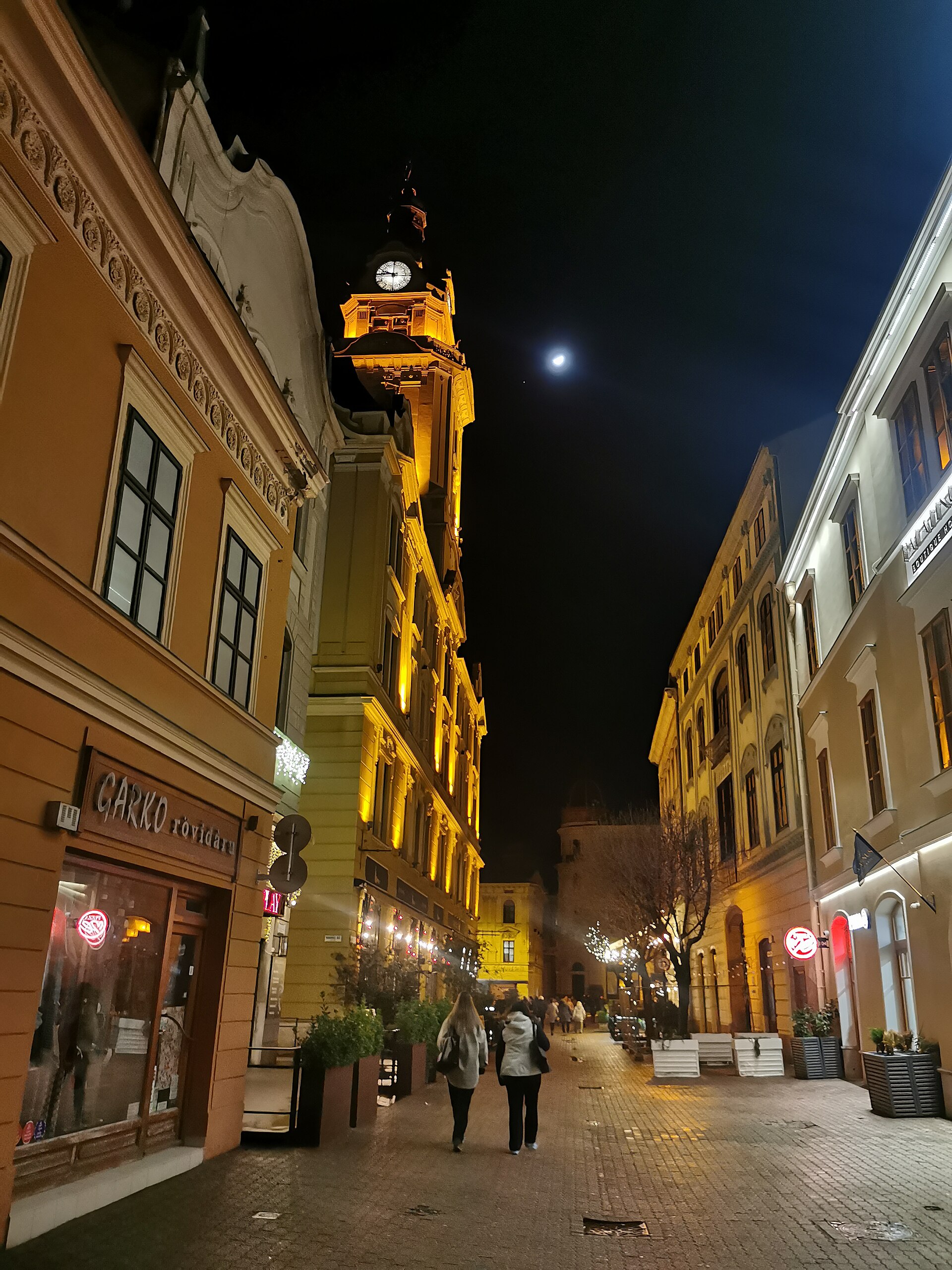
On Széchenyi Square, the main fountain has oxen heads spouting water through Zsolnay ceramic mouths — a small, strange detail that tells you something about Pécs before you've walked a single street. This is a city where layers pile up visibly: Roman burial chambers beneath your feet, an Ottoman mosque at the square's edge that still holds Friday prayers, a 19th-century porcelain factory turned into a five-hectare cultural quarter.
Sitting at the foot of the Mecsek hills in southern Hungary, Pécs holds more surviving Ottoman architecture than any other city in Central Europe, and carries its history with an ease that never feels like a museum exercise. The Villány wine country starts just thirty minutes south by train.
How Pécs came to be
The Romans built a city here called Sopianae in the early 2nd century, and when they left, they left behind an extraordinary Early Christian necropolis — painted burial chambers and mausoleums from around the 4th century that now carry UNESCO World Heritage status. Hungary's first diocese was founded here in 1009 by King Stephen I, and in 1367 Louis I the Great established the country's first university within the city walls.
In June 1543, Pécs opened its gates to the Ottoman army and remained under Ottoman rule for 143 years — long enough to reshape the city's skyline with mosques and a türbe that still stand. After liberation in 1686, the city rebuilt slowly, accumulating the cathedral, the National Theatre (1895), and eventually the Zsolnay porcelain works, whose iridescent eosin glazes would win the factory international renown.
Who and what shaped it
People who shaped it
Landmark buildings
See Pécs in motion
Plan your visit
On the map
When to go
Summers are warm and long, with July averaging around 29°C and nearly ten hours of daily sun — the stretch from May through September is the most rewarding time to visit. Winters are cold and grey, with January hovering just above freezing and occasional drops well below -15°C; snow falls but rarely settles heavily.
Right now
Background & history adapted from Wikipedia (CC BY-SA) · specs from Wikidata (CC0) · weather from Open-Meteo · map data © OpenStreetMap contributors · photos from Wikimedia Commons / Unsplash with per-image credit. No third-party reviews or social posts reproduced.