
Region

Debrecen

Debrecen
Photo by Zsolt Bodnár on Pexels
Debrecen
Photo by Péter Borkó on Pexels
Debrecen
Photo by Helena Jankovičová Kováčová on Pexels
Debrecen
Photo by Helena Jankovičová Kováčová on Pexels
Debrecen
Photo by Jing Zhan on Pexels
Debrecen
Photo by Gonzalo Facello on Pexels
City break Culture & history

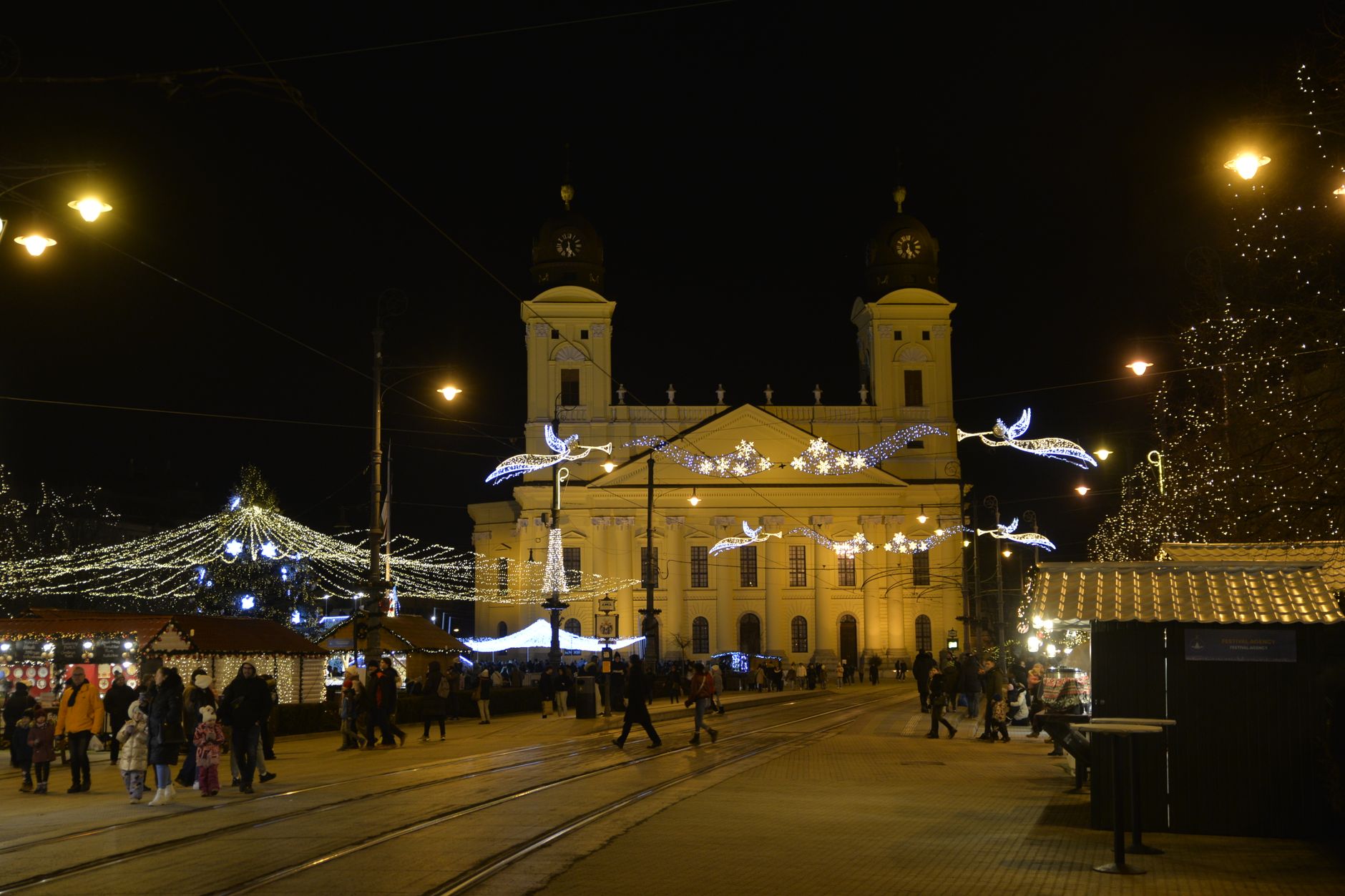
Debrecen announces itself through a single image: the twin 61-metre towers of the Great Reformed Church rising above Kossuth Square, where a marketplace once stood and a parliament once sat. Hungary's second city has always been more serious than its reputation suggests — a Calvinist stronghold that negotiated its way through Ottoman occupation, sheltered a revolutionary government in 1849, and sent the first sparks of the 1956 uprising into the air before Budapest had even heard the news.

The centre is compact and walkable, anchored by Piac Street — Market Street in plain translation — where fairs ran for three centuries and the architecture turned grand around 1900. The Reformed College, founded in 1538, still operates a block from the church.

Good to know
Hourly InterCity trains from Budapest Nyugati reach Debrecen in roughly two and a half hours, also stopping at Budapest Airport. Tram Line 1 runs from the main station through the centre and out to the university and the Great Forest. Two days covers the core comfortably; add a third if you plan a day trip to Hortobágy.
The story

How Debrecen came to be

Debrecen appears in records as early as 1235, and by 1361 Louis I had granted it a royal charter and the right to elect its own council — the foundation of a civic independence the city has never quite let go of. It grew wealthy on cattle trading and seasonal fairs, survived Ottoman rule through careful diplomacy rather than conquest, and embraced the Reformation early: the Reformed College dates to 1538, and its library now holds over 600,000 volumes including the first complete Hungarian Bible, printed here in 1590.

The city's most dramatic hour came in spring 1849, when the Hungarian government fled here during the war of independence and, on 14 April, Lajos Kossuth led parliament in declaring the deposition of the Habsburg dynasty. The moment lasted months, not years, but Kossuth's statue still stands in the square named for him, in front of the church where it happened.

People & landmarks

Who and what shaped it

People who shaped it

Mihály Csokonai Vitéz
One of Hungary's best-known poets; born and lived in Debrecen; the city theatre named in his honour in 1916.
Lajos Kossuth
Led Hungarian Parliament on 14 April 1849 in proclaiming deposition of the Habsburg dynasty and Hungarian independence from Debrecen.
Endre Ady
Hungarian writer who began his journalistic career in Debrecen.
Gyula Krúdy
Hungarian writer who began his journalistic career in Debrecen.
Árpád Tóth
Hungarian writer who began his journalistic career in Debrecen.
Lujza Blaha
Celebrated actress who performed at Debrecen's theatre.

Landmark buildings

Great Reformed Church (Nagytemplom)
Largest Protestant church in Hungary; built 1805–1824 in Neoclassical style with twin 61-metre bell towers; designed by Mihály Péchy.
Reformed College (Debreceni Református Kollégium)
Founded 1538; present neoclassical building completed 1816; Historical Library holds over 600,000 volumes including the Debrecen Bible (1590).
University of Debrecen Main Building
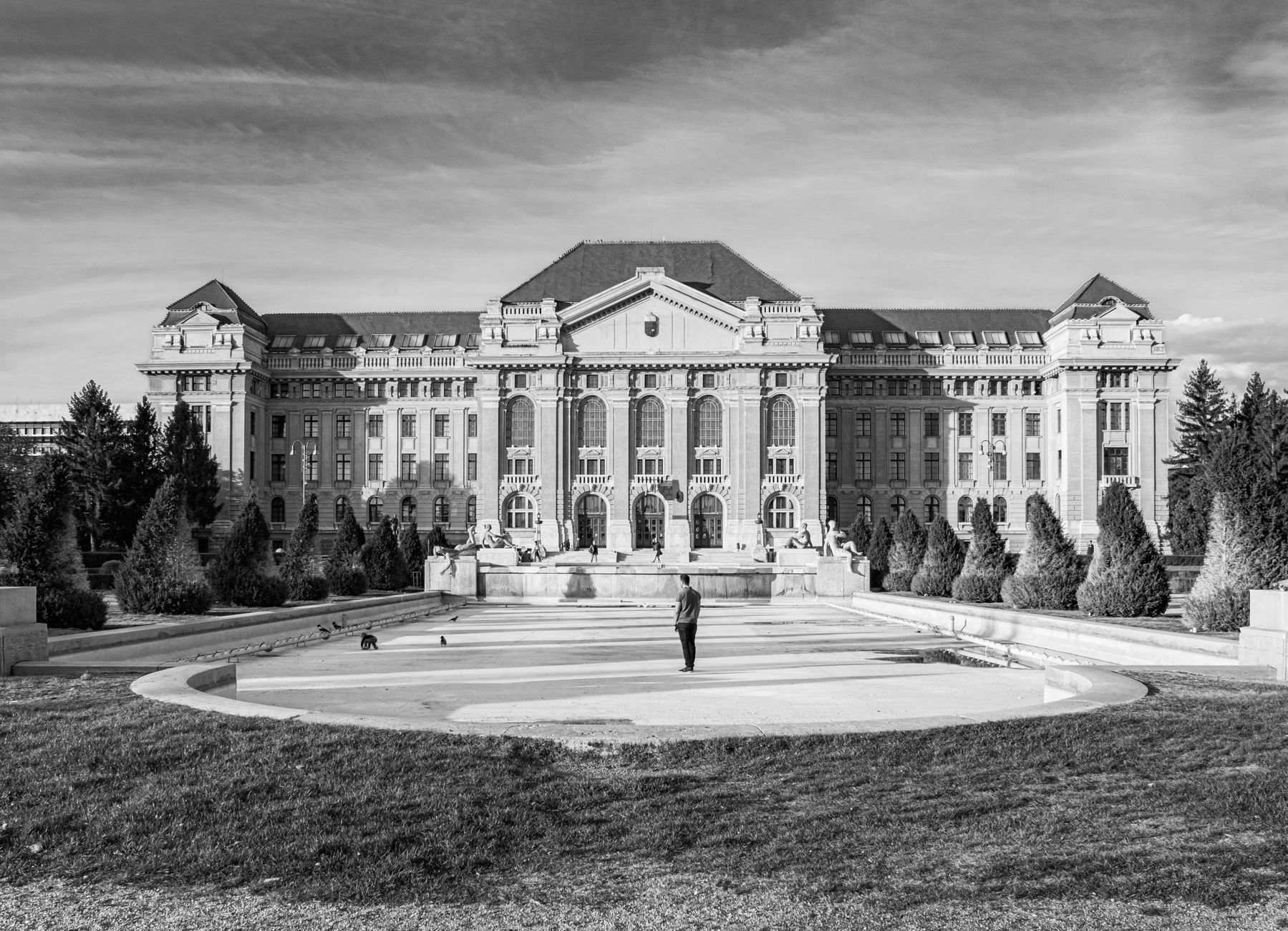
Built 1927–1932 in eclectic and neo-baroque style; third largest building in Hungary at inauguration after Parliament and Buda Castle.
St. Anne's Church (Római katolikus templom Szent Anna)
Built 1726–1746 to appease the Catholic Habsburg emperor.
Csokonai Theatre
Named after poet Mihály Csokonai Vitéz; traces roots to National Theatre Company founded in 1789.
St. Urban's Tower
Erected in the 14th century; a 7-ton bell was cast for it in 1557.
Déri Museum
Houses art collection of industrialist Frigyes Déri.
Piac Street (Market Street)
Hosted famous Debrecen fairs for 300 years from the 16th century; took present appearance at turn of 19th–20th centuries.
Kossuth Square
Former marketplace; dominated by Great Reformed Church and statue of Lajos Kossuth; site of 14 April 1849 Hungarian independence proclamation.
Watch

See Debrecen in motion

Practical

Plan your visit

On the map

When to go

Summers are warm and often dry, with July temperatures regularly above 30°C — the Great Forest becomes a genuine refuge. Winters are cold and can be grey, but the city functions without fuss; spring and early autumn offer the most comfortable walking weather.

Right now

29°C
Partly cloudy
Sat
🌧️
35°
22°
Sun
🌧️
31°
21°
Mon
🌧️
27°
20°
Tue
27°
16°
Weather data: Open-Meteo

Background & history adapted from Wikipedia (CC BY-SA) · specs from Wikidata (CC0) · weather from Open-Meteo · map data © OpenStreetMap contributors · photos from Wikimedia Commons / Unsplash with per-image credit. No third-party reviews or social posts reproduced.

Top