
Sopron
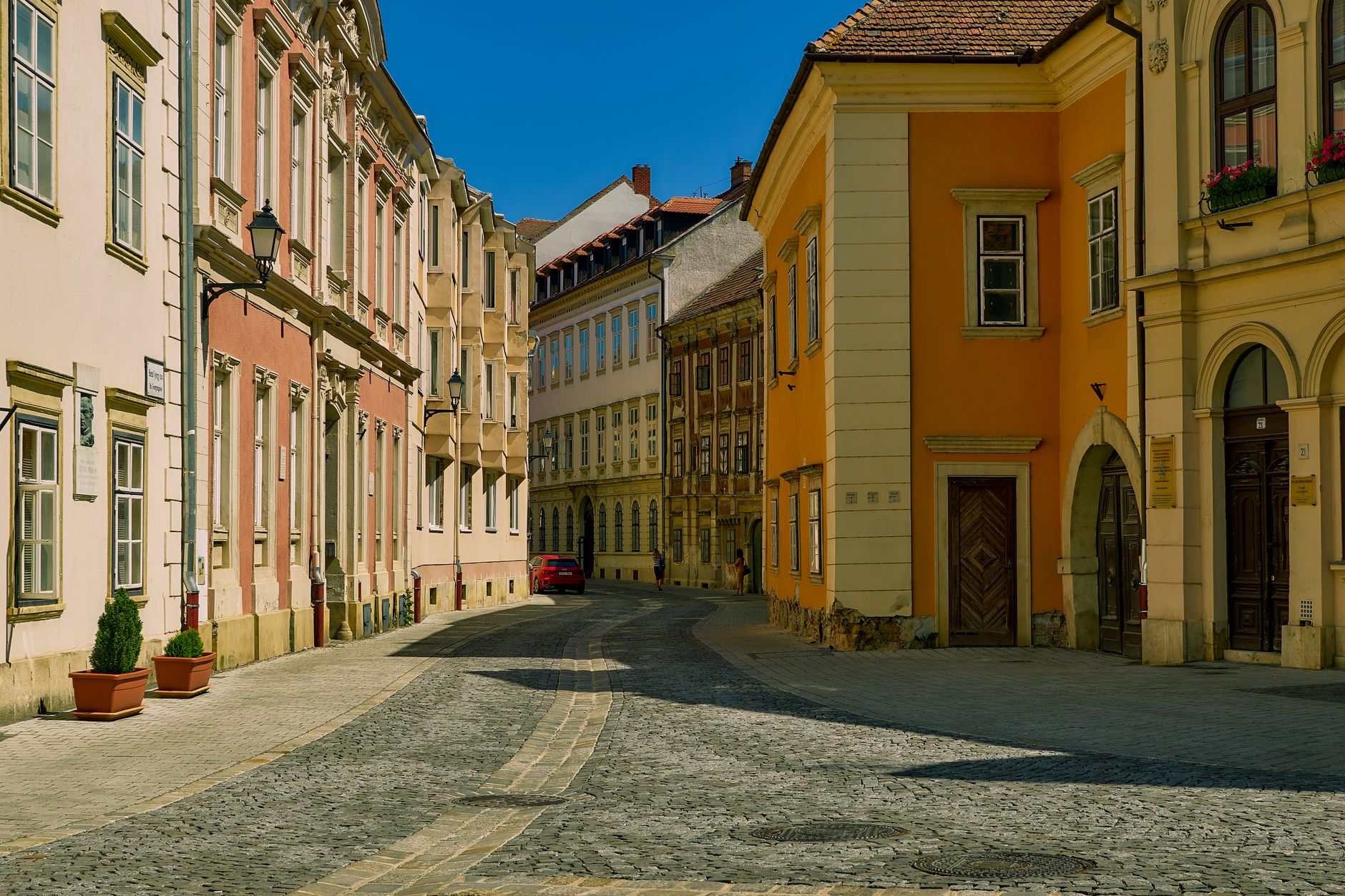

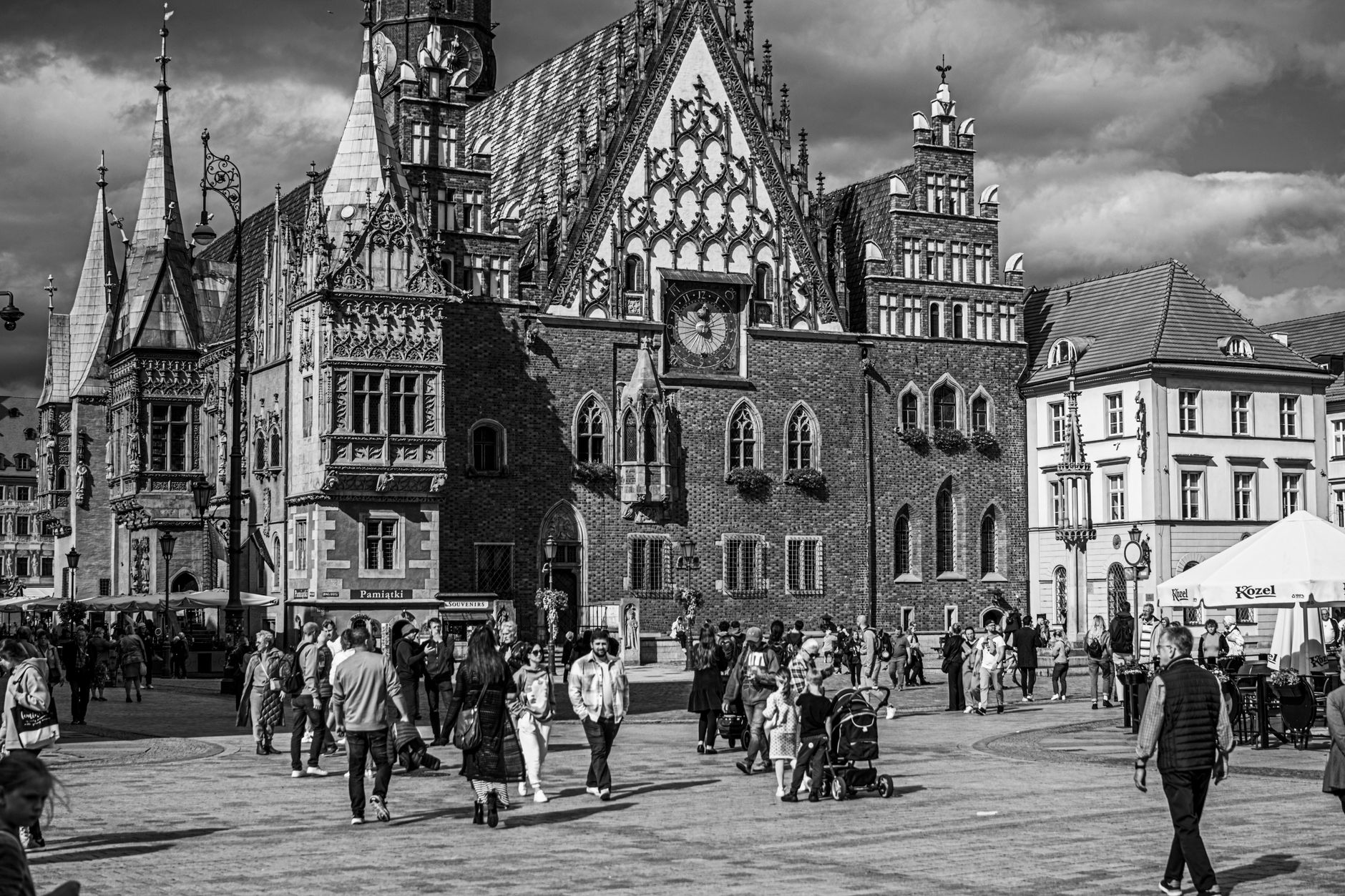
Stand in Sopron's Fő Tér and you're standing on the old Roman forum of Scarbantia — the same ground where a provincial city once organised its civic life. The 60-metre Fire Tower rises above it all, its Baroque spire a direct consequence of the great fire of 1676 that remade much of what you see today. The square is oddly shaped, lined with the coloured façades that replaced the medieval city almost overnight, and it gives the whole place a particular coherence: one catastrophe, one rebuilding, one aesthetic.
Sopron sits close to the Austrian border in western Hungary, and that border has defined it. In 1921, a local plebiscite decided which country the city would belong to — 65% chose Hungary, earning Sopron the title Civitas Fidelissima, the Most Loyal City. Then in August 1989, a peaceful gathering here became the first breach in the Iron Curtain, when over 600 East Germans crossed into Austria and helped set in motion the fall of the Berlin Wall.
How Sopron came to be
The ground beneath Sopron has been continuously inhabited since Roman times, when Scarbantia served as a provincial city complete with a forum that now underlies the main square. Hungarian settlers reinforced the old Roman walls from the 9th century onward, and a castle steward named Suprun gave the city its name. King Stephen I made it the seat of a royal county in the 11th century, and by the late 13th century it had earned the status of free royal town.
The fire of 1676 erased much of the medieval fabric and triggered a Baroque reconstruction that still defines the streetscape. The 20th century brought sharper drama: a contested 1921 plebiscite kept Sopron within Hungary, and on 19 August 1989 the Pan-European Picnic on its border became the first mass, successful crossing of the Iron Curtain — a quiet afternoon gathering that nudged history.
Who and what shaped it
People who shaped it
Landmark buildings
See Sopron in motion
Plan your visit
On the map
When to go
Summers are warm and long, well suited to time in the open squares and surrounding countryside. Winters are cold and occasionally snowy, but the compact historic core remains walkable; spring and autumn offer mild temperatures and thinner crowds.
Right now
Background & history adapted from Wikipedia (CC BY-SA) · specs from Wikidata (CC0) · weather from Open-Meteo · map data © OpenStreetMap contributors · photos from Wikimedia Commons / Unsplash with per-image credit. No third-party reviews or social posts reproduced.