
Bükk National Park
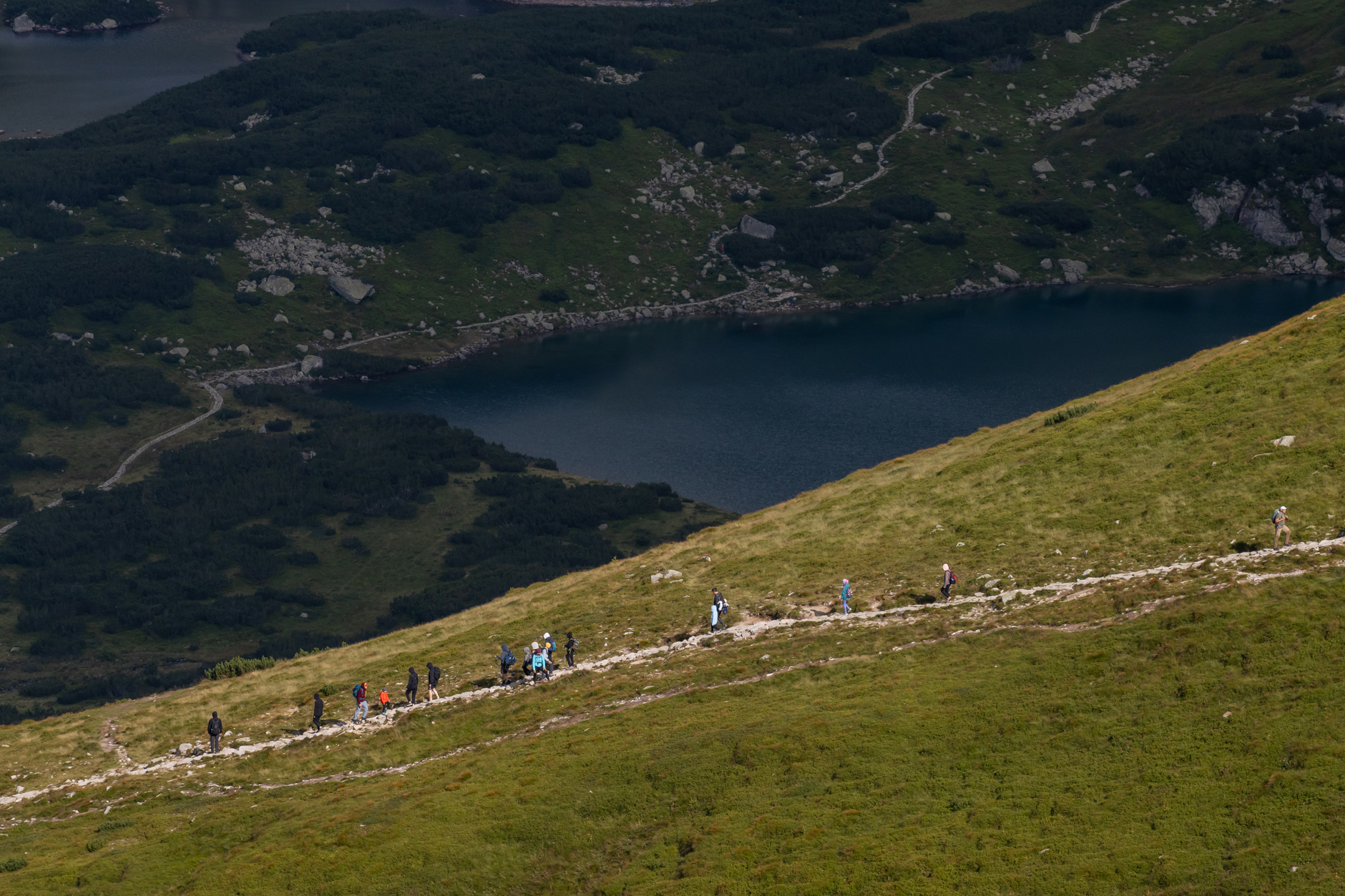
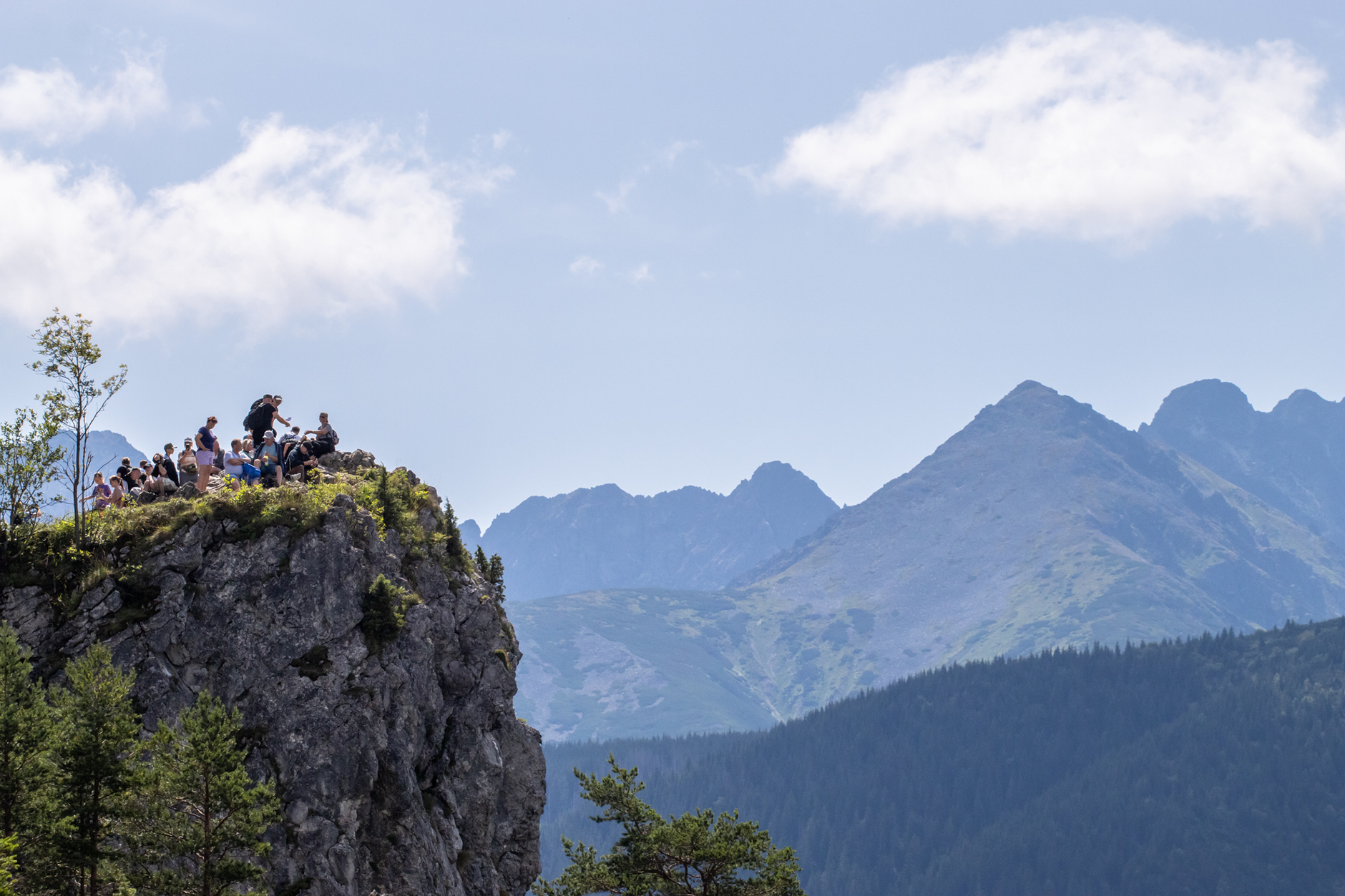
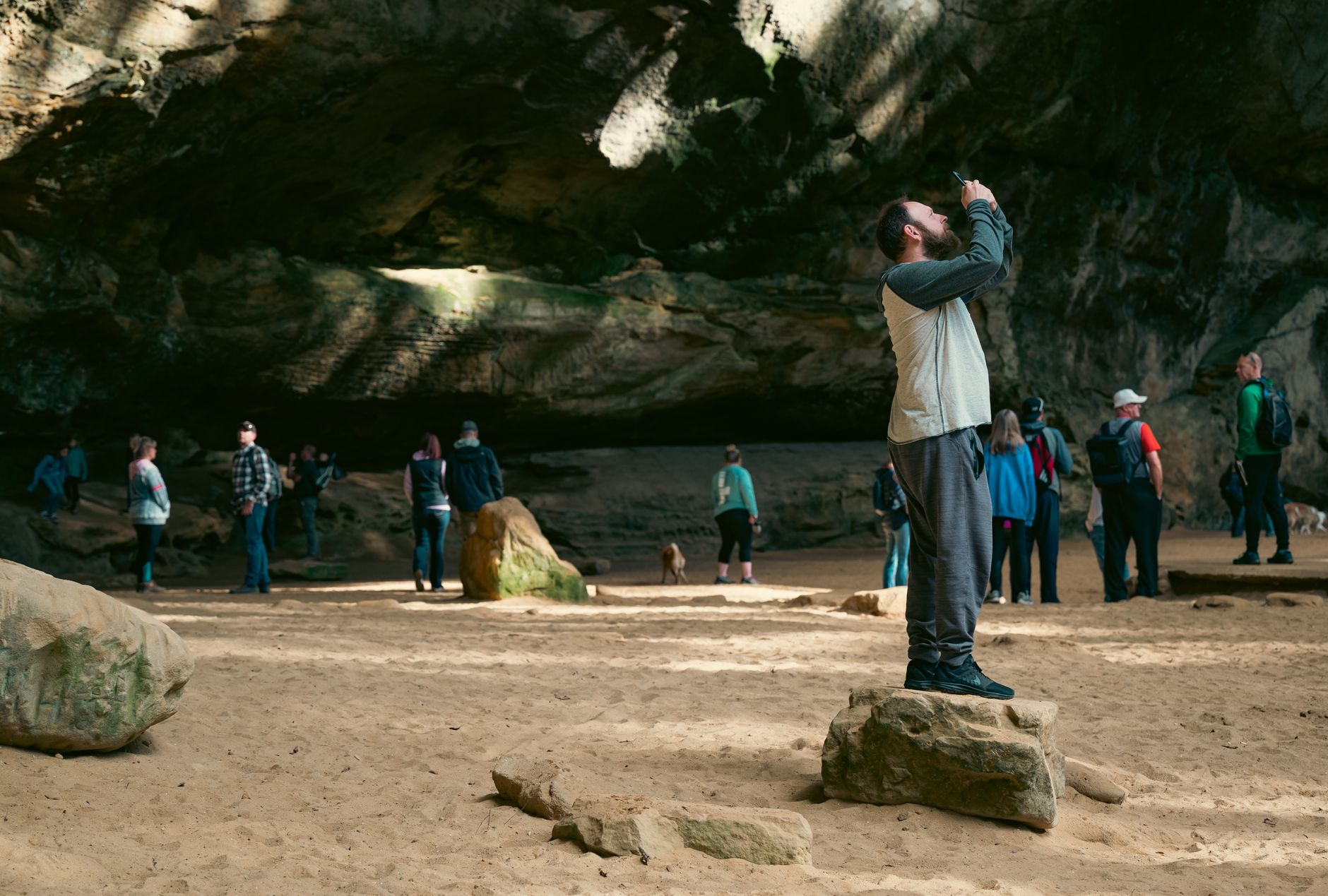

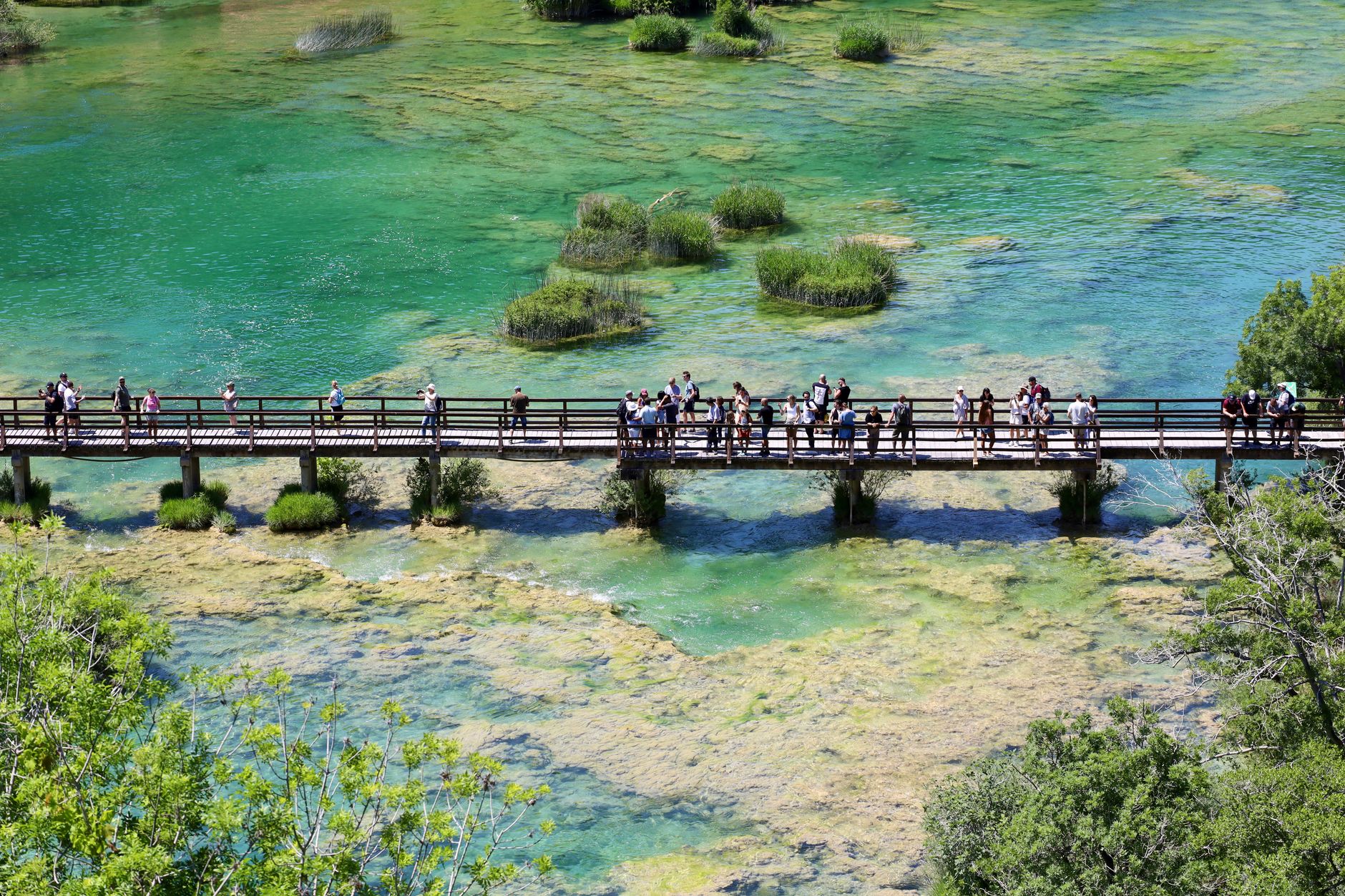
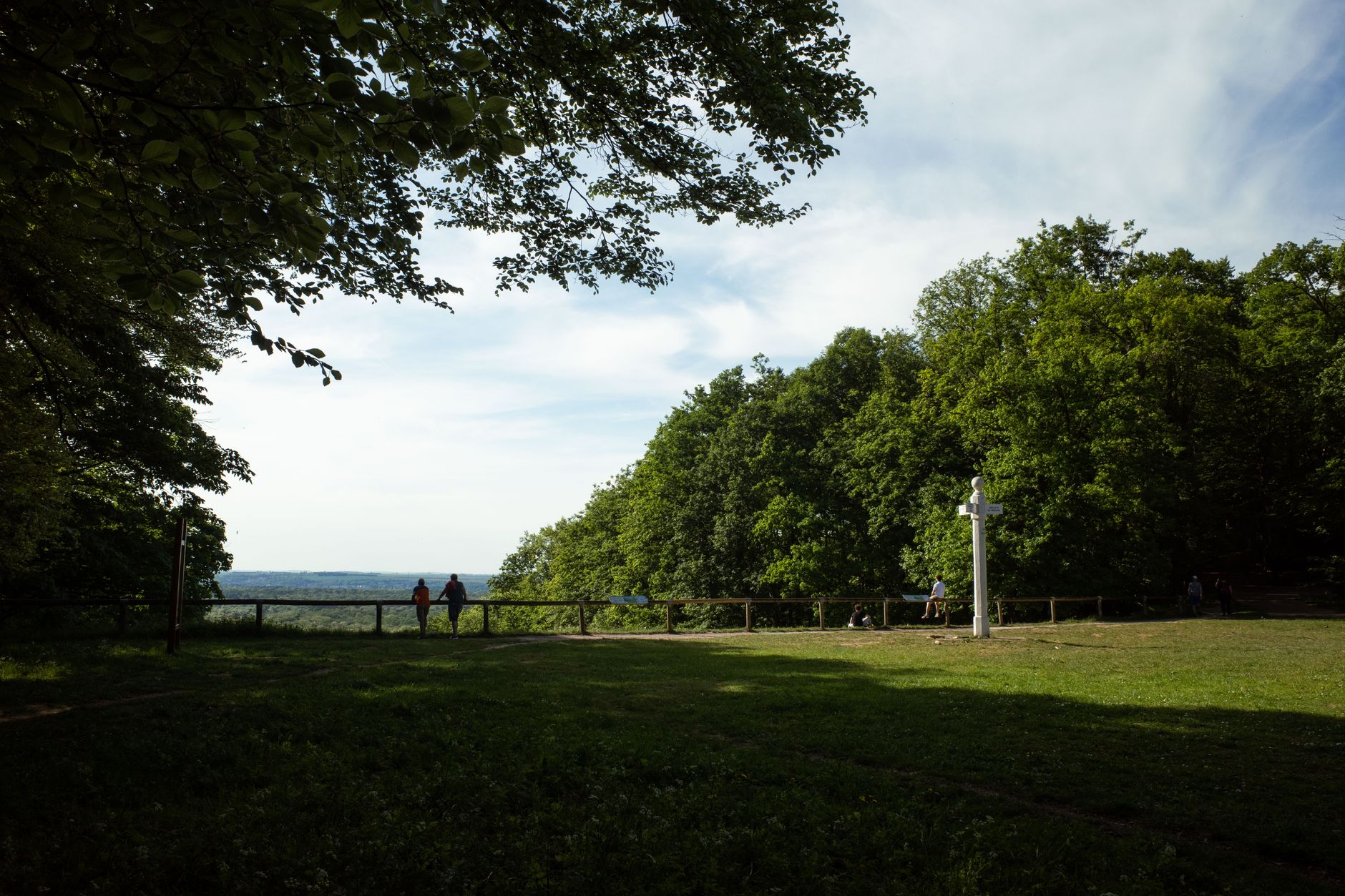
Bükk is the largest continuous forest in Hungary — a limestone plateau rising above the Northern Hungarian hills, threaded by 250 kilometres of marked trails and hollowed beneath by some of the country's most extraordinary cave systems. The plateau itself is quiet in a way that surprises people arriving from Miskolc or Eger: beech canopy closing overhead, the occasional deer trail crossing a clearing, the air noticeably cooler than the plains below.
Down in the valleys, the park shifts register entirely. Narrow-gauge railway carriages rattle through the Szalajka Valley. A waterfall drops twenty metres beside a neo-Renaissance palace hotel at Lillafüred. Caves hold Ice Age bear bones. The scale here rewards slowness — a day is barely an introduction.
💛 What travellers fall for
People who come back tend to do it by season. The snowdrops push up through February snow before almost anything else in Hungary stirs. October brings the beech trees to copper and the trails largely to yourself. The forest railway to Szalajka Valley is worth riding at least once in each direction — the return leg, downhill, moves at a different pace than the climb.
How Bükk National Park came to be
Bükk became a landscape protection area in 1958, when Hungary's post-war industrialisation was at its height and the intact forest cover of the limestone plateau was already unusual enough to warrant legal protection. The elevation to full national park status came in 1977 — making it Hungary's third — a recognition tied partly to the park's geological depth: the cave system beneath the plateau includes Istállós-kő Cave, which yielded Europe's richest concentration of Ice Age fossils, fauna from 30,000 to 40,000 years ago, among them cave bear bones and early tool remnants.
The human layer is older still. The carved niches in the basalt and andesite columns at Szomolya — the so-called beehive stones — are of uncertain origin, their purpose still debated. The Lillafüred Palace Hotel, built between 1927 and 1930 in neo-Renaissance style, brought a different kind of attention to the valleys: a grand resort logic that the forest railway, originally laid for logging, gradually absorbed into leisure.
Who and what shaped it
Landmark buildings
See Bükk National Park in motion
Plan your visit
On the map
When to go
Spring — particularly February into April, when snowdrops emerge as the snow recedes — and early autumn offer the most stable conditions for walking. Summer temperatures can climb above 30°C on the plateau; the caves stay at a steady 10°C year-round, which is either a relief or a reason to bring a layer. Winter closes some attractions to weekends only but leaves the trails open.
Right now
Background & history adapted from Wikipedia (CC BY-SA) · specs from Wikidata (CC0) · weather from Open-Meteo · map data © OpenStreetMap contributors · photos from Wikimedia Commons / Unsplash with per-image credit. No third-party reviews or social posts reproduced.