
Miskolc and Lillafüred
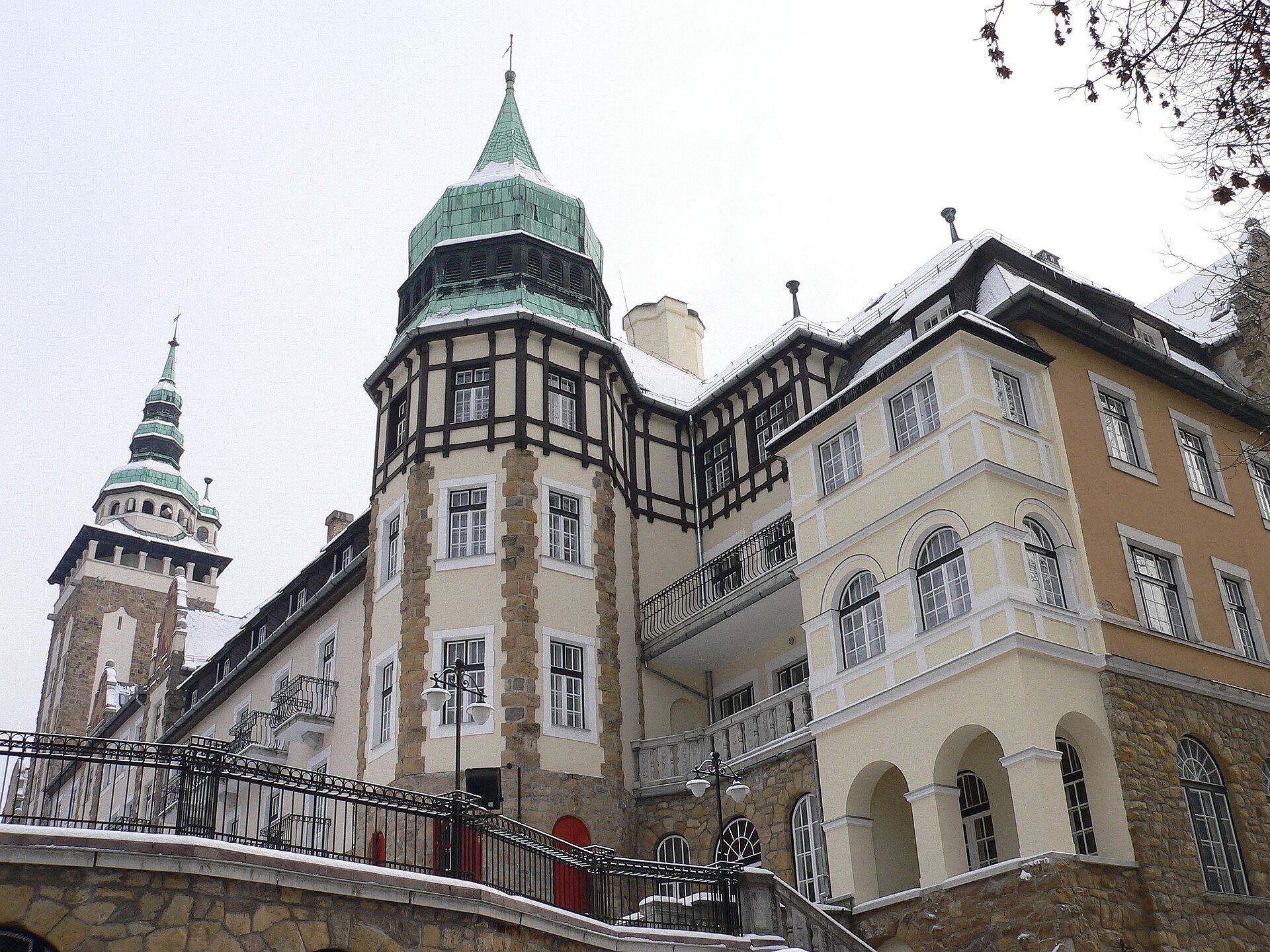
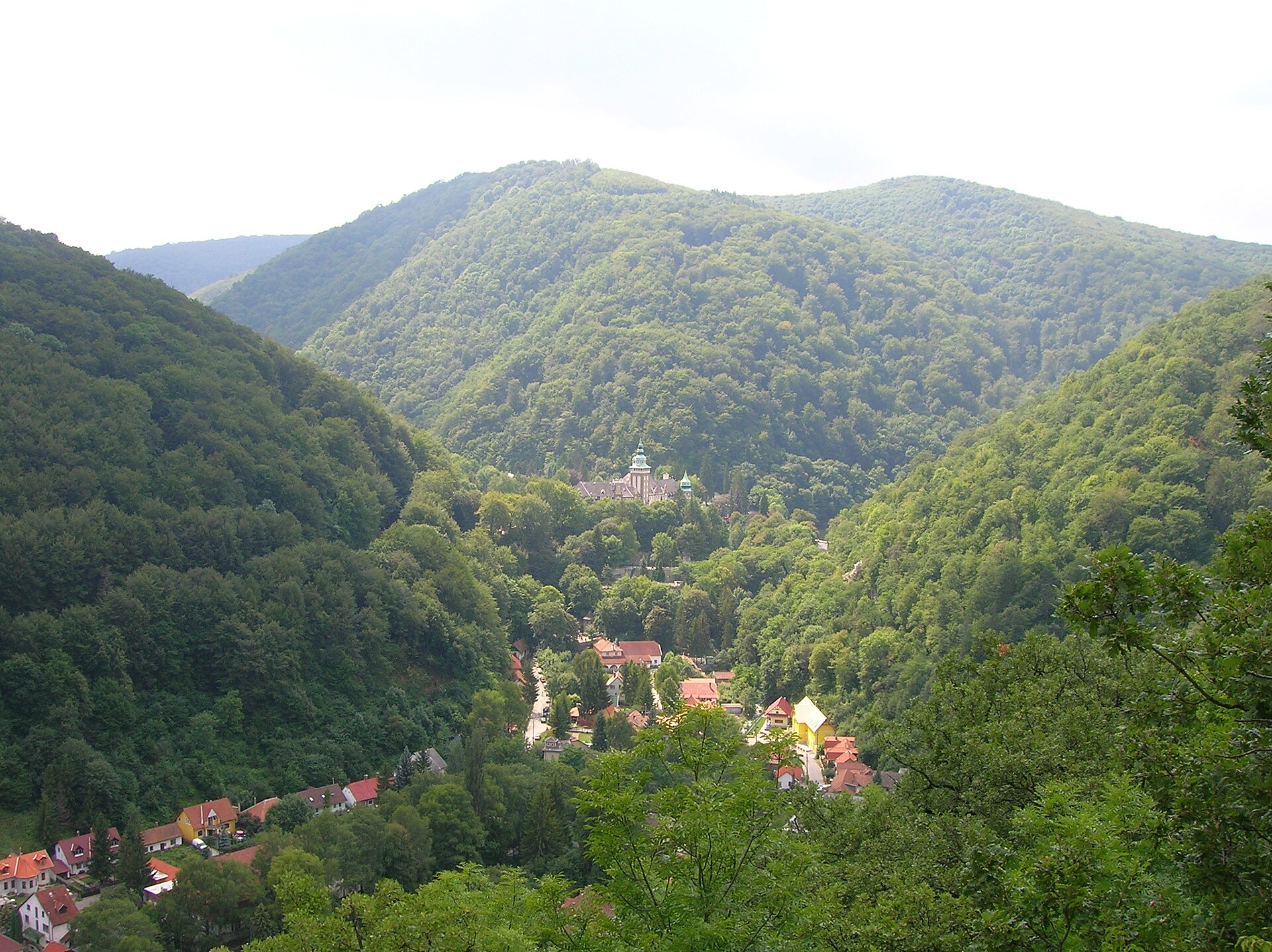
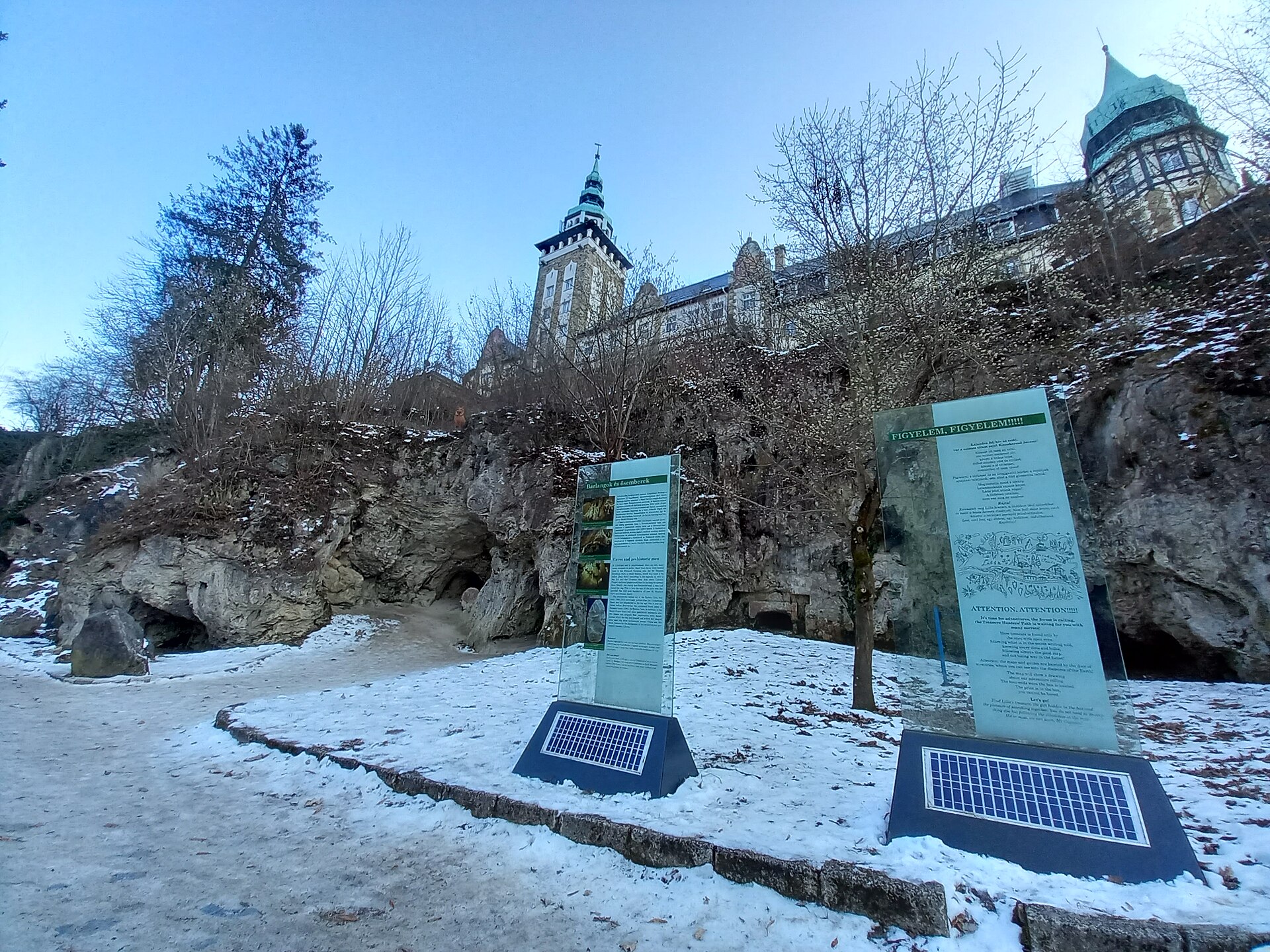
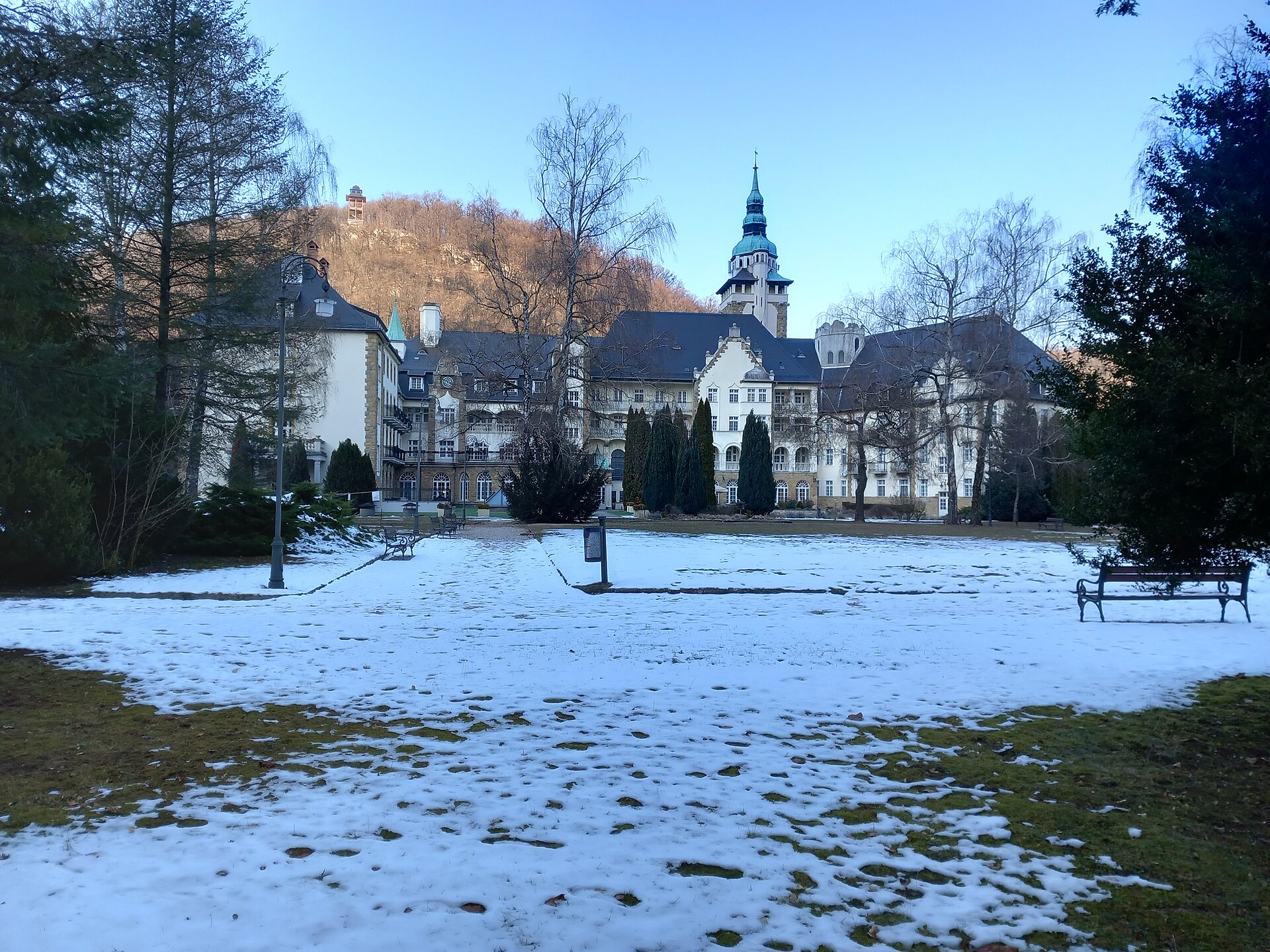
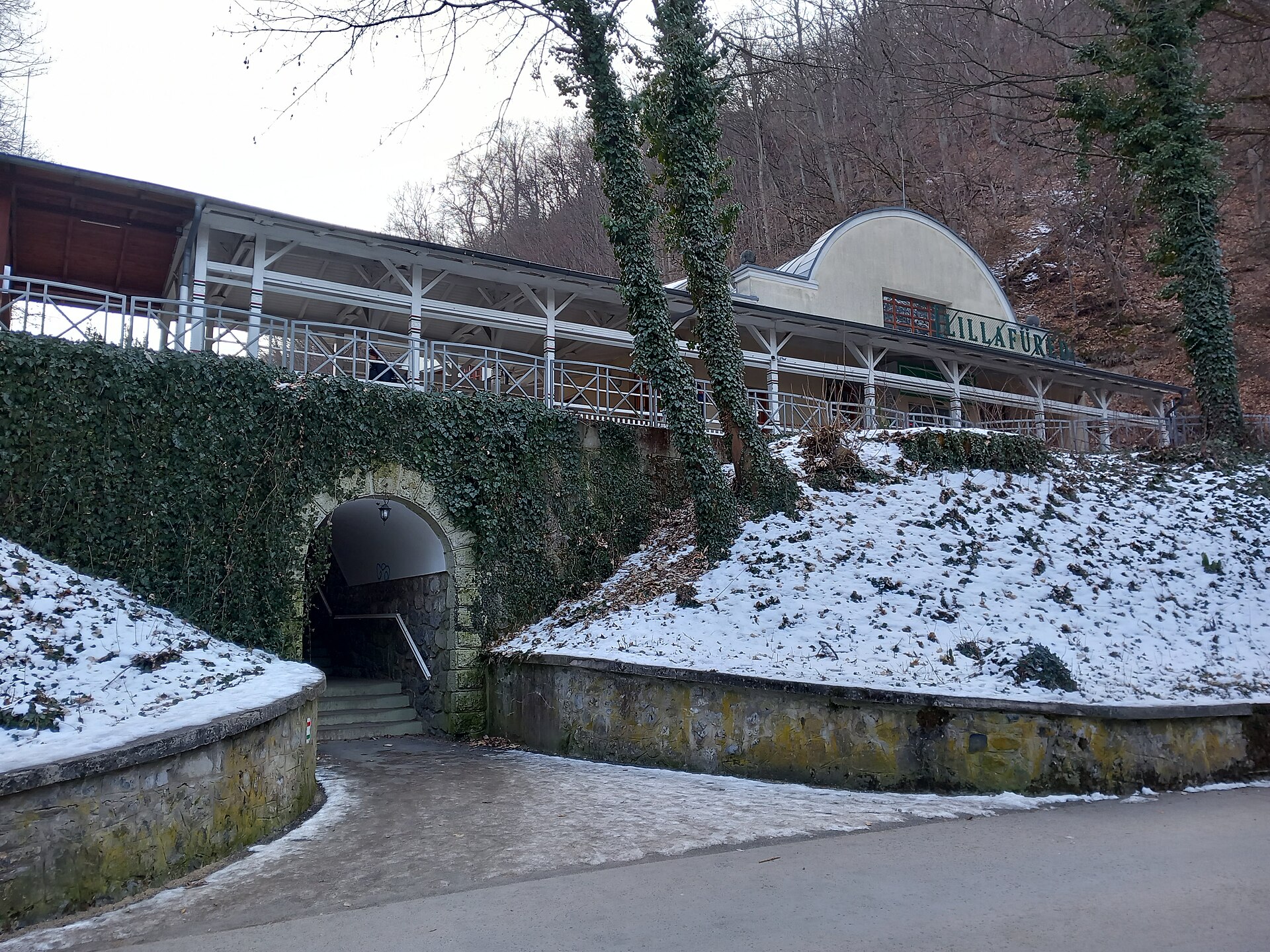
Miskolc sits in a valley between the Bükk and Zemplén hills, Hungary's third-largest city and one that most international travellers pass over entirely — which means you'll have the Gothic Protestant church on Avas Hill, the ruined royal castle at Diósgyőr, and the city's neoclassical theatre largely to yourself. Twelve kilometres into the forest, the road climbs to Lillafüred, where a neo-Renaissance palace hotel rises above an artificial lake and Hungary's tallest waterfall drops twenty metres into the Szinva stream. The two places are best understood as one destination: a working industrial city with genuine old bones, and a forested resort that István Bethlen's government built between 1927 and 1930 as a retreat from it.
How Miskolc and Lillafüred came to be
Miskolc appears in the Gesta Hungarorum around 1173 and earned market-town status in 1365 under King Louis I, who was simultaneously turning the castle at nearby Diósgyőr into a Gothic royal retreat. The Ottomans took the city in 1544 and it paid taxes to the empire until 1687. A theatre was inaugurated in 1823 by playwright Károly Kisfaludy — the first permanent stone theatre in Hungary — and the city that emerged from the 19th century was already an industrial one, scarred by a catastrophic flood in 1878 and reshaped by tram lines by 1897.
Lillafüred is a younger, more deliberate creation. Count András Bethlen, Minister of Agriculture in the 1890s, chose the forested valley above Lake Hámori for a resort and named it after his niece Erzsébet, whose nickname was Lilla. The palace hotel was designed by architect Kálmán Lux and built between 1927 and 1930, opening on Pentecost Sunday in June 1930. The poet Attila József attended a writers' congress there in 1933 and wrote his poem 'Ode' on the grounds. In 2015 the hotel was designated a national treasure of the Hungarian Heritage Collection.
Who and what shaped it
People who shaped it
Landmark buildings
See Miskolc and Lillafüred in motion
Plan your visit
On the map
When to go
Summers in the Bükk hills are warm but rarely extreme, and the forest canopy around Lillafüred keeps temperatures a degree or two cooler than the city below. Winters bring reliable snowfall and short days; the valley can feel raw from November through March.
Right now
Background & history adapted from Wikipedia (CC BY-SA) · specs from Wikidata (CC0) · weather from Open-Meteo · map data © OpenStreetMap contributors · photos from Wikimedia Commons / Unsplash with per-image credit. No third-party reviews or social posts reproduced.