
Tokaj Wine Region
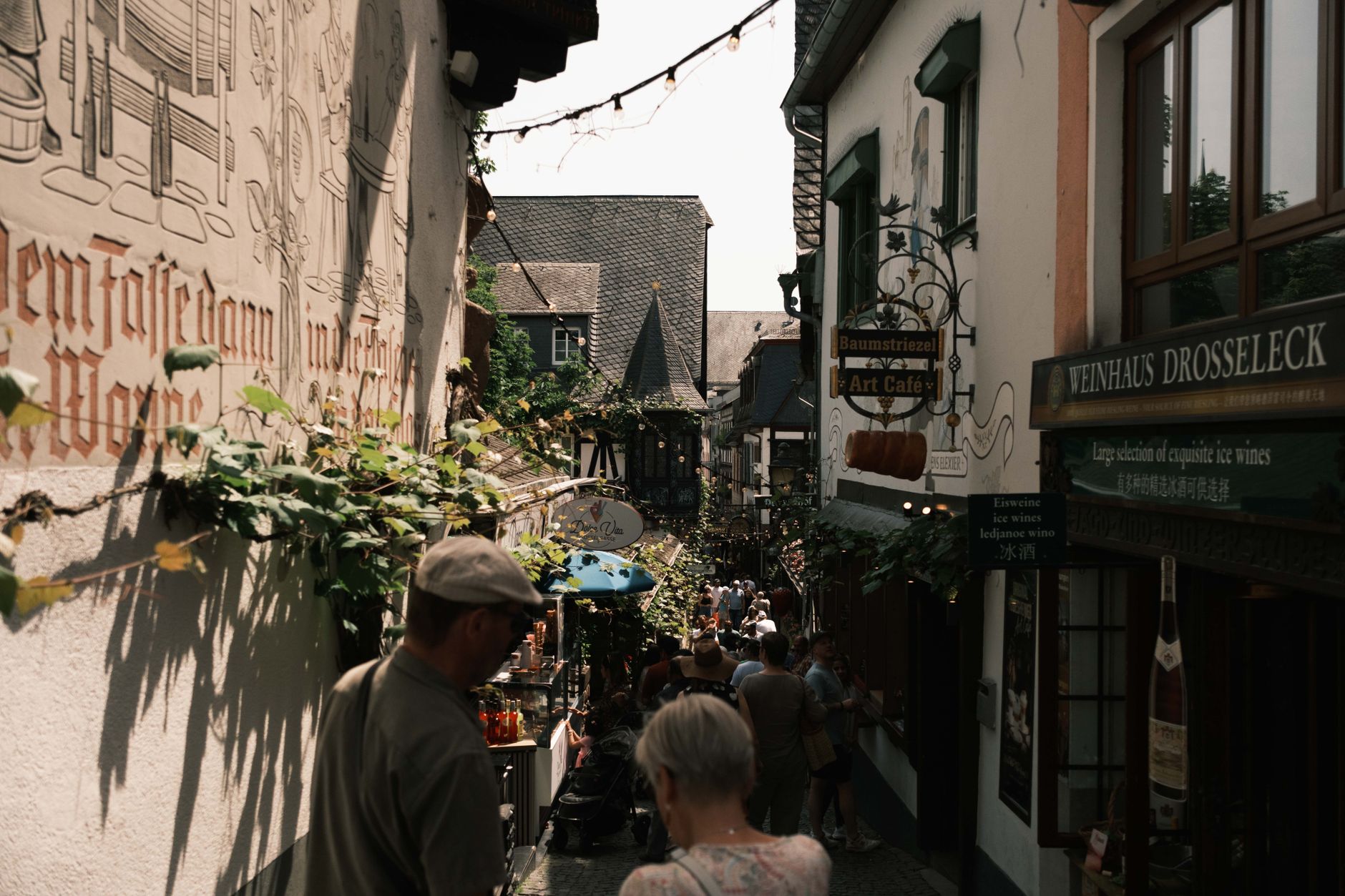
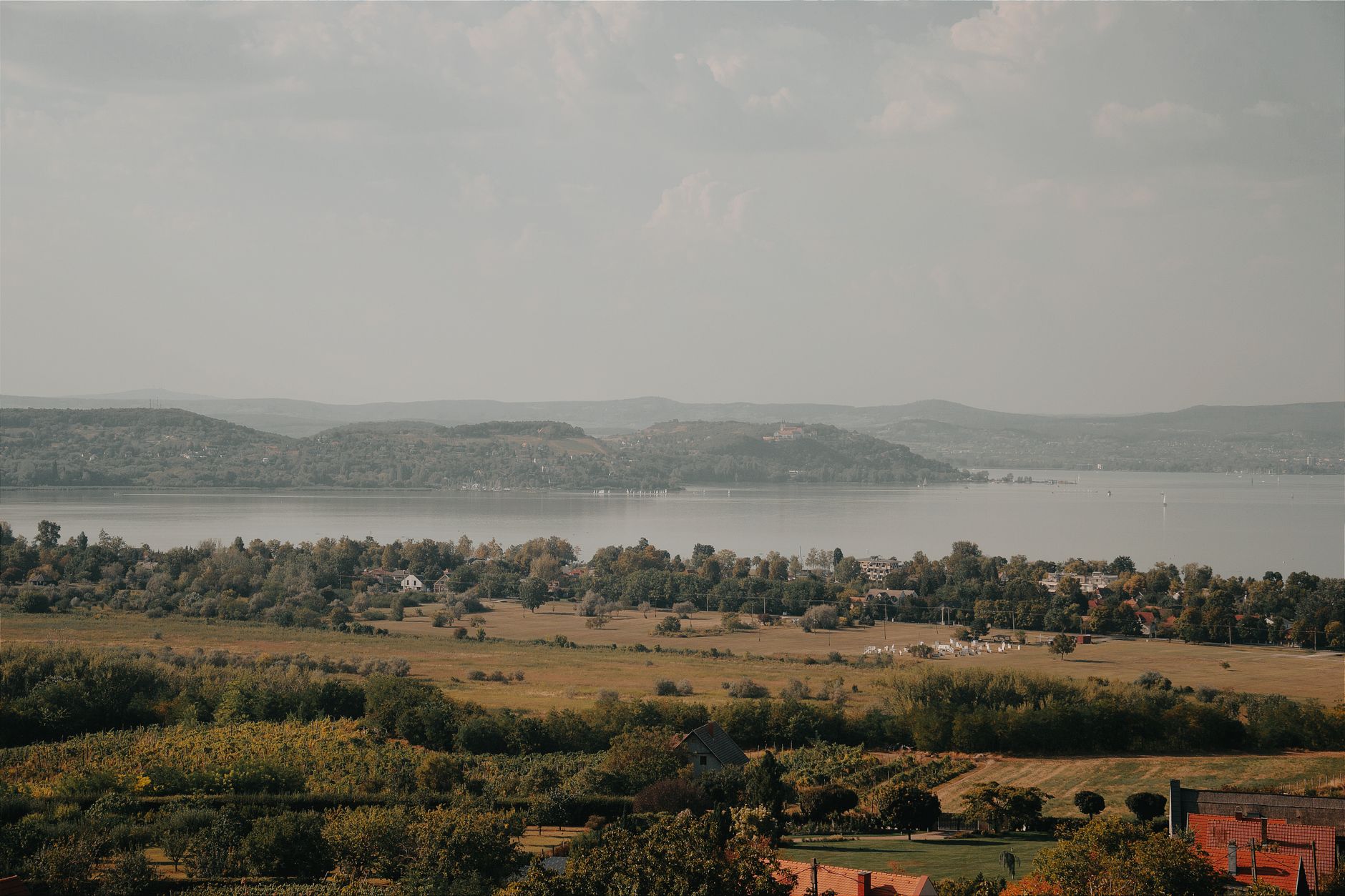
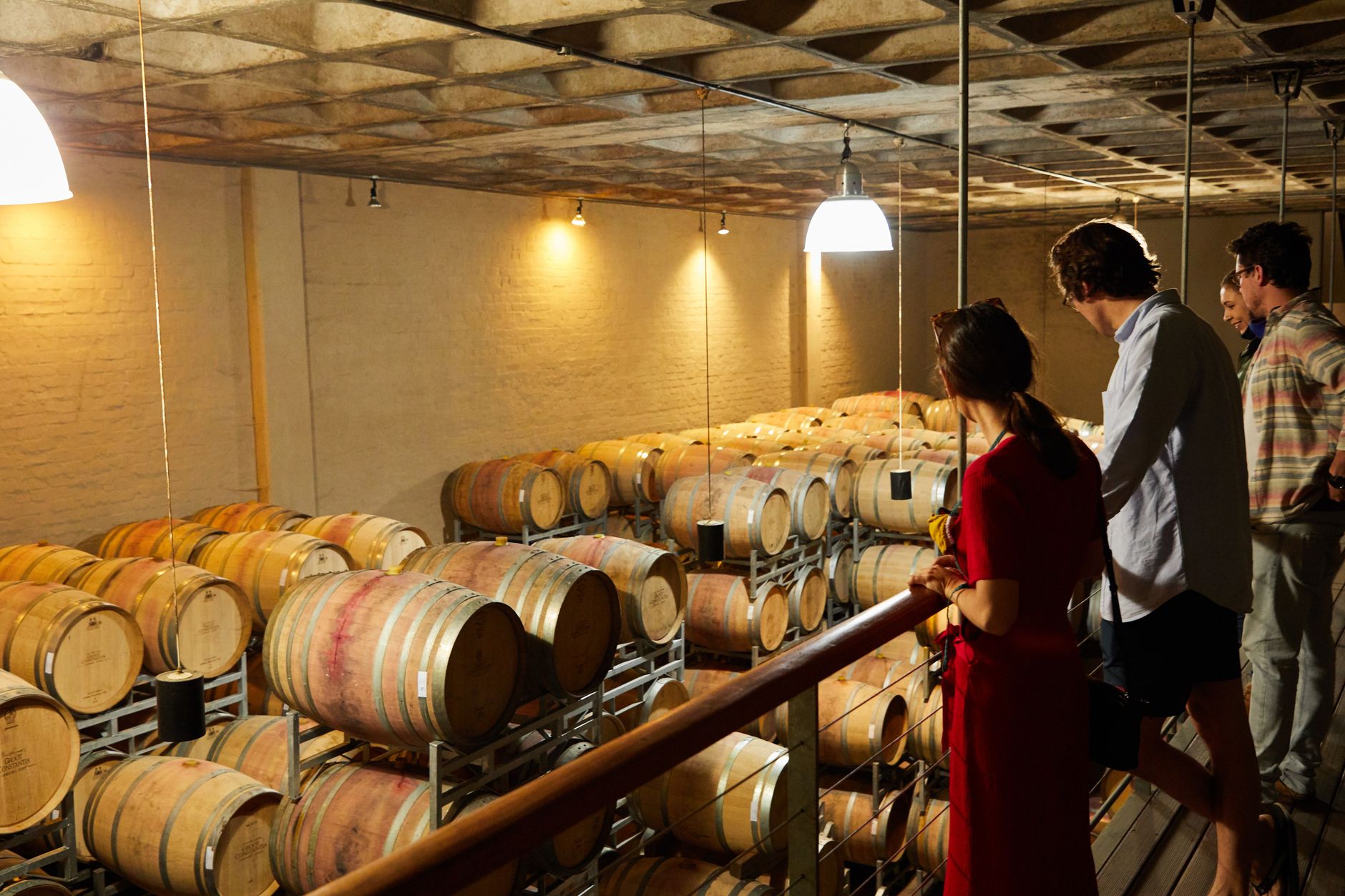
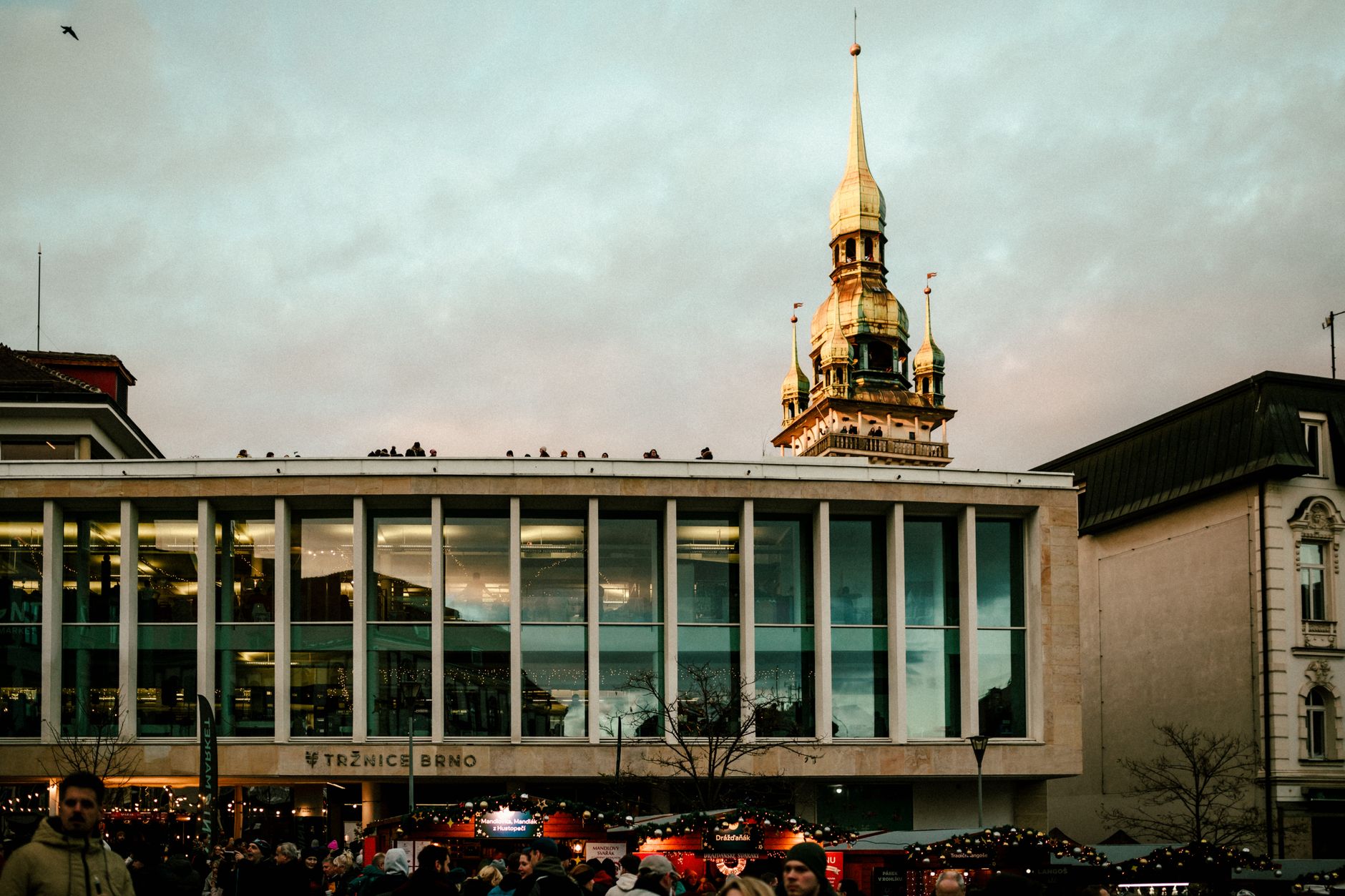
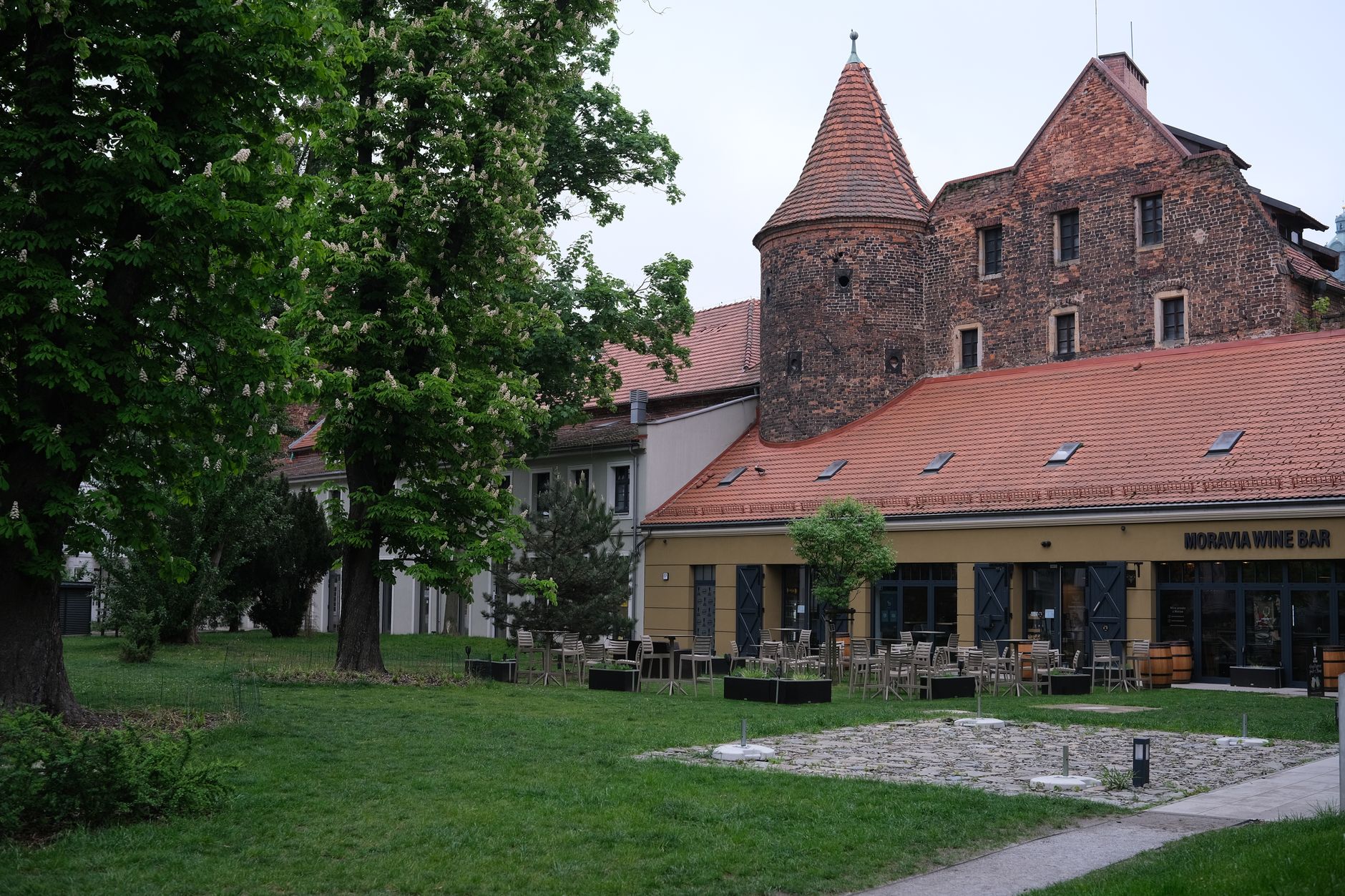
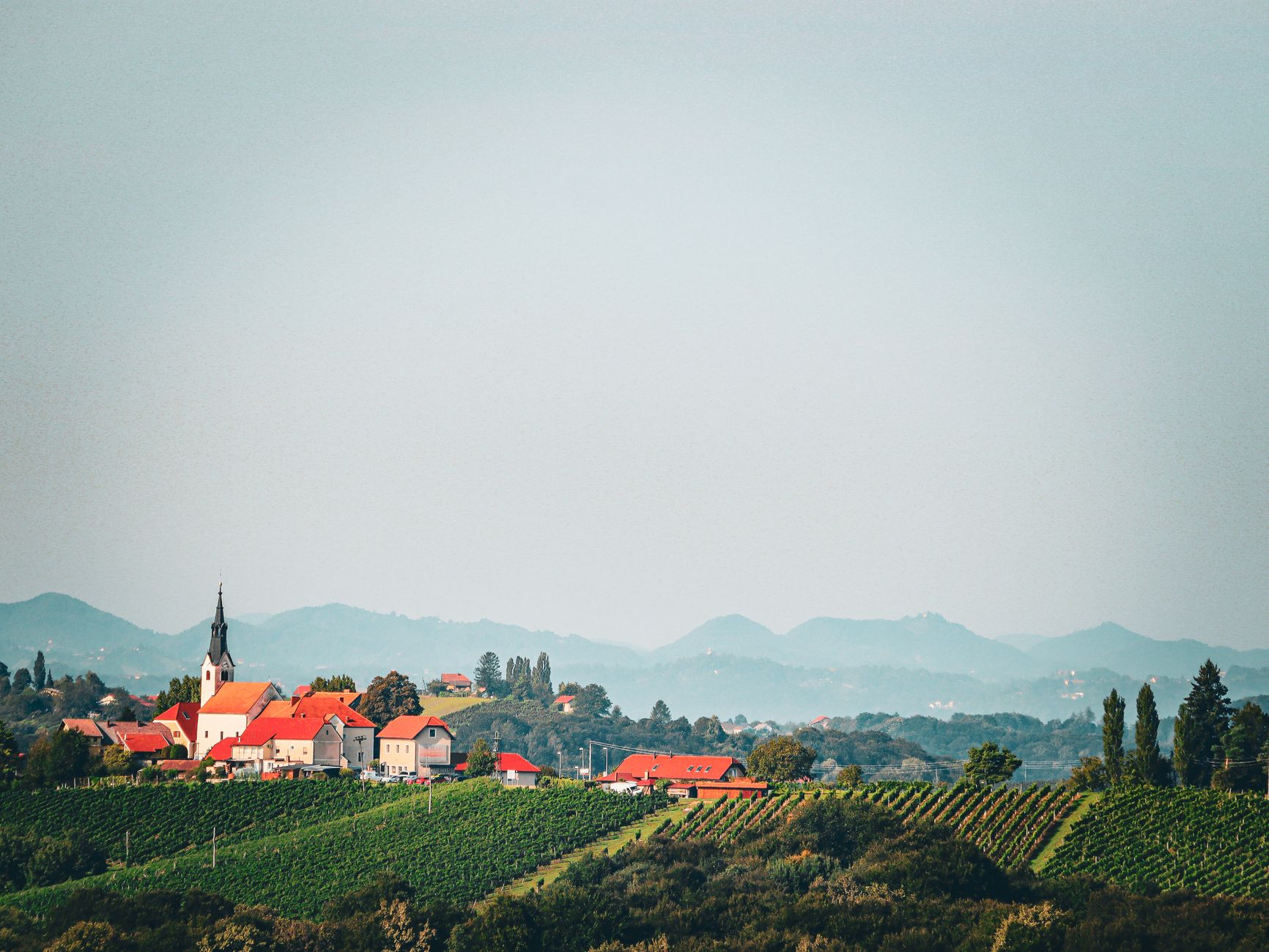
The wine that once stocked the cellars of Russian tsars and French kings begins here, in a fold of volcanic hills where the Bodrog and Tisza rivers meet. The region's 28 villages and some 5,500 hectares of active vineyard sit on rock so dense it needs no support beams — which is why the underground cellars, some carved by hand from the 13th century, run for thousands of feet without a single pillar holding them up.
This is aszú country: the sweet, botrytis-affected wine that depends on damp autumn fog rolling off the rivers to coax the noble rot onto the Furmint grapes. The landscape earned UNESCO World Heritage status in 2002, and the story it tells is long — first documented in a court case from 1381, regulated by imperial decree in 1737.
💛 What travellers fall for
People who return tend to skip the largest estates on a second trip and go looking for family cellars in the smaller villages instead. Olaszliszka, halfway along the main road, is worth the stop. Two days is the honest minimum — one day and you're just ticking boxes.
How Tokaj Wine Region came to be
Vine growing in this stretch of northeastern Hungary traces at least to Roman times — a petrified grape leaf from the late 3rd century AD was found at Erdőbénye. Large-scale cultivation accelerated with Walloon settlers in the 13th century, who began cutting the first underground cellars, and the word 'aszú' appears in a family will as early as 1571. The 17th-century Rákóczi princes were the region's great patrons, building cellars and castles and persuading Parliament to regulate the aszú harvest.
On October 1, 1737, Emperor Charles VI drew the first formal boundary around Tokaj — one of the earliest demarcated wine regions in the world. Communist collectivisation stalled the tradition, but after 1989 foreign investors, including the consortium behind the Royal Tokaji Wine Company, brought capital and restored serious aszú production.
Who and what shaped it
People who shaped it
Landmark buildings
See Tokaj Wine Region in motion
Plan your visit
On the map
When to go
Summers are hot and dry, with August pushing 30°C; spring and early summer are good for vineyard walks, while September and October bring the harvest and the particular damp, foggy mornings that make botrytis — and therefore aszú — possible. Winters are cold and quiet, best suited to cellar tastings rather than outdoor exploration.
Right now
Background & history adapted from Wikipedia (CC BY-SA) · specs from Wikidata (CC0) · weather from Open-Meteo · map data © OpenStreetMap contributors · photos from Wikimedia Commons / Unsplash with per-image credit. No third-party reviews or social posts reproduced.