
Eger
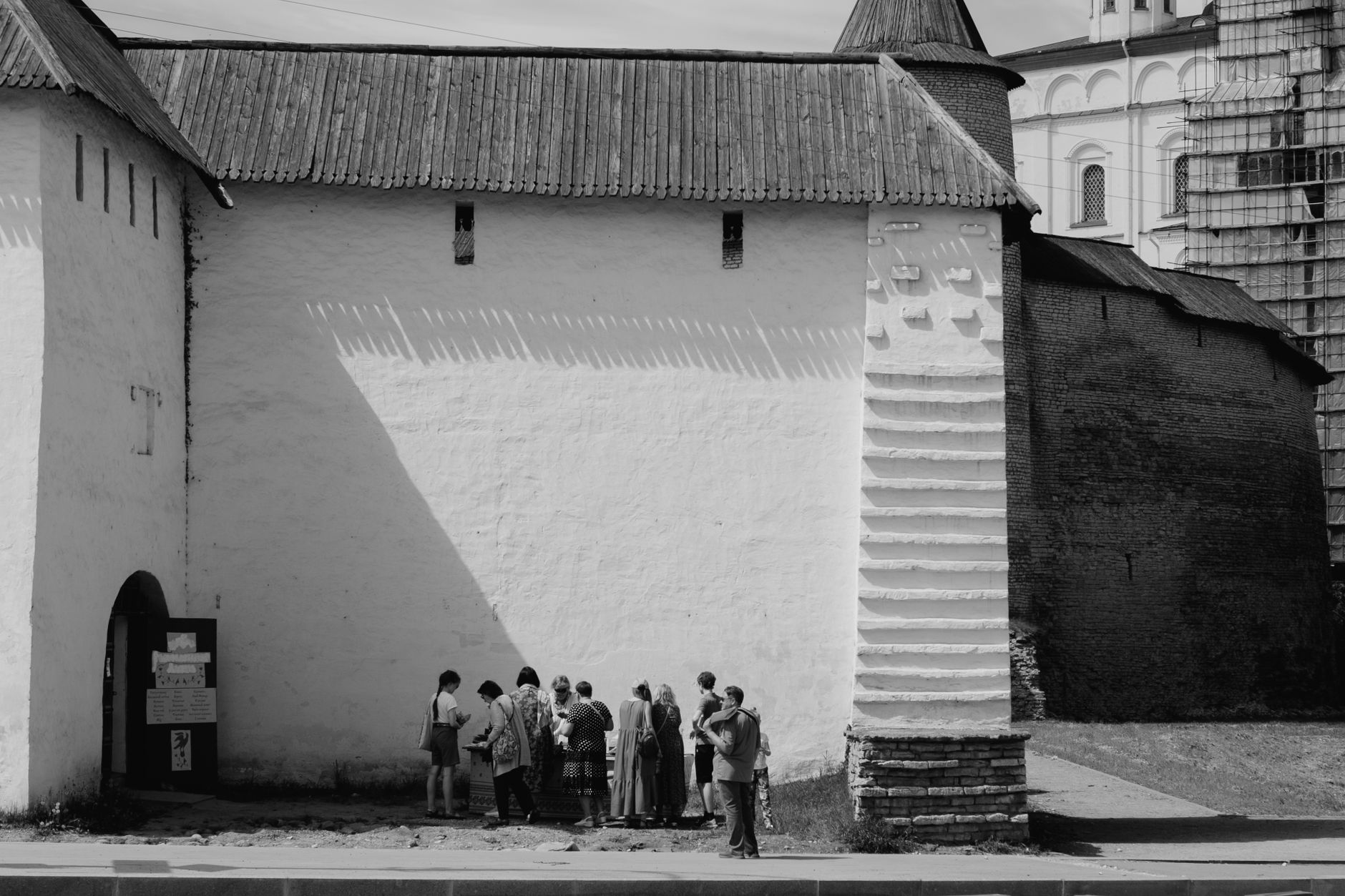
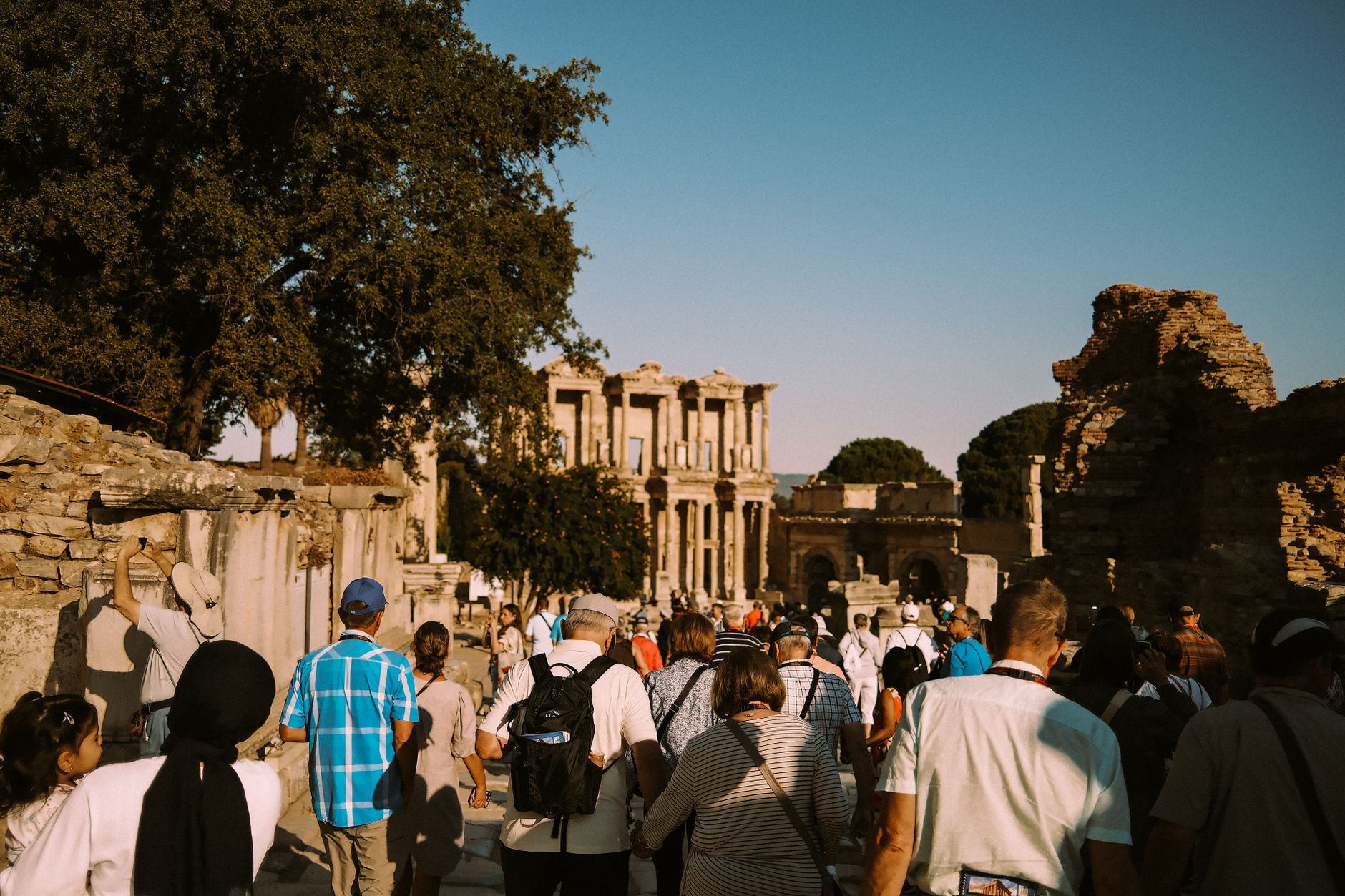
Eger announces itself with a minaret wearing a cross — a 35-metre Ottoman tower, the northernmost the empire ever raised, now topped with a Christian symbol after the Turks left in 1687. That layering is the whole story of the town in one slender column of stone. Baroque churches, a fortress that held against an overwhelming Ottoman siege in 1552, thermal pools fed by underground springs, and 96 kilometres of tunnels beneath the streets: Eger compresses an improbable amount of history into a compact, walkable centre that most visitors underestimate on arrival.
The surrounding hills produce Egri Bikavér — Bull's Blood — one of Hungary's most recognisable red wines, and the valley of cellars on the western edge of town is where you drink it closest to the source. Eger reads small but rewards slow attention.
💛 What travellers fall for
People who come back tend to time a return around the Lyceum's camera obscura on a clear morning — the live image of the city projected onto a white table in the tower room is one of those quietly astonishing things that photographs don't capture. The Valley of the Beautiful Women cellar district is best on a weekday afternoon, when the crowds thin and the cellar owners have time to talk.
How Eger came to be
St. Stephen, Hungary's first Christian king, founded an episcopal see here in the late tenth century, and the earliest cathedral rose on the hill that now holds Eger Castle. Walloon settlers arrived in the eleventh and twelfth centuries, bringing viticulture with them. The Mongols burned the town in 1241; King Béla IV ordered a stone fortress built soon after.
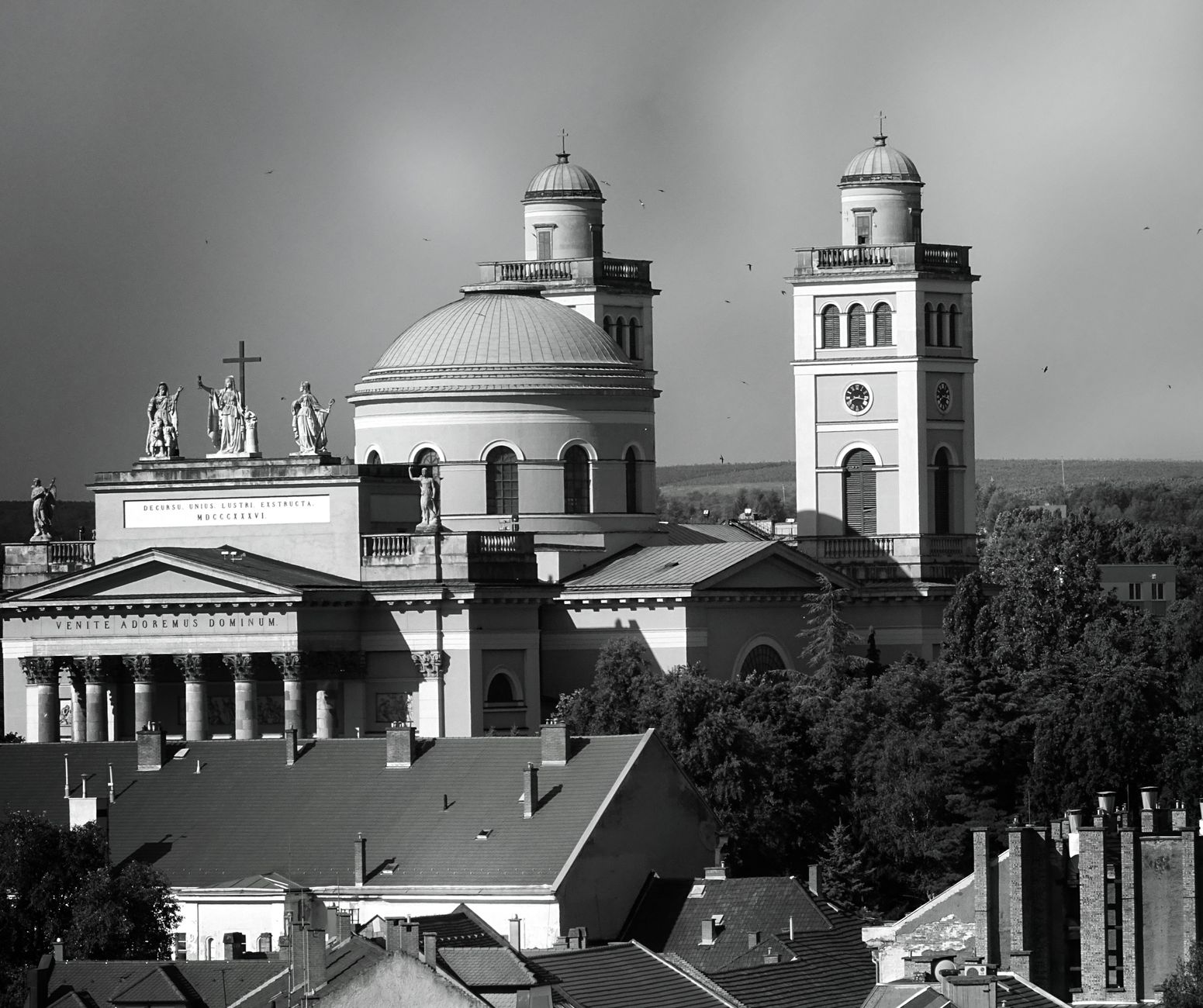
The siege of 1552 is the episode Hungarians still know by heart: Captain István Dobó and a small garrison held the castle against a vastly larger Ottoman force. The fortress fell eventually, in 1596, and ninety-one years of Turkish occupation followed — long enough to leave the minaret standing. After 1688 the town rebuilt fast in Baroque, and by 1787 its population had grown from 1,200 to over 17,000. The Basilica of St. John the Apostle, designed by József Hild and completed in 1837, became the second largest church in Hungary.
Who and what shaped it
People who shaped it
Landmark buildings
See Eger in motion
Plan your visit
On the map
When to go
Summers are warm and dry, with July highs around 28°C — good walking weather, though the castle hillside offers little shade. Winters are cold and occasionally sharp, dropping to -4°C at night in January; the thermal baths earn their keep from October onward.
Right now
Background & history adapted from Wikipedia (CC BY-SA) · specs from Wikidata (CC0) · weather from Open-Meteo · map data © OpenStreetMap contributors · photos from Wikimedia Commons / Unsplash with per-image credit. No third-party reviews or social posts reproduced.