
Szentendre
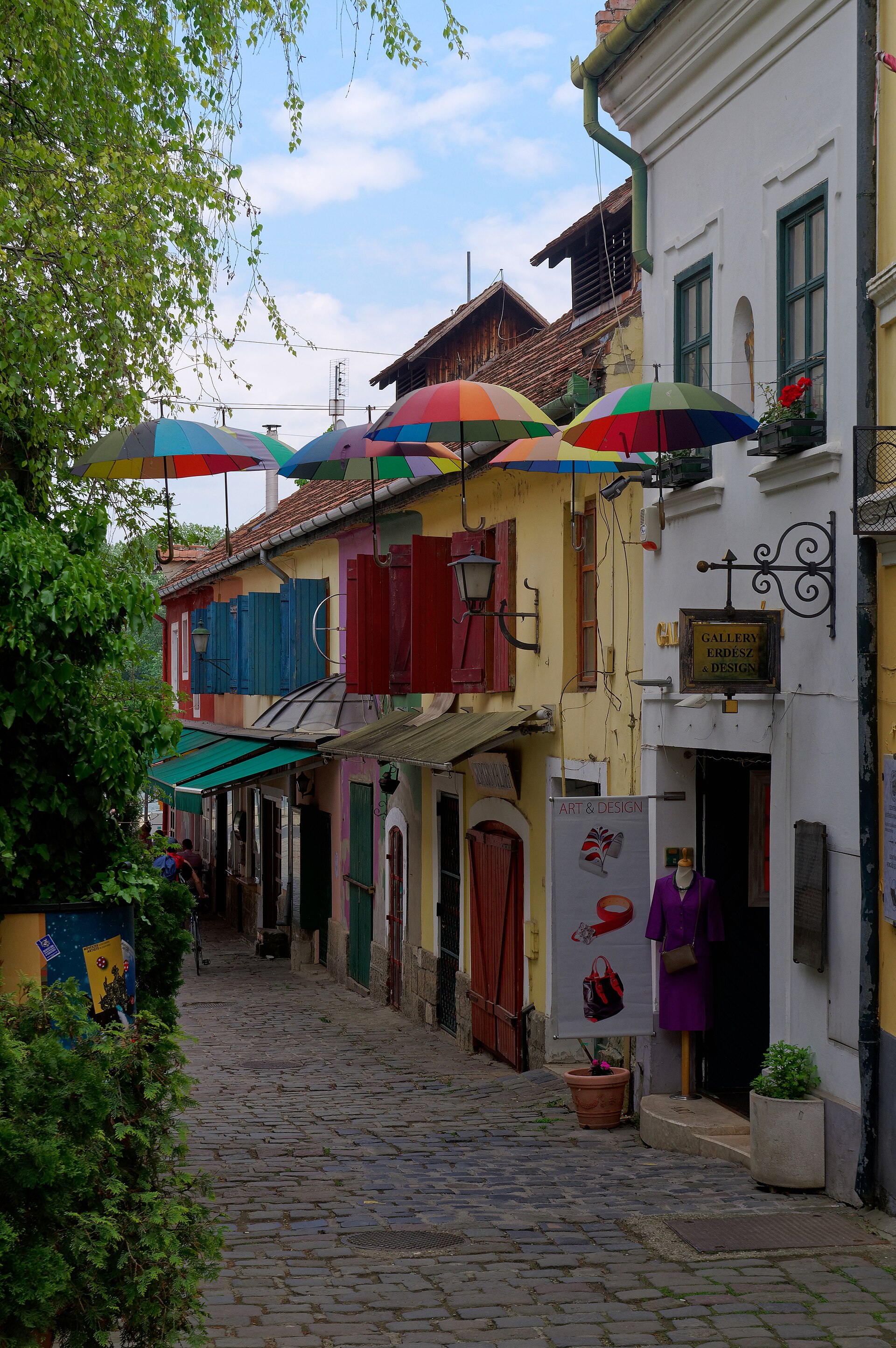
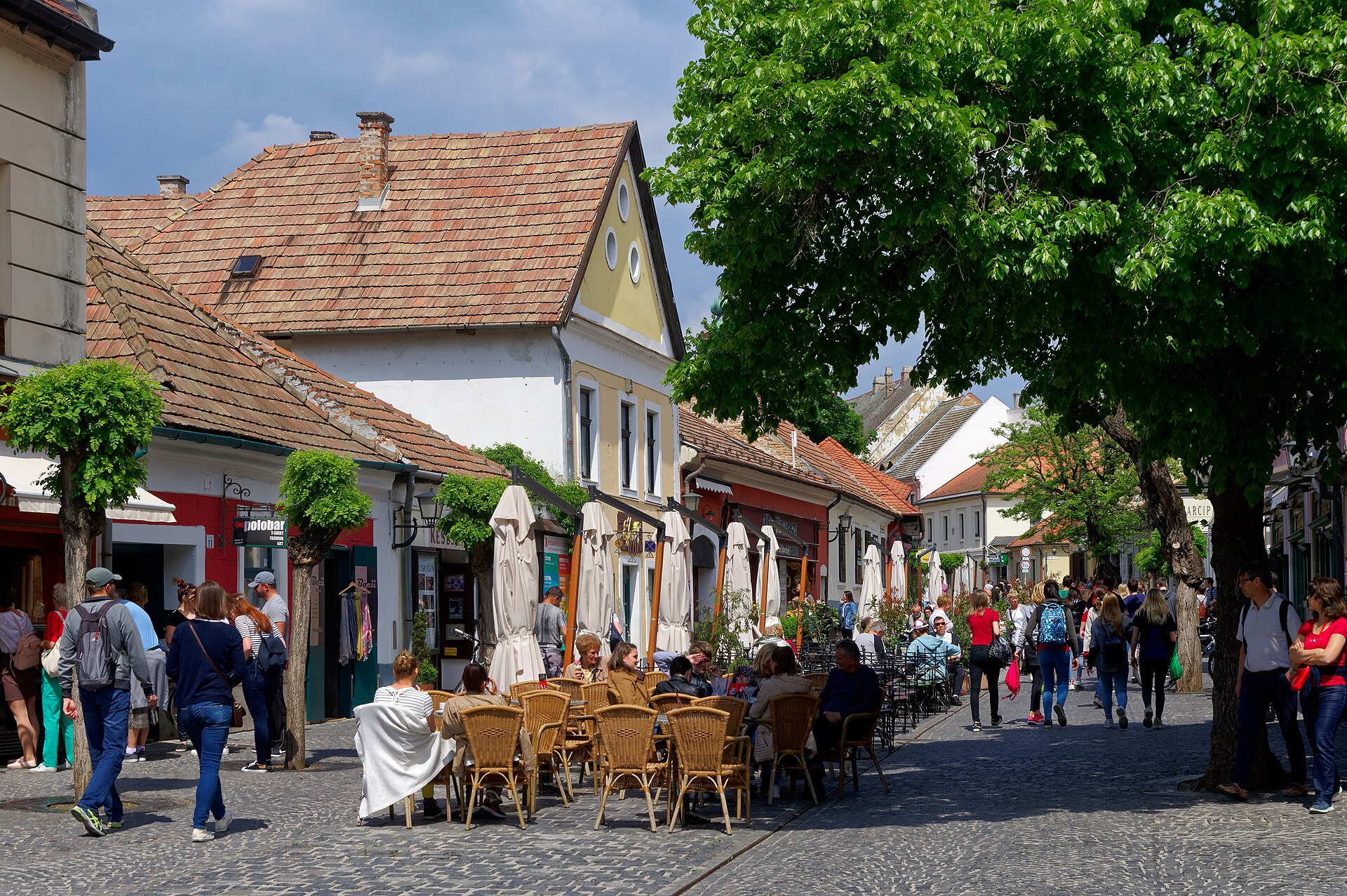
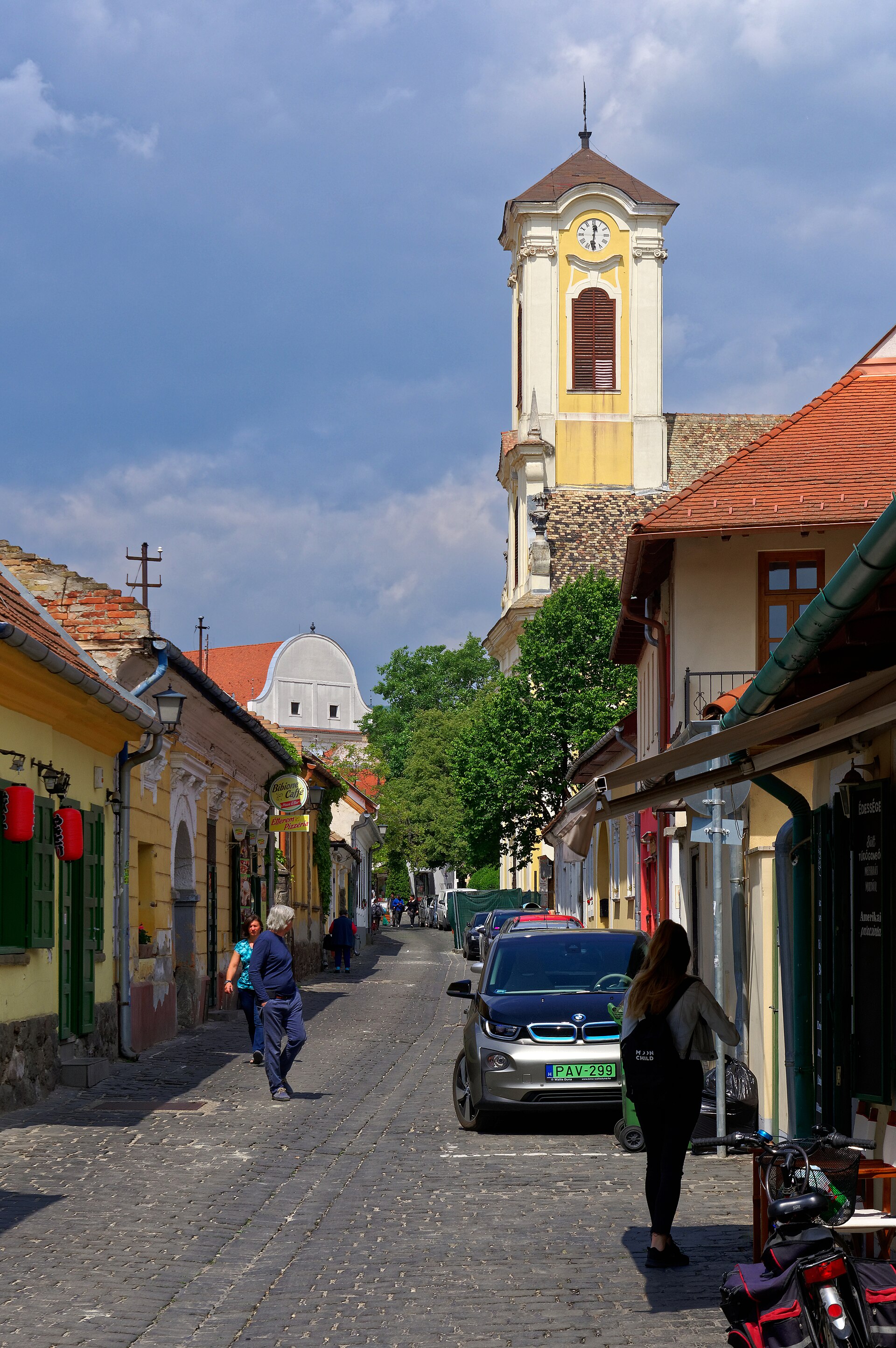
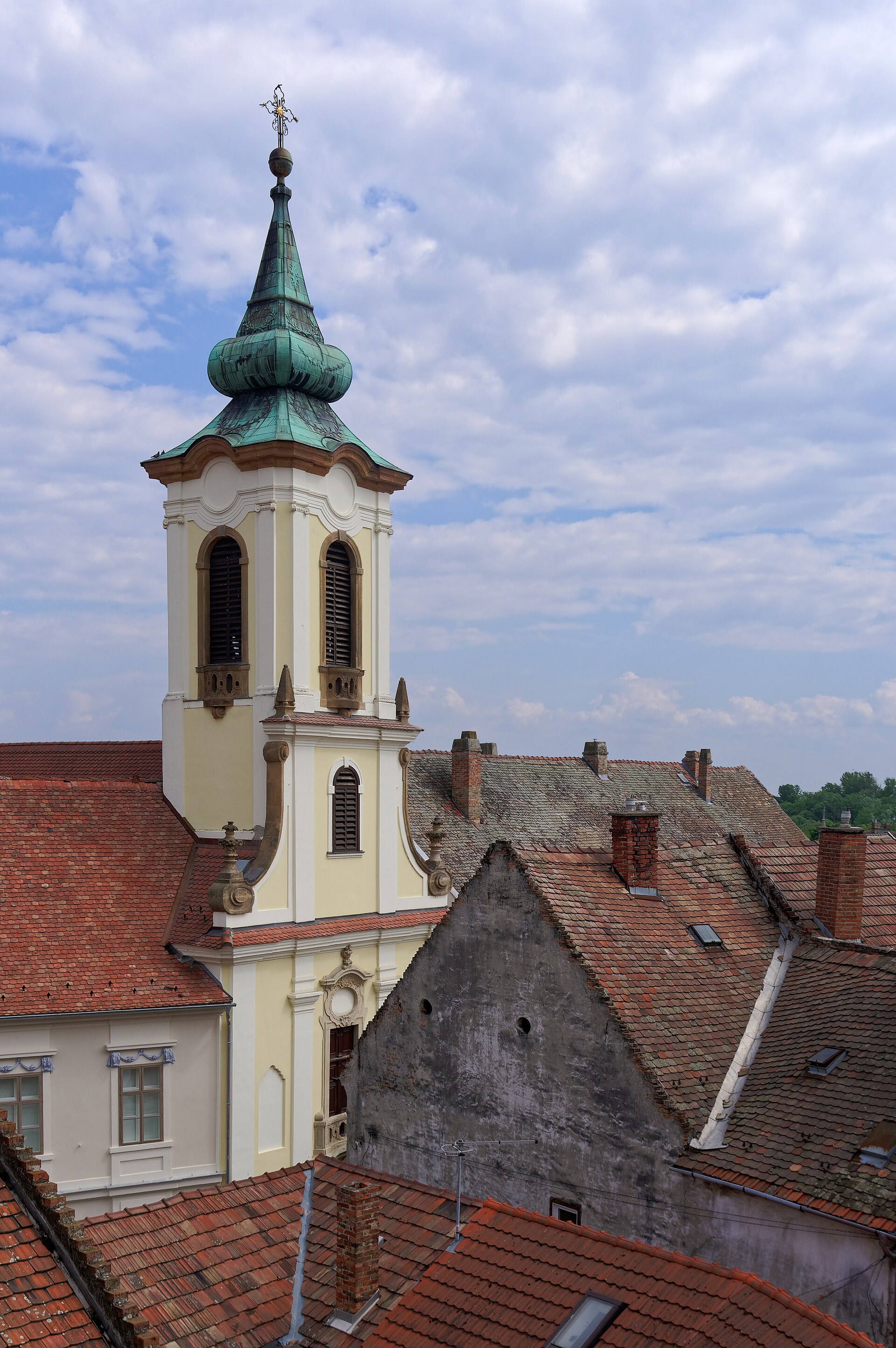
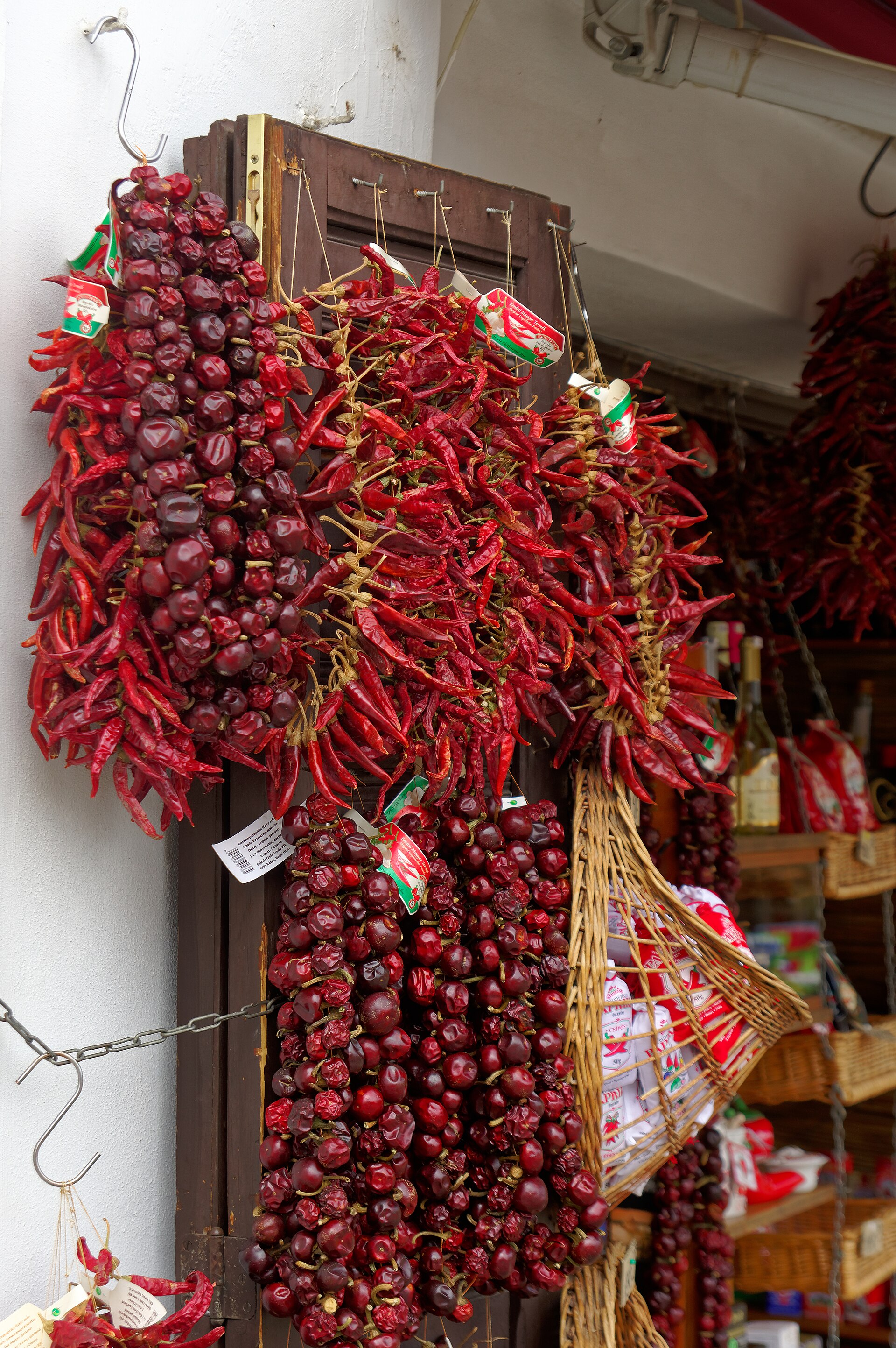
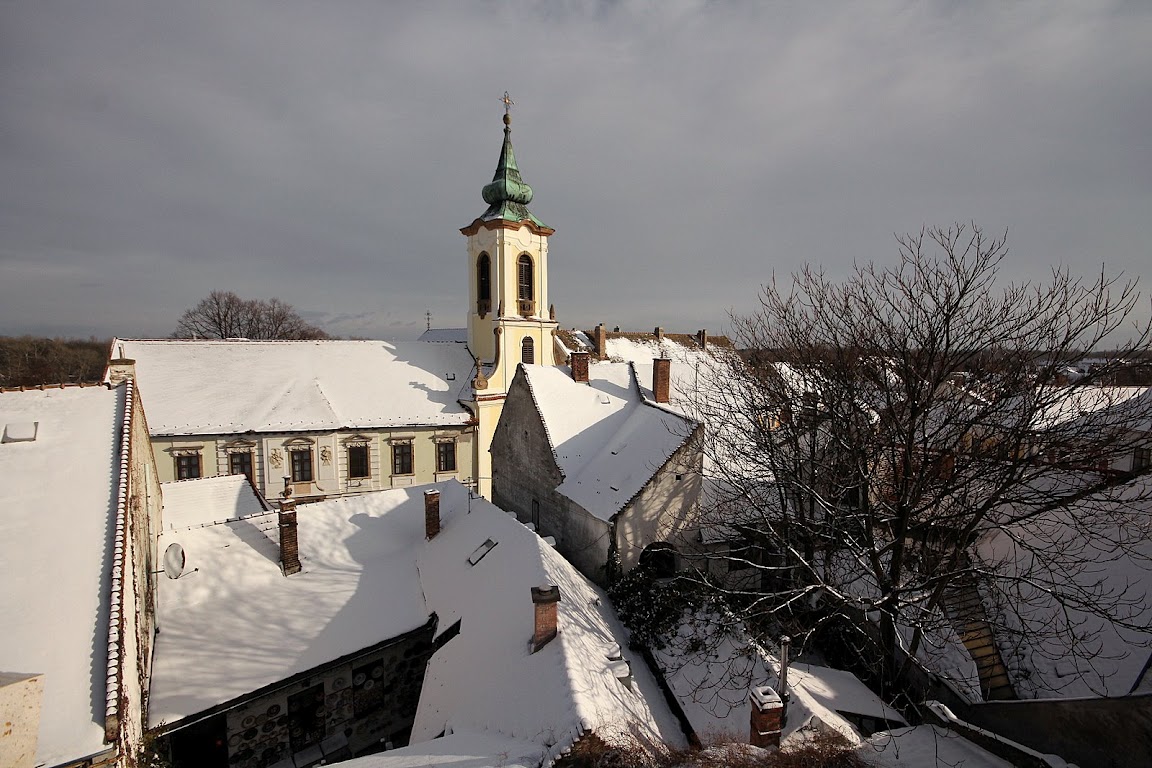
Szentendre sits on the Danube's western bank about forty minutes north of Budapest by suburban rail, and the first thing you notice is how many church towers compete for the skyline — nine in a town you can cross on foot in twenty minutes. The Serbian Orthodox community that arrived in waves from the fourteenth century onward left that skyline, along with the Baroque merchant houses, the ornate iconostases, and a particular quality of afternoon light on the main square.
In 1926 a colony of painters settled here, and the art has never really left. Ceramic studios, small museums dedicated to individual artists, a former sawmill turned exhibition space — Szentendre rewards the slow walker who keeps ducking through doorways.
💛 What travellers fall for
Regulars tend to arrive on a weekday morning, when the main square belongs to locals rather than tour groups. The Barcsay Collection gets mentioned a lot — it's quiet, the works were chosen by the artist himself, and it rarely has a queue. The H5 back to Batthyány tér runs late enough that a long lunch is never a gamble.
How Szentendre came to be
People have lived on this bend of the Danube since the Iron Age — Illyrians, then the Celtic Eravisci, then Roman legionaries who built the fortress Ulcisia Castra as part of the Danube limes under Augustus. The first written record of the town by name comes from 1009, when King Stephen I granted it to the Episcopate of Veszprém. Serbian Orthodox Christians began arriving in the fourteenth century, fleeing Ottoman expansion, and a much larger wave came in 1690 during the Great Turkish War. They built the churches, the merchant houses, and the Baroque streetscape that defines the town today.
By the nineteenth century floods, fires and the 1880 phylloxera epidemic had hollowed out the wine trade and left the town quieter. That quietness, and the quality of the light, drew painters. When the 1920 Trianon treaty reordered borders, artists from the displaced Nagybánya colony regrouped here, founding the Szentendre Art Colony in 1926. Béla Czóbel — who had stood alongside Matisse and Derain at the 1905 launch of Fauvism in Paris — eventually made the town his home.
Who and what shaped it
People who shaped it
Landmark buildings
See Szentendre in motion
Plan your visit
On the map
When to go
Spring and early autumn are the most comfortable seasons: mild temperatures, manageable crowds, and the riverside light at its best. Summer brings heat and significantly more day-trippers; winter is cold but the town is peaceful, and the churches are worth visiting year-round.
Right now
Background & history adapted from Wikipedia (CC BY-SA) · specs from Wikidata (CC0) · weather from Open-Meteo · map data © OpenStreetMap contributors · photos from Wikimedia Commons / Unsplash with per-image credit. No third-party reviews or social posts reproduced.