
Budapest
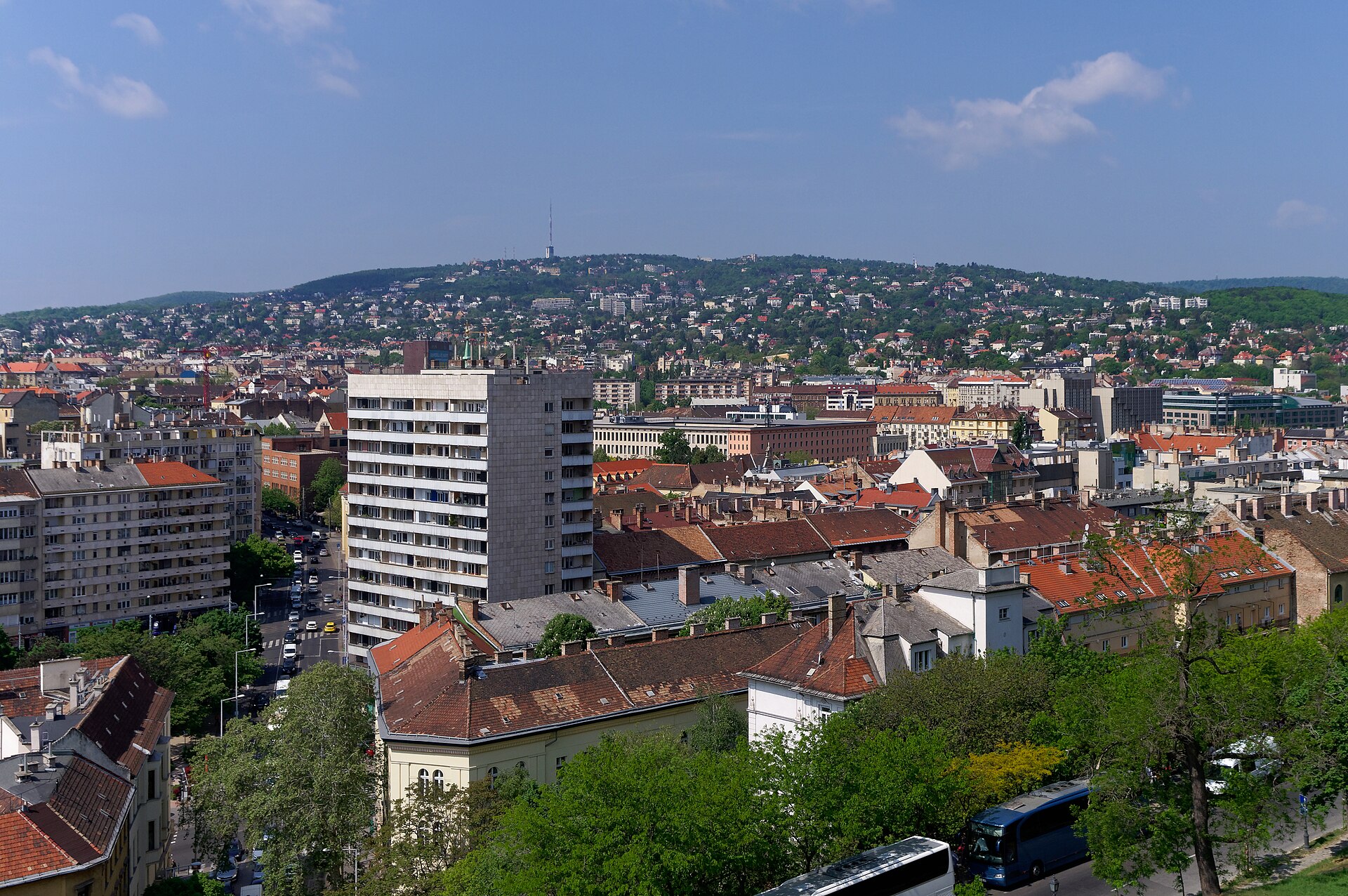
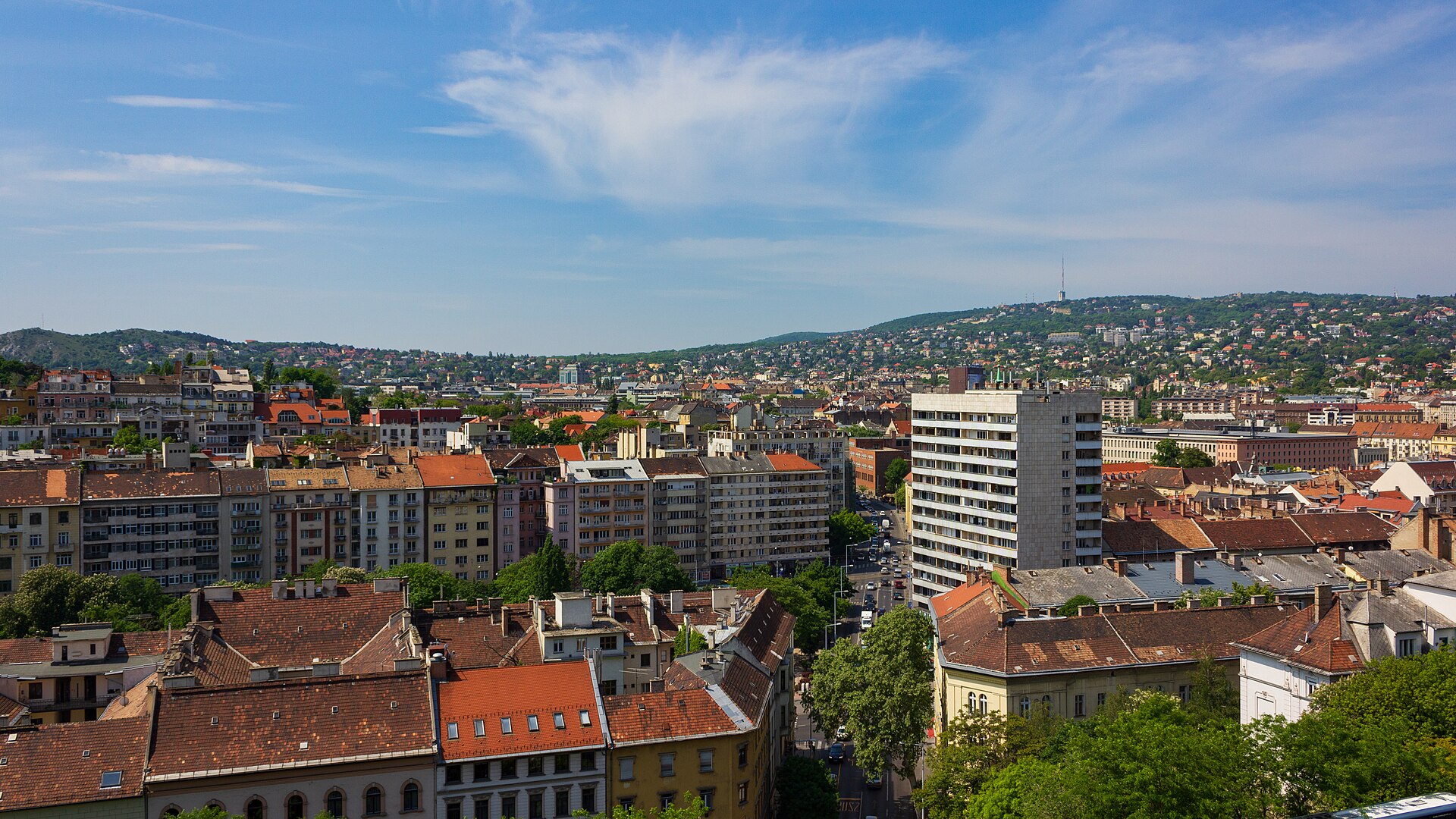
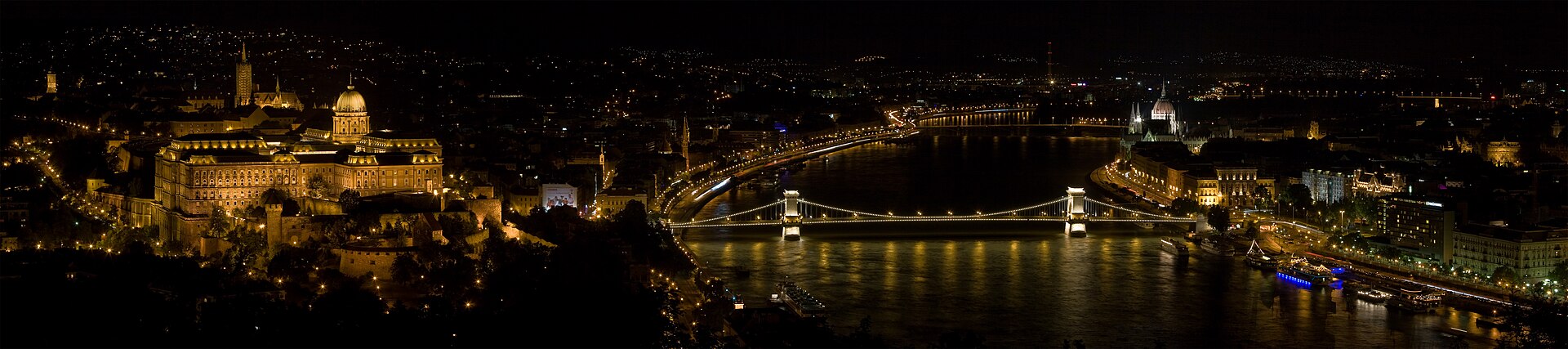
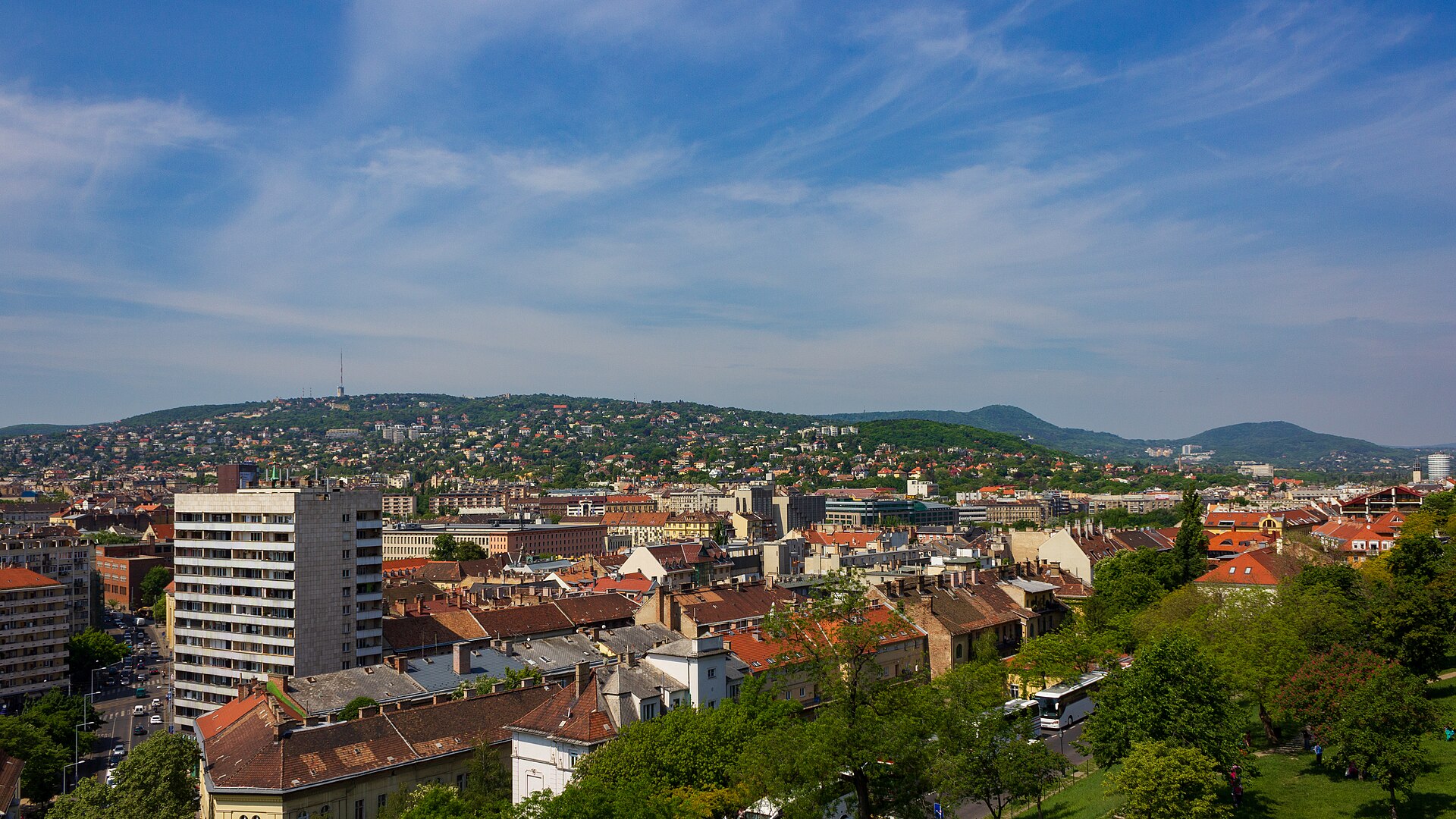
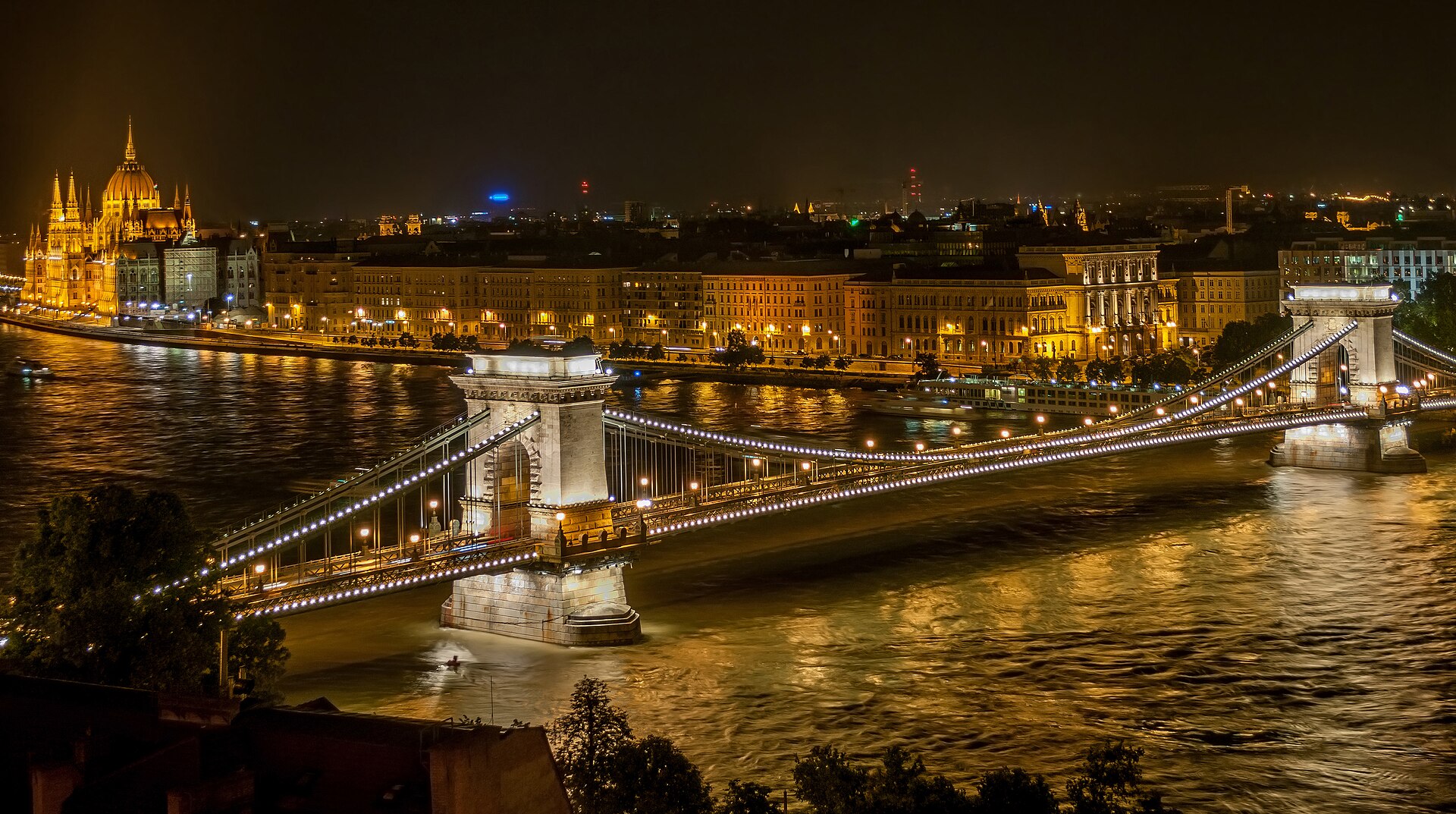
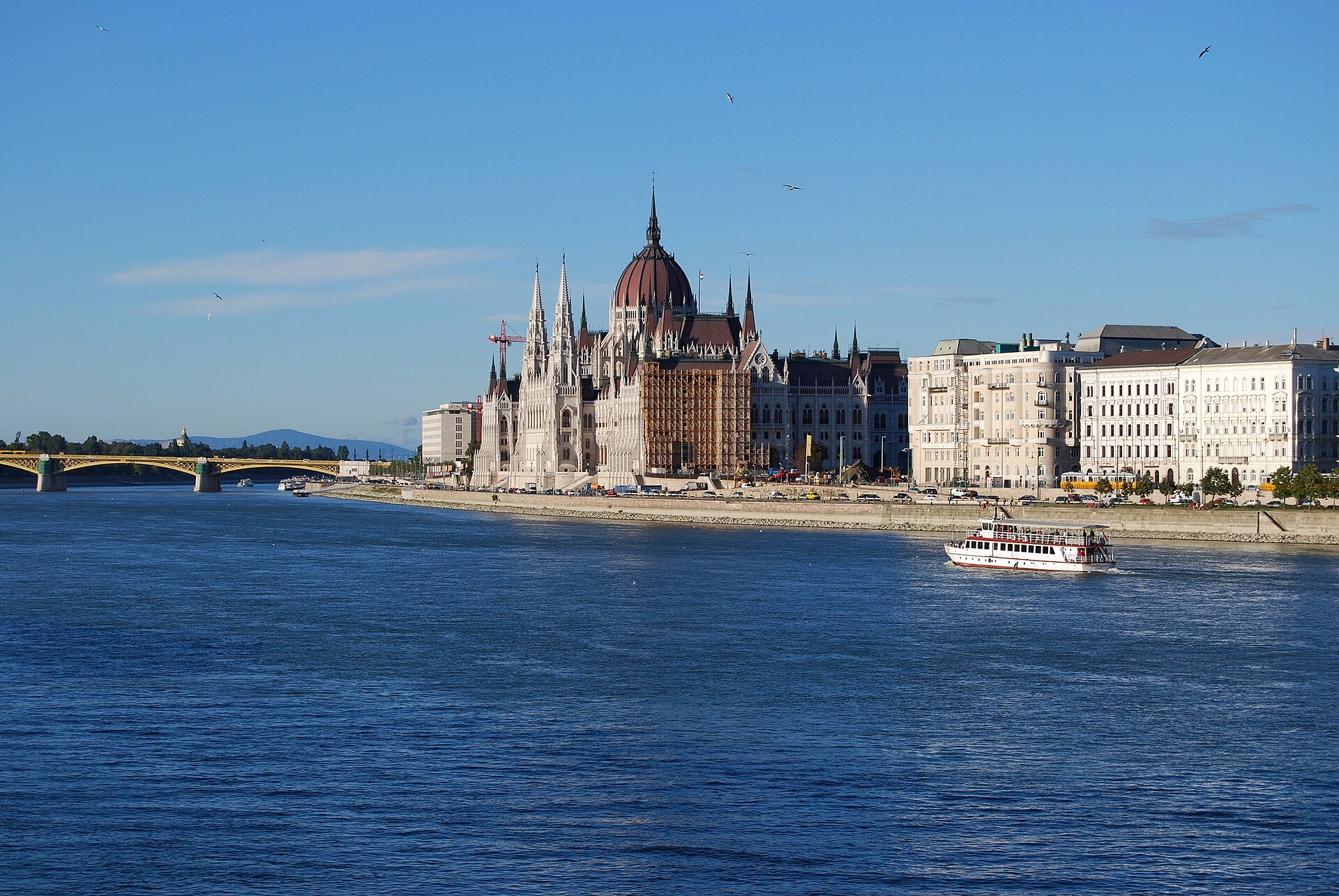
Budapest is two cities pressed together by a river. Buda climbs the western hills — castle walls, thermal springs, cobblestone quiet — while Pest spreads flat and grand across the east, its boulevards lined with the confident stonework of a former imperial capital. The Danube between them is not incidental: Tram Line 2 runs its full length past the Parliament building, and locals rate it among the most beautiful commutes in Europe.
Three days is the consensus for a first visit — enough to cross the Chain Bridge at different hours, sit in a thermal bath on a winter morning, and eat something other than goulash.
💛 What travellers fall for
People who come back tend to have a bath they return to. Széchenyi for the outdoor pools and the chess players; Gellért for the Art Nouveau tiles and the sense of ceremony. They also learn to keep a transit pass loaded — the metro runs from 04:30 and the tram network is genuinely faster than any taxi in the inner districts.
How Budapest came to be
Romans built Aquincum here around AD 100, a garrison town on the Danube frontier. Buda rose again in the 13th century after King Béla IV rebuilt the settlement following the Mongol invasion of 1241, placing a Royal Palace on Castle Hill. The Ottomans held the city for 150 years — long enough to build the Király Thermal Bath, which still runs today — before Habsburg rule reshaped it once more.
The Budapest we see now is largely a product of 1873, when Óbuda, Buda and Pest merged into a single city following the 1867 Austro-Hungarian Compromise. The Parliament building, designed by Imre Steindl and completed in 1904, went up in that surge of civic ambition. The Chain Bridge, the first permanent crossing of the Danube here, had already been open since 1849.
Who and what shaped it
People who shaped it
Landmark buildings
See Budapest in motion
Plan your visit
On the map
When to go
Summers are warm and sunny with July averages around 22°C, though heat waves can push well above 35°C and afternoon thunderstorms arrive without much warning. Winters are cold and grey, hovering near freezing from December through February — which is exactly when a thermal bath earns its place on the itinerary.
Right now
Background & history adapted from Wikipedia (CC BY-SA) · specs from Wikidata (CC0) · weather from Open-Meteo · map data © OpenStreetMap contributors · photos from Wikimedia Commons / Unsplash with per-image credit. No third-party reviews or social posts reproduced.