
Hortobágy National Park
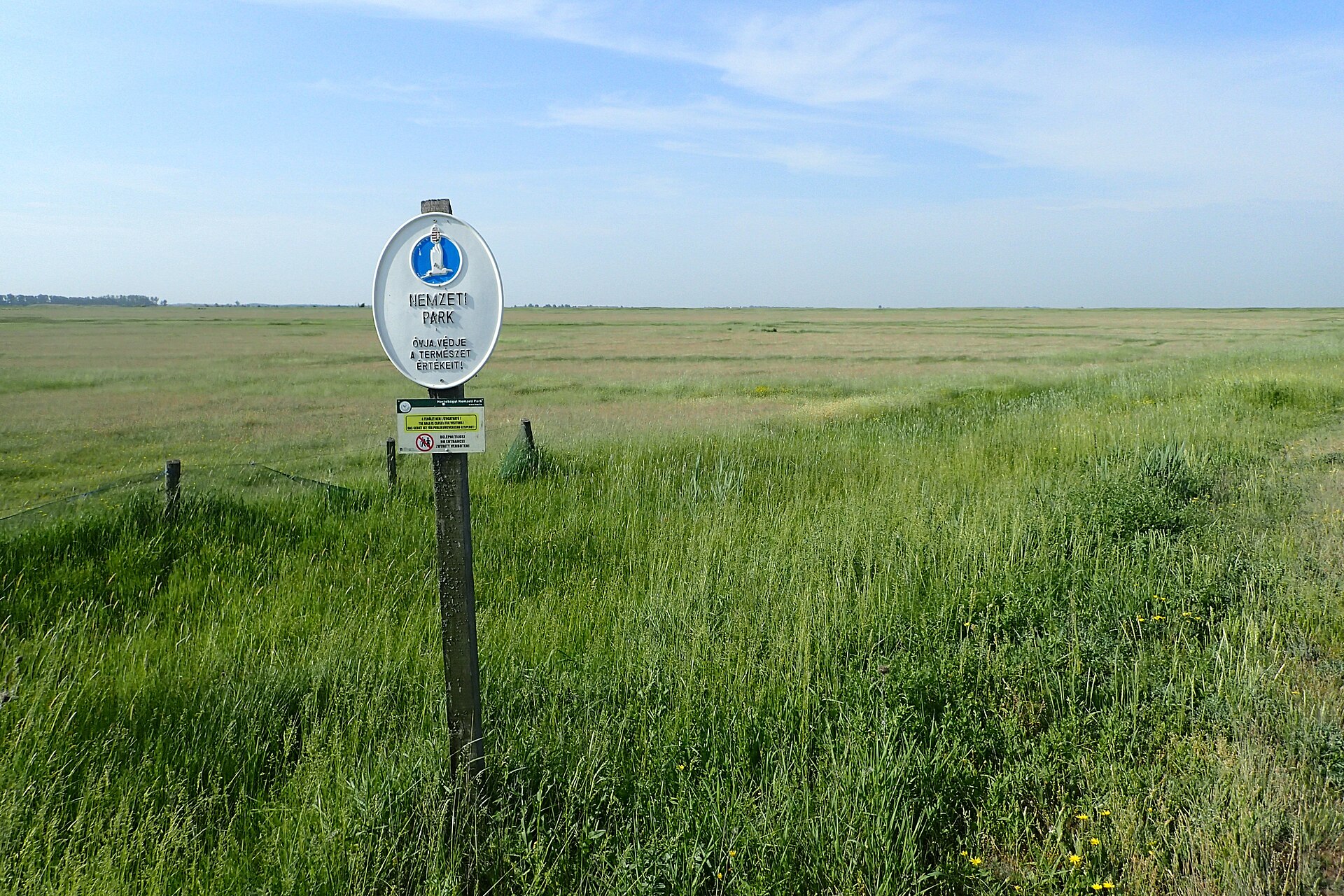
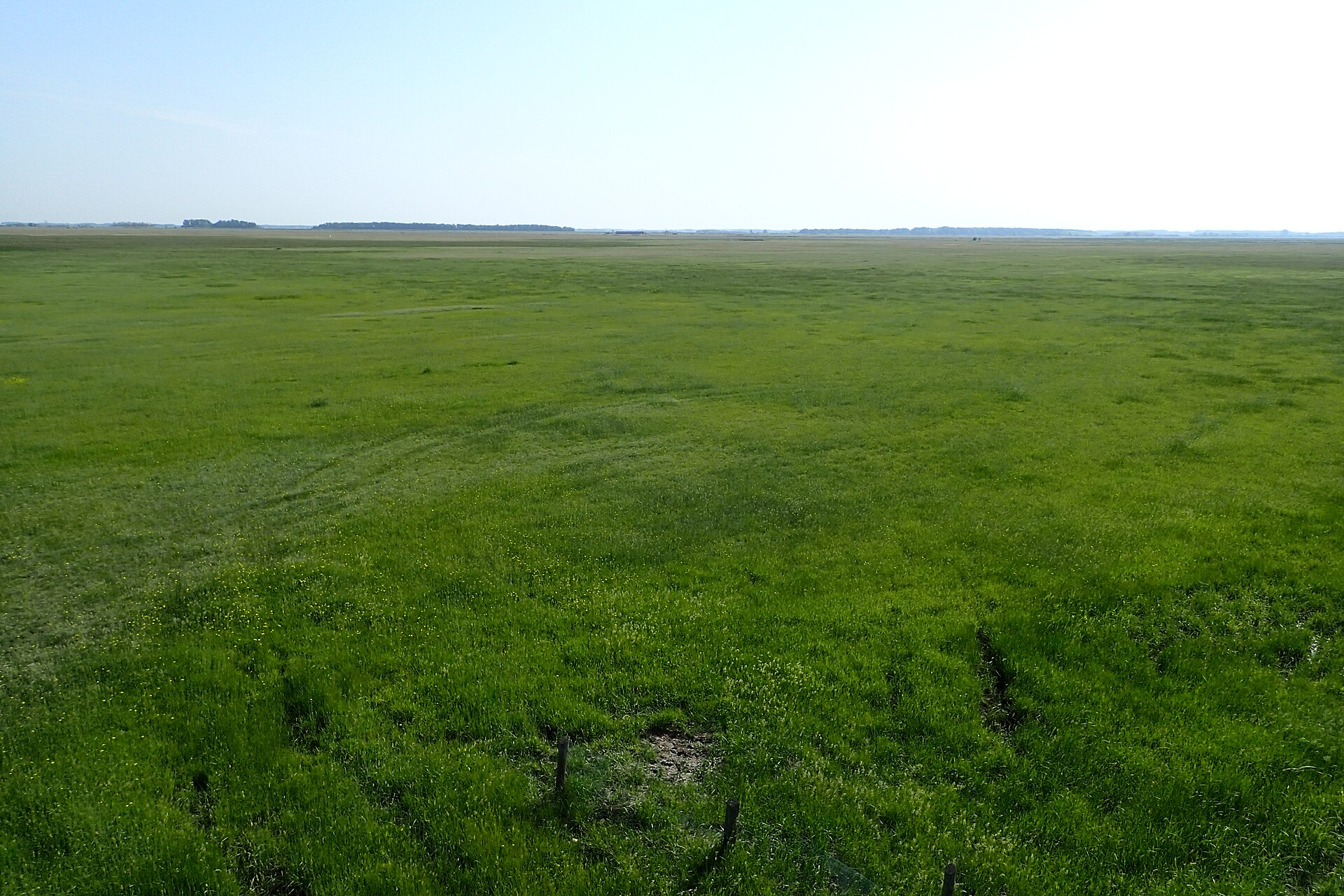
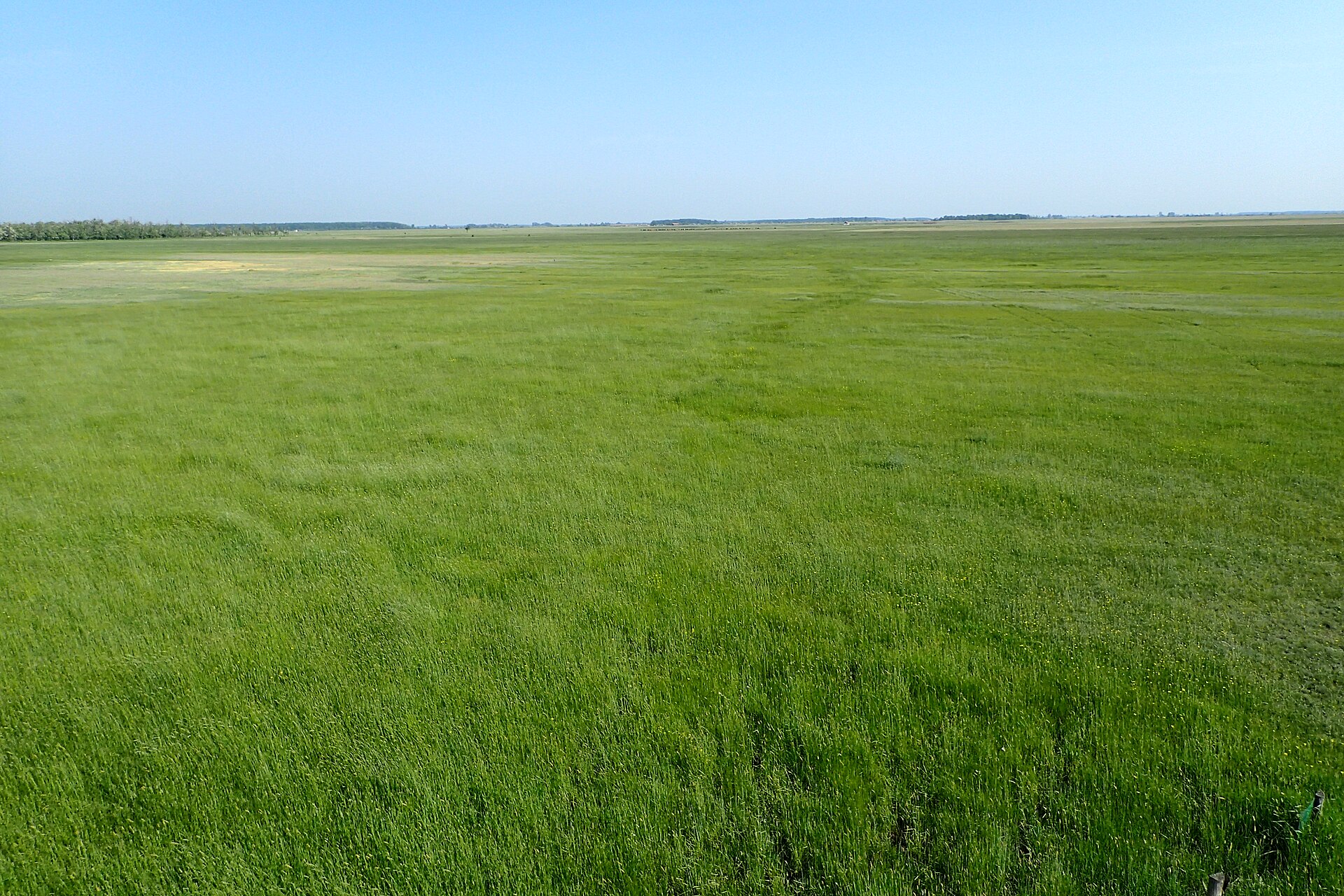
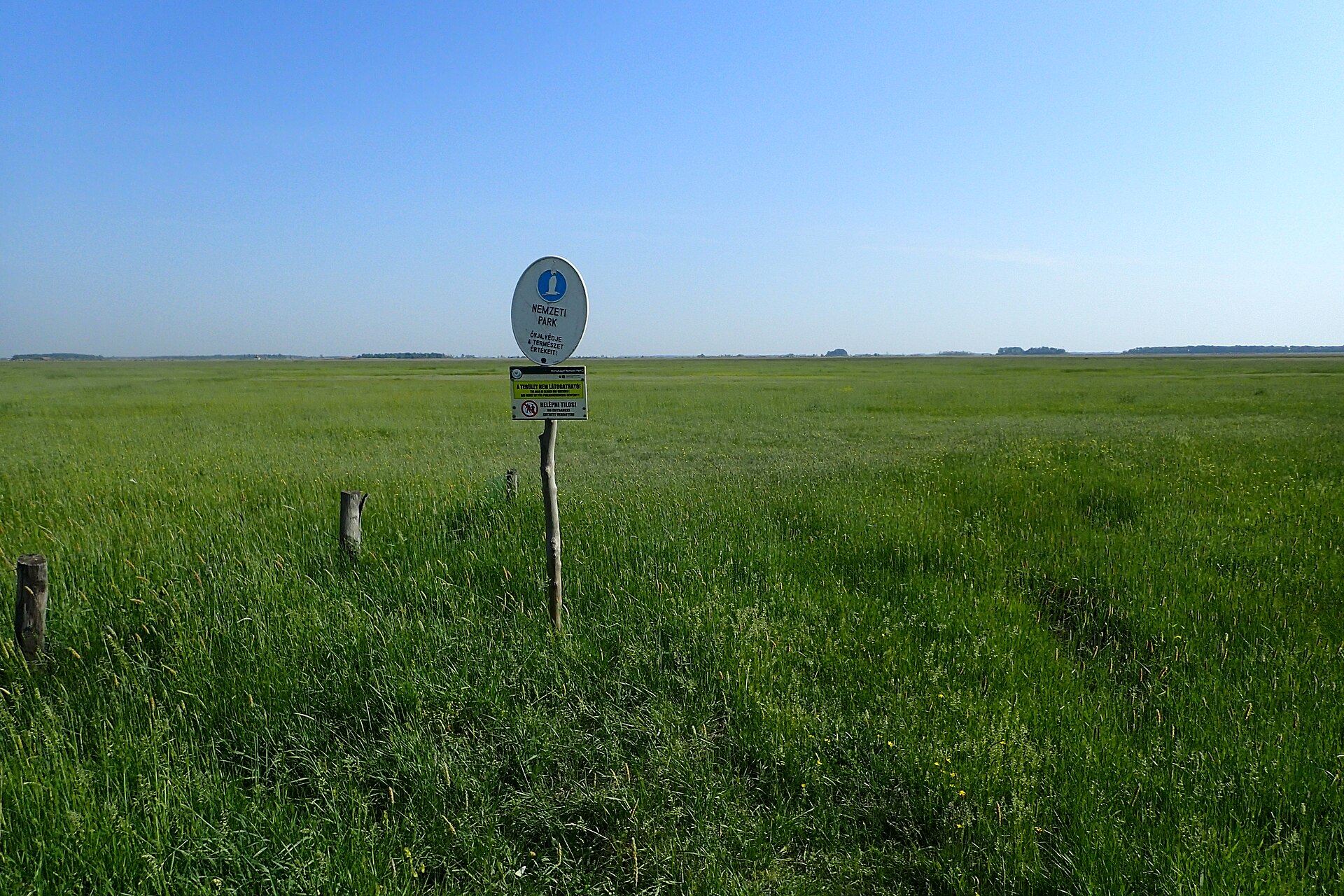
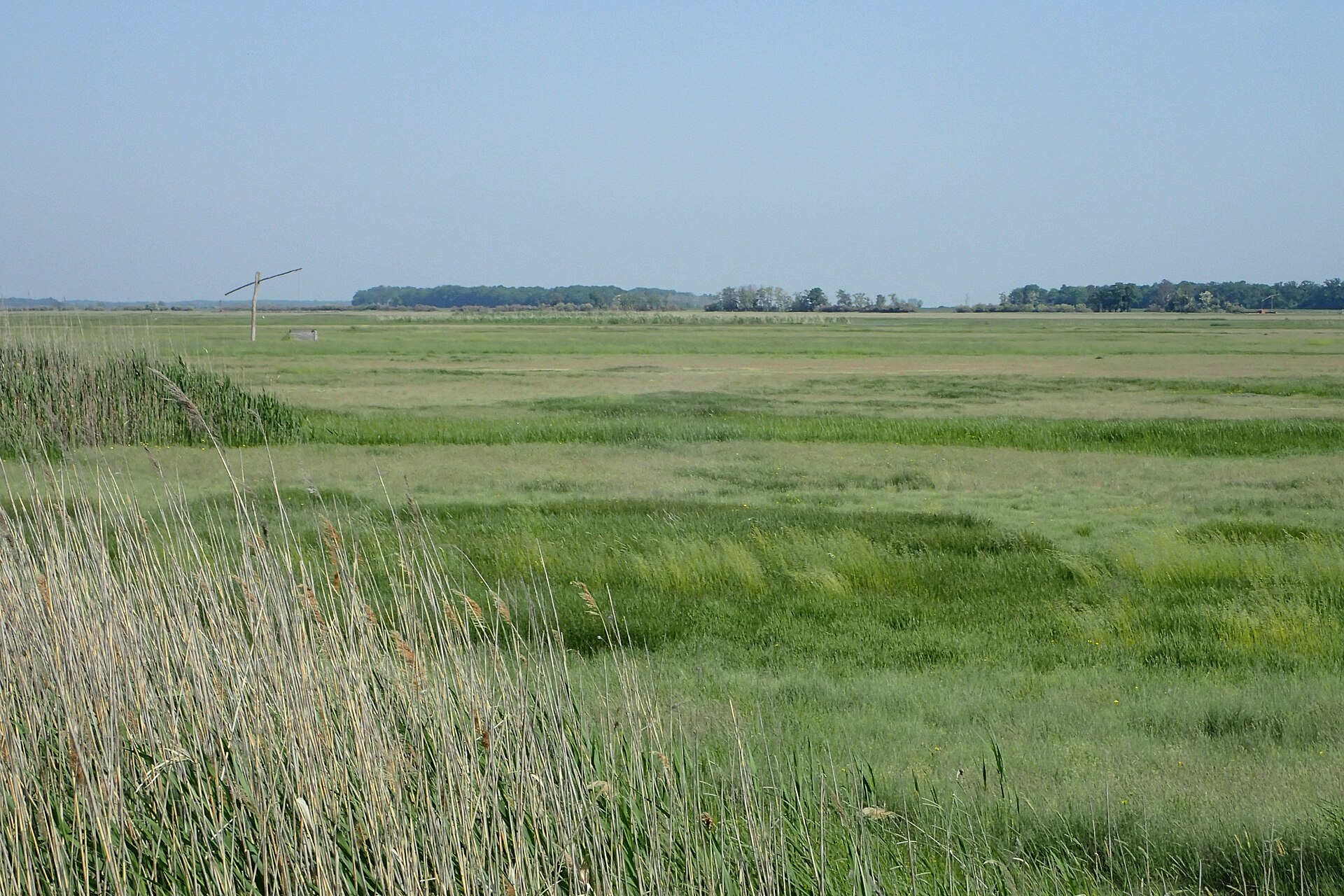
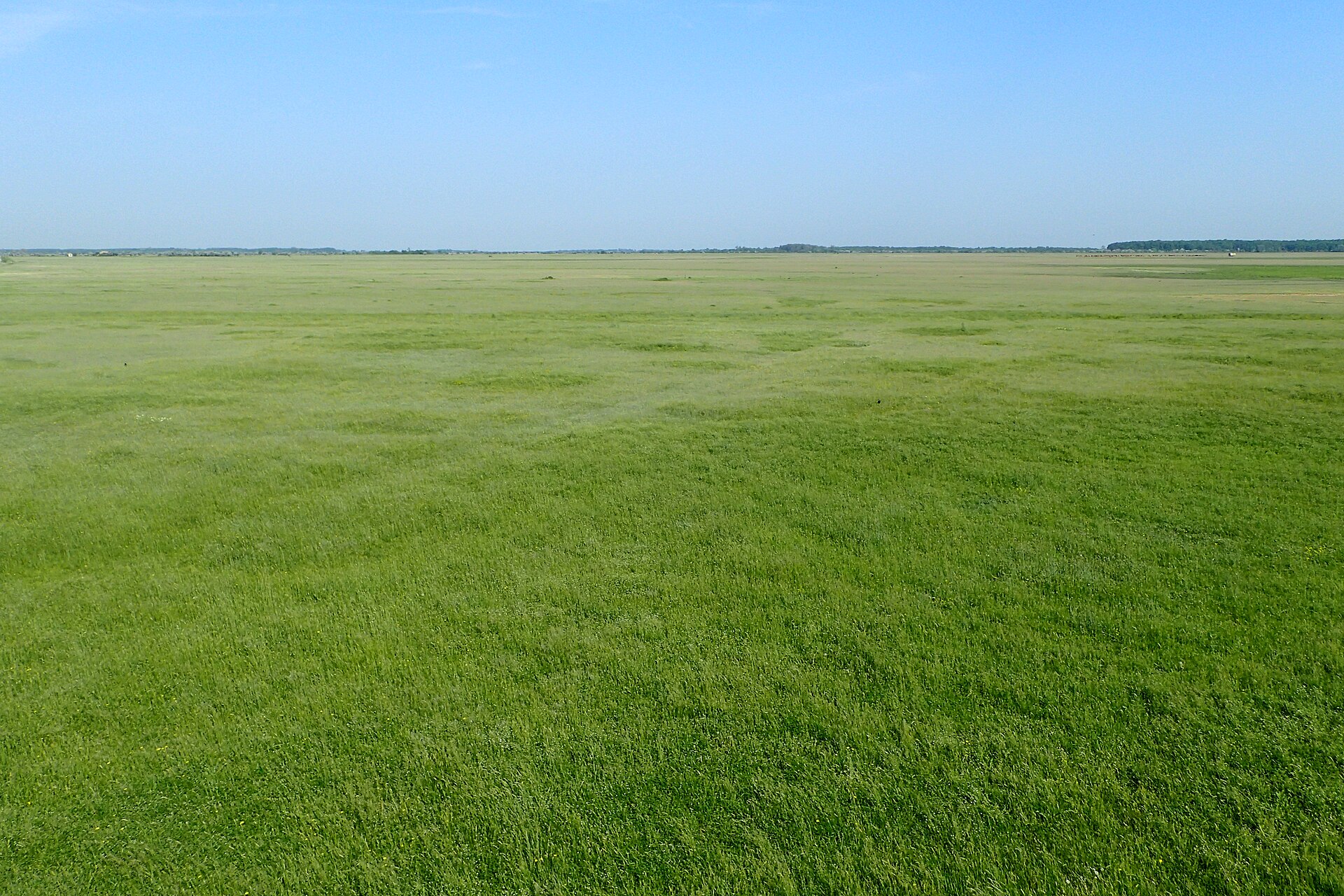
The puszta stretches in every direction without apology — flat, treeless, older than almost anything you've stood in. Hortobágy National Park, Hungary's first, covers 800 square kilometres of alkaline grassland that has been grazed, walked and watched over for millennia. The horizon here is genuinely unbroken, and that takes some getting used to.
What fills the space instead of landmarks are the details: a csikós urging grey cattle across a dusty track, the counter-weighted arm of a sweep well cutting the sky, and in autumn, the extraordinary passage of tens of thousands of cranes over the fishponds near Hortobágy village.
How Hortobágy National Park came to be
The alkaline plain began forming roughly ten thousand years ago as the Tisza River worked its way across the Great Hungarian Plain, leaving behind soils that resist almost everything except tough grass and the animals adapted to it. Nomadic groups were here by around 2000 BC — the low mounds scattered across the steppe are their burial kurgans. The Hungarians arrived in the Carpathian Basin at the end of the 9th century, and the land eventually became cattle country, shaped by the csikós herdsmen who worked it for generations.
The park was formally designated on 1 January 1973, and UNESCO added it to the World Heritage list in 1999 — recognising not just the ecology but the continuous pastoral culture that kept the puszta what it is.
Who and what shaped it
People who shaped it
Landmark buildings
See Hortobágy National Park in motion
Plan your visit
On the map
When to go
Winters are cold and exposed, with January averaging around 4°C and little shelter from wind on the open plain. Summer brings real heat — August regularly reaches 30°C — so early mornings are worth the effort; the light is better for the landscape anyway.
Right now
Background & history adapted from Wikipedia (CC BY-SA) · specs from Wikidata (CC0) · weather from Open-Meteo · map data © OpenStreetMap contributors · photos from Wikimedia Commons / Unsplash with per-image credit. No third-party reviews or social posts reproduced.