
Lake Balaton
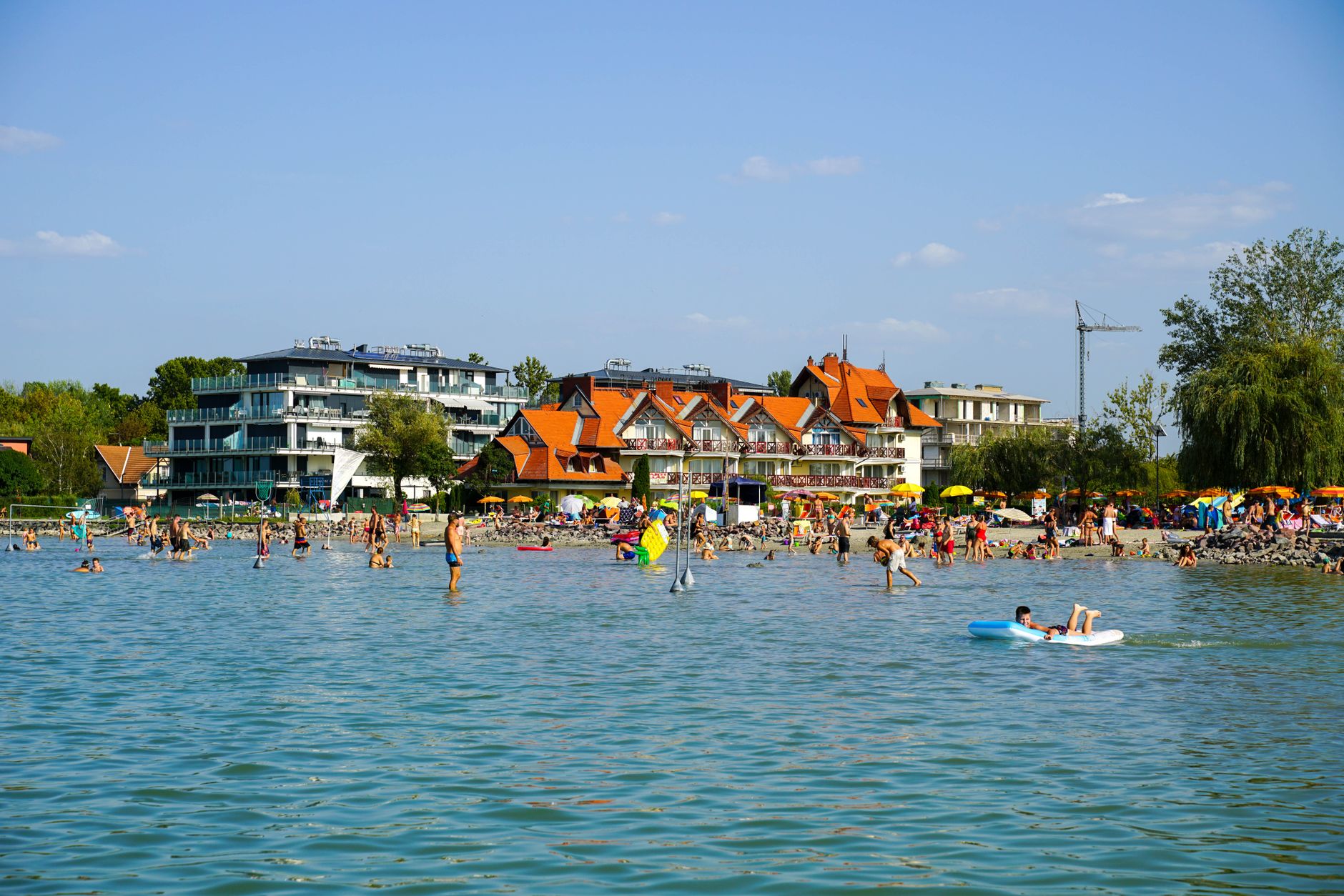
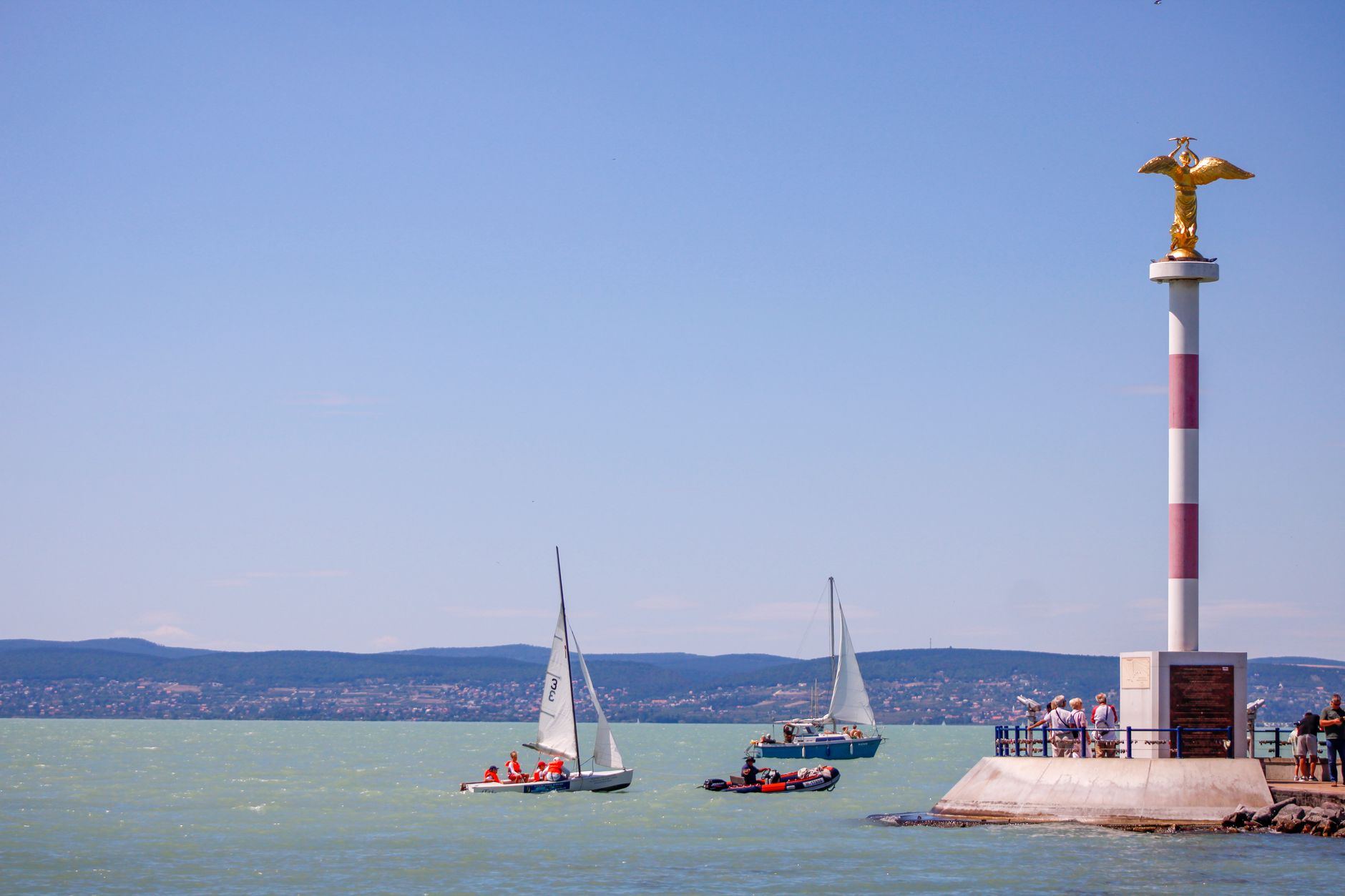
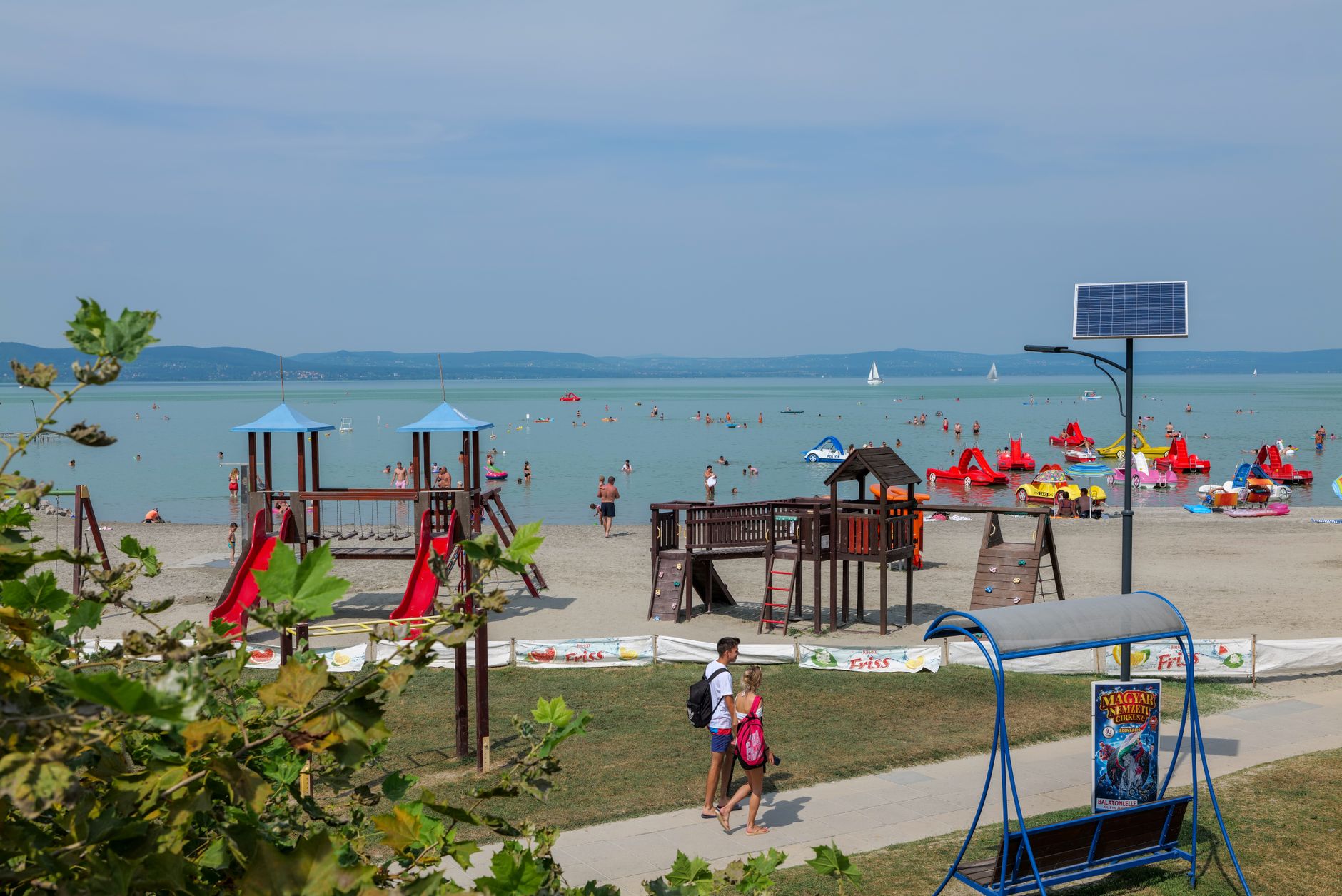
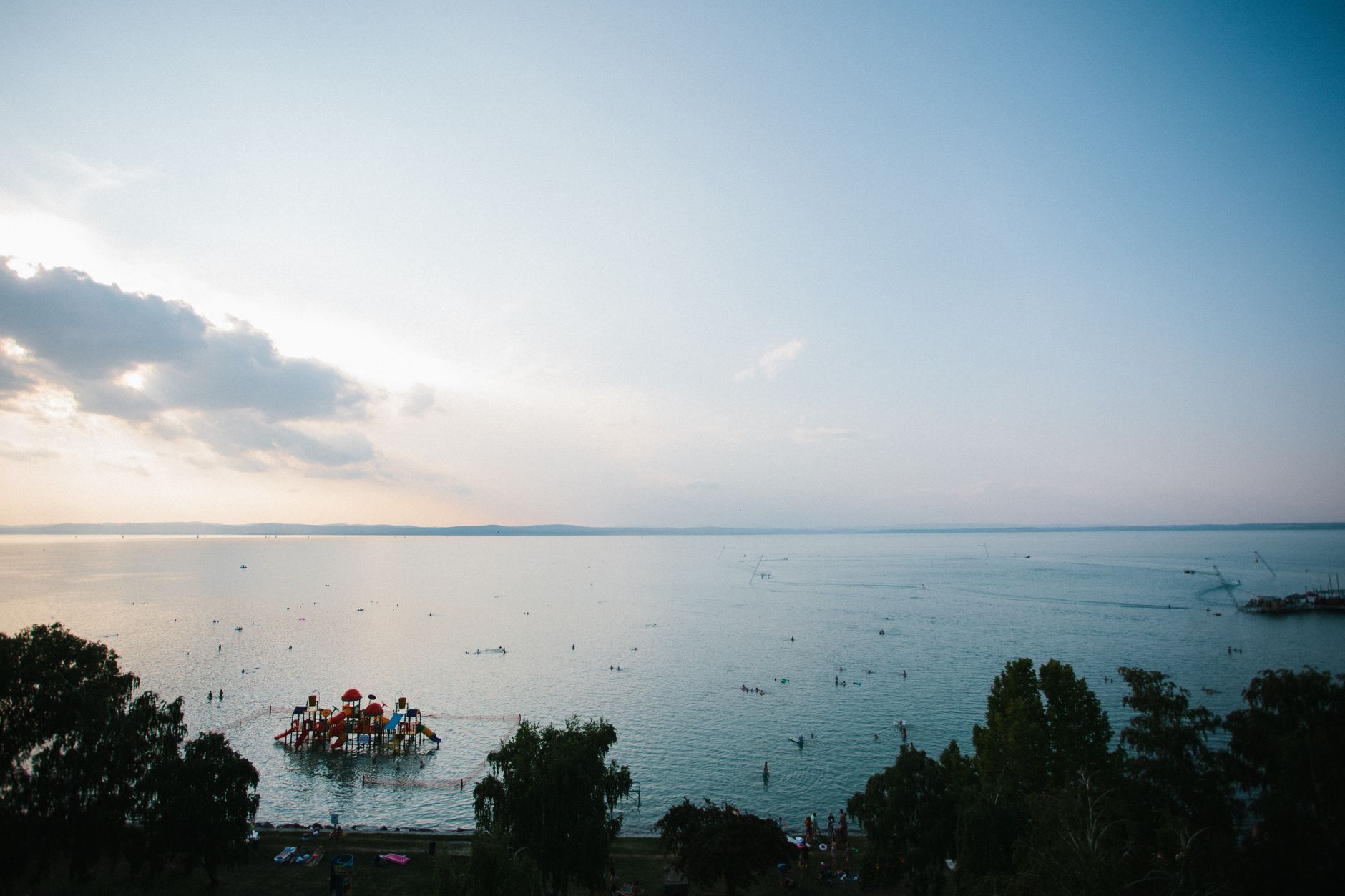
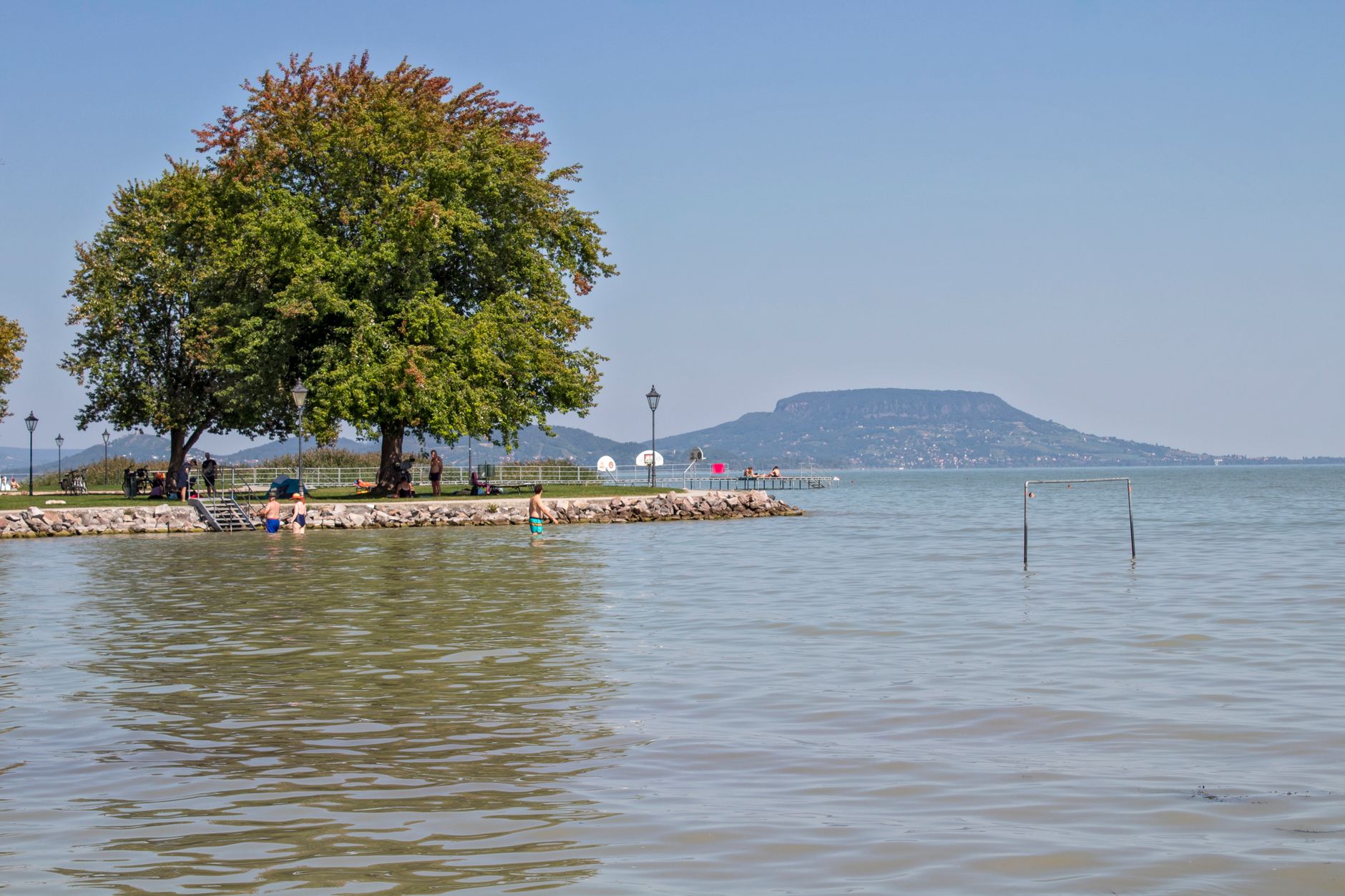
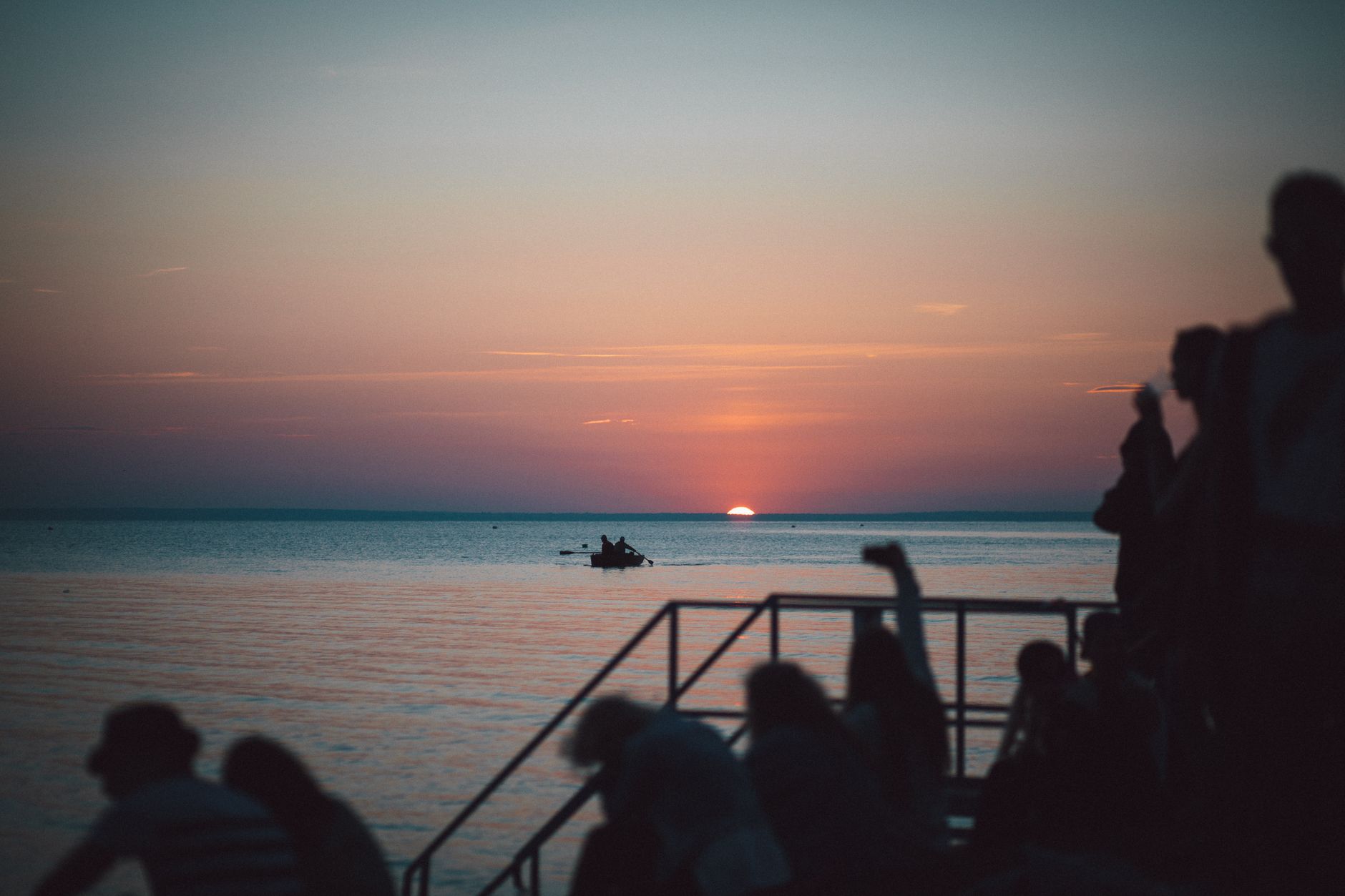
At 77 kilometres long and barely three metres deep on average, Lake Balaton reads differently on a map than it does in person. The shallow water warms fast — often above 25°C by midsummer — and the northern shore's old volcanic hills give way to vineyards that have been producing wine since before the railways arrived. The southern shore is flatter, sandier, and given over more fully to the business of summer.
The lake divides loosely into two temperaments: the northern shore with its basalt hills, abbey ruins, and wine cellars cut into hillsides; the southern shore with its long beaches and resort towns. The 200-kilometre cycling ring that nearly encircles the whole thing is one of the better ways to feel both.
💛 What travellers fall for
People who come back tend to plant themselves on the northern shore in late May or September — a room near Tihany or Badacsony, a bike, and a plan to do very little beyond riding between wine villages and stopping when something looks good. The lavender on the Tihany Peninsula peaks in June and is worth timing if you can.
How Lake Balaton came to be
The lake as it exists today is roughly 5,000 years old — the result of five smaller ponds coalescing after erosion wore down the ridges between them. Its recorded human history is long: in January 846, the Slavic prince Pribina built a fortress in the region, known as Blatnohrad, or Swamp Fortress, near what is now Zalavár.
The modern resort era has a specific starting point: 1881, when Count Imre Hunyady built the first holiday villa on his Balatonberény estate on the southwestern shore, adding a park, a harbour, and hotels around it. Railways on the southern shore came in 1861, on the northern in 1909. The Sió Canal, completed in 1863, lowered the water level by three metres, shrinking the lake to roughly half its former surface area and shaping the shoreline visitors know today.
Who and what shaped it
People who shaped it
Landmark buildings
See Lake Balaton in motion
Plan your visit
On the map
When to go
Summers run warm and sunny, with July and August regularly reaching 35°C and lake water climbing to 27–28°C near shore. May, June, and September offer days around 25°C with far fewer people; winter occasionally freezes the lake solid enough for ice-skating and ice-sailing.
Right now
Background & history adapted from Wikipedia (CC BY-SA) · specs from Wikidata (CC0) · weather from Open-Meteo · map data © OpenStreetMap contributors · photos from Wikimedia Commons / Unsplash with per-image credit. No third-party reviews or social posts reproduced.