
Meyungs
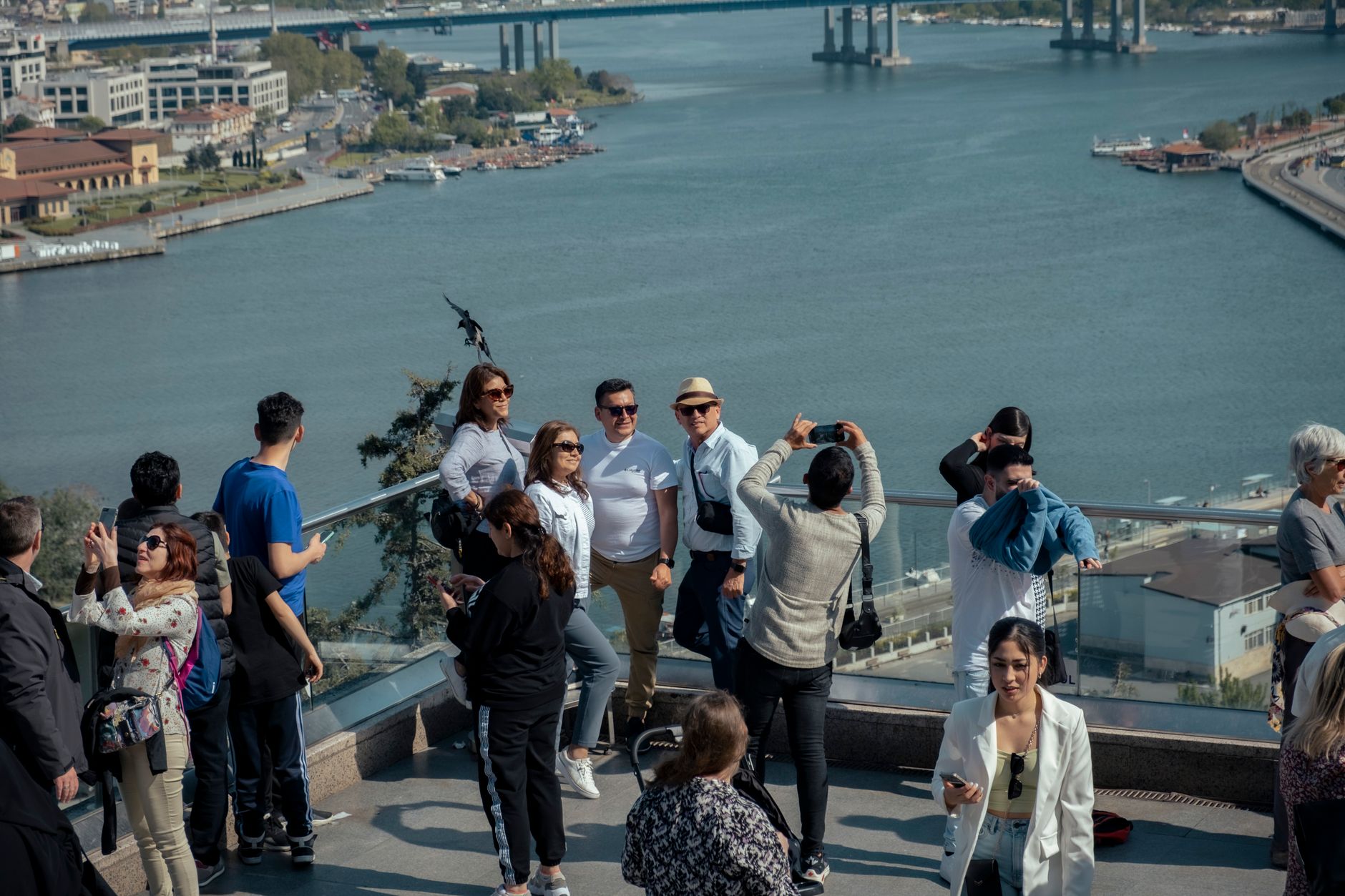


Meyungs sits on Ngerekebesang Island, connected to Koror by a short causeway — close enough to the capital that most visitors pass through without quite registering they've crossed into somewhere distinct. That's worth correcting. As Palau's second most populous city, Meyungs carries real civic weight: the country's largest hospital is here, a satellite presidential office, and the bai — traditional meeting houses whose carved and painted façades hold Palauan legend in pigment and wood.
The Rock Islands are visible from the water's edge, their limestone humps rising from a sea that stays at 28 to 29°C year-round. Meyungs is less a destination you plan around than one you settle into — and find, quietly, has more going on than the causeway suggested.
💛 What travellers fall for
People who come back tend to mention the BBI shuttle that runs evenings from Palau Pacific Resort through to Malakal — eight dollars, a week's validity, and a surprisingly good way to move between Meyungs and Koror after dark without hiring a car. The tinola, a chicken broth served locally, is the other thing that comes up.
Deals in Meyungs
Book directly at the provider


How Meyungs came to be
Meyungs took shape in the early twentieth century, growing from a modest settlement on Ngerekebesang Island into the incorporated city it is today. Its school history carries a small, telling detail: Meyungs Elementary School was built around 1969 because Typhoon Sally had destroyed Koror Elementary School, where local children had previously studied. The school was expanded in 1973, and the building still stands as one of the older civic structures in a city that otherwise wears its age lightly.
The bai — traditional Palauan meeting houses — predate the colonial period and remain in use, their carved beams and painted panels functioning as living records of oral history rather than museum pieces.
Who and what shaped it
Landmark buildings
See Meyungs in motion
Plan your visit
On the map
When to go
Expect heat and humidity regardless of when you arrive — daytime temperatures hold around 31°C all year, and rain can come at any hour. February through April brings the most reliable sun, with shorter, sharper showers rather than sustained downpours; typhoon risk is highest between August and November.
Right now
Background & history adapted from Wikipedia (CC BY-SA) · specs from Wikidata (CC0) · weather from Open-Meteo · map data © OpenStreetMap contributors · photos from Wikimedia Commons / Unsplash with per-image credit. No third-party reviews or social posts reproduced.