
Koror
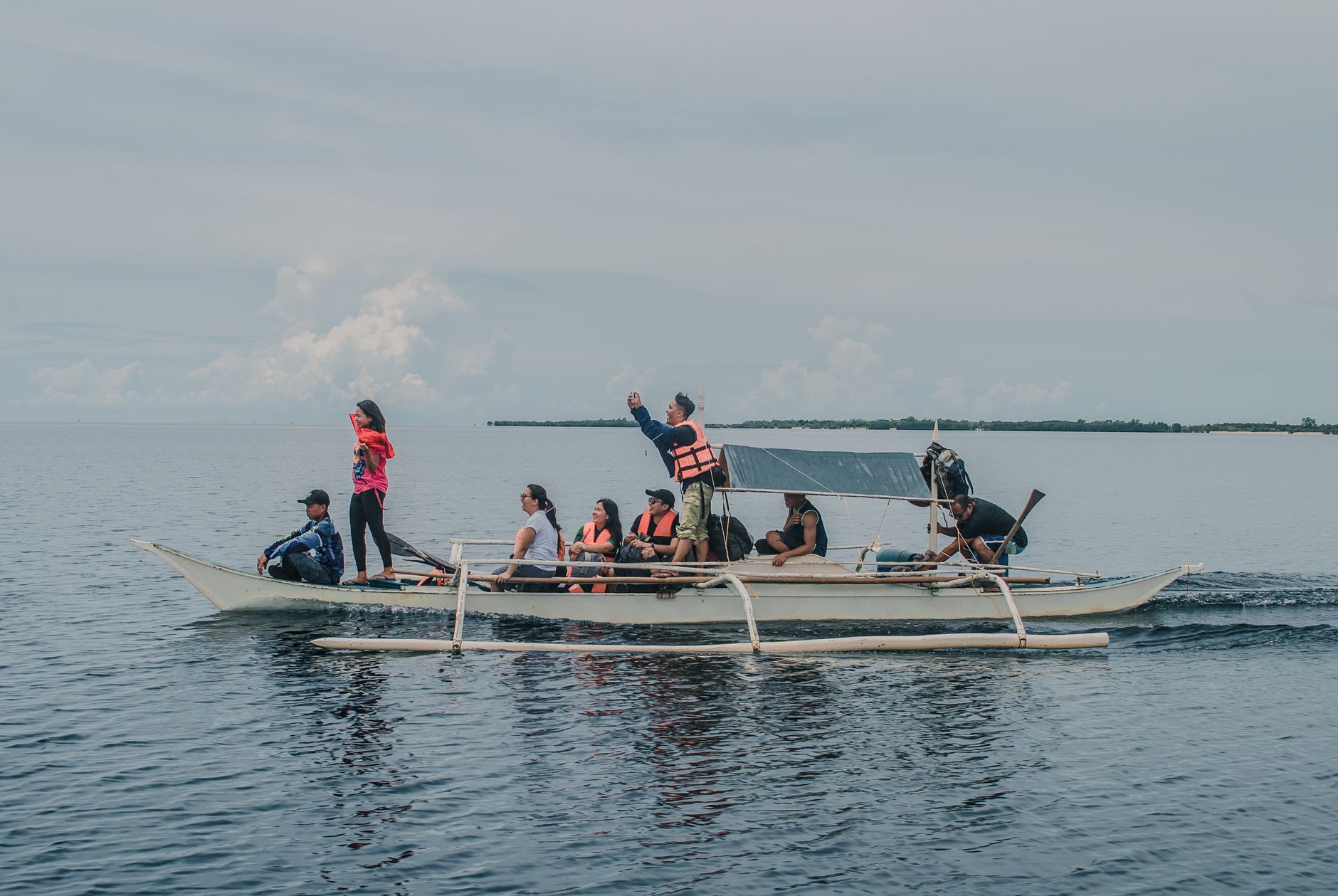

Koror is where Palau's practical life happens — low-rise, salt-aired, and unapologetically functional. The town sits on its own small island, connected to Babeldaob by the Japan-Palau Friendship Bridge, a 238-metre suspension span completed in 2002. Dive shops and minimarts line the main roads, and the waterfront at dusk turns the kind of deep orange that makes you stop mid-sentence.
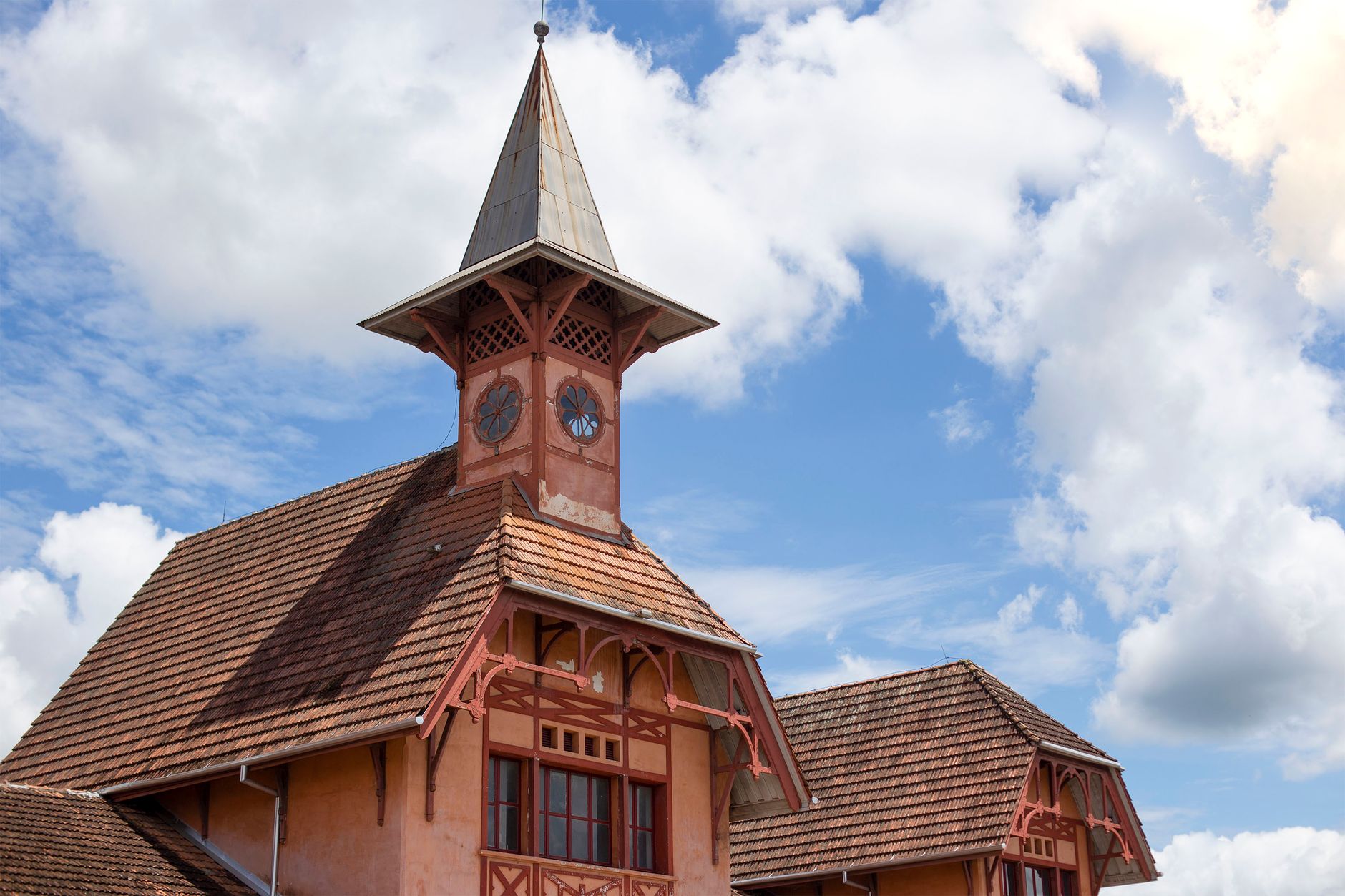
Most people pass through Koror on their way to the Rock Islands or Jellyfish Lake, which is a fair way to use it. But the Belau National Museum's 4,500 objects and the carved storyboard panels at the Etpison Museum reward a slower half-day, and the 1935 Catholic church — white with brown corners, a veranda, and a bell tower with its own balcony — is one of the more quietly striking buildings in the Pacific.
💛 What travellers fall for
People who return tend to mention the same things: eating at the waterfront after a dive, the carved storyboards at the Etpison Museum that take longer than expected, and the walk over the Friendship Bridge at low light. The fixed-rate taxis ($5–10 within town) make moving around easier than it looks on a map.
Deals in Koror
Book directly at the provider
How Koror came to be
In 1920, Koror was a village of a few hundred people under Japanese mandate administration. By the 1930s it had grown into a regional centre of governance and trade with over 2,000 residents, and in November 1940 a Shinto shrine was completed there. The Japanese Administration Building dates to 1919 and its colonial-era concrete still stands. War reshaped the town sharply: in 1943 the native Palauan population was relocated to Aimeliik, and after a 1944 bombing raid the Japanese military abandoned Koror entirely, with most civilians fleeing to Babeldaob.
After independence, Koror served as Palau's provisional capital until 2006, when the seat of government moved to Melekeok on Babeldaob. A copra-processing plant opened in 1976, and the town's role gradually shifted from administrative centre to the commercial and logistical hub it remains today. The Ibedul — Palau's high chief — still holds court here, rooting the city in a chiefly tradition that predates every colonial chapter.
Who and what shaped it
People who shaped it
Landmark buildings
See Koror in motion
Plan your visit
On the map
When to go
Koror runs at around 31°C year-round with high humidity and roughly 3,200 mm of annual rainfall — there is no true dry season, only a relative lull from February to April when showers ease and sun is more reliable. Typhoon risk runs April through December, peaking August to November.
Right now
Background & history adapted from Wikipedia (CC BY-SA) · specs from Wikidata (CC0) · weather from Open-Meteo · map data © OpenStreetMap contributors · photos from Wikimedia Commons / Unsplash with per-image credit. No third-party reviews or social posts reproduced.