
Ngerulmud
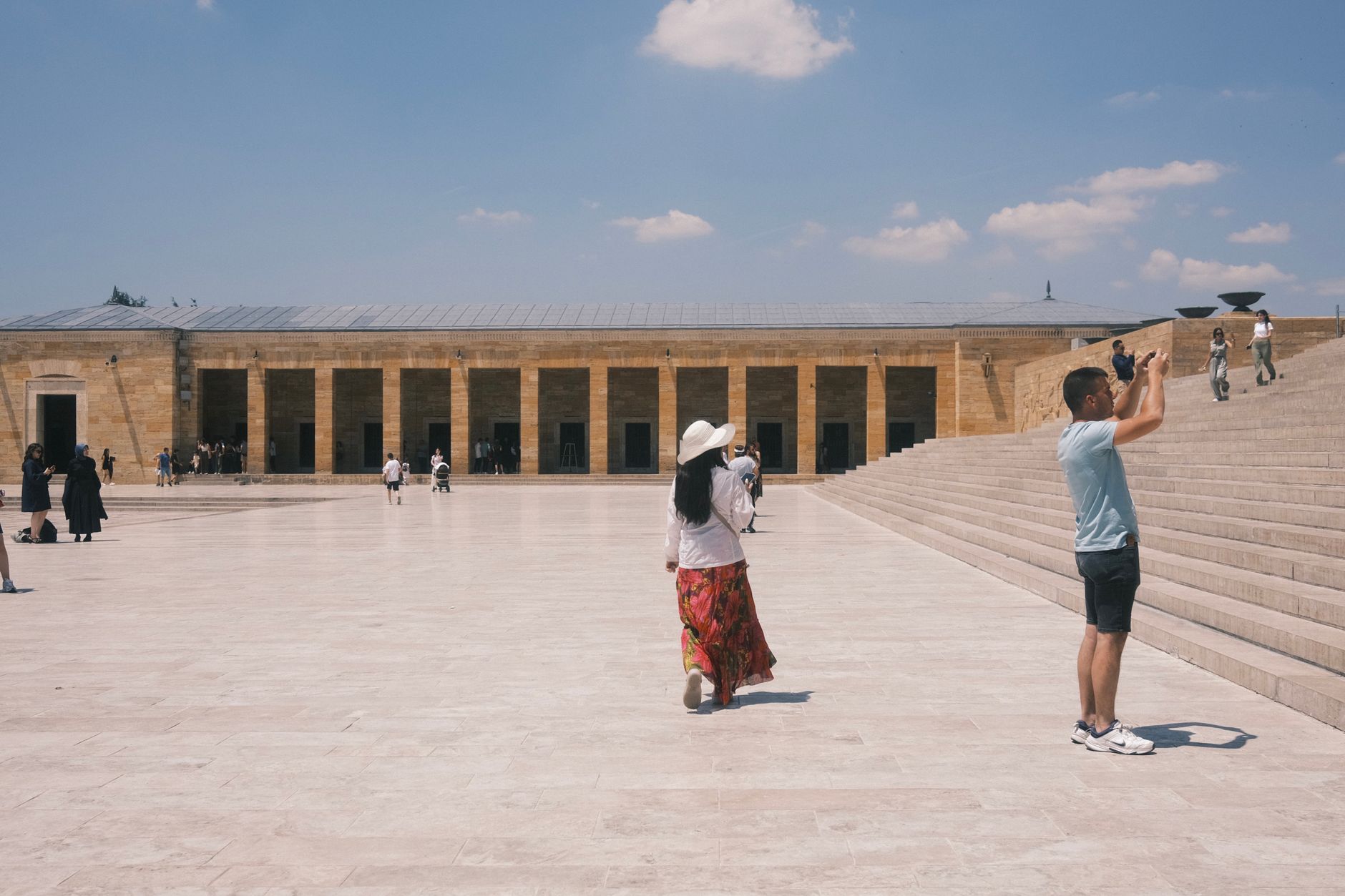
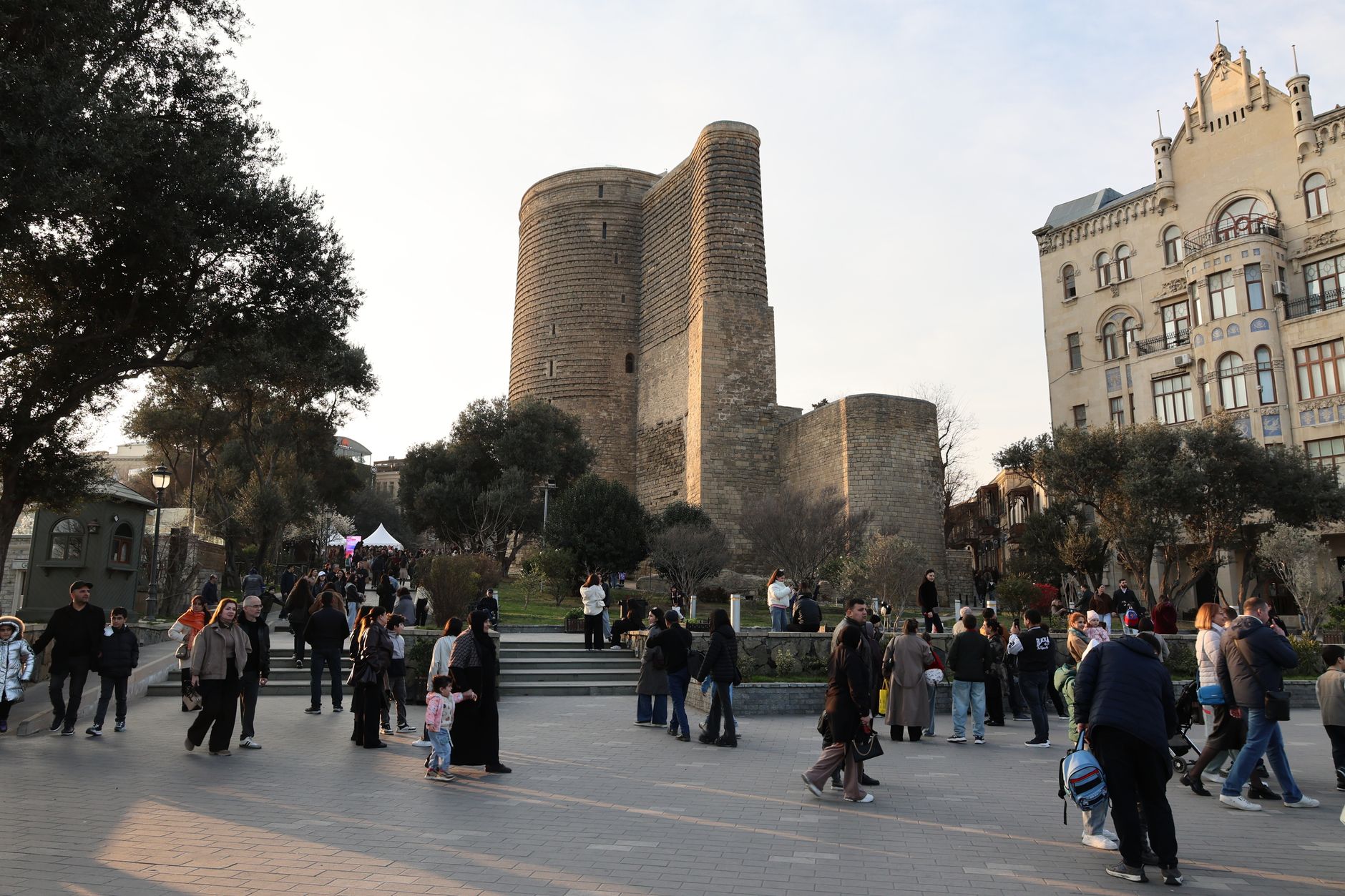
Ngerulmud holds a record most capitals never seek: it is almost certainly the least-populated seat of government of any sovereign nation on earth. The 2020 census counted 318 people in the entire state that contains it, and on a quiet Tuesday the plaza in front of the capitol dome can feel like a stage set between performances. The place exists, essentially, as an act of constitutional will — Palau's 1979 founding document required a permanent capital on Babeldaob Island, and after decades of slow construction, that capital opened on a hilltop above the Pacific in October 2006.
The name comes from a Palauan phrase meaning 'place of fermented angelfish' — the hill where women once gathered to offer the preserved fish to the gods. That older ritual and the gleaming dome that now crowns the same hill sit together without obvious irony, which tells you something about how Palau holds its history.
💛 What travellers fall for
People who've made the drive more than once tend to arrive at the Capitol Scenic Overlook in the late afternoon, when the light flattens the sea into hammered silver. The grounds are quiet enough that you can walk right up to the traditional bai on the capitol lawn and take your time with it — no queue, no rope.
Deals in Ngerulmud
Book directly at the provider

How Ngerulmud came to be
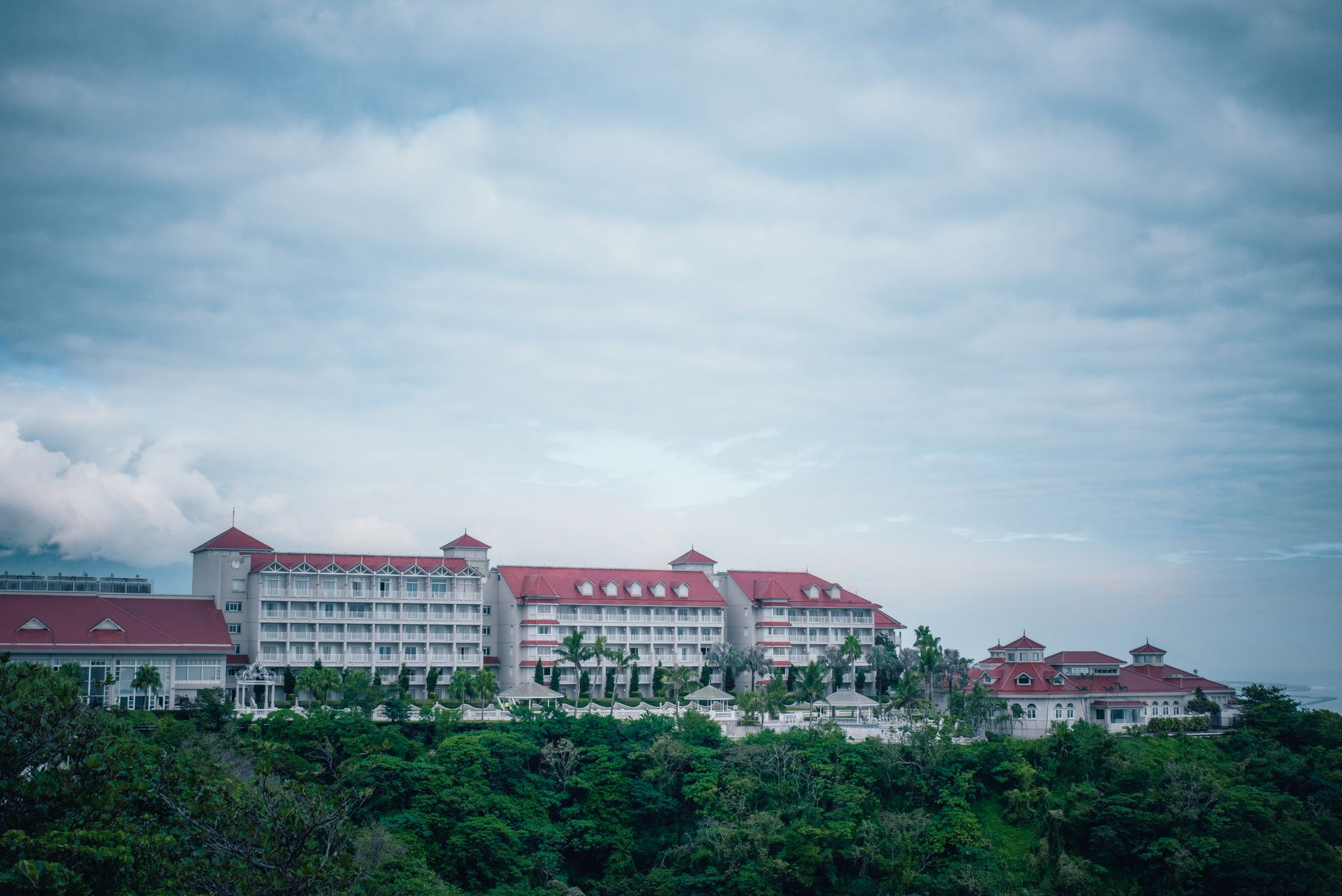
Palau's 1979 constitution set out a clear directive: build a permanent capital on Babeldaob, the large, largely forested main island, rather than remain in the cramped commercial hub of Koror. Planning began in 1986, with Hawaii-based firm Architects Hawaii Ltd. awarded the contract, but progress stalled for years — there were too few local engineers, construction materials had to be shipped in, and funding was elusive. A $20 million loan from Taiwan in the early 2000s finally broke the deadlock.
The capitol complex opened on October 7, 2006, at a cost exceeding $45 million, with more than 5,000 people attending the ceremony under President Thomas Remengesau Jr. Architect Joseph Farrell drew the dome from the United States Capitol and folded in the sweeping roofline of the traditional Palauan bai meeting house — a deliberate splice of colonial inheritance and indigenous form. Koror's long unofficial tenure as capital ended that day.
Who and what shaped it
People who shaped it
Landmark buildings
See Ngerulmud in motion
Plan your visit
On the map
When to go
Temperatures hold steady around 27–28°C year-round, with high humidity throughout. February to April is the least sodden stretch — showers still arrive, but they tend to be short; the rest of the year brings heavier, more persistent rain and a real typhoon risk from August through November.
Right now
Background & history adapted from Wikipedia (CC BY-SA) · specs from Wikidata (CC0) · weather from Open-Meteo · map data © OpenStreetMap contributors · photos from Wikimedia Commons / Unsplash with per-image credit. No third-party reviews or social posts reproduced.