
Reykjavik
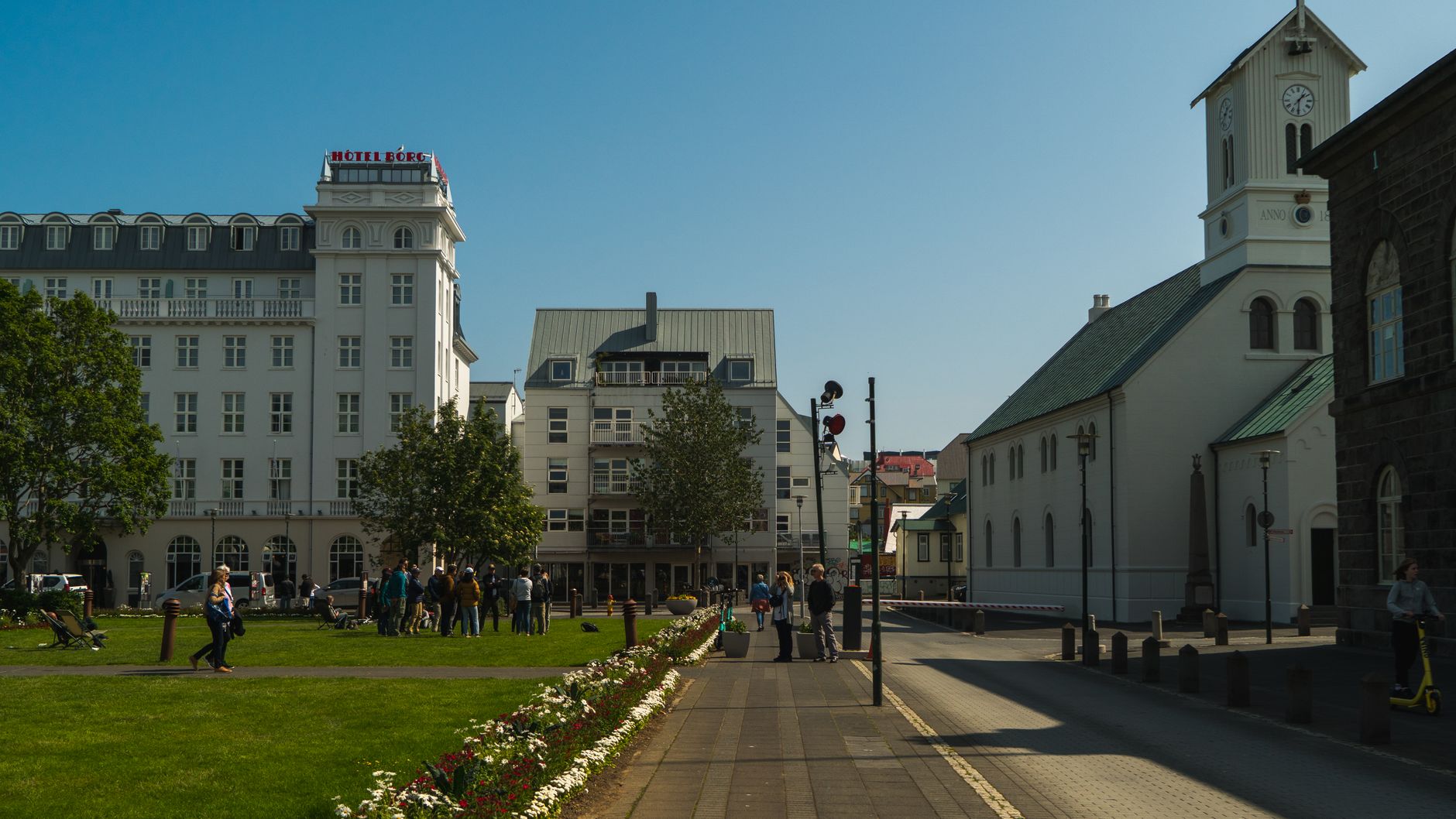
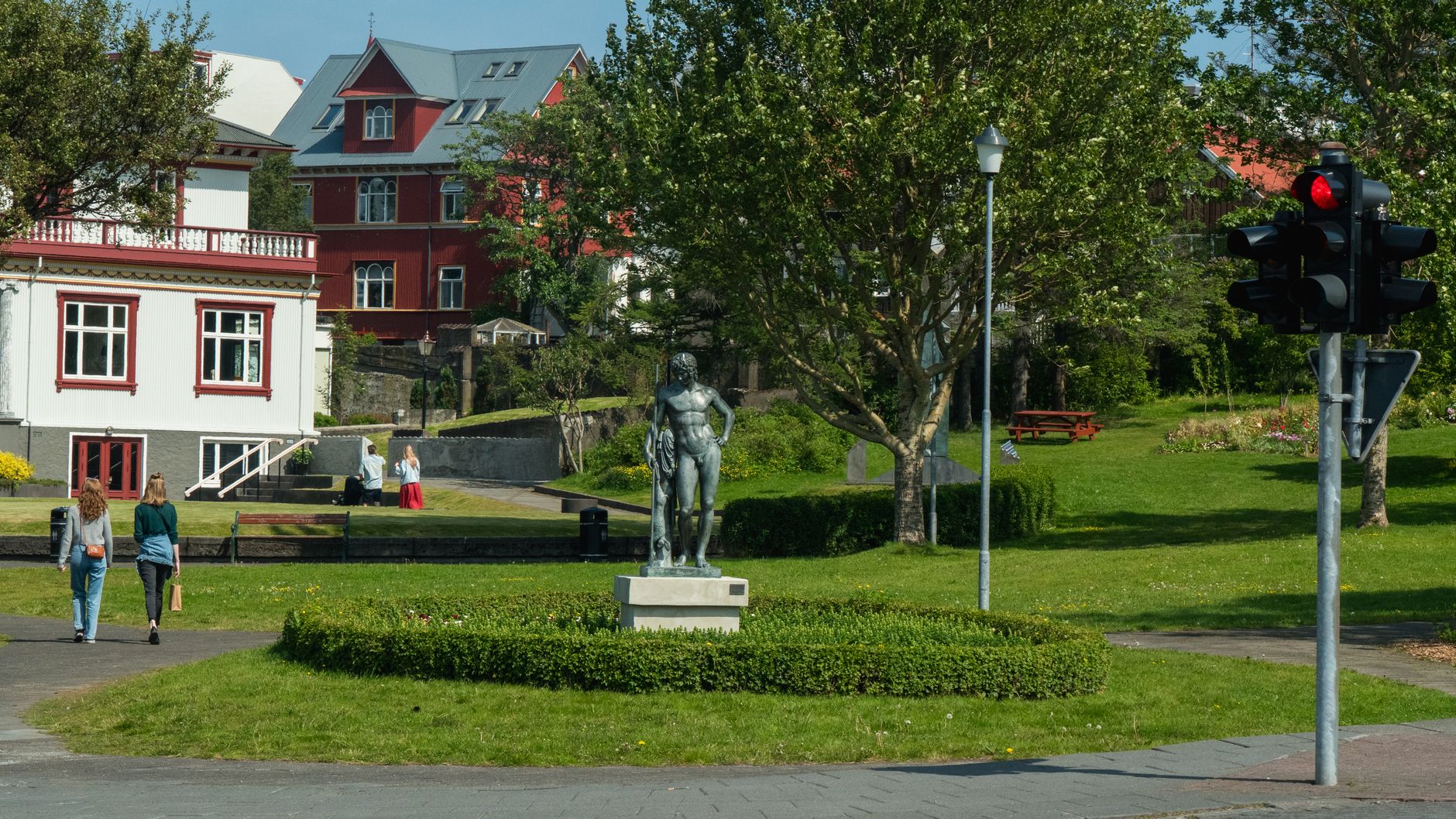
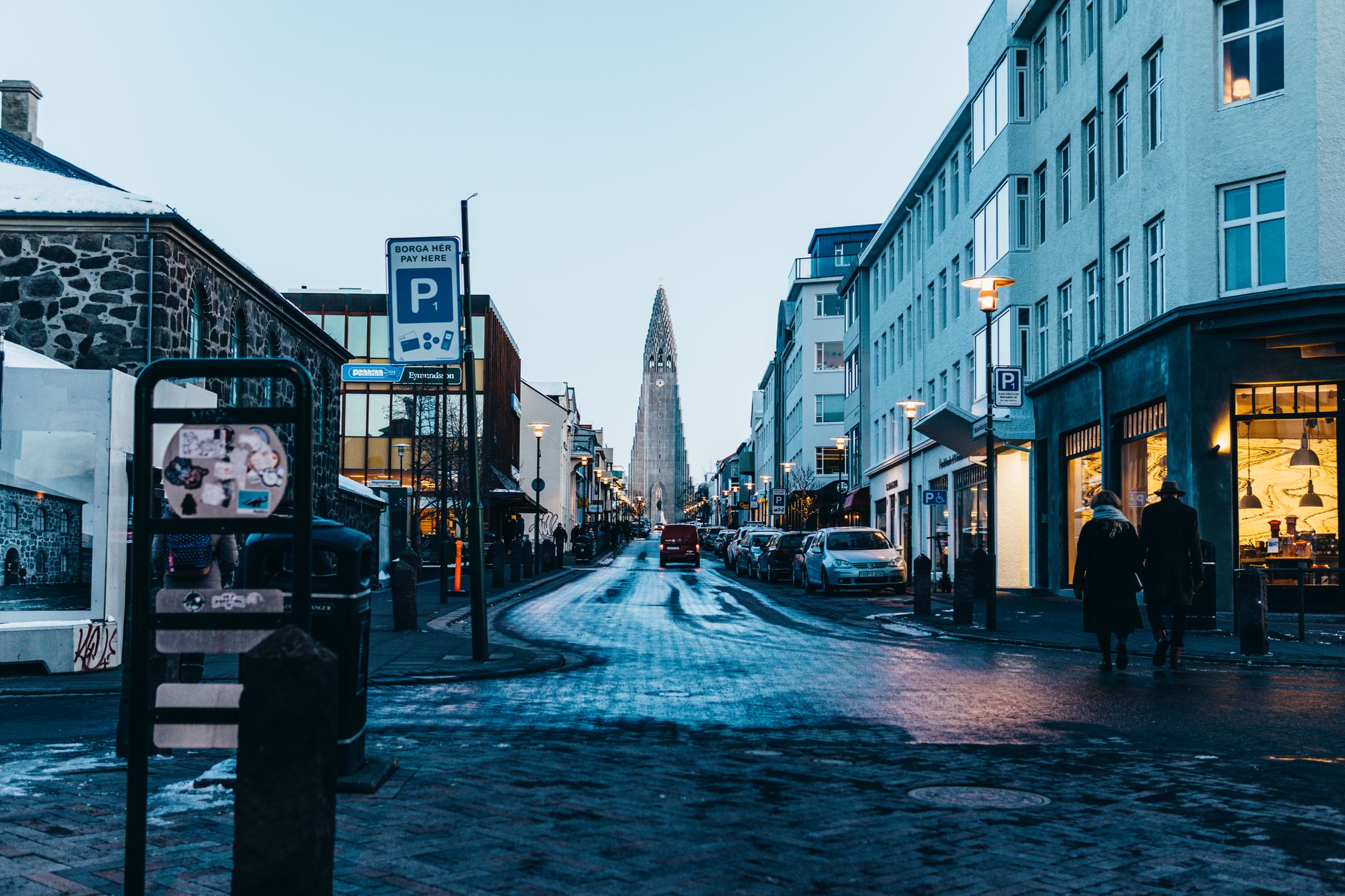
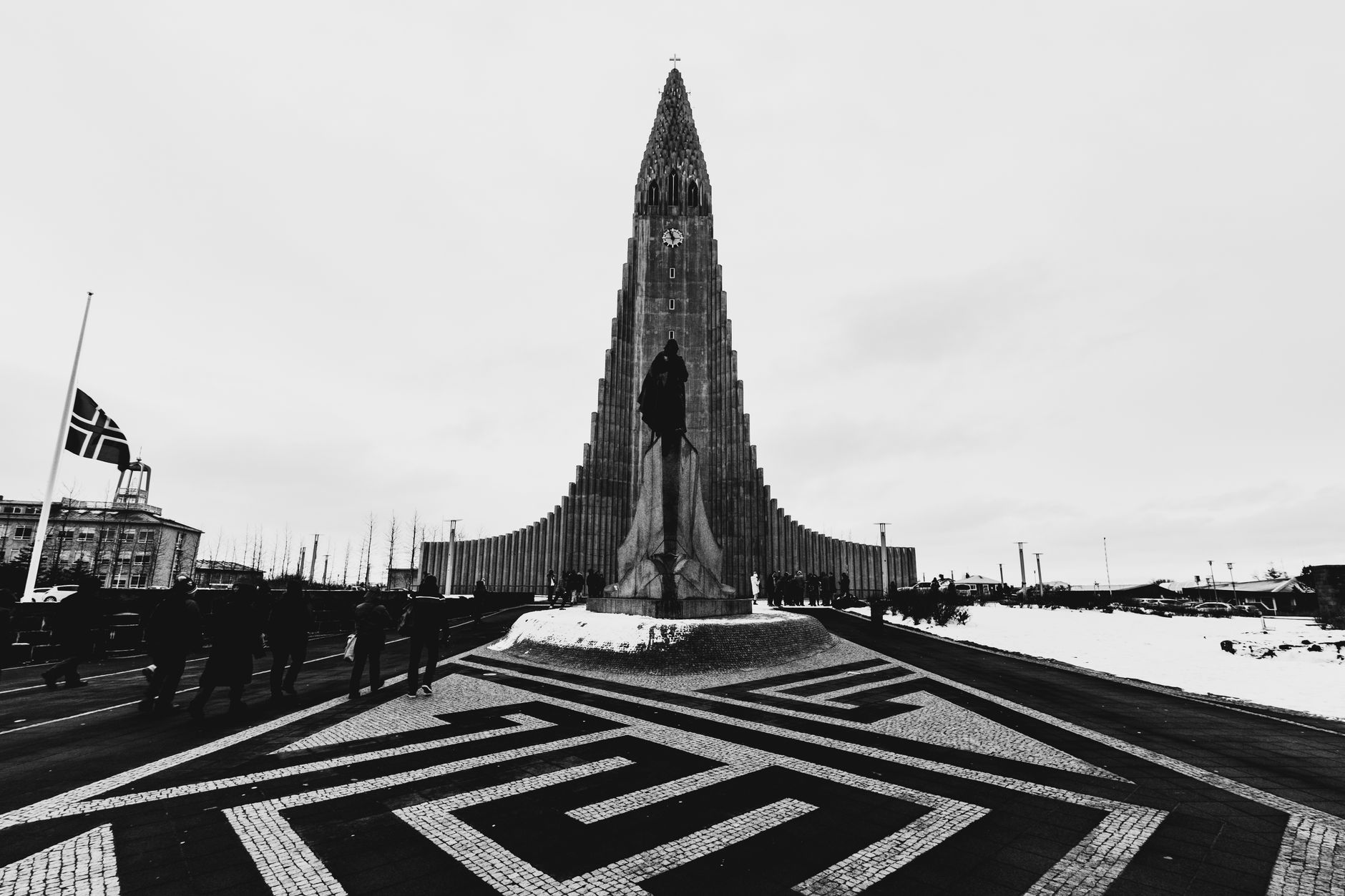
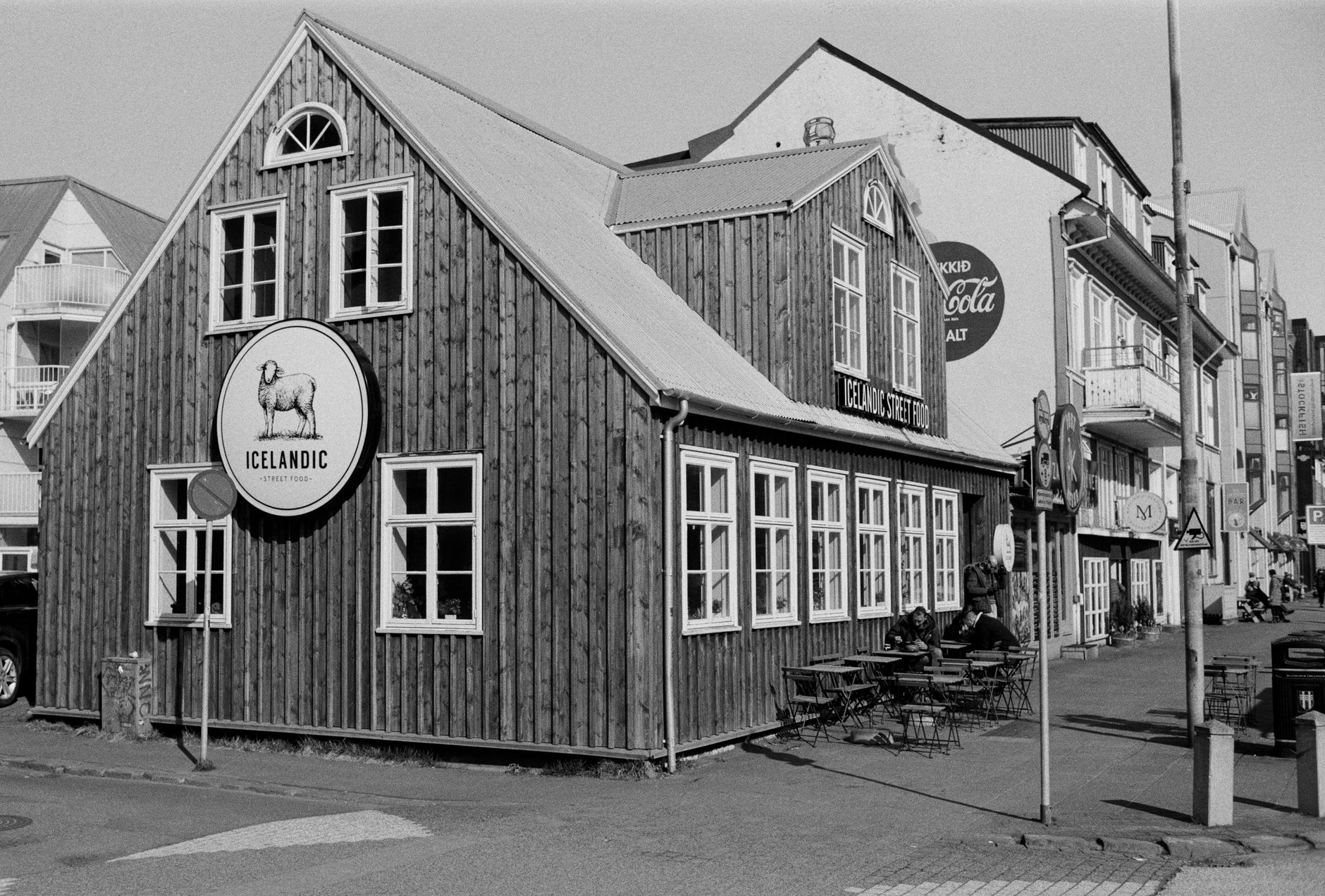
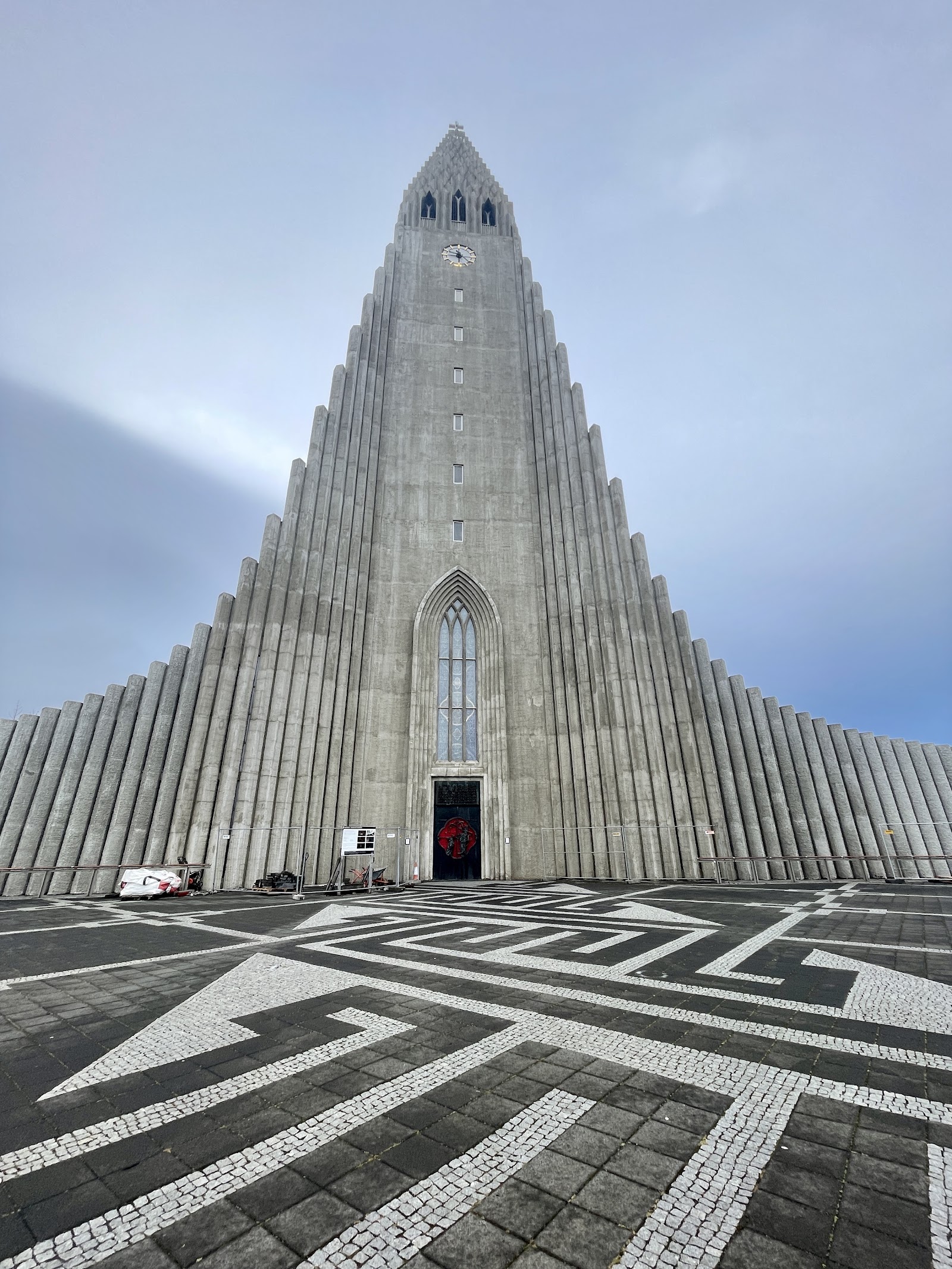
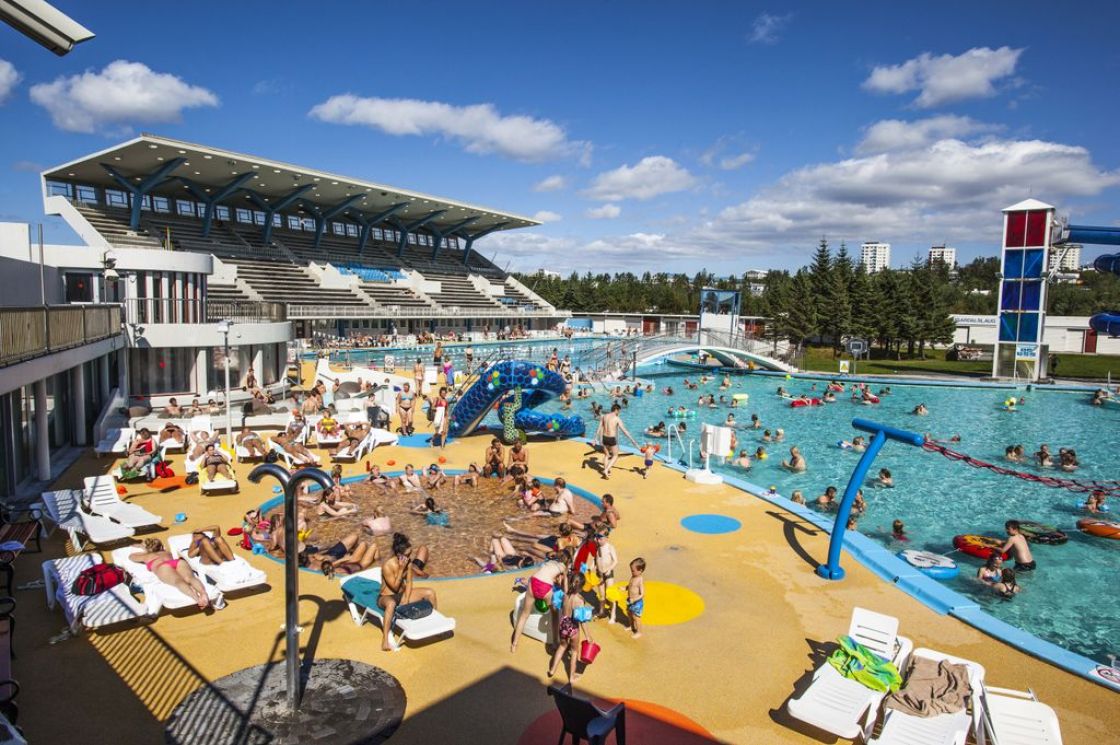
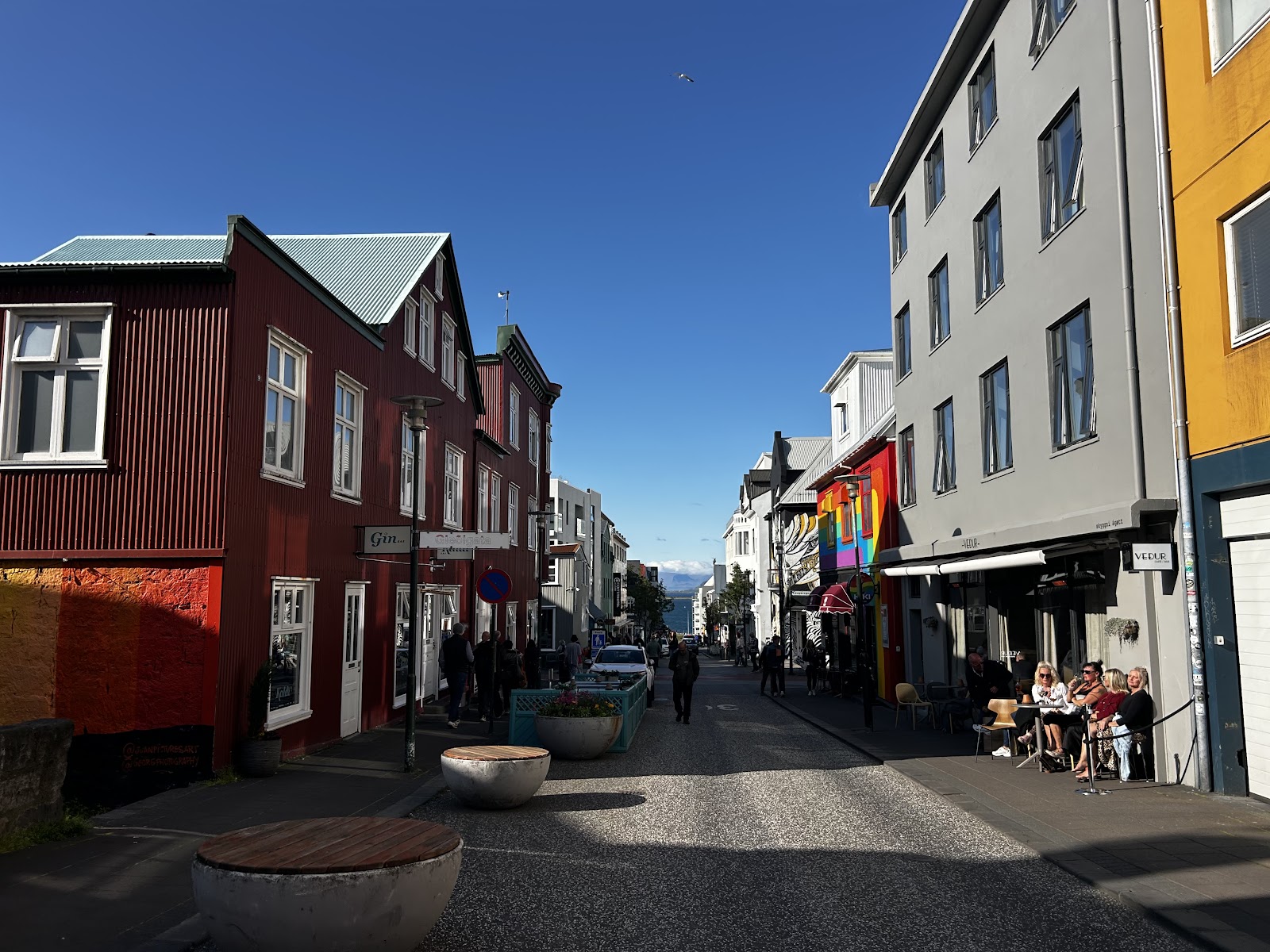
Stand on Skólavörðustígur — the long, rainbow-painted street that climbs toward Hallgrímskirkja — and the church's concrete facade reads exactly like what it is: basalt columns frozen mid-eruption, scaled up to 74.5 metres. The whole city works like that. Hot water piped from nearby springs heats the buildings, fills the outdoor pools, and once served the women who did laundry in the geothermal streams of Laugardalur valley. Reykjavík runs on the same geology that made Iceland in the first place.
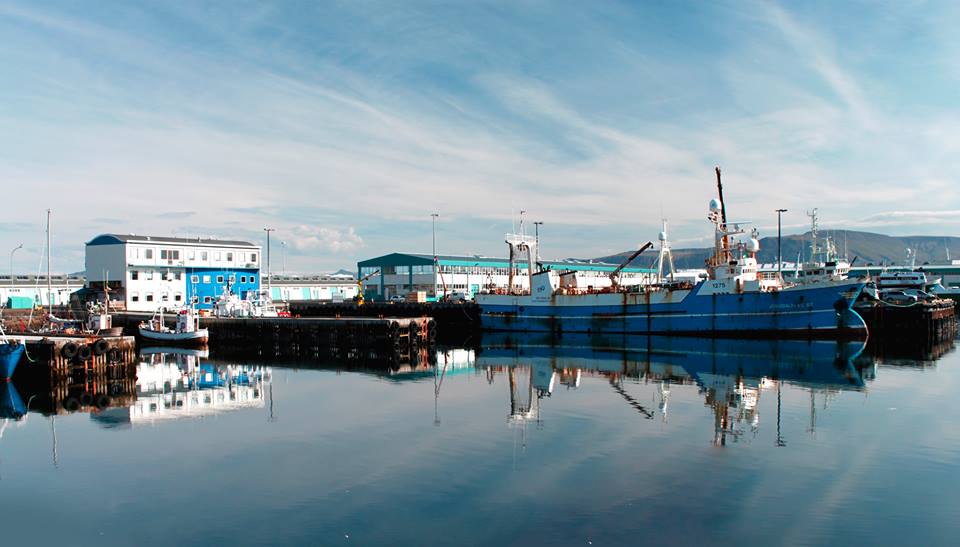
It is also, by any measure, a small city — the kind where a single afternoon walk connects the Parliament, the cathedral, the harbour, and a decent bar. That compactness is the point. You are never far from either the water or the lava field the whole place was built on top of.
💛 What travellers fall for
People who keep coming back tend to pay for the tower ticket at Hallgrímskirkja (1,500 ISK) and skip the interior organ — impressive on paper, less so in person. They eat and drink along Laugavegur at night, then drift to Hverfisgata when the main strip gets loud. And they always bring a proper waterproof, even in July.
Deals in Reykjavik
Book directly at the provider
How Reykjavik came to be
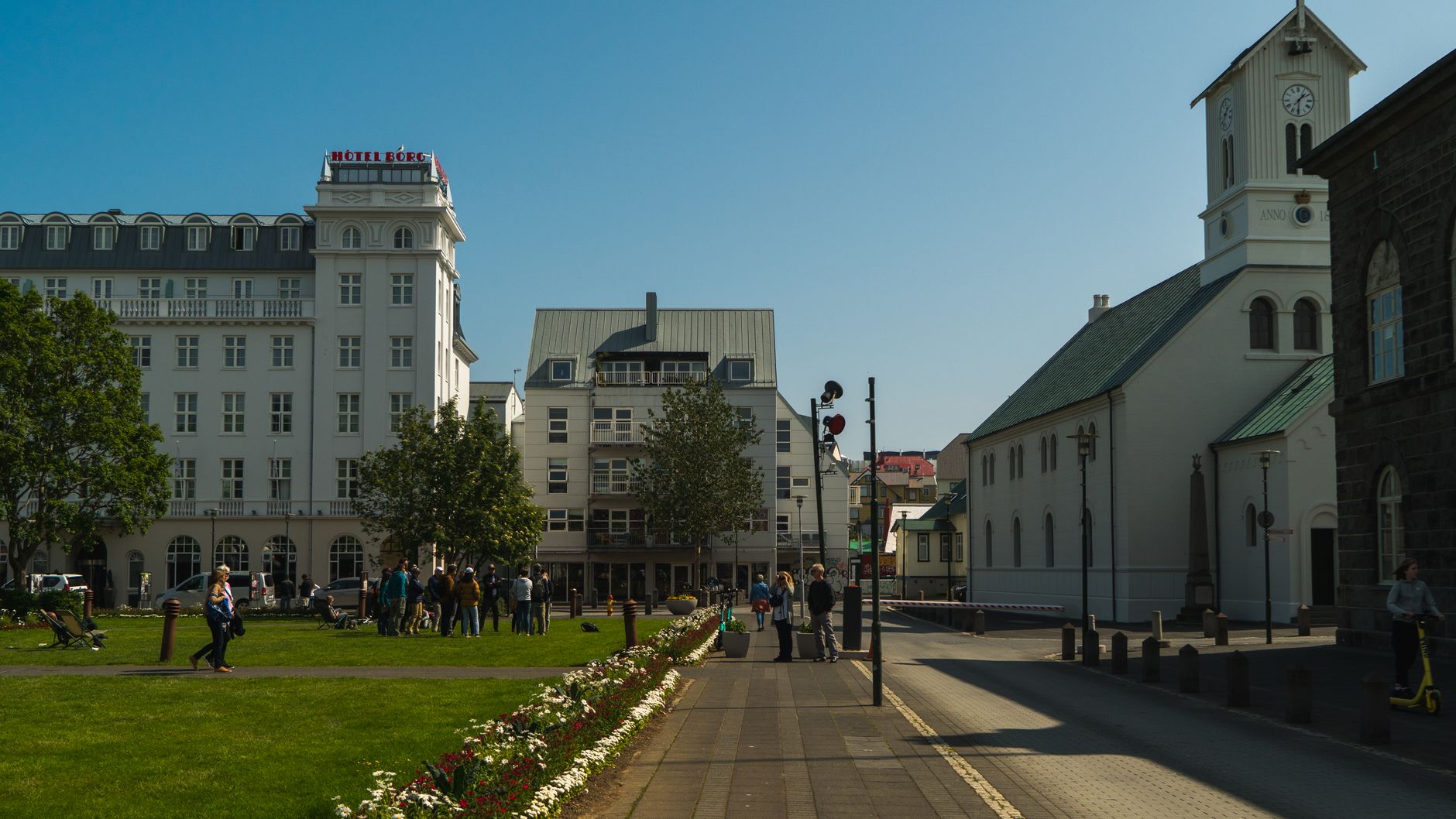
A Norse settler named Ingólfur Arnarson arrived from Norway in 874, and for the next nine centuries almost nothing was built. The land sat as farms and common ground until 1786, when the Danish Crown dismantled its trade monopoly and issued charters to six communities. Reykjavík was one of them — and the only one to hold its charter permanently, which is why 1786 stands as the city's official founding date.
The real urban push came earlier in spirit than in stone. In the 1750s, a local sheriff named Skúli Magnússon established wool workshops that gave the settlement an economic reason to exist beyond fishing. He is remembered as the Father of Reykjavík. The Parliament Building followed in 1881, the same decade the city was growing into something that looked like a capital — a role it made formal when Iceland declared itself a republic in 1944.
Who and what shaped it
People who shaped it
Landmark buildings
See Reykjavik in motion
Plan your visit
On the map
When to go
Summers run cool — highs rarely above 15°C — but June and July deliver over twenty hours of daylight, which changes everything about how the city feels. Winter is dark, raw, and often windy, with only four or five hours of usable light in January; come then for the aurora and low crowds, not for comfort.
Right now
↡ Attractions


Background & history adapted from Wikipedia (CC BY-SA) · specs from Wikidata (CC0) · weather from Open-Meteo · map data © OpenStreetMap contributors · photos from Wikimedia Commons / Unsplash with per-image credit. No third-party reviews or social posts reproduced.