
Dublin

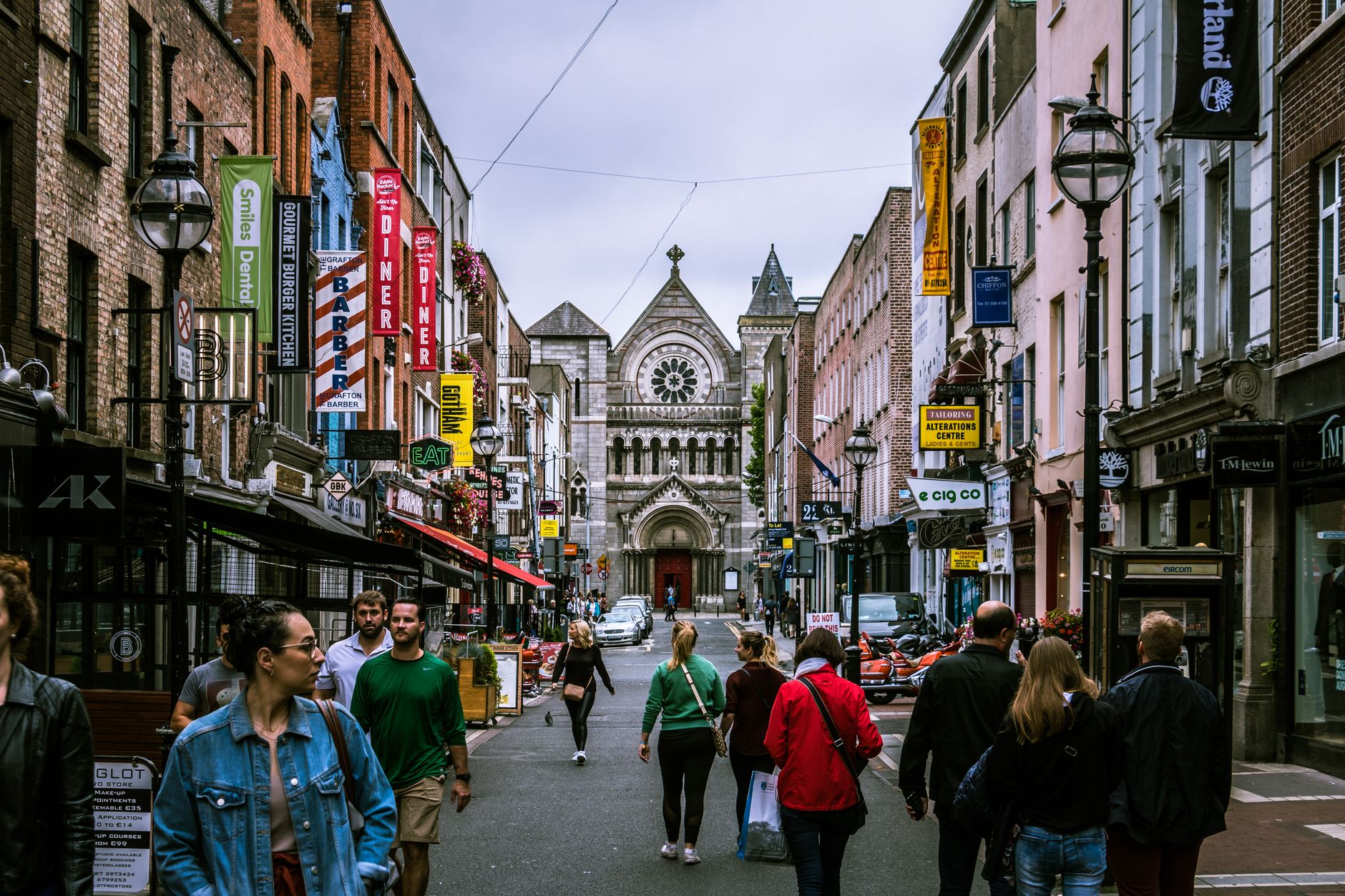
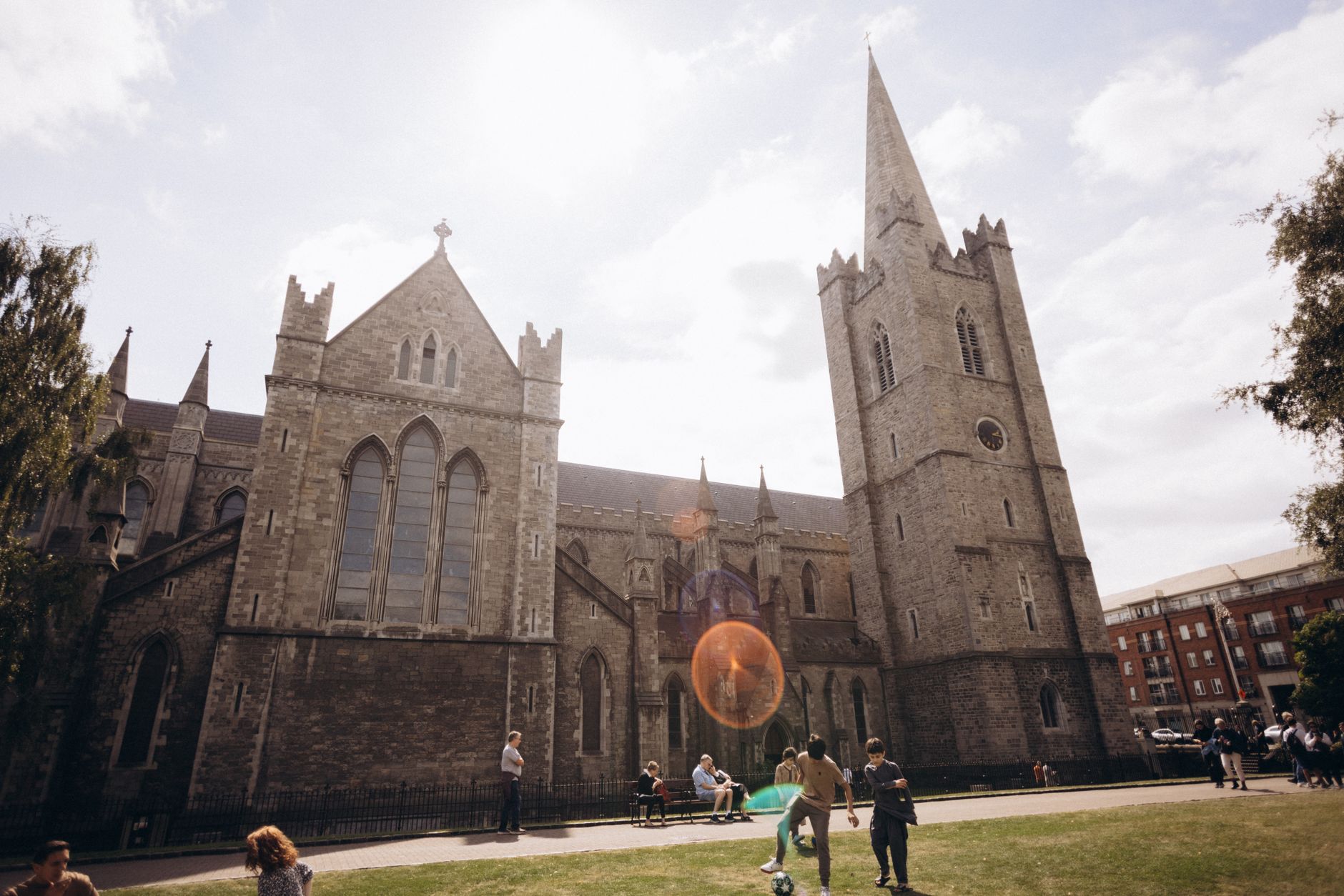
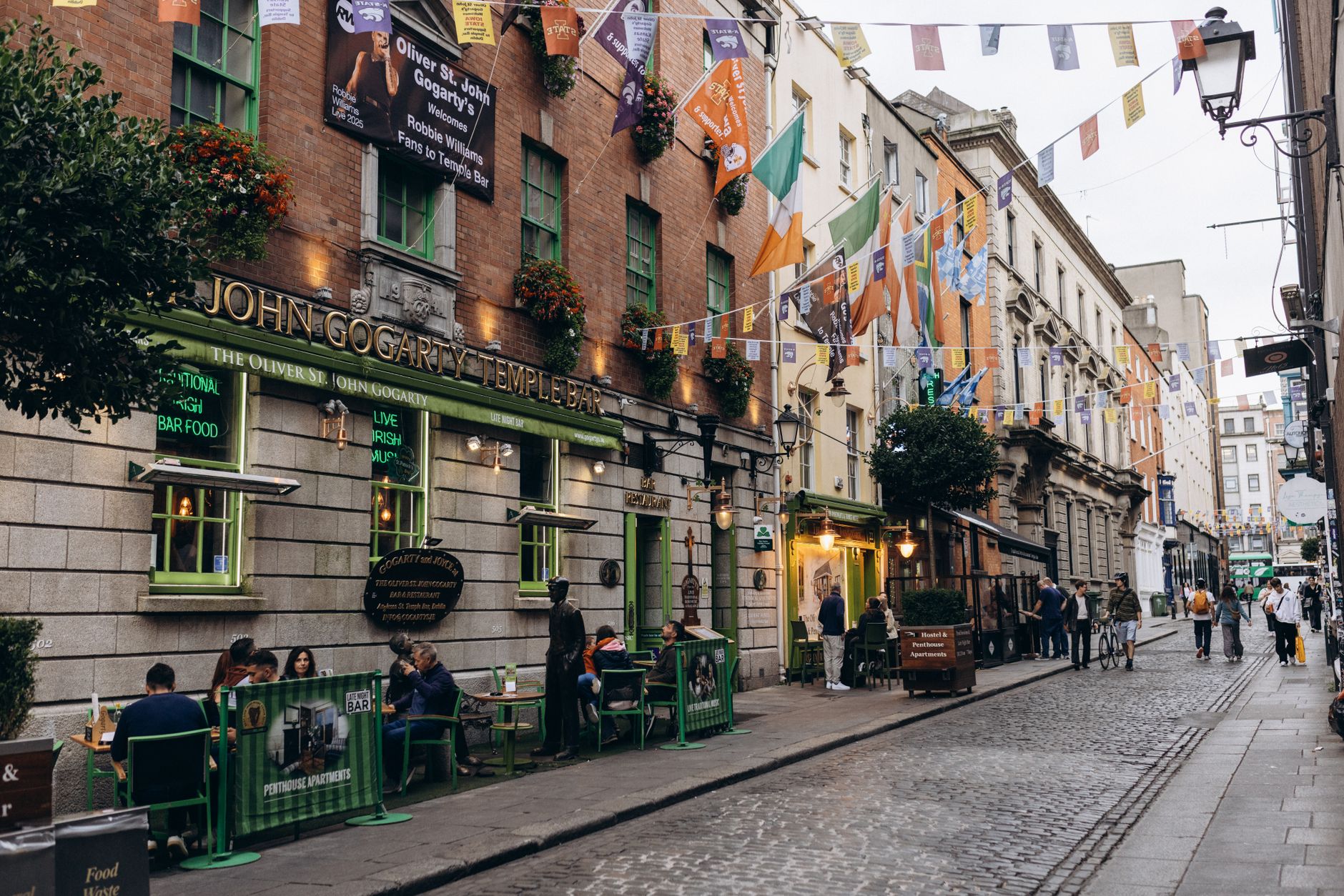
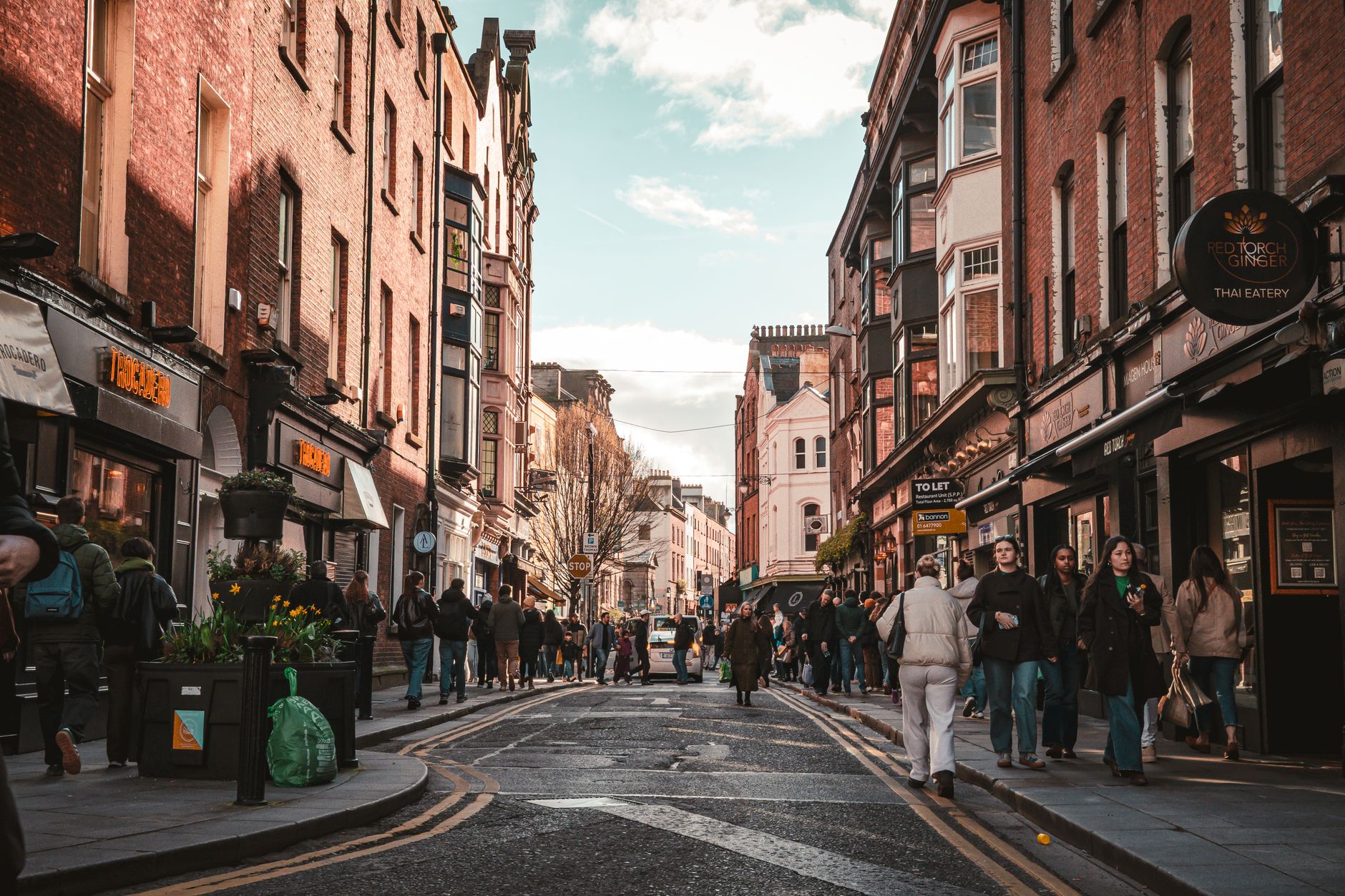

Dublin is a city where the Viking street plan still shapes your walk and a Georgian door still catches your eye every few steps. The River Liffey divides north from south, and the two sides have always had a slightly different personality — the south carrying old money and university stone, the north carrying O'Connell Street's wide civic ambition and the GPO, which opened in 1818 and became, nearly a century later, the stage for a revolution.
The city centre is compact enough that you can walk from Trinity College to the Custom House in under half an hour, crossing centuries of architecture as you go.
💛 What travellers fall for
People who come back tend to pick a neighbourhood and stay in it properly. Merrion Square, where Oscar Wilde and W.B. Yeats both lived, rewards a slow circuit. The DART is worth riding at least once for the coastal light alone — 32 stations, and the sea appears before you expect it.
Deals in Dublin
Book directly at the provider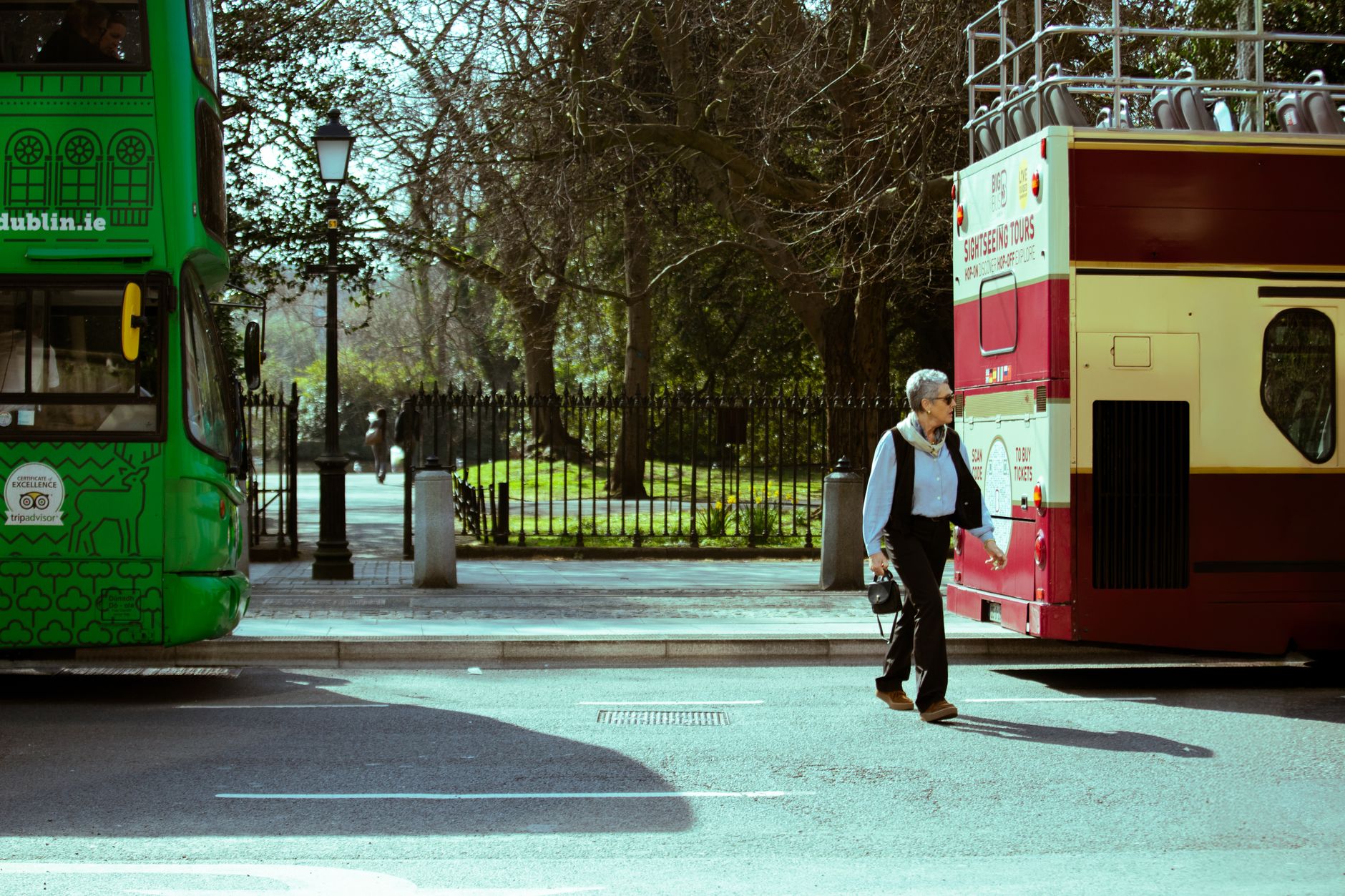


How Dublin came to be
Dublin began as a Viking settlement around 841, the name deriving from Duiblinn — 'black pool' — a reference to a tidal pool where the Poddle met the Liffey. The Vikings were expelled in 902, returned in 917, and held the city for nearly three centuries before Gaelic forces under Máel Sechnaill mac Domnaill took it in 988. The Normans arrived in the 12th century; Dublin Castle was founded in 1204 and served as the seat of British rule for over seven centuries.
The city rose to become the second city of the British Empire before the Easter Rising of 24 April 1916 changed its trajectory entirely. The GPO on O'Connell Street was the command centre of that uprising. After the Civil War of 1922–23, an independent Ireland made Dublin its political capital, and the city rebuilt itself around that role.
Who and what shaped it
People who shaped it
Landmark buildings
See Dublin in motion
Plan your visit
On the map
When to go
Dublin's oceanic climate means cool, damp weather year-round — winter sits around 5°C with little snow, and summers are mild rather than warm. Rain is possible in any month, so a layer you can peel off is more useful than a heavy coat.
Right now
Background & history adapted from Wikipedia (CC BY-SA) · specs from Wikidata (CC0) · weather from Open-Meteo · map data © OpenStreetMap contributors · photos from Wikimedia Commons / Unsplash with per-image credit. No third-party reviews or social posts reproduced.