
Normandy
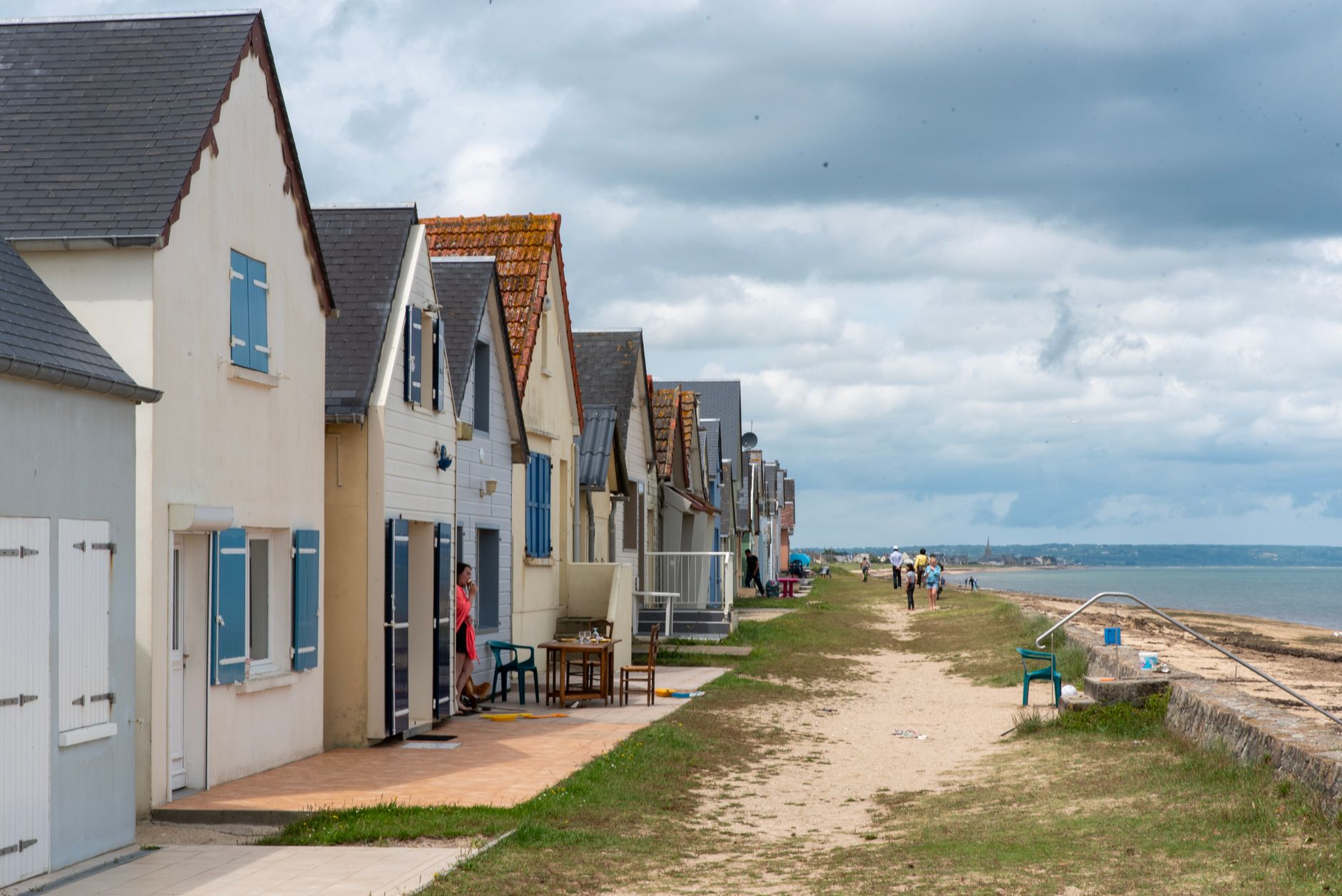
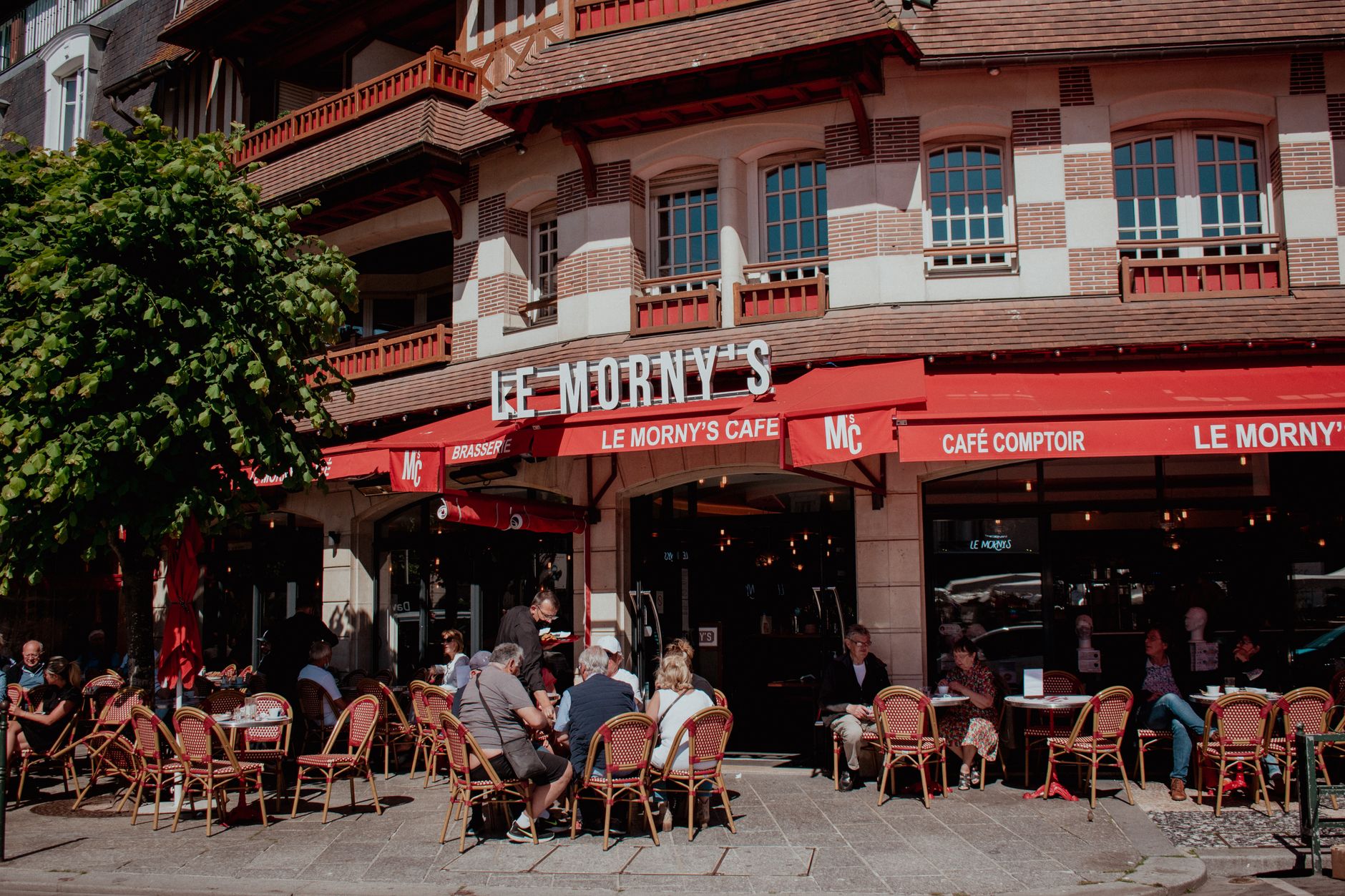
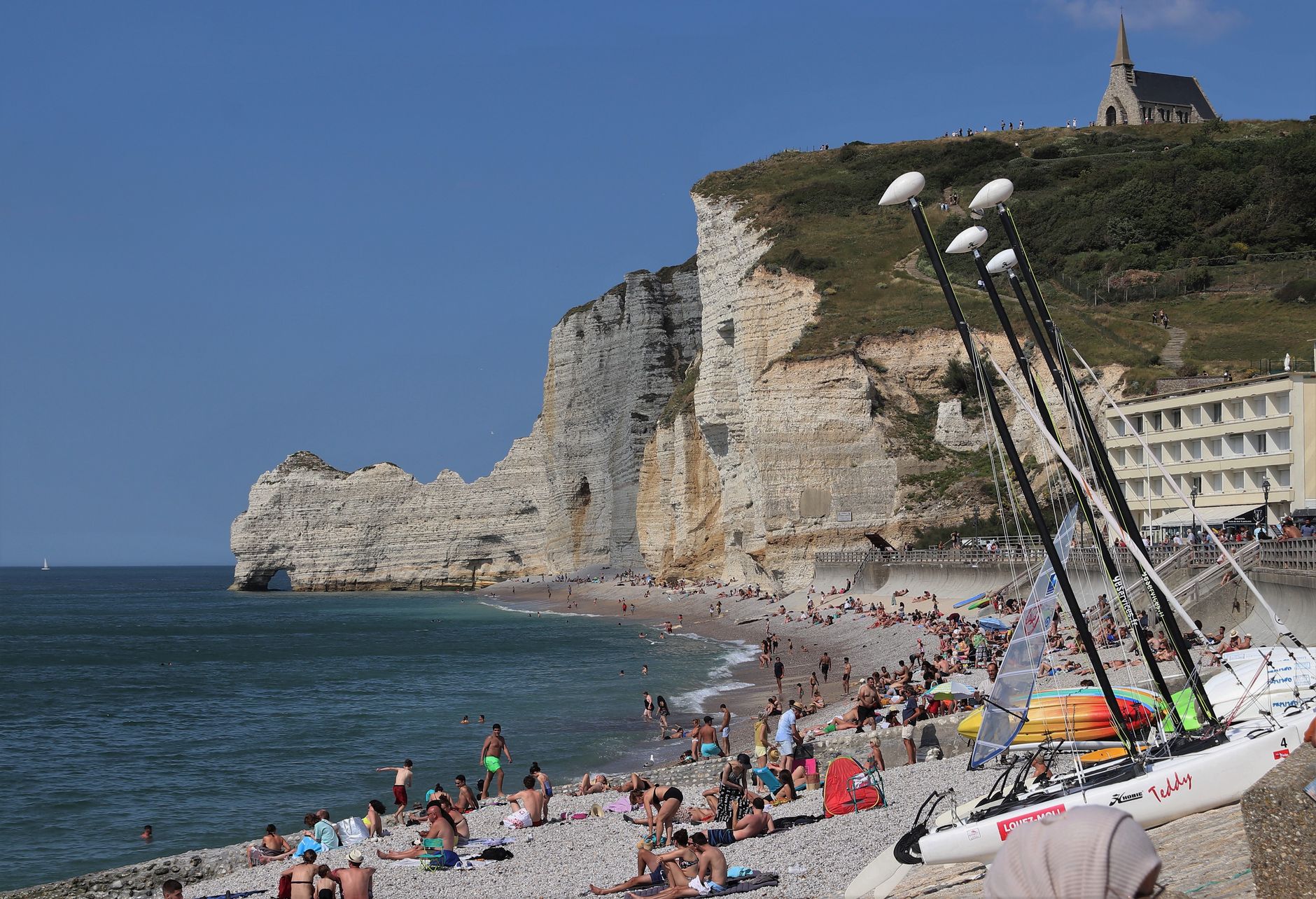
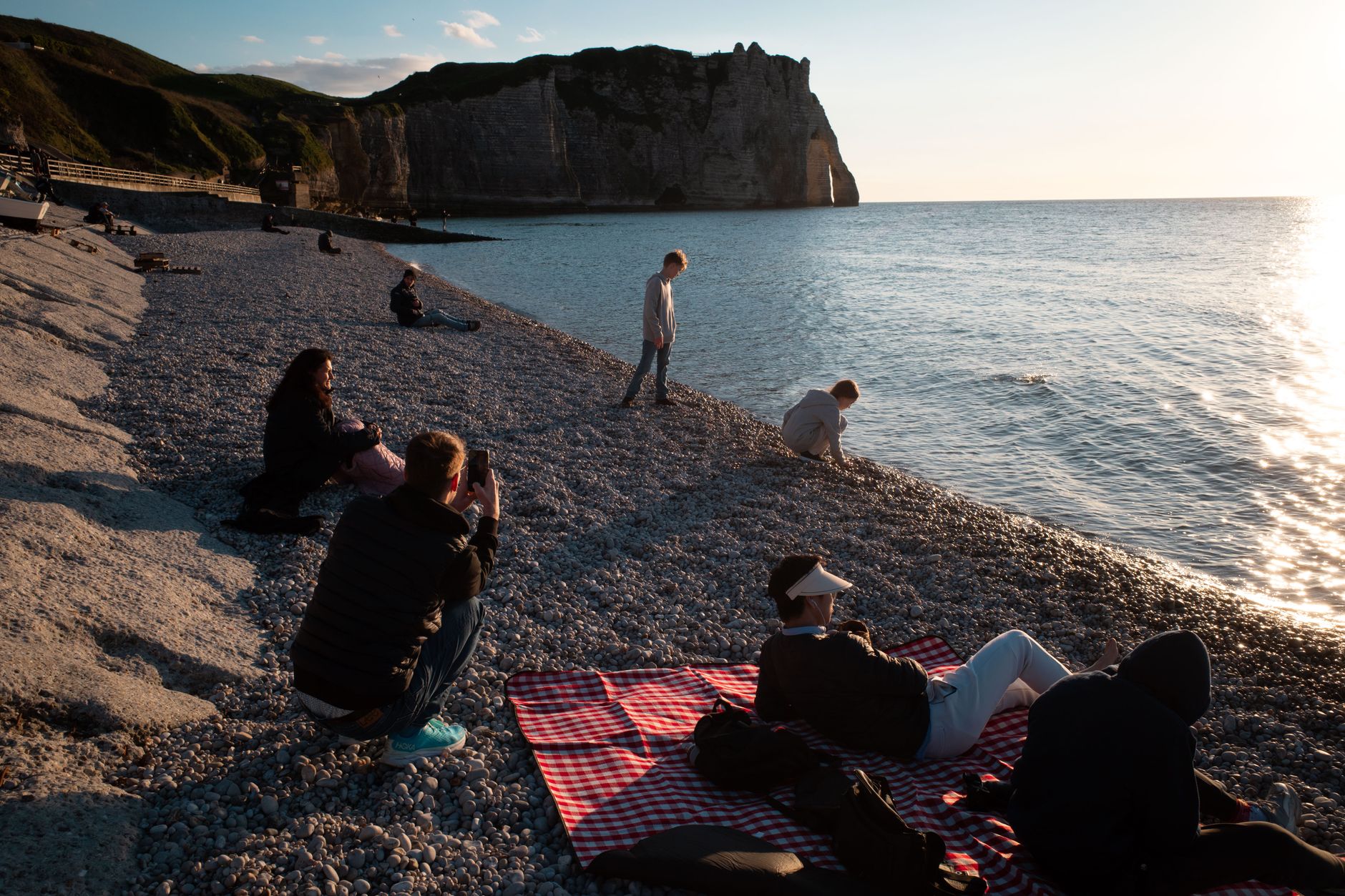
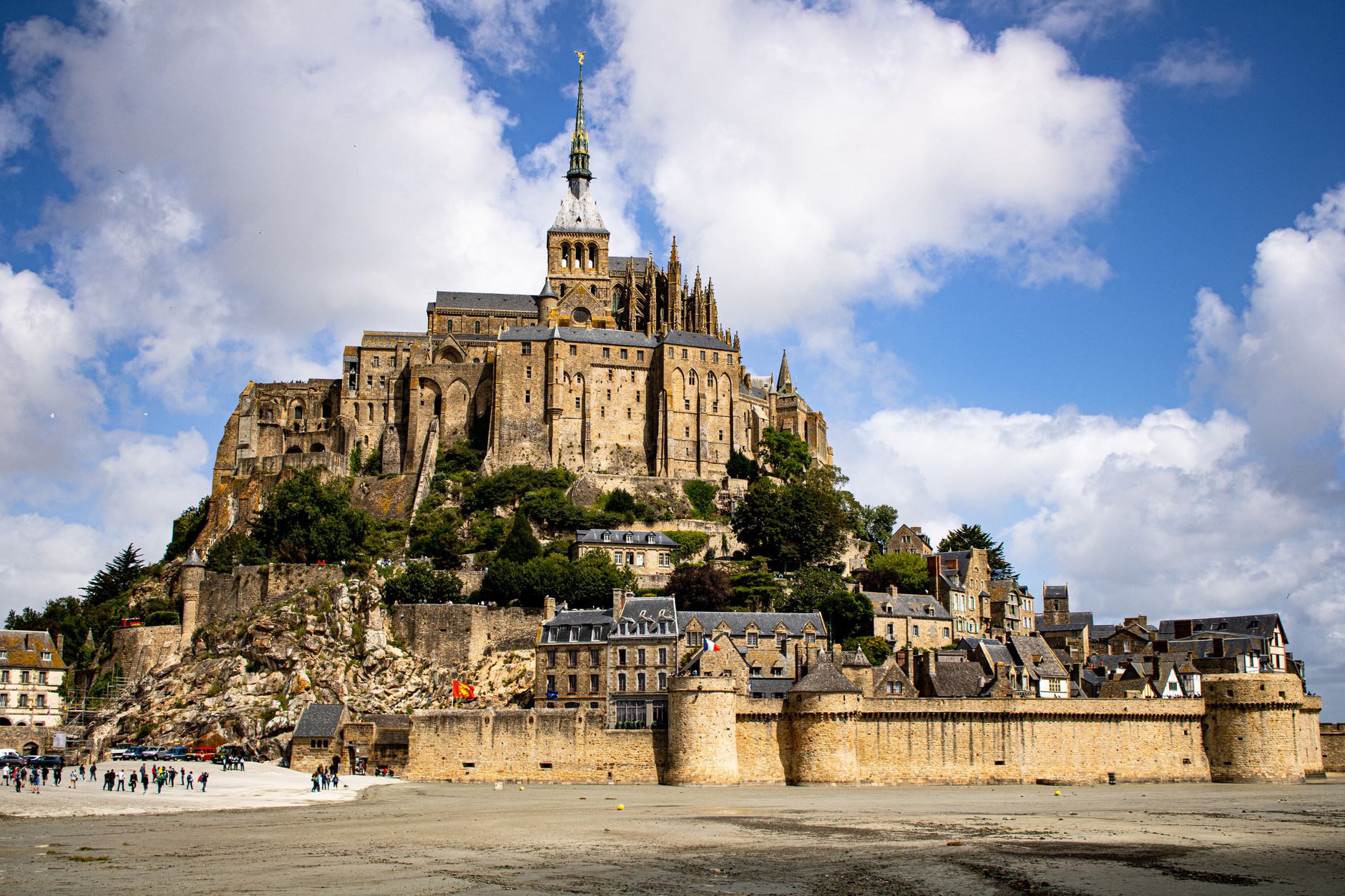
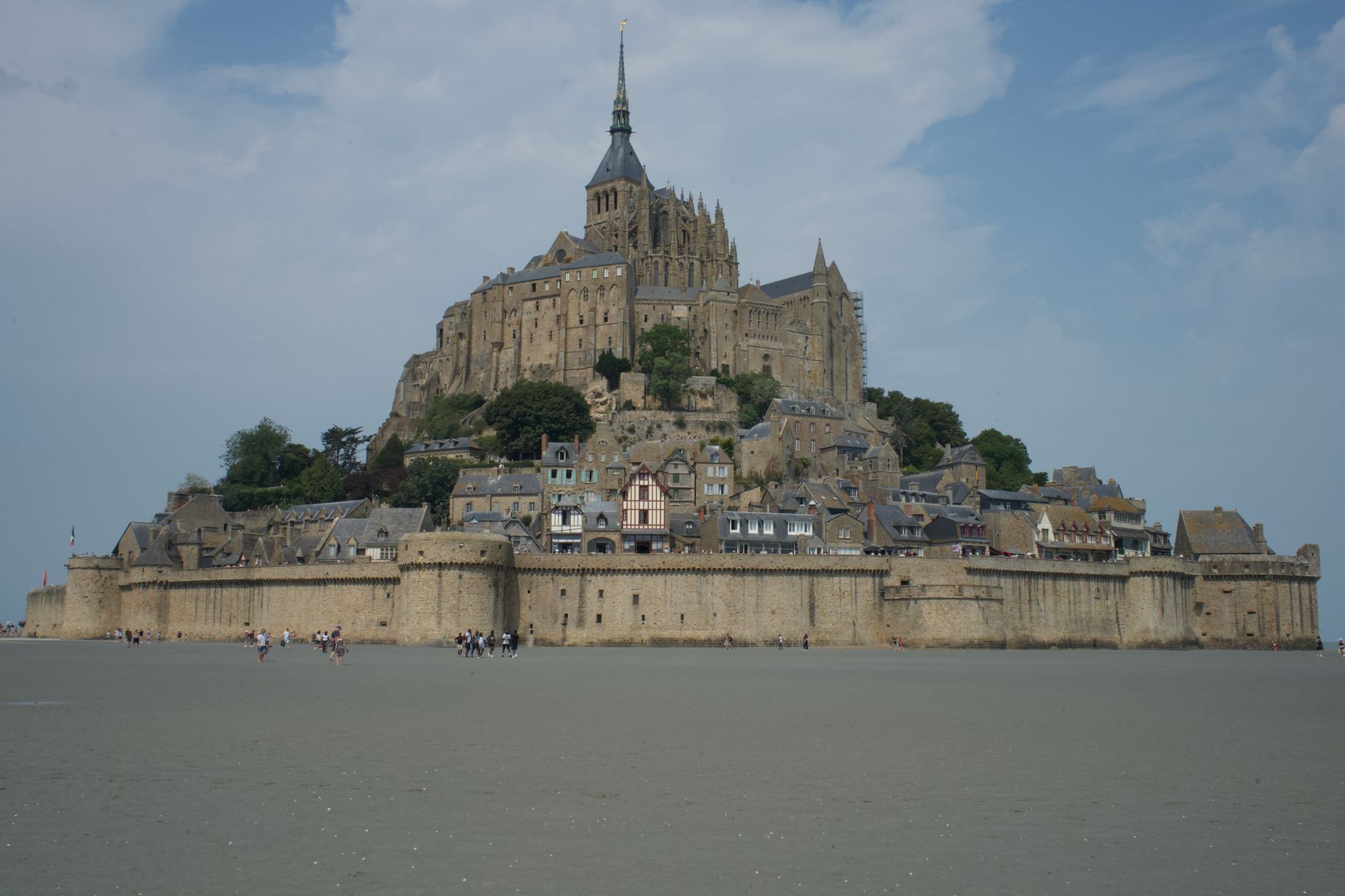
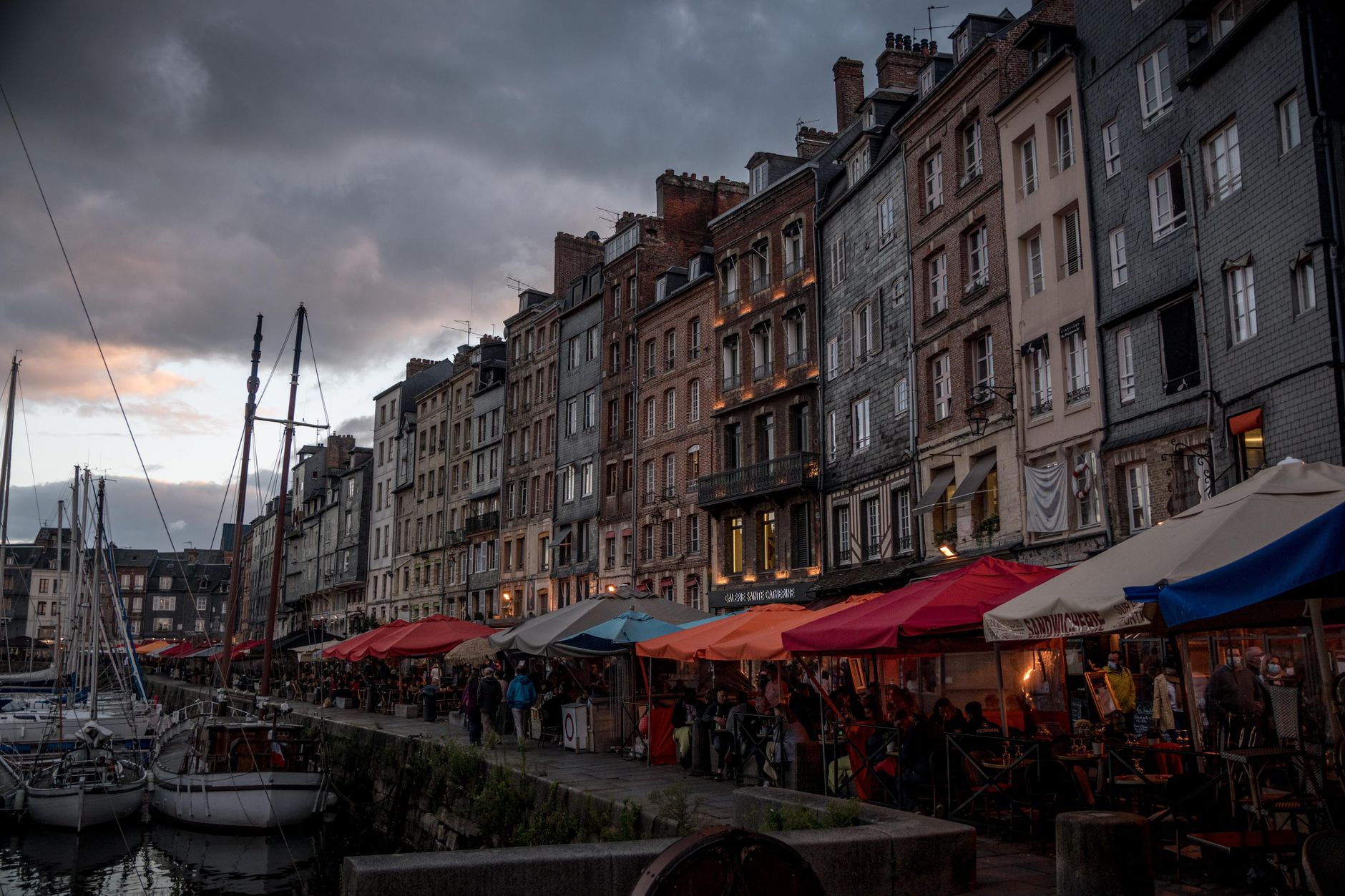
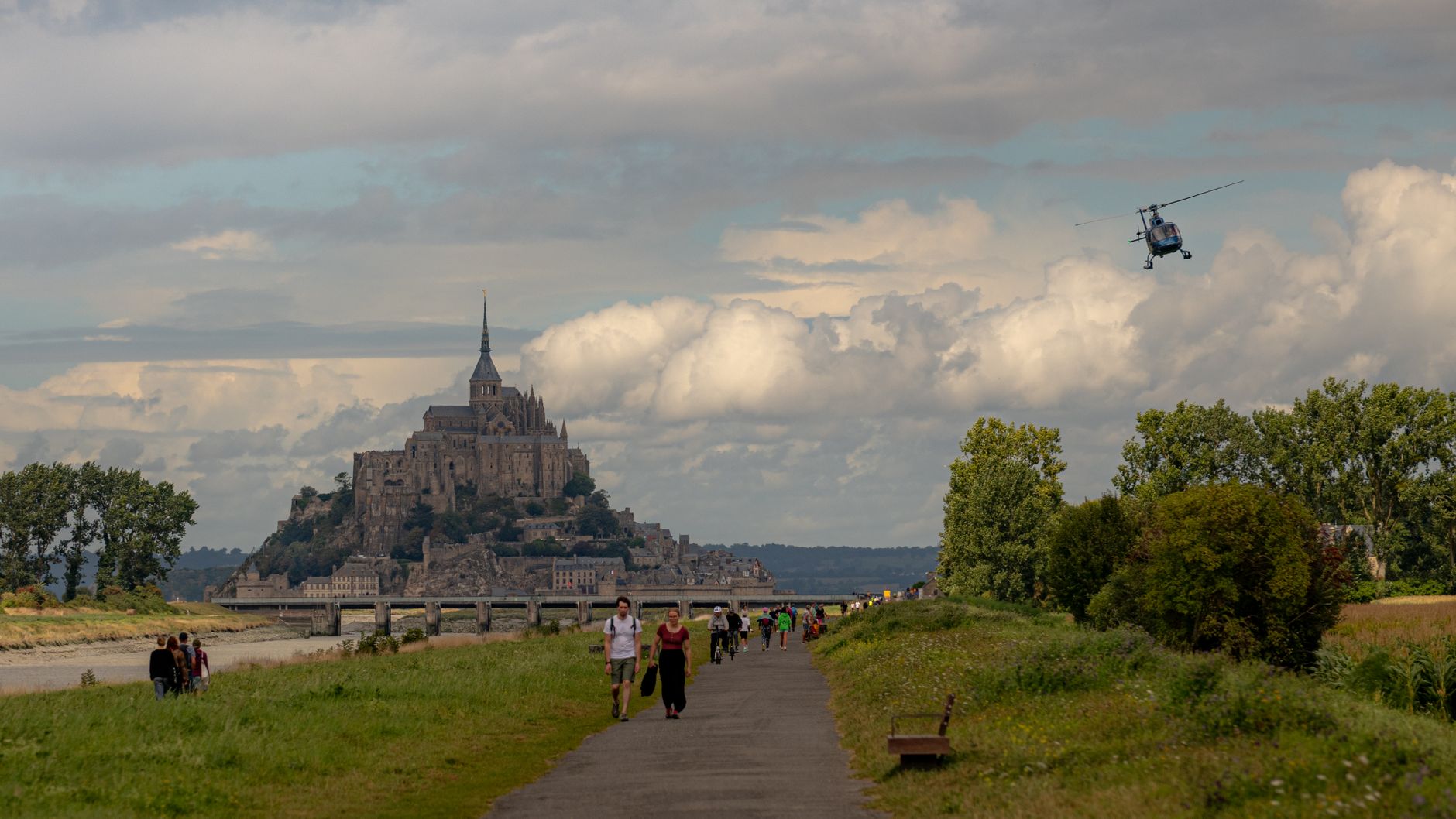
Two things pull people to Normandy, and they sit at opposite ends of the coast: a tidal rock crowned by a medieval abbey that has drawn pilgrims since 709, and five beaches where, on a single June morning in 1944, more than 156,000 Allied soldiers crossed the Channel and changed the course of the war. Between those two anchors lies a region of apple orchards, chalk cliffs, half-timbered market towns and a coastline that once supplied Impressionist painters with enough grey Atlantic light to last several careers.
Normandy rewards the traveller who slows down. The D-Day sites alone could fill three days if you want to move between beach sectors rather than rush a single stop, and Mont-Saint-Michel deserves an early morning before the day-trippers arrive. A car is close to essential for all of it.
Popular cities in Normandy
Experiences you don't want to miss


How Normandy came to be
Normandy takes its name from the Northmen who settled here after 911, when the French king Charles III ceded the territory to the Viking chief Rollo. Those settlers became the Normans, and in 1066 Rollo's descendant William, Duke of Normandy, crossed the Channel, defeated the English at Hastings and became William I of England — binding the two kingdoms in ways that shaped European history for centuries. The duchy passed back to French control in 1204 when Philip II conquered it from King John of England.
The region's modern identity was forged on 6 June 1944. Operation Overlord — the largest seaborne invasion in history — brought American, British and Canadian forces onto five fortified beaches: Utah, Omaha, Gold, Juno and Sword. The campaign began the liberation of Western Europe from German occupation, and the beaches, cemeteries and memorials scattered along this stretch of coast remain one of the most visited and most quietly affecting landscapes in France.
Who and what shaped it
People who shaped it
Landmark buildings
See Normandy in motion
Plan your visit
On the map
When to go
Normandy is mild and famously damp year-round, with the most reliable dry spells running from May through September. Summer days are warm rather than hot, and the coastal light in early morning or late afternoon has a soft, diffuse quality that makes the landscape feel almost painterly — which is, of course, exactly what drew artists here. Winter is grey and wet, but the crowds thin dramatically, and the D-Day sites in particular carry a different weight when you have them nearly to yourself.
Right now
↡ Cities
No places match these filters.
Background & history adapted from Wikipedia (CC BY-SA) · specs from Wikidata (CC0) · weather from Open-Meteo · map data © OpenStreetMap contributors · photos from Wikimedia Commons / Unsplash with per-image credit. No third-party reviews or social posts reproduced.