
Rouen
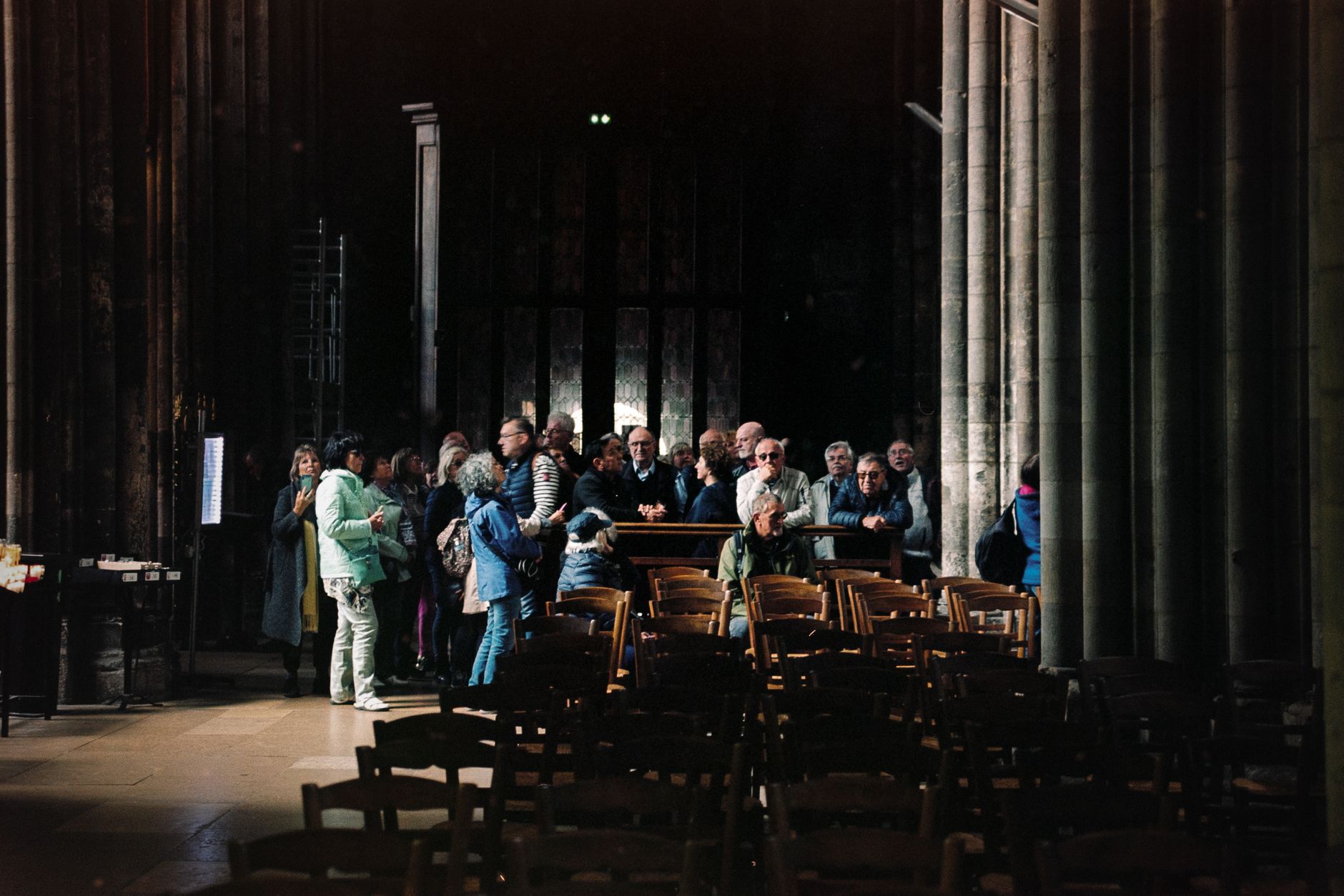
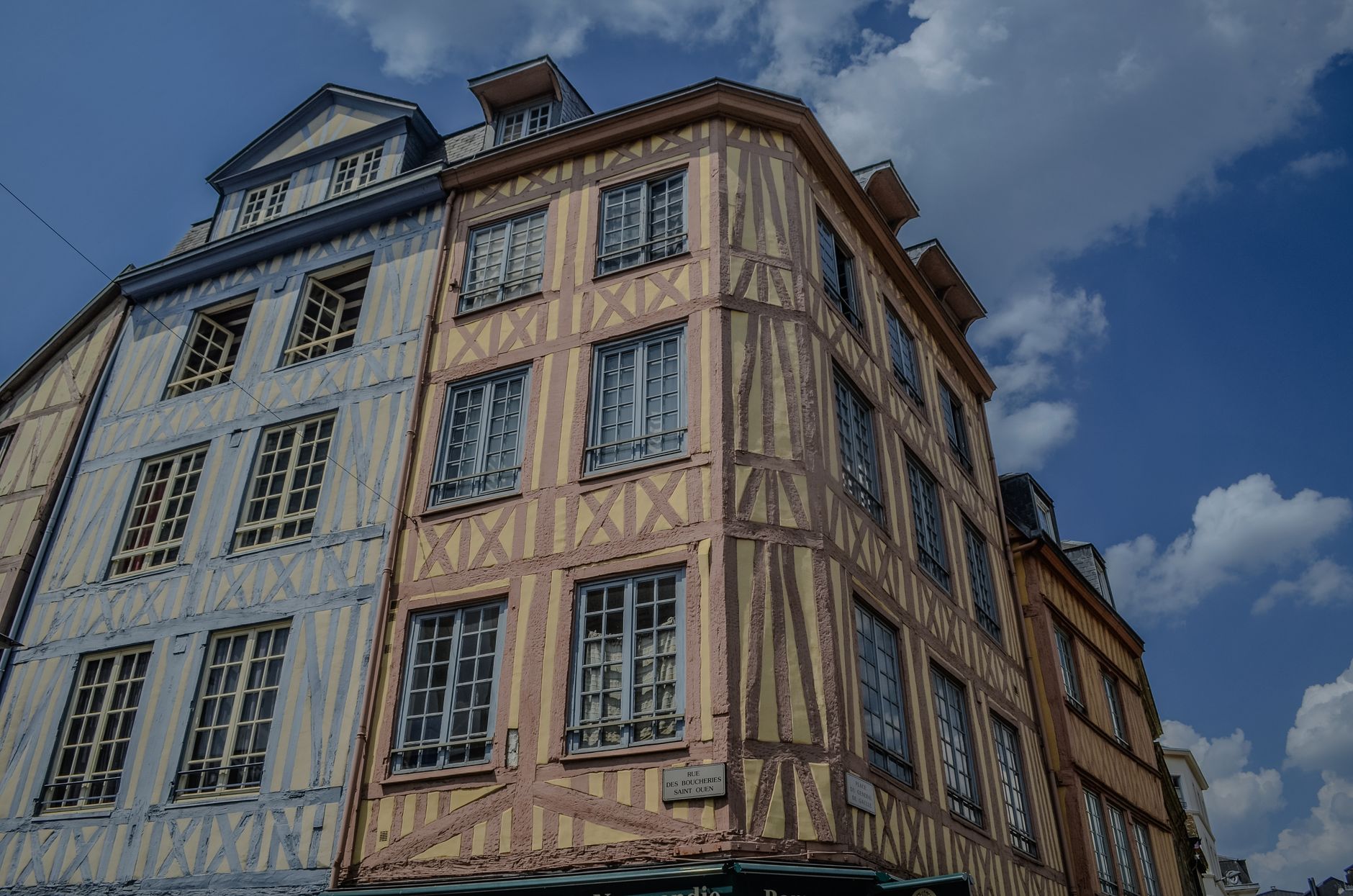
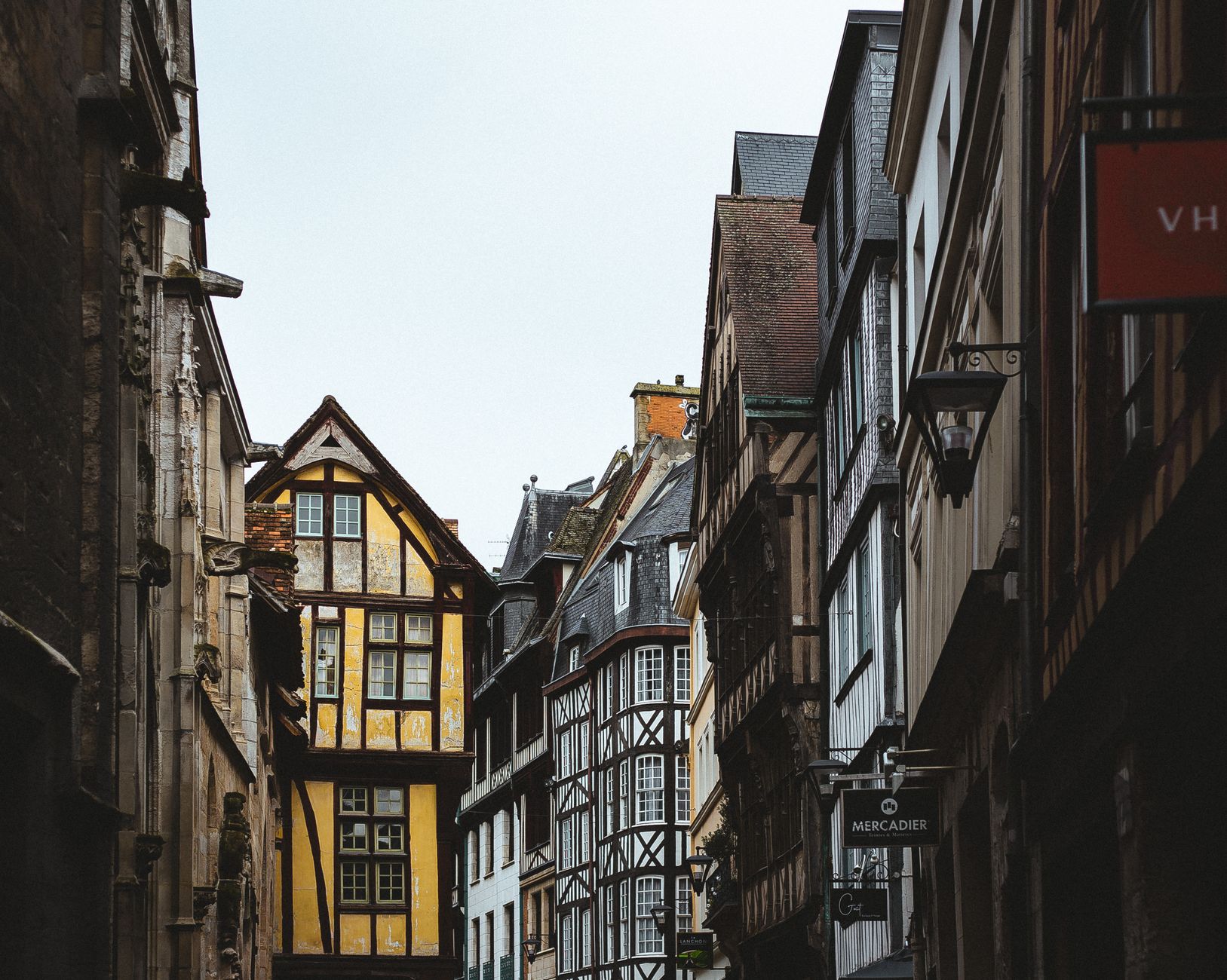
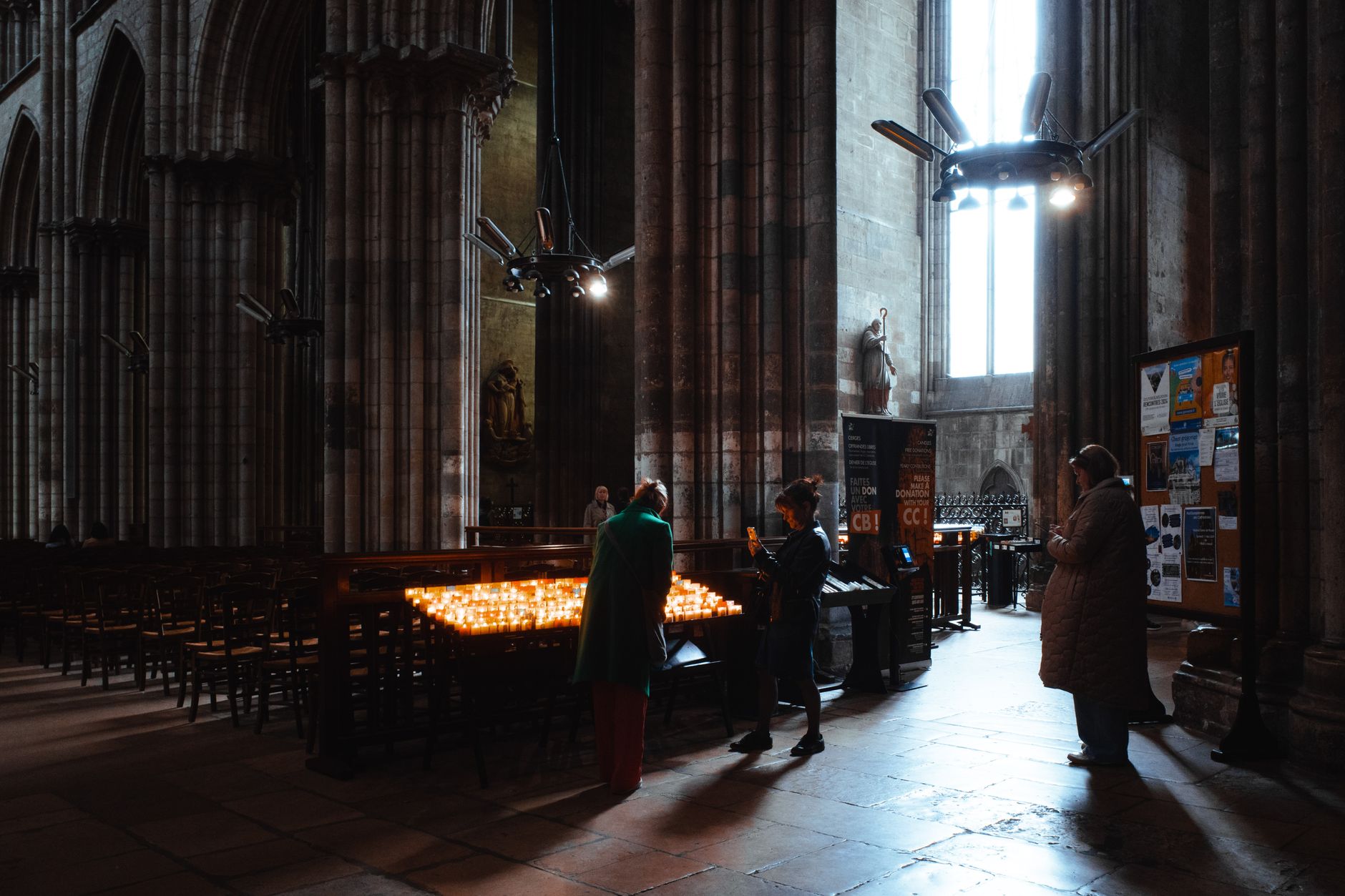
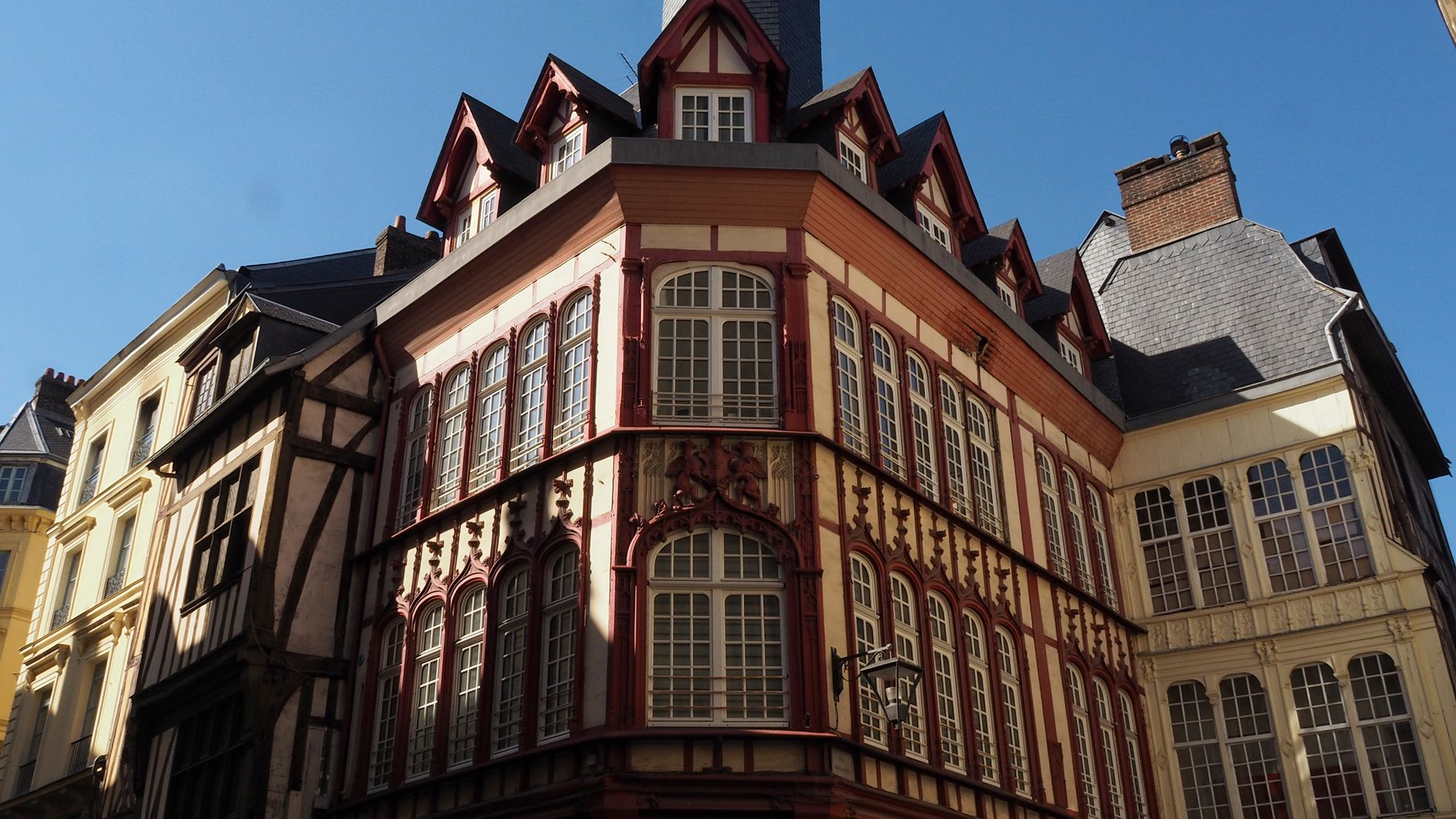
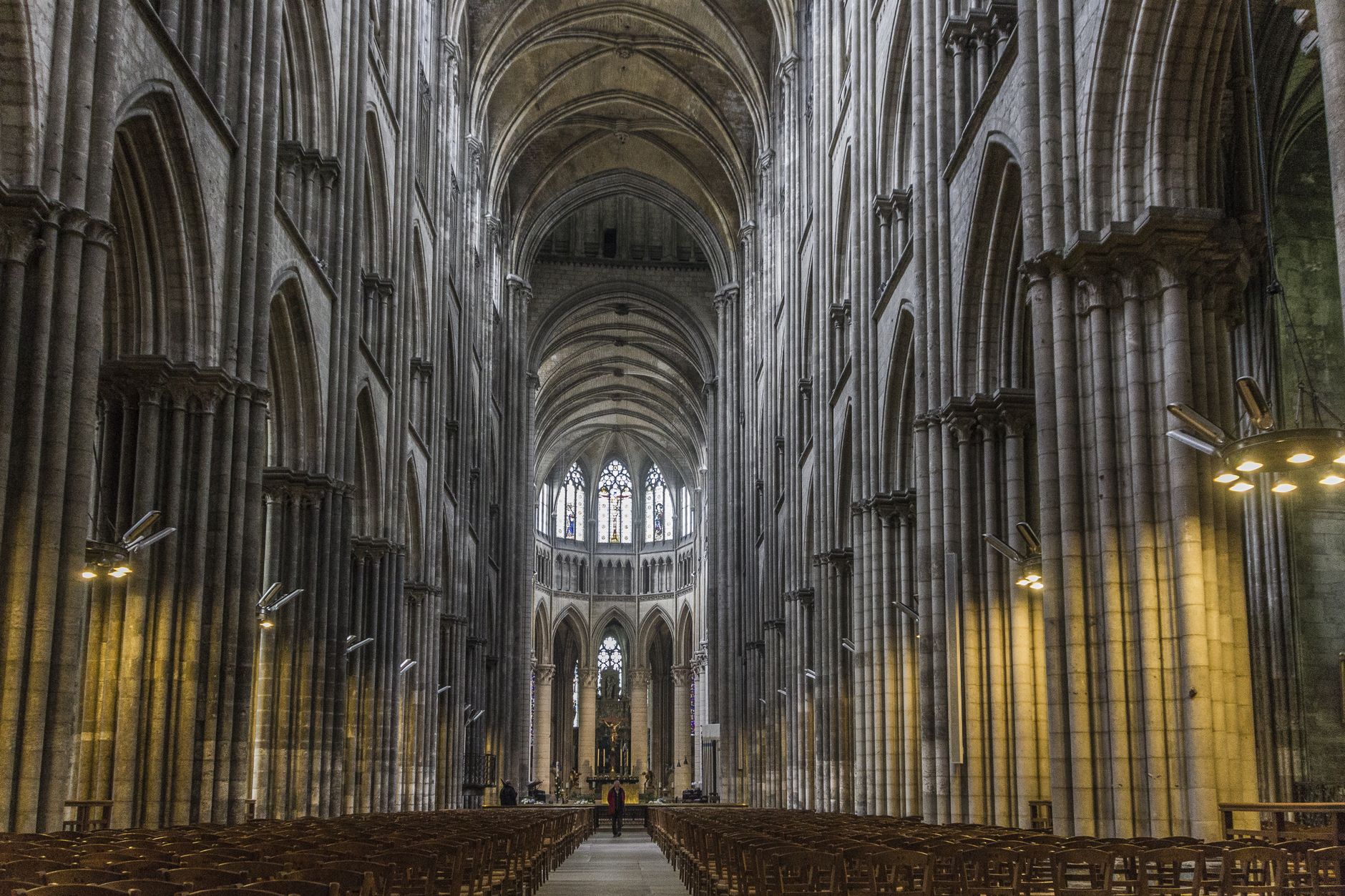
Stand on Rue du Gros-Horloge at dusk and the city announces itself clearly: a 14th-century archway carrying a clock made in 1389, half-timbered houses leaning over cobblestones, and at the end of the street, the west face of a Gothic cathedral that Monet painted dozens of times trying to catch the light. Rouen is a city that has been burning and rebuilding since the Romans called it Rotomagus — second city of Gaul, Viking capital, English-occupied stronghold, Allied bomb target. The layers are visible everywhere you look.
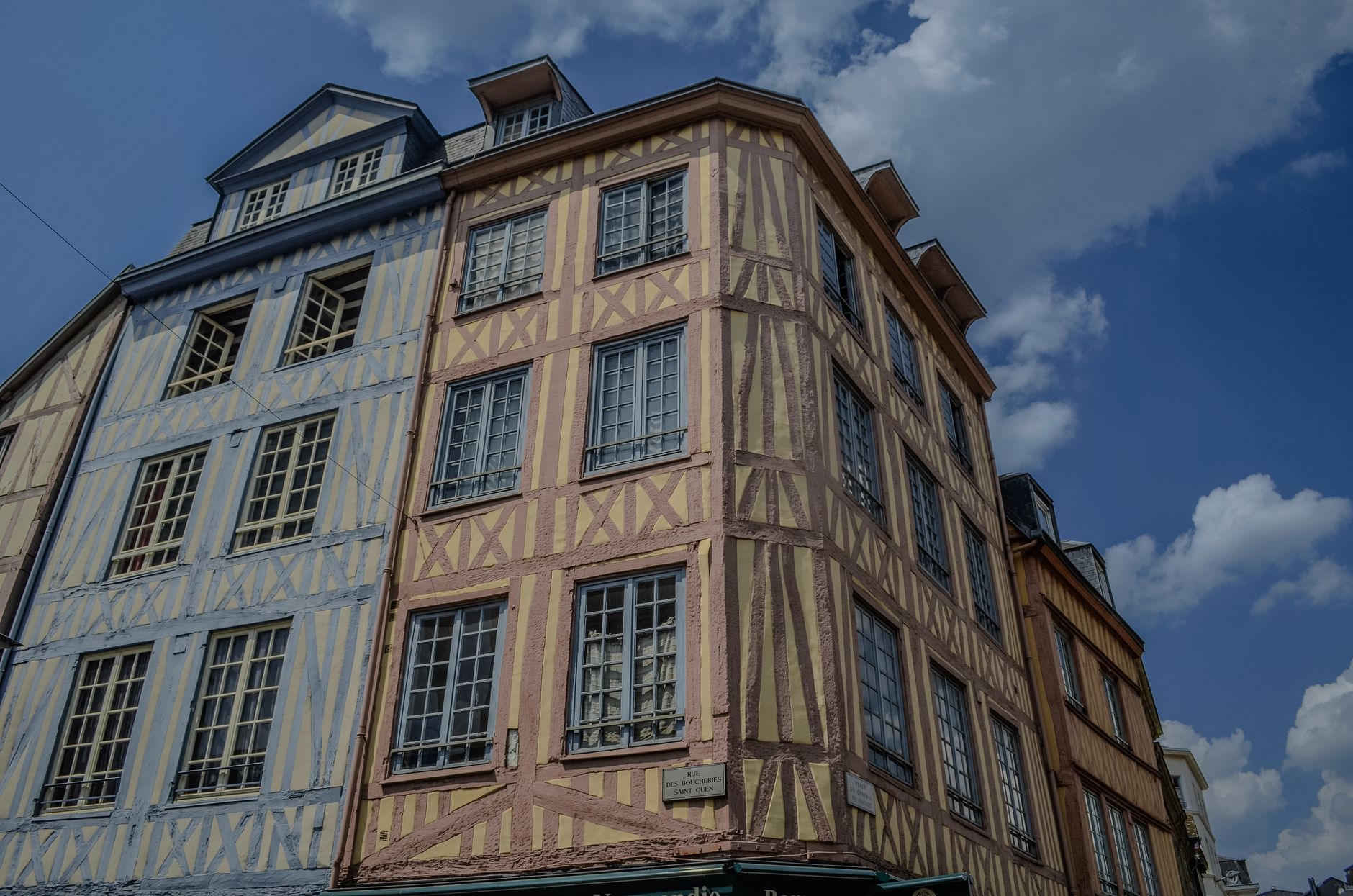
The Seine bends through it, and the old city sits on the right bank, compact enough to walk. Two thousand half-timbered houses survive here, around two hundred of them dating to the early Middle Ages. The cathedral's cast-iron spire was briefly the tallest structure in the world. History in Rouen is not curated into a district — it's the texture of the place.
💛 What travellers fall for
People who come back tend to mention the Aître Saint-Maclou — the medieval plague ossuary with skulls and bones carved into its wooden galleries, now quietly occupied by an art school. It's easy to miss on a first visit. So is the Historial Jeanne d'Arc inside the Archbishop's Palace, where you can stand in the room where Joan's conviction was pronounced in 1431 and her rehabilitation confirmed in 1456.
Experiences you don't want to miss


Deals in Rouen
Book directly at the provider

How Rouen came to be
The Gauls were here first, under the name Ratumacos, before Rome rebuilt it as Rotomagus — regional capital, road junction, river port. After Rome, it became a Merovingian seat of power, then fell to Viking raids in 841. The resolution came in 911: a Viking leader named Rollo was granted the county of Rouen by the French king, founding what would become the Duchy of Normandy. The city's next five centuries moved between French and English hands — Philip Augustus took it from the English in 1204; Henry V sieged it back in 1419.
The most consequential day in Rouen's recorded history is 30 May 1431, when Joan of Arc was burned in the Place du Vieux-Marché. The English occupation lasted until 1449. The 1944 Allied bombardments caused serious damage, though the medieval core survived substantially intact.
Who and what shaped it
People who shaped it
Landmark buildings
See Rouen in motion
Plan your visit
On the map
When to go
Rouen sits in the Seine valley and gets reliable rain year-round — pack a layer even in July. Spring and September offer mild temperatures and softer light; winters are grey but rarely harsh, and the city empties of tourists almost entirely.
Background & history adapted from Wikipedia (CC BY-SA) · specs from Wikidata (CC0) · weather from Open-Meteo · map data © OpenStreetMap contributors · photos from Wikimedia Commons / Unsplash with per-image credit. No third-party reviews or social posts reproduced.