
Cherbourg-en-Cotentin
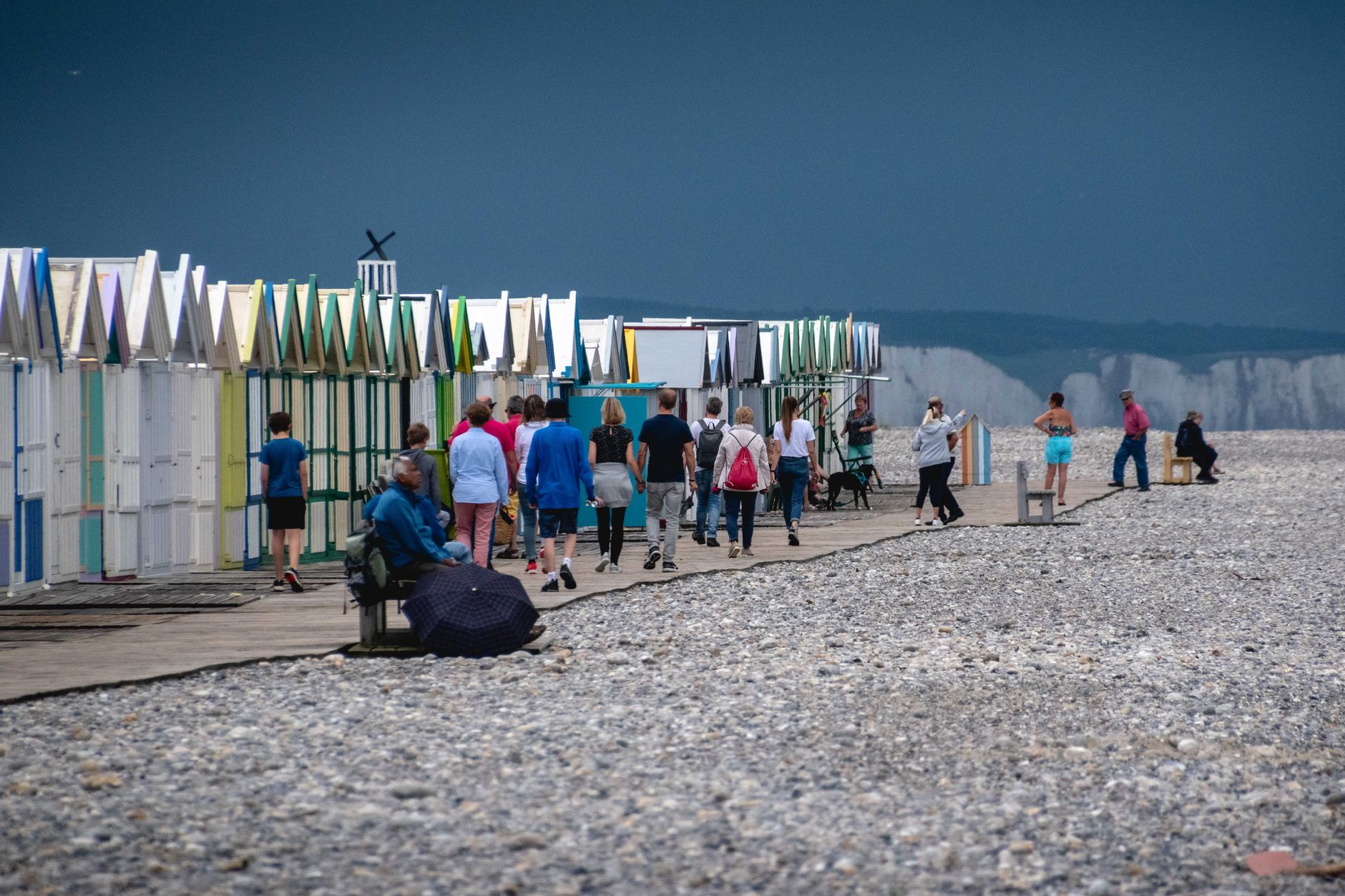
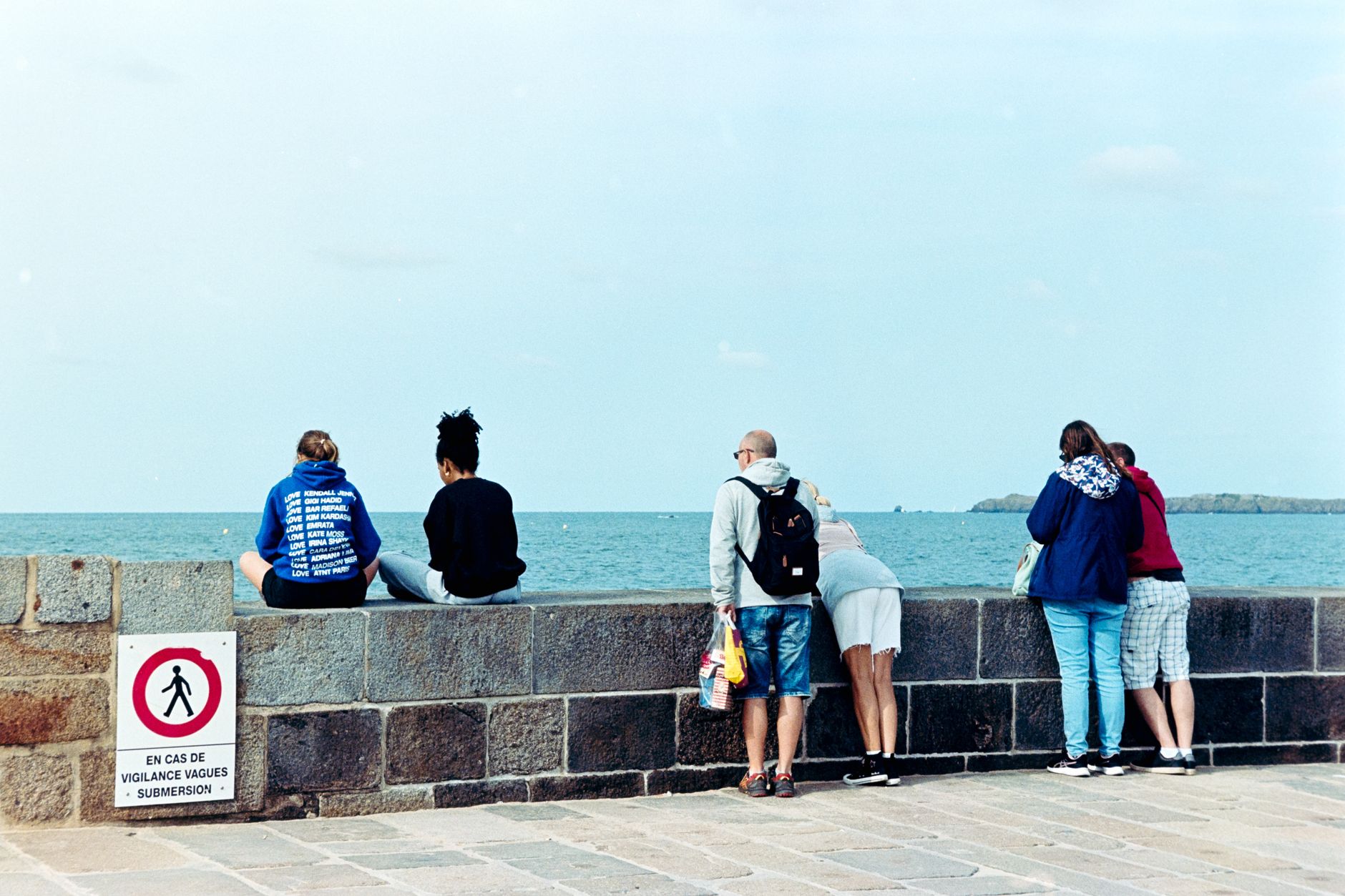
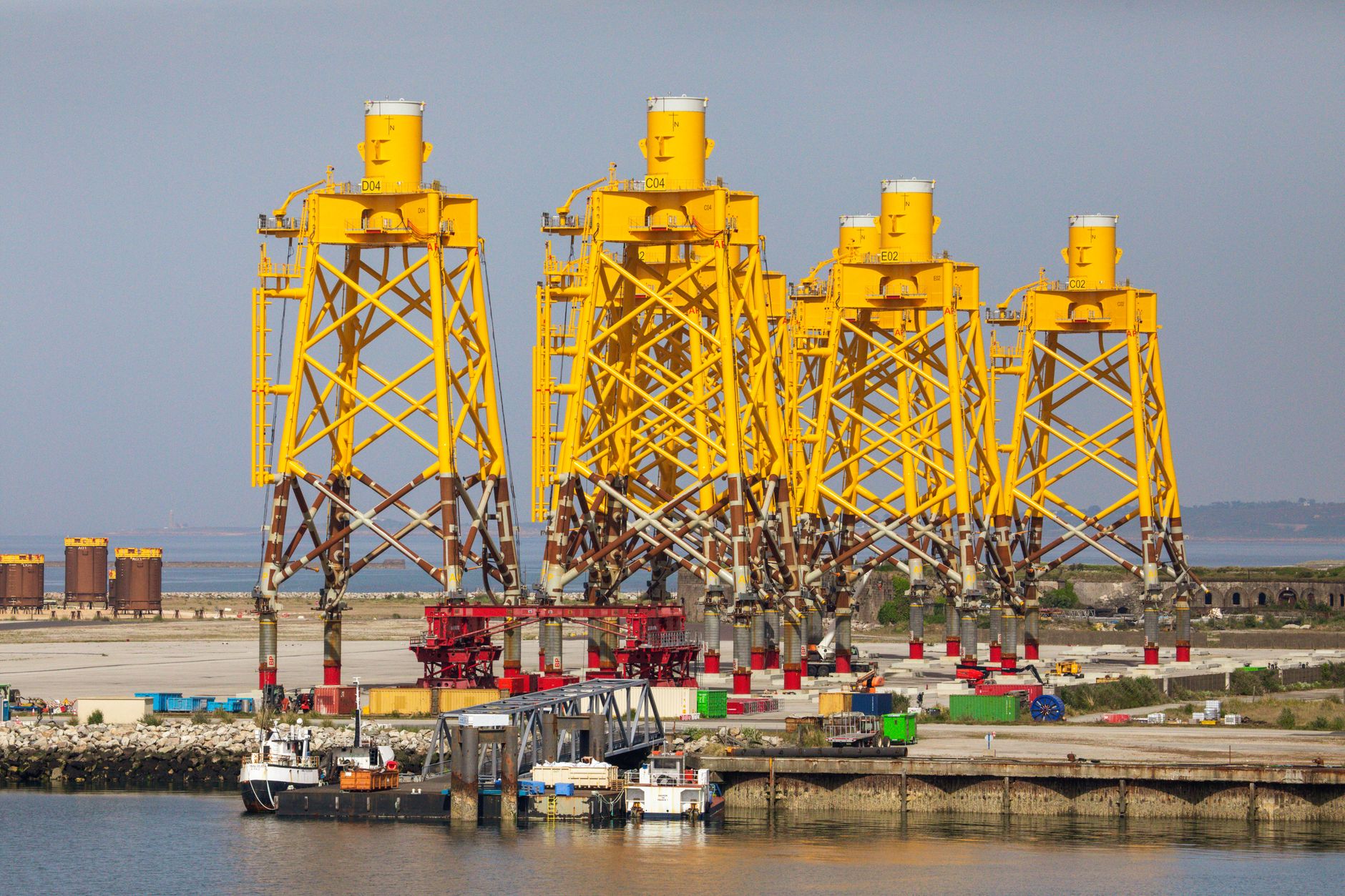
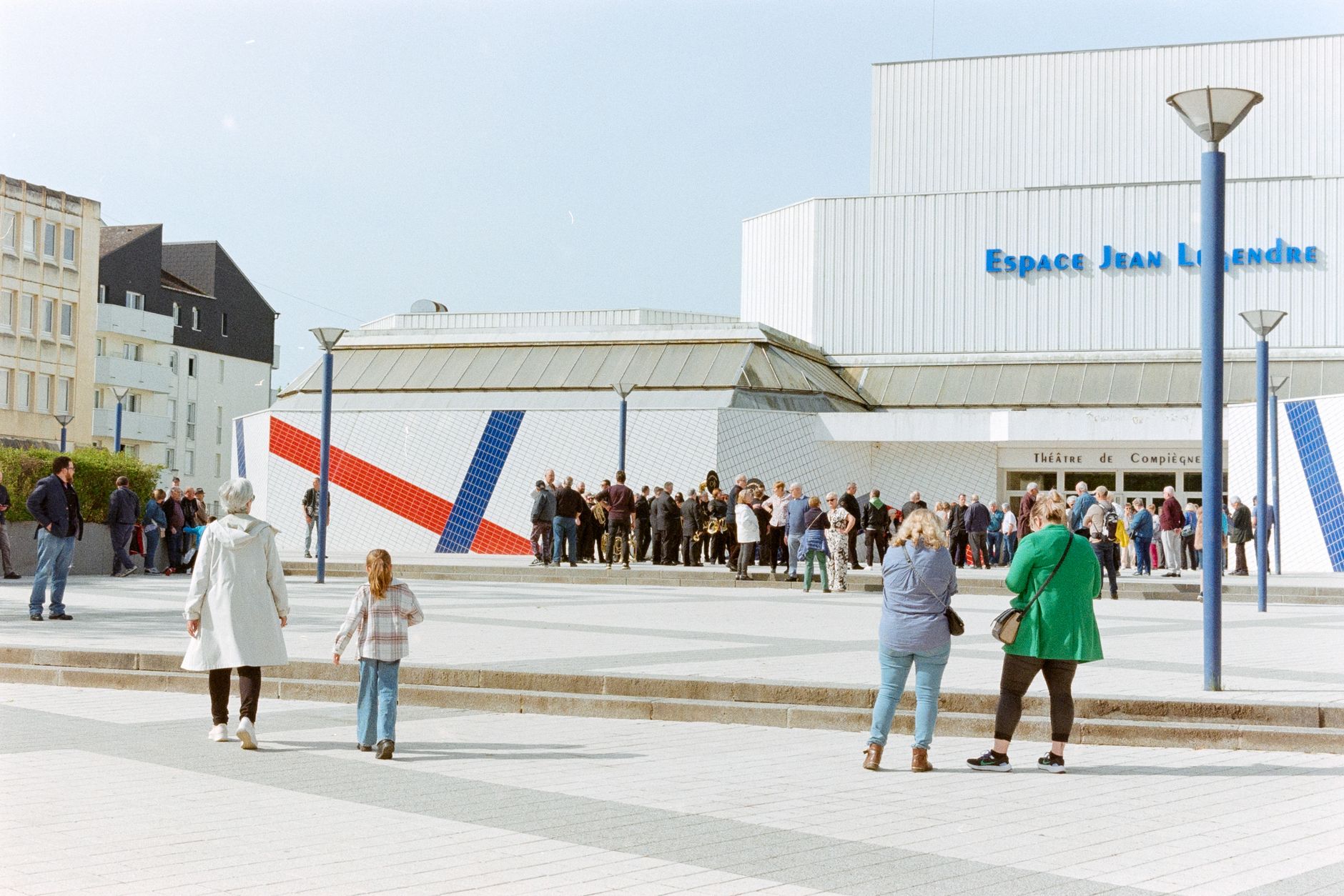
At the tip of the Cotentin Peninsula, Cherbourg-en-Cotentin is defined by deep water. The Grande Rade — the second-largest artificial harbour in the world, enclosed by dikes built across more than a century — sits in front of a town that has been fought over, bombed flat and rebuilt with a certain stoic pragmatism. What remains is a working port city with an Art Deco transatlantic terminal, a nuclear submarine you can walk through, and a museum full of Jean-François Millet paintings that most people drive straight past.
The Cité de la Mer alone is worth the train from Paris. Housed in that same terminal where ocean liners once docked, it holds Europe's largest cylindrical aquarium and the Redoutable, France's first nuclear submarine, launched in 1967. But stay a little longer and the city's layered past — Roman garrison, Viking port, Empress Matilda's abbey, D-Day aftermath — starts to surface.
💛 What travellers fall for
People who come back tend to make time for Parc Emmanuel Liais, a 19th-century botanical garden with cacti and tropical plants that feels improbably lush given the Atlantic wind outside. Fort du Roule, up on the hill above town, gives the clearest sense of why this harbour mattered so much in June 1944.
Experiences you don't want to miss




Deals in Cherbourg-en-Cotentin
Book directly at the provider
How Cherbourg-en-Cotentin came to be
The settlement began as Coriallo, a Roman-era town of the Unelli tribe recorded on the Tabula Peutingeriana. The Vikings were the first to develop it seriously as a port, arriving in the ninth century as part of their Cotentin campaign. By 1053 it was significant enough to receive a perpetual annuity from William the Conqueror. The twelfth century brought sieges: Stephen of England took it in 1139; Geoffrey of Anjou retook it in 1142; and in 1145 his wife, Empress Matilda, founded the Abbaye Notre-Dame du Vœu. Philip II absorbed it into France without a fight in 1204.
The harbour's transformation came under Louis XVI, when construction of the great breakwater began in 1776. It took seventy years to complete and made Cherbourg a serious military and commercial port — which also made it a target. Allied forces seized it from German occupation in June 1944, by which point most of the port infrastructure had been destroyed. The present-day commune, named Cherbourg-en-Cotentin, was only formally created on 1 January 2016 through a merger of five former communes.
Who and what shaped it
People who shaped it
Landmark buildings
See Cherbourg-en-Cotentin in motion
Plan your visit
On the map
When to go
The peninsula sits fully exposed to the Atlantic, so expect mild but changeable weather in every season — grey skies and a stiff westerly are the norm from October through March. Summer brings longer days and enough warmth to walk the harbour front without a coat, though the wind rarely disappears entirely.
Right now
Background & history adapted from Wikipedia (CC BY-SA) · specs from Wikidata (CC0) · weather from Open-Meteo · map data © OpenStreetMap contributors · photos from Wikimedia Commons / Unsplash with per-image credit. No third-party reviews or social posts reproduced.